Fort Santo Estevão
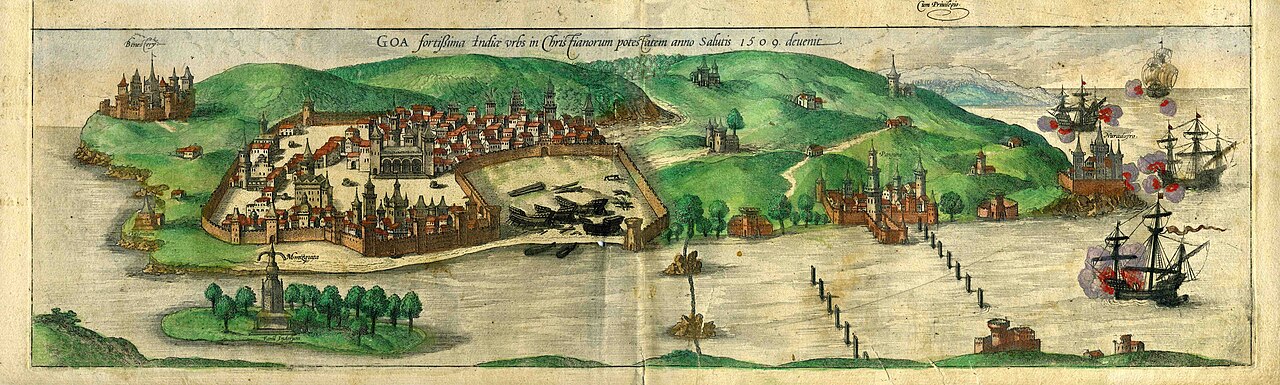
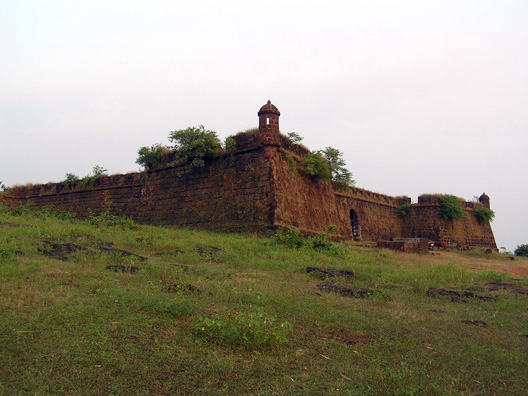
Fort Santo Estevão (Portuguese: Fortaleza de Santo Estevão) is a historic bastioned fortress located on Santo Estevão Island in the Indian state of Goa. Constructed by the Portuguese in the 16th century, the fort occupies the highest point on the island, strategically positioned to oversee and defend the Mandovi River, a vital waterway for the region.
Early construction and strategic importance
The fort was originally established in 1550 as a watchtower designed to monitor and protect the eastern approaches to the Portuguese territories known as the Velhas Conquistas (Old Conquests). Its location on Santo Estevão Island made it the easternmost defensive structure in this group of territories, serving as an early warning post against potential invasions or incursions via the river.
Expansion and military engagements
Following the Maratha incursions into Goa between 1666 and 1668, the Portuguese authorities recognized the need to strengthen their defenses. The original watchtower was expanded into a small but robust bastioned fortification capable of withstanding attacks and providing a stronger military presence on the island.
The 1683 Maratha attack
In 1683, the fort faced a significant test when the Marathas launched an assault on Goa. The fort was breached after the auxiliary forces assigned to its defense abandoned their positions, allowing the Marathas to capture the fortress. This event resulted in the massacre of the garrison stationed there, marking a dark chapter in the fort's military history.
Decline and abandonment
After the Portuguese annexed the Novas Conquistas (New Conquests), the strategic importance of Fort Santo Estevão diminished. By 1811, the fort was officially abandoned following a decree by the then Viceroy of India, Dom Bernardo José Maria da Silveira e Lorena. The military function of the fort ceased, and it gradually fell into disuse.
Restoration efforts and current status
In the 21st century, efforts were made to preserve the historical structure. Restoration work commenced in 2012 to stabilize and conserve the fort's remains. Today, Fort Santo Estevão stands as a partially preserved bastioned fortress, reflecting its Renaissance-era military architecture and the complex colonial history of Goa.
Architectural features
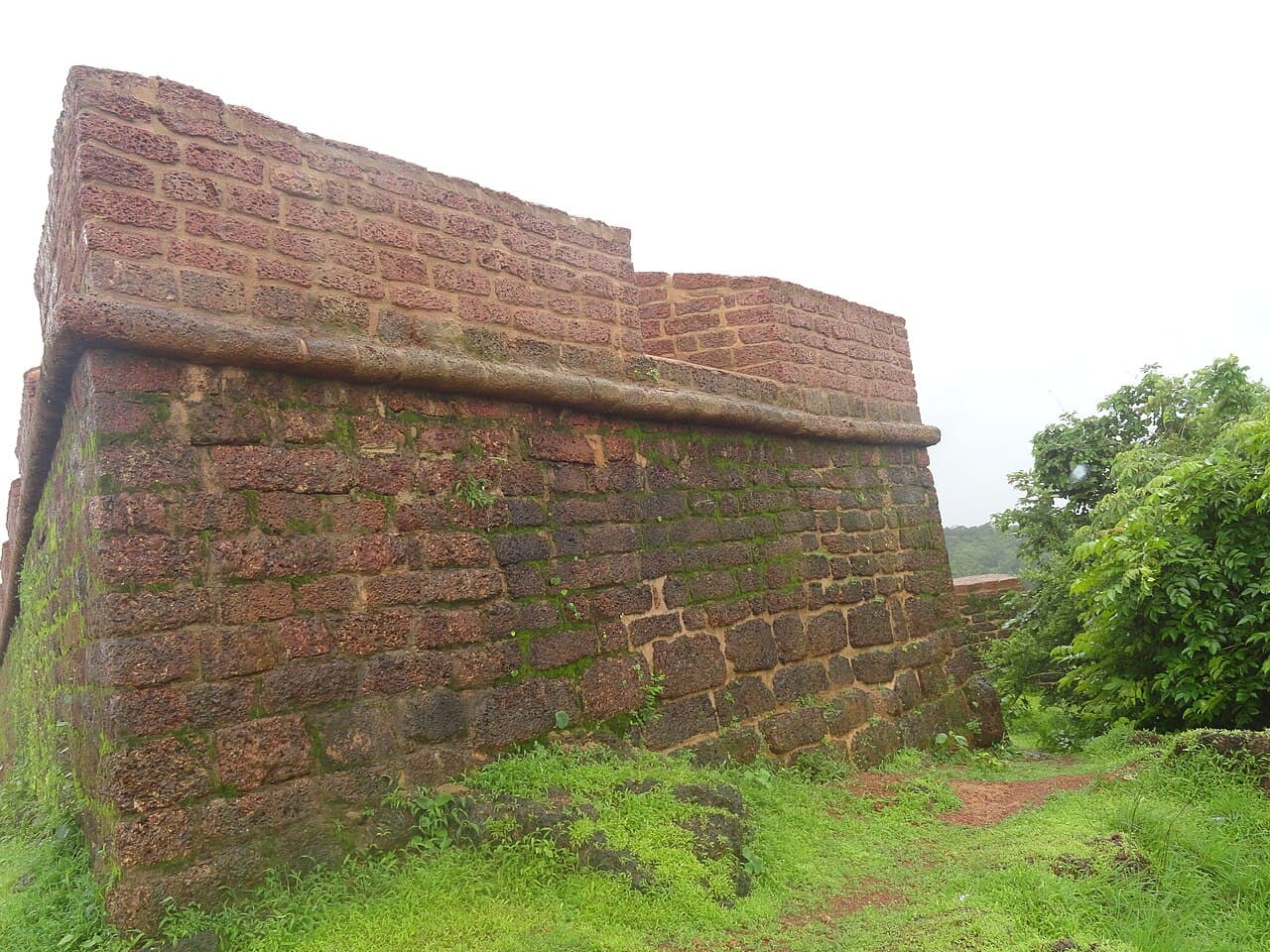
The fort's design exemplifies typical Renaissance military architecture adapted to the coastal and island environment of Goa. Its bastioned layout allowed for defensive artillery placements covering multiple angles, particularly overseeing the river approaches. The fortifications include thick stone walls, bastions at key points for cannon emplacements, and remnants of defensive gates and parapets.
Location and landscape
Perched on the highest elevation of Santo Estevão Island, the fort commands extensive views over the Mandovi River and surrounding waterways. This vantage point was crucial for its role as a sentinel guarding the eastern boundary of Portuguese Goa.
Historical significance in Goa's colonial defense system
Fort Santo Estevão was part of a network of fortifications that the Portuguese established to secure their territories in Goa against regional powers such as the Marathas and other local rulers. Its construction and subsequent enhancements reflect the evolving military strategies and challenges faced by the Portuguese during the Renaissance period and later centuries.
Role in the Velhas Conquistas
As the easternmost defense point in the Velhas Conquistas, the fort played a key role in early warning and defense. Its fall in 1683 underscored vulnerabilities in the Portuguese defensive arrangements and prompted further military reforms.
Visitor information and cultural heritage
While the fort is not as prominent a tourist destination as some other Goan forts, its historical value has attracted interest from historians and heritage enthusiasts. The restoration work has helped preserve its structure for educational and cultural purposes, highlighting the Portuguese colonial legacy in India.
Access and preservation challenges
Located on an island, access to Fort Santo Estevão requires a boat or ferry from the mainland, which limits casual visitation. Preservation efforts continue to face challenges due to environmental exposure and limited funding, but the fort remains an important monument within Goa's rich historical landscape.
Frequently asked questions (FAQ)
- How do I get to Fort Santo Estevão?
- Fort Santo Estevão is located in the state of Goa, India. You can reach the fort by taking a taxi or renting a scooter from nearby towns like Panaji or Old Goa, which are well-connected by road. It is also accessible by ferry, adding a scenic touch to your journey.
- What is the historical significance of Fort Santo Estevão?
- Constructed in the 17th century, Fort Santo Estevão played a crucial role in the defense of the Portuguese territory in India. It is one of the few remaining forts that showcase the military architecture of the time and reflects the historical conflicts between the Portuguese and other powers in the region.
- When was Fort Santo Estevão built?
- Fort Santo Estevão was built in 1680 as part of the Portuguese efforts to strengthen their hold over the coastal areas of India. The fort served as a strategic military outpost for over two centuries before it fell into disuse.
- Can I explore the interior of Fort Santo Estevão?
- Yes, visitors can explore the exterior and some parts of the fort, including the ramparts and surrounding areas. However, access to certain interior sections may be restricted due to preservation efforts, so it's best to check with local guides for the latest information.
- Why is Fort Santo Estevão a popular tourist attraction?
- Fort Santo Estevão is popular for its stunning views of the Mandovi River and the surrounding landscape. Its rich history, unique architecture, and serene environment make it a great spot for history enthusiasts, photographers, and nature lovers alike.
- Is it possible to visit Fort Santo Estevão year-round?
- Yes, Fort Santo Estevão is open to visitors throughout the year, but the best time to visit is during the cooler months from November to February. This period offers pleasant weather, making your exploration of the fort more enjoyable.
- What are the ticket prices for visiting Fort Santo Estevão?
- Visiting Fort Santo Estevão is free of charge, allowing everyone to experience its historical significance without any cost. However, if you choose to hire a local guide for a more informative visit, fees may vary based on the guide's experience and duration of the tour.
- What are the opening hours of Fort Santo Estevão?
- Fort Santo Estevão is open to visitors from sunrise to sunset, allowing ample time to explore during the day. However, it's advisable to check for any specific timings or closures that may occur due to local events or maintenance work.
- Are there any nearby attractions to visit after Fort Santo Estevão?
- Yes, nearby attractions include the beautiful beaches of Goa, such as Candolim and Sinquerim, as well as the historic churches in Old Goa. You can also explore the local markets and indulge in Goan cuisine, making for a well-rounded visit to the region.
Photo gallery

Information
Loading map...
Visitor reviews
No reviews yet. Been here? Write the first review and help other travelers!
Write the first reviewVisited this castle? Share your experience
Your review helps other travelers and adds first-hand knowledge to our encyclopedia.