Fort of São Tiago of Banastarim
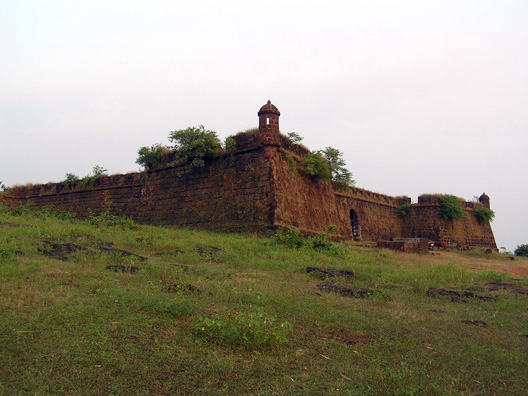
The Fort of São Tiago of Banastarim, also known as Fort St. James Banastarim or Benastari Castle, is a notable 17th-century bastioned fortress situated on the right bank of the Cumbarjua Canal, near the eastern tip of Old Goa in the North Goa district of the Indian state of Goa. This strategic location on the west coast of India allowed the fort to play a crucial role in the defense and control of the region during the period of Portuguese colonial rule.
Historical background and strategic importance
Constructed during the Renaissance period, the Fort of São Tiago of Banastarim was built primarily to protect the Portuguese territories in Goa from rival colonial powers and local resistance. The fort's position overlooking the Cumbarjua Canal provided a commanding view of the waterways that were vital for trade and military movements. This made it a key point of defense against invasions from both land and sea.
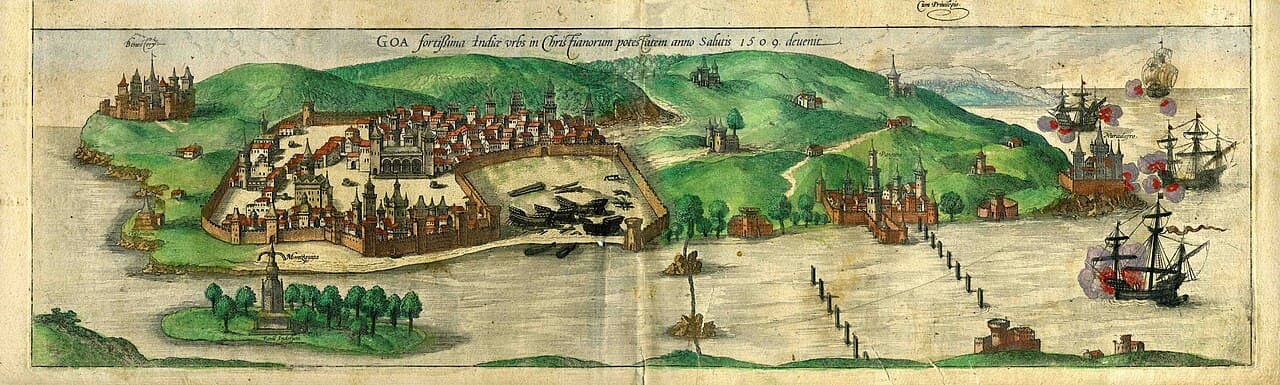
The fort was part of a network of fortifications established by the Portuguese to secure their hold on the western coast of India, particularly after the conquest of Goa in 1510. It was essential in safeguarding the capital of Portuguese India, Old Goa, from attacks by the Sultanates and other regional powers.
Architectural features and design
The Fort of São Tiago of Banastarim is classified as a bastioned fortress, a style that became prominent in the 16th and 17th centuries as a response to the development of artillery warfare. The design incorporates angular bastions projecting from the main walls, allowing defenders to cover adjacent walls with cannon and musket fire, eliminating blind spots.
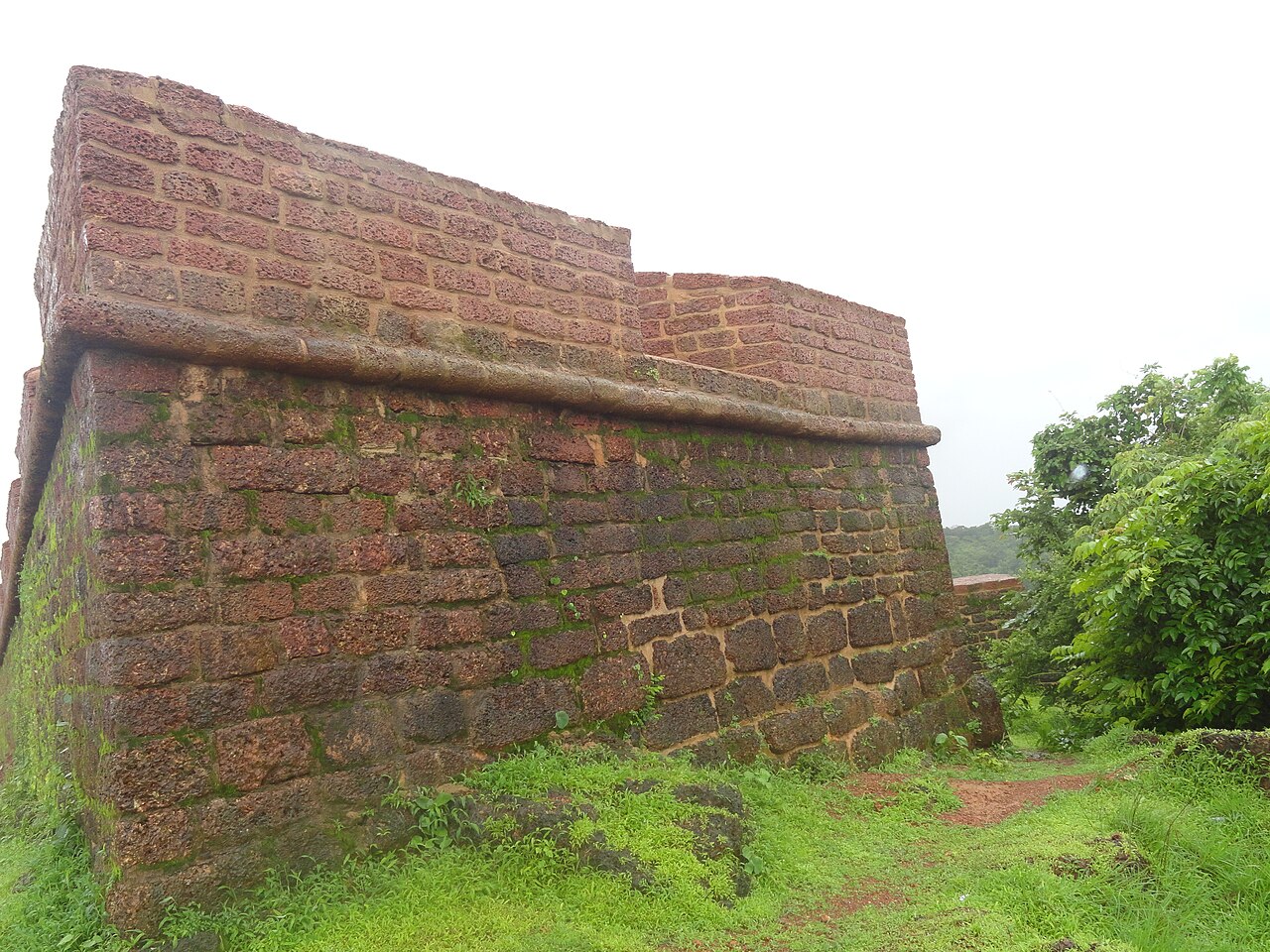
The fort's walls are constructed from local laterite stone, a common building material in Goa, known for its durability and reddish hue. The bastions were equipped with artillery placements to repel naval and land-based assaults. The fortress also includes a main gate designed for controlled access, with defensive features such as a moat or ditch, though details of these are less well-preserved.
Within the fort, there would have been barracks, storage facilities, and command quarters, although much of the internal structure has not survived intact. The layout reflects the military engineering principles of the Renaissance, emphasizing both defense and the ability to mount counterattacks.
Role in regional conflicts and colonial history
Throughout its history, the Fort of São Tiago of Banastarim witnessed several military engagements. It was instrumental during conflicts between the Portuguese and regional rulers such as the Bijapur Sultanate and the Marathas, who contested Portuguese control over Goa and its surroundings.
The fort's strategic importance declined with changes in military technology and political power in the 18th and 19th centuries. However, it remains a symbol of the Portuguese colonial era in India and the military architecture that supported their empire.
Current condition and preservation
Today, the Fort of São Tiago of Banastarim stands in a partially preserved state. While some sections of the bastions and walls remain visible, much of the structure has suffered from neglect and the effects of tropical weather. Efforts have been made to preserve and restore parts of the fort, recognizing its cultural and historical significance.
The fort is accessible to visitors interested in exploring Goa's colonial past and military heritage. Its location near Old Goa makes it a valuable site for understanding the Portuguese influence on the region's architecture and history.
Visitor information and accessibility
The fort is reachable by road from Panaji, the capital of Goa, and is situated near other historical sites in Old Goa, including churches and other forts. Visitors can explore the ruins and enjoy views of the surrounding waterways and landscapes.
While facilities on-site may be limited, the fort offers an evocative glimpse into the past and is a point of interest for history enthusiasts, students, and tourists. Guided tours and informational signage can enhance the visitor experience by providing context about the fort's construction, role, and legacy.
Frequently asked questions (FAQ)
- What is the historical significance of the Fort of São Tiago of Banastarim?
- The Fort of São Tiago of Banastarim, built in the early 17th century, served as a key defensive structure for the Portuguese against various threats in the region. Its strategic location allowed it to oversee maritime routes and protect trade interests, making it a vital asset during colonial times.
- When was the Fort of São Tiago of Banastarim constructed?
- Construction of the Fort of São Tiago began in 1606 and was completed in 1612. The fort was built to fortify the Portuguese presence in India and has since witnessed numerous historical events and changes in power.
- Can I visit the Fort of São Tiago of Banastarim?
- Yes, the Fort of São Tiago is open to visitors, offering a glimpse into its rich history and architecture. Visitors can explore the fort's structure, learn about its past, and enjoy the scenic views of the surrounding area.
- What are the opening hours for the Fort of São Tiago of Banastarim?
- The fort is typically open to visitors from 9 AM to 5 PM, seven days a week. However, it is advisable to check local sources or official websites for any changes in hours before planning your visit.
- Is it possible to access the Fort of São Tiago of Banastarim via public transport?
- Yes, the fort is accessible by public transport, with various local buses and taxis available to take you to the site. Additionally, many visitors opt for guided tours that include transportation to and from the fort.
- What is the best time to visit the Fort of São Tiago of Banastarim?
- The best time to visit is during the cooler months from October to February when the weather is pleasant for exploring the fort and its surroundings. Visiting during this time also allows you to enjoy local festivals and events that may take place nearby.
- Are there any nearby attractions to explore after visiting the fort?
- Yes, nearby attractions include the beautiful beaches of Goa, the vibrant local markets, and other historical sites like the Church of St. Cajetan. These locations provide a well-rounded experience of the area's culture and history.
- What are the ticket prices for visiting the Fort of São Tiago of Banastarim?
- Entry to the Fort of São Tiago is generally free, making it an accessible destination for all visitors. However, some guided tours may have associated fees, so it’s worth checking in advance if you prefer a structured visit.
Photo gallery

Photo by Victorcouto•Public domain
Information
Loading map...
Visitor reviews
No reviews yet. Been here? Write the first review and help other travelers!
Write the first reviewVisited this castle? Share your experience
Your review helps other travelers and adds first-hand knowledge to our encyclopedia.