Polenmuseum Rapperswil (Polish Museum Rapperswil)
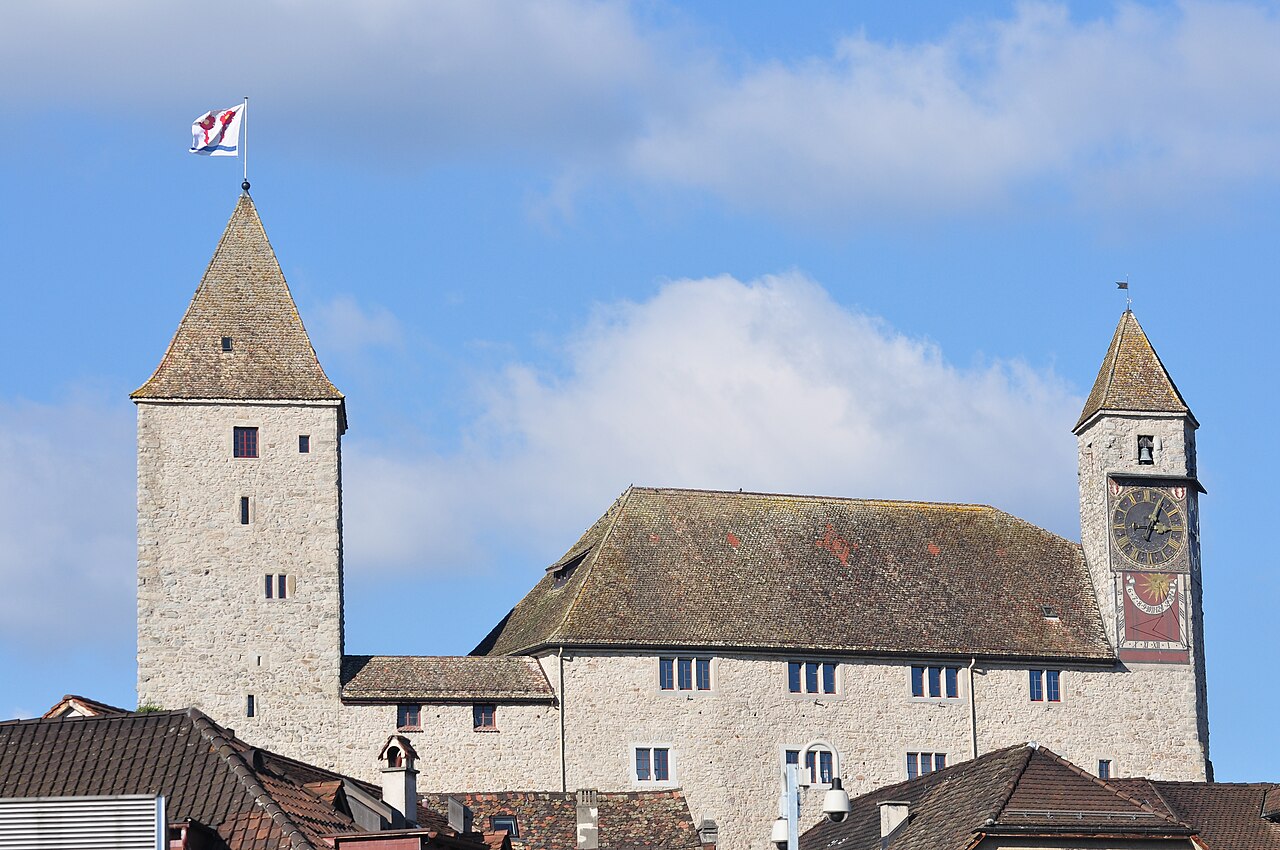
The Polenmuseum Rapperswil, also known as the Polish Museum Rapperswil, is a unique cultural institution housed within a 13th-century medieval castle located in the picturesque town of Rapperswil-Jona on the shores of Lake Zurich, Switzerland. This castle, with its rich architectural heritage and strategic location, serves not only as a historical monument but also as a vibrant symbol of Polish national identity and cultural preservation during times of foreign occupation and political upheaval.
The castle itself dates back to the High Medieval period, constructed in the early 1200s, and is a classic example of a hill castle with fortified walls, towers, and a commanding view over the lake and surrounding landscape. Its robust stone masonry, defensive battlements, and well-preserved towers highlight the military and residential architectural styles of its era. Over centuries, the castle has undergone various modifications but retains much of its original medieval character, making it an ideal home for the museum.
The foundation and historical context of the Polish museum
The Polenmuseum Rapperswil was founded in 1870 by Count Władysław Plater, a Polish nobleman and patriot who was forced into exile following the November Uprising of 1830 against Russian rule. This uprising was part of a series of Polish national struggles during the 19th century when Poland was partitioned and its sovereignty erased by neighboring empires.
Count Plater and many others from the Polish intelligentsia and nobility became part of the so-called Great Emigration, a diaspora that spread across Europe and beyond. The museum was established to preserve and promote Polish culture, language, and history during a period when an independent Polish state did not exist. It became a crucial center for patriotic education and a repository for historic memorabilia related to Poland's past, including documents, artworks, and artifacts.
Architectural features and significance of the castle
Medieval defensive structures
The castle is a hill castle strategically positioned to oversee Lake Zurich and the surrounding region. Its fortified walls and battlements were designed for defense against medieval sieges. The towers provided vantage points for surveillance and protection, while the thick stone walls offered resilience against attacks.
Adaptations and preservation
While the castle has seen various uses and renovations over the centuries, its medieval core remains largely intact. The preservation of its original architectural elements enhances the museum's atmosphere, allowing visitors to experience a tangible connection to both medieval European history and Polish heritage. The castle's location by the lake adds to its charm and accessibility, making it a popular cultural destination.
The museum's role in preserving Polish culture and history
During the 19th and 20th centuries, when Poland was partitioned and lacked sovereignty, the Polenmuseum Rapperswil played a vital role in maintaining Polish identity abroad. It became a hub for intellectual exchange among Polish émigrés, hosting exhibitions, lectures, and cultural events that highlighted Poland's rich history and artistic achievements.
The museum's collections include historic documents, paintings, sculptures, and personal artifacts of notable Polish figures. It reflects the resilience of the Polish people and their commitment to preserving their heritage despite political adversity. The museum also commemorates the Great Emigration and the struggles for Polish independence.
Visiting the Polenmuseum Rapperswil
Today, the museum is open to the public and offers visitors a chance to explore both the medieval castle architecture and the rich cultural exhibits within. Its location in Rapperswil-Jona makes it accessible for tourists interested in history, architecture, and Polish culture. Visitors can enjoy panoramic views of Lake Zurich from the castle's towers and courtyards, enhancing the overall experience.
The museum often organizes temporary exhibitions, educational programs, and cultural events that continue its founding mission of promoting Polish heritage. It stands as a testament to the enduring spirit of the Polish nation and the importance of cultural preservation in exile.
Frequently asked questions (FAQ)
- When was the Polenmuseum Rapperswil founded?
- The Polenmuseum Rapperswil was founded in 1870 by Count Władysław Plater during the period of the Great Emigration.
- What type of castle houses the Polish Museum in Rapperswil?
- The museum is housed in a well-preserved 13th-century hill castle overlooking Lake Zurich.
- What is the significance of the Polenmuseum Rapperswil?
- It serves as a cultural and historical center preserving Polish heritage and identity during times of foreign occupation and exile.
- Can visitors explore the medieval architecture of the castle?
- Yes, visitors can explore the castle's medieval defensive structures, towers, and enjoy panoramic views of Lake Zurich.
- Is the Polenmuseum Rapperswil accessible to the public?
- Yes, the museum is open to the public and offers exhibitions, educational programs, and cultural events related to Polish history.
Information
Sources & official resources
Verify the information above using these authoritative references.
Loading map...
Visitor reviews
No reviews yet. Been here? Write the first review and help other travelers!
Write the first reviewVisited this castle? Share your experience
Your review helps other travelers and adds first-hand knowledge to our encyclopedia.