Podmaniczky–Vigyázó mansion, Budapest
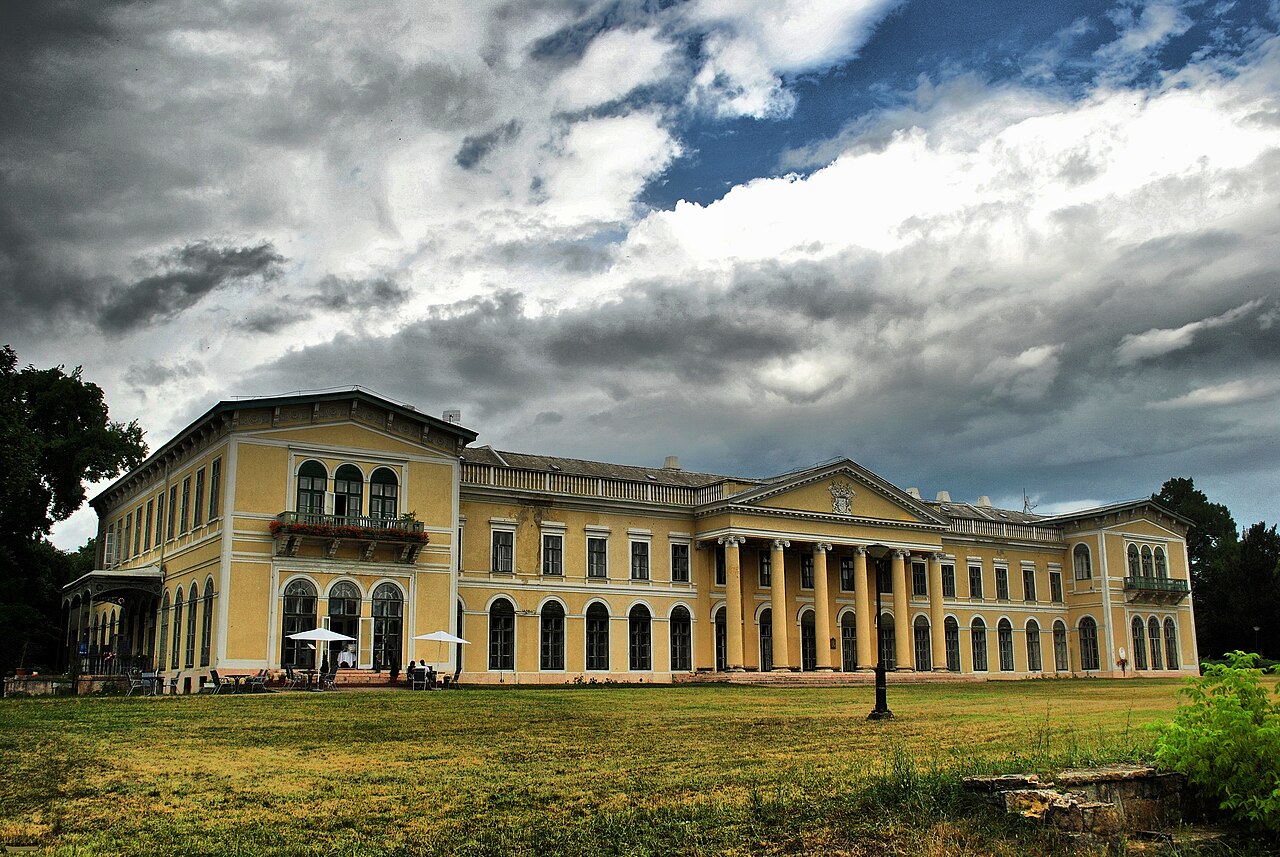
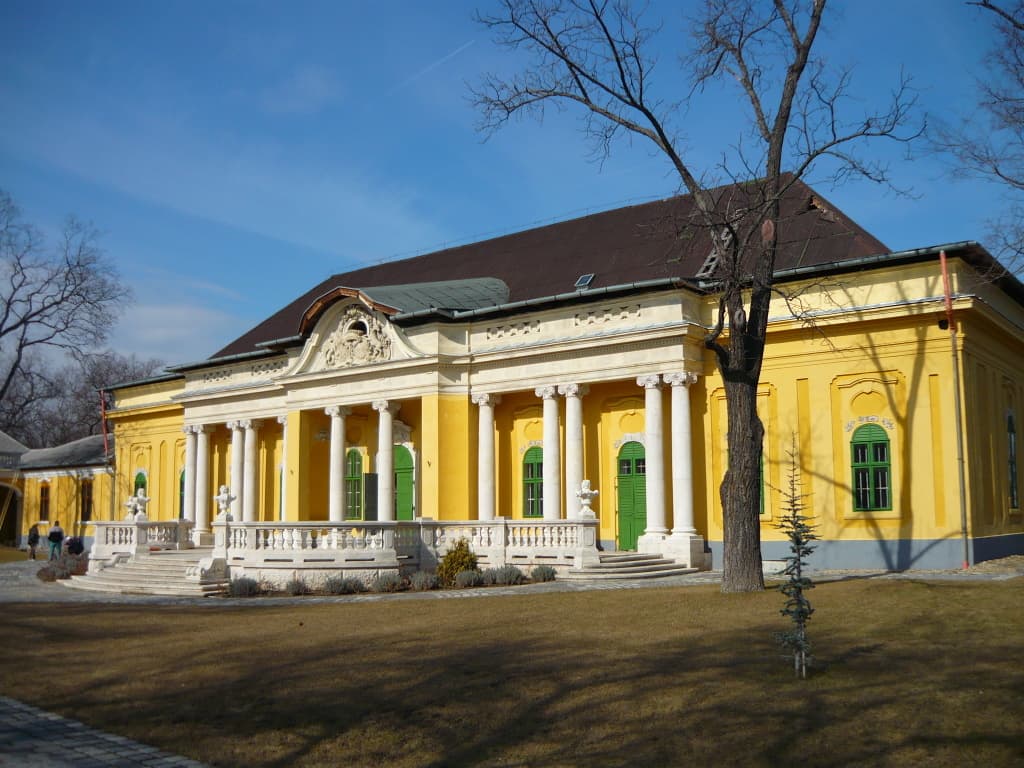
The Podmaniczky–Vigyázó mansion is an important example of post-Renaissance architecture located in Budapest, Hungary. Built in the 18th century, this mansion reflects the architectural and cultural transitions of the period, blending traditional Hungarian noble residence features with stylistic elements from the post-Renaissance era.
Historical background and ownership
The mansion derives its name from the Podmaniczky family, a prominent Hungarian noble family with significant influence in the region. The Vigyázó family is also associated with the property, indicating a history of noble ownership and possibly changes in possession through marriage or inheritance. The estate served as a symbol of aristocratic status and played a role in the social fabric of Budapest during the 18th and 19th centuries.
Architectural features and style
The mansion is a fine example of post-Renaissance architecture, characterized by a balanced and symmetrical layout typical of the period. Its design incorporates classical elements such as pilasters, cornices, and decorative window frames, reflecting the influence of Renaissance ideals adapted to local tastes and building traditions.
The building likely features a rectangular plan with a central entrance leading to a series of reception rooms and private chambers. The façade is distinguished by its restrained ornamentation, emphasizing proportion and harmony rather than excessive decoration. The roof structure may include hipped roofs or mansard roofs, common in Hungarian noble residences of the era.
Interior and layout
Inside, the mansion would have contained spacious halls and salons designed for social gatherings, with high ceilings and large windows to allow natural light. Decorative plasterwork, wood paneling, and period furnishings would have complemented the architectural style, creating an elegant atmosphere befitting the nobility.
Location and setting
Situated in Budapest, the mansion occupies a strategic and prestigious position within the city. Its location on a gentle elevation or hill could be inferred from the original classification as a hill castle, though as a mansion, it primarily functions as a noble residence rather than a fortified structure.
The surrounding grounds may have included formal gardens, courtyards, and ancillary buildings such as stables or servant quarters, typical of aristocratic estates of the 18th century.
Current condition and significance
While specific details about the mansion's current condition are limited, buildings of this type in Budapest often undergo preservation or restoration efforts to maintain their historical and architectural value. The Podmaniczky–Vigyázó mansion remains a noteworthy example of post-Renaissance noble architecture in Hungary, contributing to the cultural heritage and architectural diversity of Budapest.
Preservation and public access
The mansion may be privately owned or managed by local heritage organizations. Access to the public could be limited, but such estates sometimes host cultural events, exhibitions, or guided tours to showcase their historical importance.
Frequently asked questions (FAQ)
- What is the historical significance of the Podmaniczky–Vigyázó mansion?
- The Podmaniczky–Vigyázó mansion is an important example of Hungarian Neo-Renaissance architecture and reflects the opulence of the late 19th century. Built for a prominent aristocratic family, the mansion showcases the wealth and cultural aspirations of its time, making it a key piece of Budapest's architectural heritage.
- When was the Podmaniczky–Vigyázó mansion constructed?
- The mansion was constructed between 1883 and 1885. It was designed by the architect Miklós Ybl, who is renowned for his contributions to Budapest's architectural landscape.
- Can I visit the Podmaniczky–Vigyázó mansion?
- Yes, visitors can tour the mansion to explore its exquisite interiors and learn about its history. It is advisable to check for guided tours or special events that may enhance your visit.
- What are the opening hours for the Podmaniczky–Vigyázó mansion?
- The mansion is typically open to visitors from Tuesday to Sunday, with varying hours depending on the season. It's recommended to check the official website for the most current opening times before your visit.
- Is it possible to take photographs inside the mansion?
- Photography policies may vary, so it is best to inquire at the entrance or check the official guidelines. Generally, visitors are encouraged to take photos in designated areas, but flash photography may be restricted to protect the artwork and interiors.
- What is the best time to visit the Podmaniczky–Vigyázó mansion?
- The best time to visit is during the spring and fall when the weather is mild and pleasant for exploring. Additionally, visiting during weekdays can help you avoid larger crowds.
- Are there any nearby attractions to the Podmaniczky–Vigyázó mansion?
- Yes, the mansion is located close to several attractions, including the picturesque City Park and the Hungarian State Opera House. Visitors can also explore other historical buildings and museums in the vicinity, making it a great starting point for a day of sightseeing.
- What are the ticket prices for visiting the Podmaniczky–Vigyázó mansion?
- Ticket prices may vary based on age and type of tour, with discounts often available for students and seniors. It's advisable to check the official website for the latest pricing information and any special offers.
- How do I get to the Podmaniczky–Vigyázó mansion?
- The mansion is easily accessible via public transportation, including buses and trams that stop nearby. Visitors can also opt for a leisurely walk from popular landmarks in Budapest, enjoying the city's vibrant atmosphere along the way.
Photo gallery

Information
Loading map...
Visitor reviews
No reviews yet. Been here? Write the first review and help other travelers!
Write the first reviewVisited this castle? Share your experience
Your review helps other travelers and adds first-hand knowledge to our encyclopedia.