Počitelj Castle
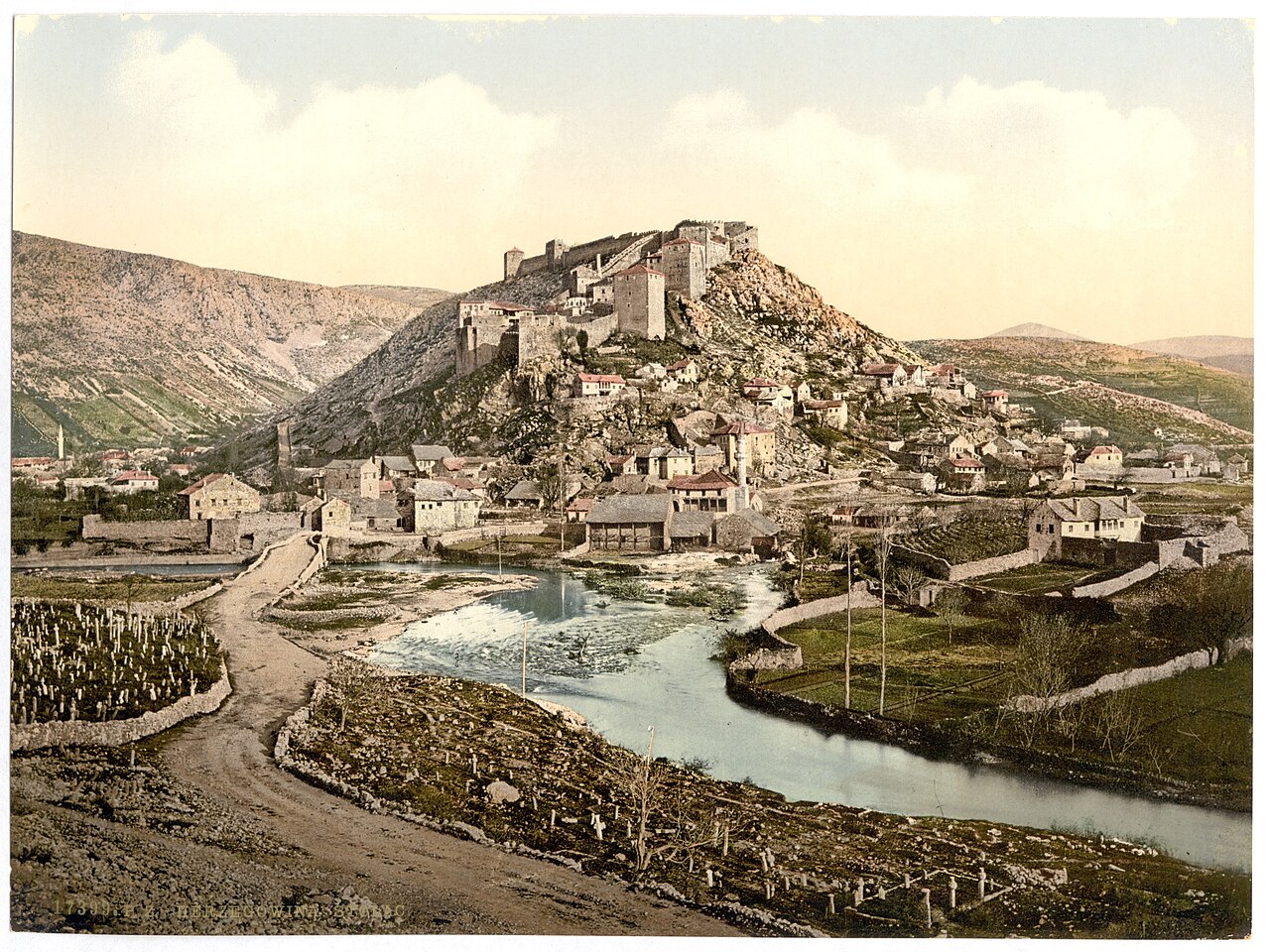
Počitelj Castle stands as a significant medieval fortress and Ottoman heritage site in the town of Počitelj, near Čapljina in Bosnia and Herzegovina. Founded in 1383 by King Stjepan Tvrtko I of Bosnia, this castle played a crucial role in controlling the vital merchant route connecting the Bosnian interior with the Adriatic coast. Situated strategically on a karstic rock overlooking the Neretva river valley, the fortress was both a military stronghold and an administrative center for the surrounding region known as Dubrava župa.
Historical significance and strategic location
During the Late Medieval period, Počitelj was the westernmost point of the Bosnian kingdom's governance, granting it major strategic importance. The castle and its fortified town were established to secure the trade route passing through Drijeva trg, a key trading post, ensuring control over commerce between inland Bosnia and the Adriatic Sea. This made Počitelj a vital hub for economic and military activities.
Over time, the fortress evolved as political powers shifted. After the Ottoman conquest of Bosnia in the 15th century, Počitelj became a prominent Ottoman settlement. The Ottomans expanded the fortifications and developed urban infrastructure, including residential buildings, a hammam (bathhouse), and a mosque, reflecting the cultural and architectural influences of the empire.
Architectural features and evolution
Medieval fortifications
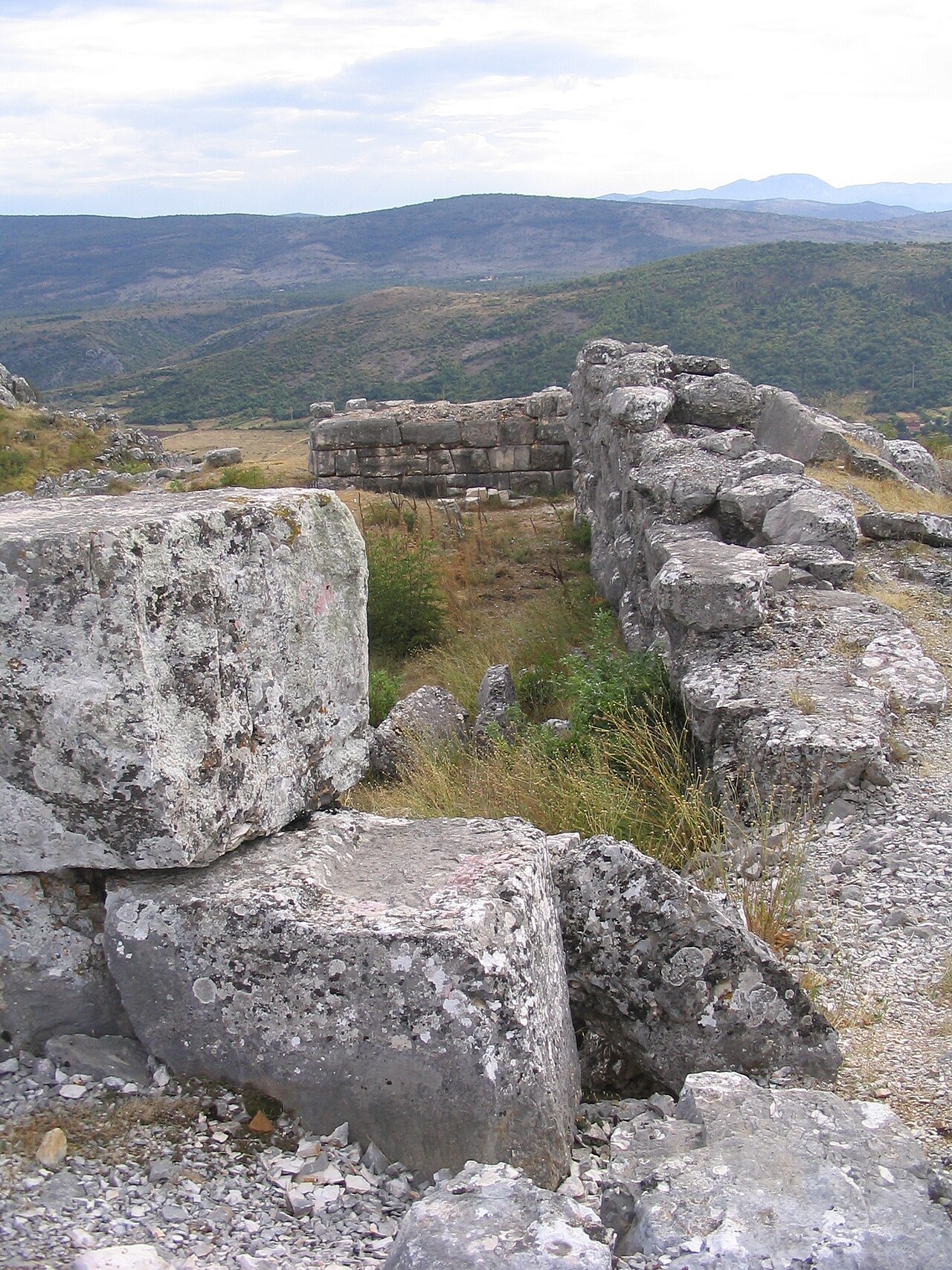
The original medieval fortress, built under King Tvrtko I, was designed primarily for defense. It features thick stone walls, bastions, and a compact layout adapted to the rocky terrain. The castle's design reflects typical Late Medieval military architecture, emphasizing strong fortifications to withstand sieges and attacks.
Ottoman additions and urban development
The Ottoman period brought significant architectural changes. The fortress complex expanded to include civilian structures such as , a mosque, and a bathhouse. The Ottomans also enhanced the fortress's defensive capabilities by adding bastioned walls and towers, blending medieval military architecture with Ottoman styles.
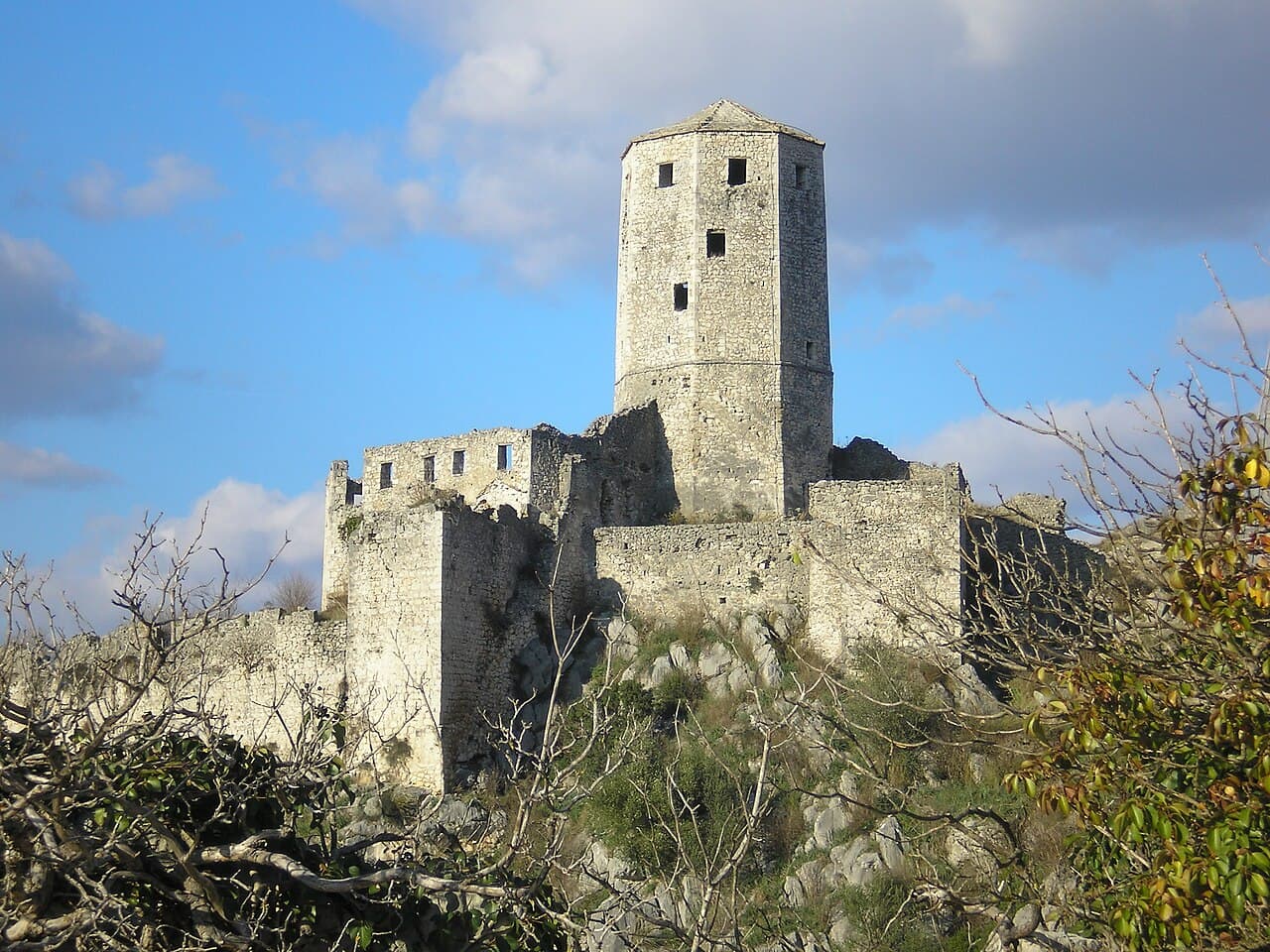
One of the most notable features is the Gavran-captain tower (Gavran-kapetanova kula), which dominates the fortress skyline. This tower is perched on a karstic rock high above the Neretva river, serving both as a lookout and a symbol of the fortress's enduring military significance.
Preservation and current status
Today, Počitelj Castle is recognized as a cultural and historical monument of great importance in Bosnia and Herzegovina. The site preserves the layered history of medieval Bosnian and Ottoman architecture, offering visitors panoramic views of the surrounding landscape. The castle's stone-built structures remain largely intact, showcasing the craftsmanship and defensive ingenuity of both periods.
Efforts have been made to maintain and restore parts of the fortress and the historic walled town it overlooks. Počitelj continues to attract scholars, tourists, and heritage enthusiasts interested in the complex history of the Balkans and the architectural fusion present at this site.
Visiting Počitelj Castle
The castle is accessible to visitors who wish to explore its historic walls, towers, and the surrounding town. Walking through the fortress offers a tangible connection to the medieval and Ottoman eras, with opportunities to observe architectural details such as battlements, gates, and courtyards. The elevated position provides sweeping views of the Neretva river valley and the nearby landscape.
Visitors can also explore the remnants of the Ottoman settlement within the fortress complex, including the mosque and bathhouse ruins, which highlight the cultural diversity and historical layers of Počitelj.
Frequently asked questions (FAQ)
- When was Počitelj Castle built and by whom?
- Počitelj Castle was built in 1383 by King Stjepan Tvrtko I of Bosnia to control trade routes and defend the region.
- What architectural styles are present in Počitelj Castle?
- The castle features a combination of Late Medieval fortifications and Ottoman architectural elements, including bastions, towers, a mosque, and bathhouse.
- Is Počitelj Castle open to visitors?
- Yes, Počitelj Castle is open to visitors, who can explore the fortress, towers, and remnants of the Ottoman settlement within the complex.
- What is the strategic importance of Počitelj Castle?
- Počitelj Castle was strategically located to control the merchant route between Bosnia's inland and the Adriatic Sea via the Neretva river valley.
- What notable features can be seen at Počitelj Castle?
- Visitors can see the Gavran-captain tower perched on a karstic rock, fortified walls, battlements, gates, and Ottoman-era structures such as the mosque and bathhouse.
Photo gallery

Information
Current owner
State museum
Loading map...
Visitor reviews
No reviews yet. Been here? Write the first review and help other travelers!
Write the first reviewVisited this castle? Share your experience
Your review helps other travelers and adds first-hand knowledge to our encyclopedia.