Plawecz
Plaveč Castle stands as a poignant reminder of medieval fortifications in Slovakia, perched on a high hill overlooking the village of Plaveč. Built in 1294 during the high medieval period, this hill castle was strategically positioned to guard the former Polish-Hungarian border and a vital trade route. Its origins trace back to the initiative of the Hungarian king Ondrej III and the Spiš noble family, specifically the knight Ditrich from Spiš or his son Arnold, who likely constructed the initial stone watchtower that formed the castle's core.
Early history and royal patronage
The castle's early role was primarily military, serving as a border fortress to control and protect the frontier region. In 1317, King Charles Robert (Karol I. Róbert) granted Plaveč Castle to his loyal supporter Filip Drugeth, who expanded the fortress beyond its original tower. The Drugeth family maintained possession until their extinction, after which the castle reverted to royal ownership. Around 1400, King Sigismund of Luxembourg bestowed the castle upon the noble Bebek family, marking a new chapter in its history.
Turbulent times: hussite wars and fortification efforts
During the mid-15th century, the castle witnessed conflict amid the Hussite wars. It was seized by the Hussite Brotherhood under the leadership of Petr Aksamit, who used it as a stronghold until his death in 1458. Subsequently, the castle was entrusted to Imrich Zapolsky, who undertook significant reconstruction and fortification to strengthen its defenses. By 1505, the castle became the property of Michał Horváth from Wielka Łomnica, whose family, later known as Palocsay, retained ownership for centuries.
Renaissance transformation and later adaptations
The late 16th century saw a notable renaissance-style expansion under Jerzy, Michał Horváth's grandson. He added corner defensive bastions connected by walls, creating a closed courtyard with new residential buildings. This transformation reflected the era's architectural trends, blending military function with increased domestic comfort.
In 1830, the castle underwent its last major reconstruction initiated by Ferdinand Horváth-Palocsaye. This renovation stripped the castle of its defensive features, converting it into a neoclassical manor. Unfortunately, a devastating fire in 1856 severely damaged the structure, and the extinction of the Palocsay family in 1857 led to the castle's abandonment and gradual decay.
Architectural features and surviving remains
Originally, Plaveč Castle featured a massive residential tower approximately 9 by 8 meters in size, with walls nearly three meters thick, indicative of its defensive purpose. Over time, the complex expanded to include a palace with representative wings, a chapel, and defensive bastions. Renaissance modifications introduced larger windows and additional bastions, enhancing both comfort and fortification.
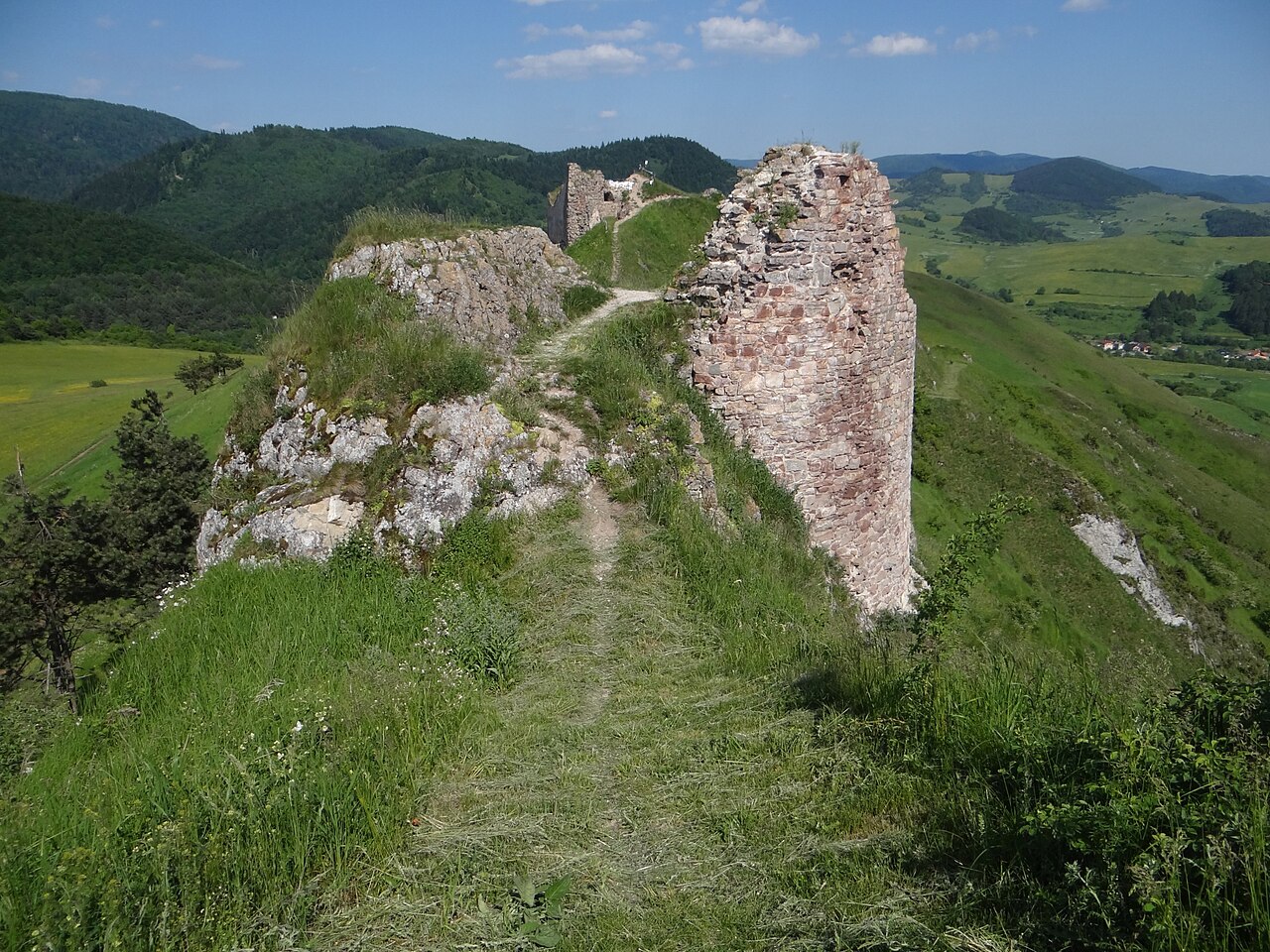
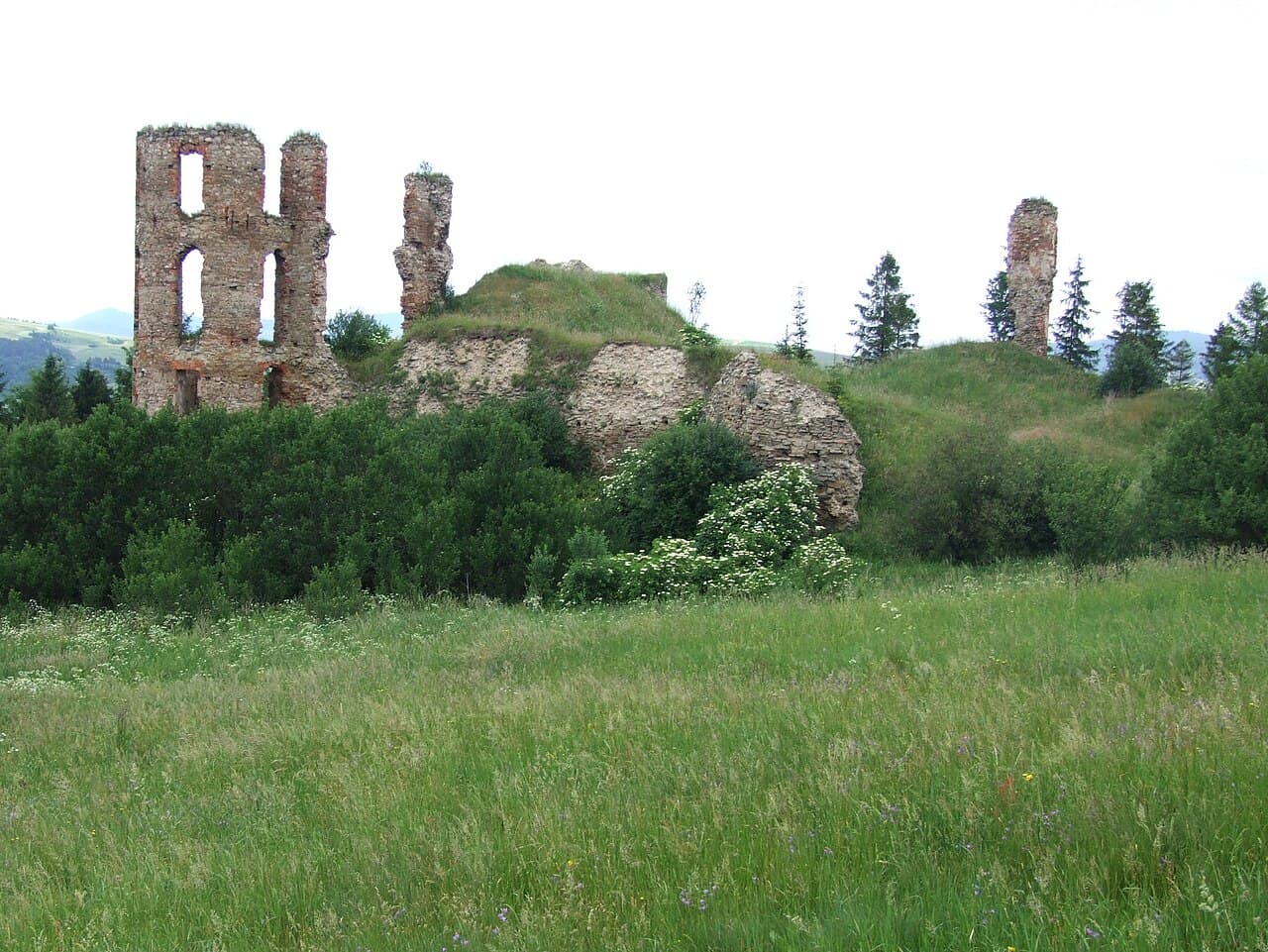
Today, only fragments of the castle survive. The 19th-century southern tower remains relatively well preserved, showcasing three levels of window openings. The Gothic tower and Renaissance bastions survive as small ruins, while a two-story building wall that stood until the mid-20th century has collapsed. The remains of the southeastern wall and a circular bastion are visible, alongside partial walls of residential wings and a northern artillery bastion.
Historical significance and preservation efforts
Plaveč Castle holds significant cultural and historical value as a witness to the shifting political and military landscape of medieval Slovakia and the Kingdom of Hungary. Its role in border defense, noble residence, and involvement in regional conflicts such as the Hussite wars and uprisings illustrates its strategic importance.
Since the late 20th century, the castle has been recognized as a valuable archaeological site. Preservation and stabilization efforts have been supported by the Slovak Ministry of Culture and European funds, aiming to protect the remaining structures and promote public awareness of this heritage site. These efforts include stabilizing walls and bastions and engaging local communities in conservation activities.
Visitor information and cultural context
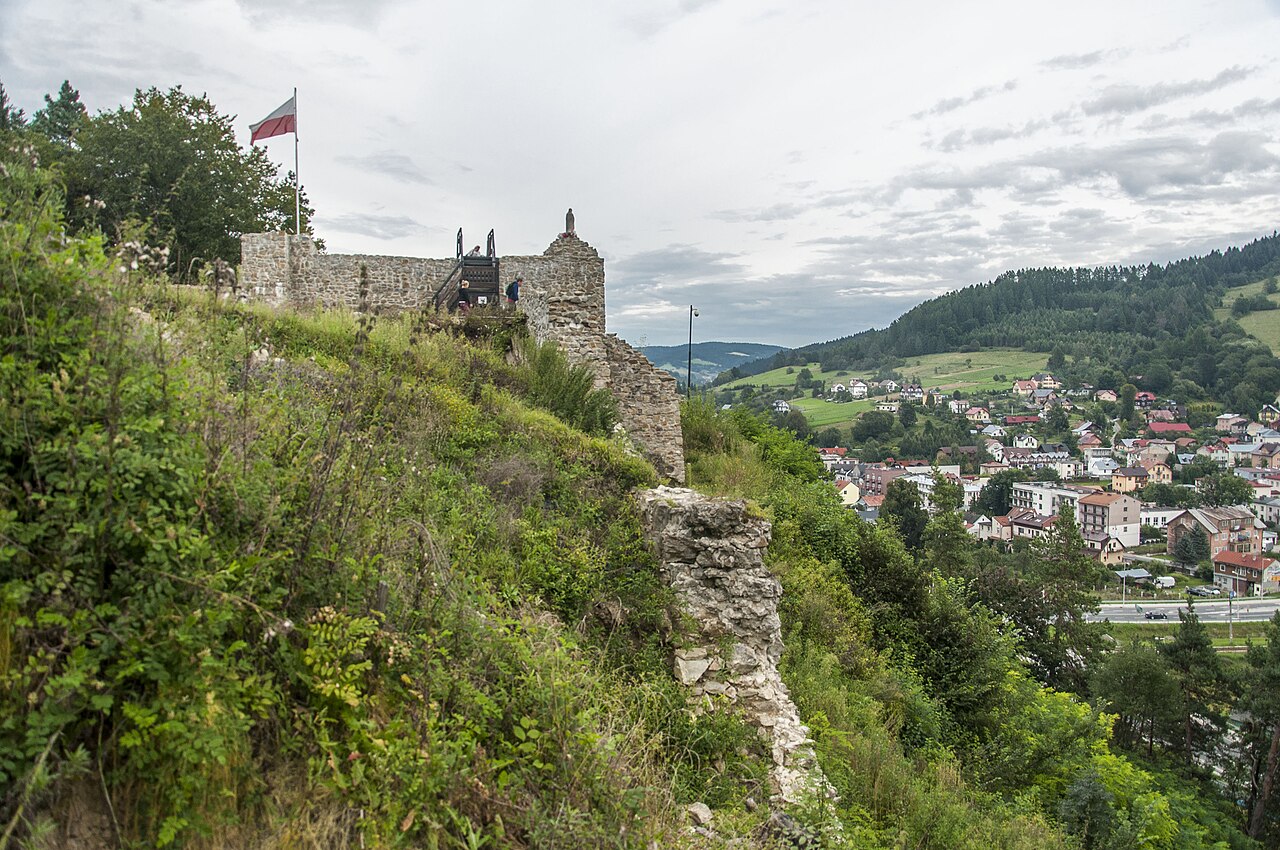
Though in ruins, Plaveč Castle is accessible to visitors interested in medieval history and architecture. Its hilltop location offers panoramic views of the surrounding landscape, enhancing the visitor experience. The site is a popular destination for hiking and cultural tourism in the Prešov region of Slovakia.
The castle's layered history, from its 13th-century origins through Renaissance transformations and 19th-century adaptations, provides a rich narrative for historians and enthusiasts alike. Its ruins stand as a testament to the resilience and evolution of medieval fortifications in Central Europe.
Frequently asked questions (FAQ)
- What are the opening hours for Plawecz Castle?
- Plawecz Castle is open to visitors from Tuesday to Sunday, from 10 AM to 6 PM. It is closed on Mondays, so plan your visit accordingly to ensure you have enough time to explore the grounds and learn about the castle's history.
- Can I take guided tours of Plawecz Castle?
- Yes, guided tours are available at Plawecz Castle, providing visitors with in-depth knowledge about its historical significance and architectural features. Tours typically last around an hour and are conducted in multiple languages to accommodate international guests.
- When was Plawecz Castle built?
- Plawecz Castle was constructed in the early 14th century, reflecting the architectural styles of that period. It has undergone several renovations throughout the centuries, which have preserved its historical charm and significance.
- Is it possible to access Plawecz Castle with a wheelchair?
- While efforts have been made to improve accessibility at Plawecz Castle, some areas may still pose challenges for wheelchair users. It is recommended to contact the castle's administration in advance to inquire about specific accessibility options and available routes.
- What is the historical significance of Plawecz Castle?
- Plawecz Castle played a vital role in the regional defense system during its time and served as a residence for various noble families. Its rich history is marked by battles, treaties, and the evolution of architectural styles over the centuries.
- What are the ticket prices for entering Plawecz Castle?
- Ticket prices for Plawecz Castle are quite reasonable, with discounts available for students, seniors, and families. It is advisable to check the official website or contact the castle’s visitor center for the most current pricing and any special events that may affect admission fees.
- When is the best time to visit Plawecz Castle?
- The best time to visit Plawecz Castle is during the spring and early autumn months when the weather is mild and the surrounding landscapes are most beautiful. Additionally, these seasons often feature fewer crowds, allowing for a more enjoyable exploration of the castle and its grounds.
- Are there any nearby attractions to see when visiting Plawecz Castle?
- Yes, there are several nearby attractions worth visiting, including the charming town of Plawecz itself, local hiking trails, and other historical sites. Visitors can easily spend a full day exploring the castle and the surrounding area, making it a great destination for history and nature enthusiasts alike.
Photo gallery

Information
Website
Visit websiteSources & official resources
Verify the information above using these authoritative references.
Loading map...
Visitor reviews
No reviews yet. Been here? Write the first review and help other travelers!
Write the first reviewVisited this castle? Share your experience
Your review helps other travelers and adds first-hand knowledge to our encyclopedia.