Kamenica Castle — Slovakia castle

Kamenica Castle

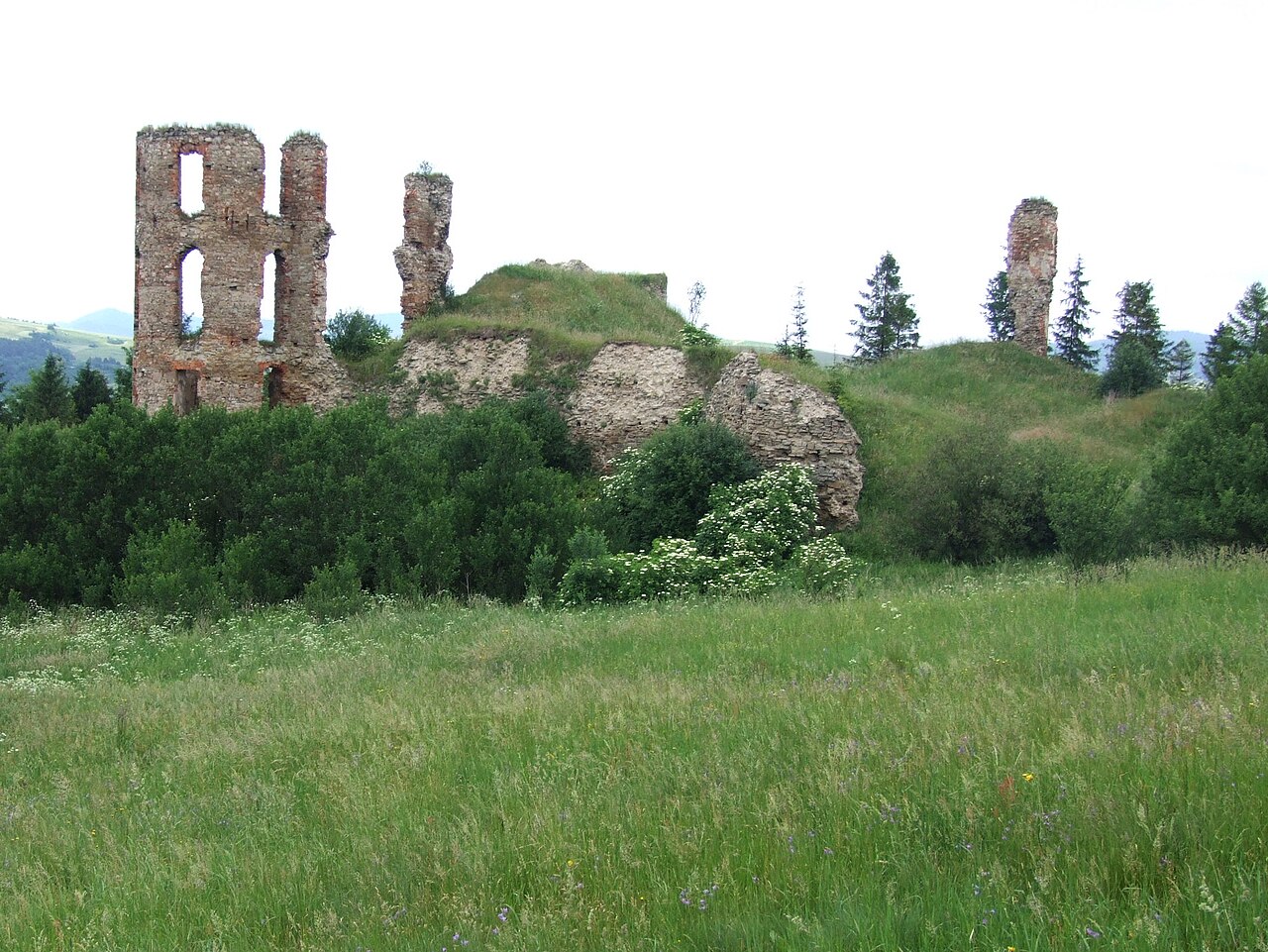
Kamenica Castle ruins in Slovakia
Contemporary (20th–21st c.)
Ruins

Kamenica Castle is a notable archaeological site located in Slovakia, recognized primarily for its ruined state and historical significance rather than its intact structures. Unlike many castles that have survived through the centuries with considerable preservation, Kamenica Castle exists today largely as archaeological ruins, offering valuable insights into the medieval fortifications that once stood on this site.

Historical context and location

The exact city or town location of Kamenica Castle within Slovakia is not definitively recorded in available sources, but it is generally understood to be situated on a hilltop, characteristic of many medieval castles built for defensive advantage. The castle's origins date back to a period earlier than the 20th century, contrary to some incorrect attributions, as most castles in the region were established during the medieval era. The designation of the castle as a contemporary structure is likely a misclassification, as the ruins reflect much older construction techniques and historical layers.

Architectural features and castle type

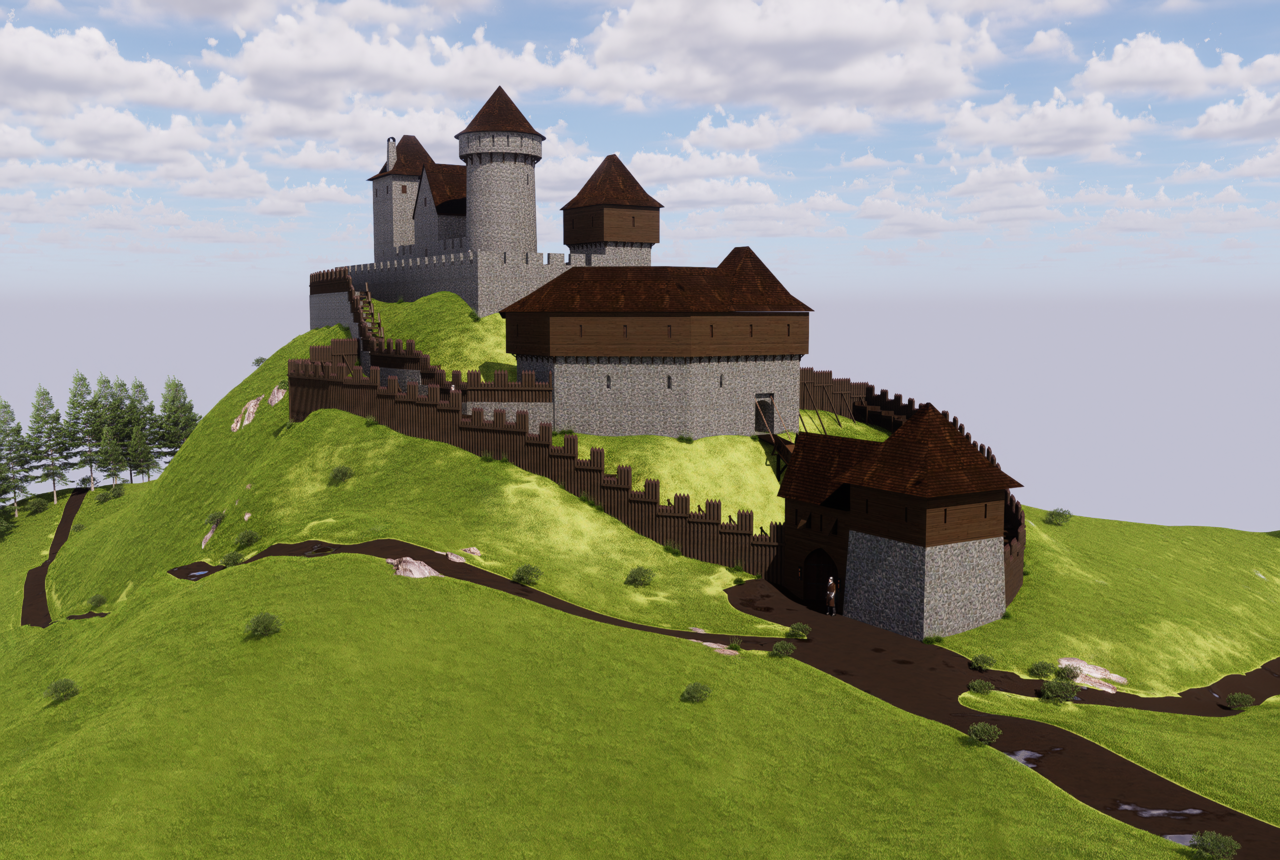
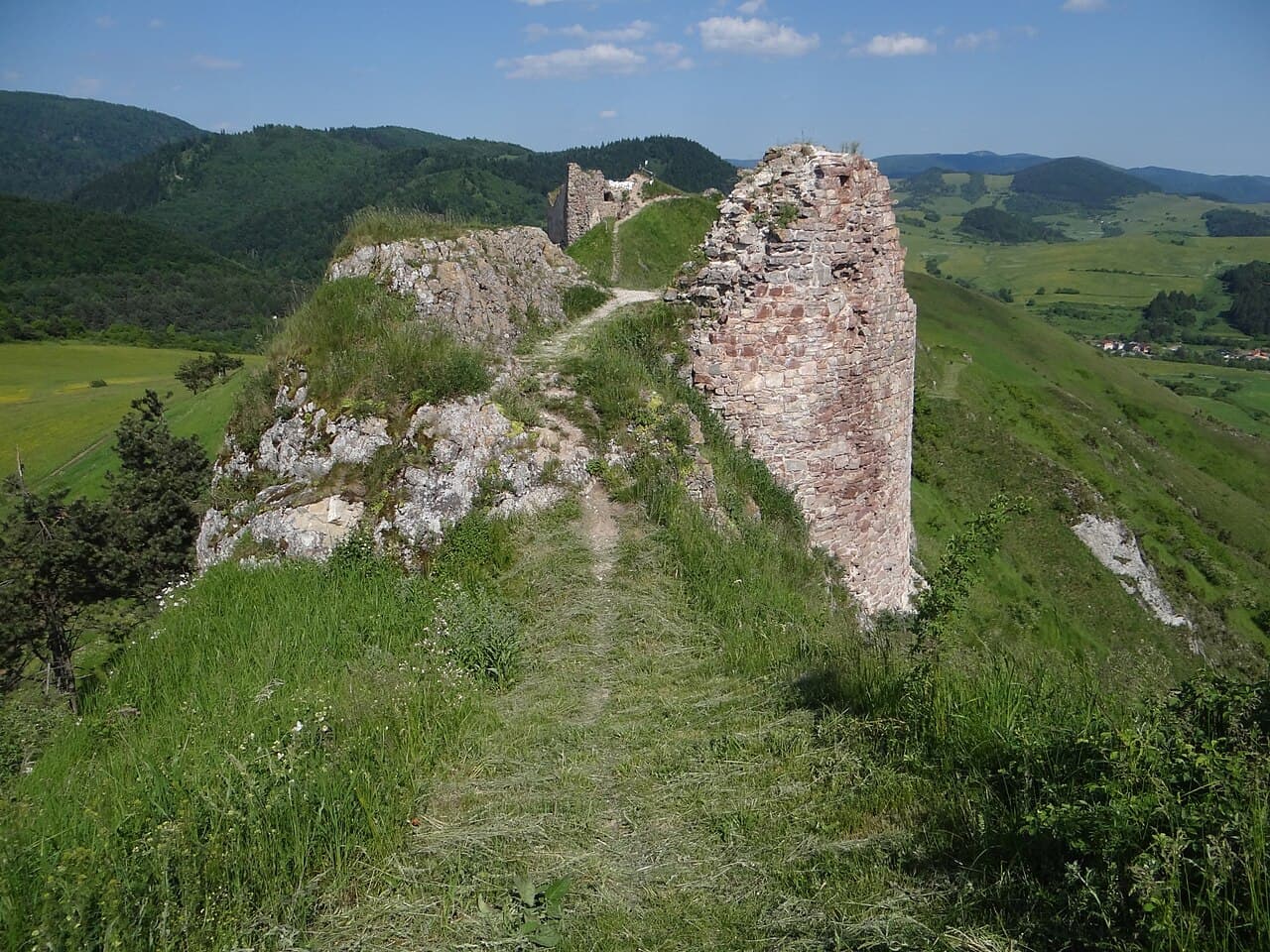
Kamenica Castle is classified as an archaeological ruins site, indicating that the remaining structures are fragmentary and primarily studied through excavation and historical research rather than standing architecture. The castle was likely a hill castle, built on elevated terrain to oversee and control the surrounding landscape.

Typical features of hill castles in Slovakia include stone defensive walls, remnants of towers, and possibly a keep or donjon that served as the last line of defense. Although much of Kamenica Castle's original structure has been lost, archaeological findings may reveal foundations, wall fragments, and other elements characteristic of medieval fortifications.

Historical significance and usage

While detailed historical records specific to Kamenica Castle are scarce, castles of this type in Slovakia often served as feudal seats or military strongholds during the High Medieval and Late Medieval periods. They functioned as centers of local governance, protection against invasions, and symbols of noble power.

The castle's ruinous condition suggests it was abandoned or destroyed several centuries ago, possibly due to military conflicts, changing political landscapes, or natural decay over time. Today, the site provides archaeologists and historians with material evidence to reconstruct aspects of medieval life and defense strategies in the region.

Current state and preservation

Kamenica Castle remains in a ruined condition, with no significant restoration efforts recorded. The site is primarily of interest for archaeological research and cultural heritage studies. Visitors to the location can observe the remnants of the castle's foundations and gain an understanding of its historical footprint within the Slovakian landscape.

Preservation of such ruins is important for maintaining the historical record and providing educational opportunities about medieval architecture and regional history.

Access and visitor information

Due to its status as an archaeological ruin, Kamenica Castle may not have formal tourist facilities or regular visiting hours. Access might be limited and require prior arrangement or guidance from local heritage organizations or archaeological authorities. Visitors interested in exploring the site should prepare for a more rugged experience typical of ruins rather than a fully developed tourist destination.

Frequently asked questions (FAQ)

What is Kamenica Castle known for?
Kamenica Castle is renowned for its striking medieval architecture and picturesque location in Slovakia. The castle has a rich history dating back to the 13th century, serving as a strategic fortress and a noble residence.
When was Kamenica Castle built?
Kamenica Castle was originally constructed in the 13th century, with significant renovations and expansions occurring over the centuries. The castle's architecture reflects various styles, showcasing its evolution through different historical periods.
Can I visit Kamenica Castle?
Yes, Kamenica Castle is open to visitors, offering a glimpse into its storied past and architecture. Guided tours are available, providing insightful information about the castle's history and significance.
What are the opening hours for Kamenica Castle?
Kamenica Castle typically opens to visitors from April to October, with specific hours varying by season. It's best to check the official website for the most accurate and up-to-date information regarding opening times.
Is it possible to access Kamenica Castle by public transportation?
Yes, Kamenica Castle is accessible by public transportation, with nearby bus and train services connecting to major cities in Slovakia. However, visitors may need to walk a short distance from the nearest stop to reach the castle.
What is the best time to visit Kamenica Castle?
The best time to visit Kamenica Castle is during the spring and fall months when the weather is mild, and the surrounding scenery is particularly beautiful. Summer can also be a great time, but it tends to attract more tourists.
Are there any nearby attractions to Kamenica Castle?
Yes, the area surrounding Kamenica Castle features several attractions, including picturesque hiking trails and charming Slovak villages. Visitors can also explore other historical sites and natural parks nearby, making for a full day of exploration.
How much do tickets cost for Kamenica Castle?
Ticket prices for Kamenica Castle are generally affordable, with discounts available for students, seniors, and groups. It’s advisable to check the official website for the latest pricing details and any special offers.

Photo gallery

Kamenica Castle
Click to view

Photo by Jerzy Opioła•CC BY-SA 4.0

1 photo • Click any image to view in full screen

Information

Archaeological Site / Ruins

Loading map...

Visitor reviews

No reviews yet. Been here? Write the first review and help other travelers!

Write the first review

Visited this castle? Share your experience

Your review helps other travelers and adds first-hand knowledge to our encyclopedia.
Write a review

(5/5)

0/2000 characters

Your review will be visible after admin approval

Nearby castles

5.1 km
Hanigovce Castle — Slovakia castle

Hanigovce Castle

, Slovakia

Hanigovce Castle is a late-medieval hill castle located in Slovakia, dating back to the 14th century. Although now in ruins, it represents an important example of medieval fortification architecture in the region. The castle's elevated position atop a hill provided a strategic vantage point for defense and control over the surrounding landscape.Historical background and significanceConstructed during the 14th century, Hanigovce Castle was part of a network of fortresses built to secure territorial boundaries and protect local settlements from invasions and raids. The castle's establishment aligns with the broader trend of castle-building in late-medieval Slovakia, a period marked by political fragmentation and frequent conflicts among noble families and external forces.Throughout its history, Hanigovce Castle served as a military stronghold and a residence for regional nobility. Its ownership changed hands several times, reflecting the turbulent political landscape of medieval Central Europe. The castle's decline began in the early modern period as military technology evolved and the need for such fortifications diminished.Architectural features and layoutHanigovce Castle exemplifies the typical characteristics of a hill castle designed for defense and surveillance. The castle was constructed with robust stone walls that followed the natural contours of the hill, enhancing its defensive capabilities. Remnants of curtain walls and defensive towers can still be observed, indicating a well-planned fortification system.The castle's layout likely included a central courtyard surrounded by residential and service buildings, although much of the superstructure has not survived. Defensive elements such as battlements, arrow slits, and possibly a gatehouse would have been integral parts of the design, allowing defenders to repel attackers effectively.Defensive structuresThe surviving ruins suggest the presence of multiple defensive towers strategically placed to cover vulnerable approaches. These towers would have provided elevated positions for lookouts and archers. The thick walls and elevated position made direct assaults difficult, contributing to the castle's initial resilience.Current condition and preservationToday, Hanigovce Castle stands as a ruin, with only partial remains of its original structures visible. The site is accessible to visitors interested in medieval history and castle architecture, though facilities and interpretive materials may be limited. Preservation efforts focus on stabilizing the existing ruins to prevent further deterioration.Visiting Hanigovce CastleWhile the castle does not have extensive visitor amenities, it offers a glimpse into Slovakia's medieval past and the strategic importance of hill castles. Visitors can explore the ruins and enjoy panoramic views of the surrounding countryside. The site is suitable for those interested in history, architecture, and hiking.Accessibility and visitor informationThe castle is reachable by hiking trails from nearby villages, though exact access points may vary. Visitors are advised to wear appropriate footwear and be prepared for uneven terrain. There are no entrance fees, making it an accessible destination for casual tourists and history enthusiasts alike.Hanigovce Castle in the context of Slovak medieval fortificationsHanigovce Castle is part of Slovakia's rich heritage of medieval fortresses that illustrate the region's complex feudal history. Its strategic hilltop location and architectural features reflect common defensive principles employed in Central European castles of the late-medieval period. Despite its ruined state, Hanigovce contributes valuable insights into the military architecture and noble residences of its era.

Late Medieval (14th–15th c.)
Details
11.1 km
Plawecz — Slovakia castle

Plawecz

Plawecz, Slovakia

Plaveč Castle stands as a poignant reminder of medieval fortifications in Slovakia, perched on a high hill overlooking the village of Plaveč. Built in 1294 during the high medieval period, this hill castle was strategically positioned to guard the former Polish-Hungarian border and a vital trade route. Its origins trace back to the initiative of the Hungarian king Ondrej III and the Spiš noble family, specifically the knight Ditrich from Spiš or his son Arnold, who likely constructed the initial stone watchtower that formed the castle's core. Early history and royal patronage The castle's early role was primarily military, serving as a border fortress to control and protect the frontier region. In 1317, King Charles Robert (Karol I. Róbert) granted Plaveč Castle to his loyal supporter Filip Drugeth, who expanded the fortress beyond its original tower. The Drugeth family maintained possession until their extinction, after which the castle reverted to royal ownership. Around 1400, King Sigismund of Luxembourg bestowed the castle upon the noble Bebek family, marking a new chapter in its history. Turbulent times: hussite wars and fortification efforts During the mid-15th century, the castle witnessed conflict amid the Hussite wars. It was seized by the Hussite Brotherhood under the leadership of Petr Aksamit, who used it as a stronghold until his death in 1458. Subsequently, the castle was entrusted to Imrich Zapolsky, who undertook significant reconstruction and fortification to strengthen its defenses. By 1505, the castle became the property of Michał Horváth from Wielka Łomnica, whose family, later known as Palocsay, retained ownership for centuries. Renaissance transformation and later adaptations The late 16th century saw a notable renaissance-style expansion under Jerzy, Michał Horváth's grandson. He added corner defensive bastions connected by walls, creating a closed courtyard with new residential buildings. This transformation reflected the era's architectural trends, blending military function with increased domestic comfort. In 1830, the castle underwent its last major reconstruction initiated by Ferdinand Horváth-Palocsaye. This renovation stripped the castle of its defensive features, converting it into a neoclassical manor. Unfortunately, a devastating fire in 1856 severely damaged the structure, and the extinction of the Palocsay family in 1857 led to the castle's abandonment and gradual decay. Architectural features and surviving remains Originally, Plaveč Castle featured a massive residential tower approximately 9 by 8 meters in size, with walls nearly three meters thick, indicative of its defensive purpose. Over time, the complex expanded to include a palace with representative wings, a chapel, and defensive bastions. Renaissance modifications introduced larger windows and additional bastions, enhancing both comfort and fortification. Today, only fragments of the castle survive. The 19th-century southern tower remains relatively well preserved, showcasing three levels of window openings. The Gothic tower and Renaissance bastions survive as small ruins, while a two-story building wall that stood until the mid-20th century has collapsed. The remains of the southeastern wall and a circular bastion are visible, alongside partial walls of residential wings and a northern artillery bastion. Historical significance and preservation efforts Plaveč Castle holds significant cultural and historical value as a witness to the shifting political and military landscape of medieval Slovakia and the Kingdom of Hungary. Its role in border defense, noble residence, and involvement in regional conflicts such as the Hussite wars and uprisings illustrates its strategic importance. Since the late 20th century, the castle has been recognized as a valuable archaeological site. Preservation and stabilization efforts have been supported by the Slovak Ministry of Culture and European funds, aiming to protect the remaining structures and promote public awareness of this heritage site. These efforts include stabilizing walls and bastions and engaging local communities in conservation activities. Visitor information and cultural context Though in ruins, Plaveč Castle is accessible to visitors interested in medieval history and architecture. Its hilltop location offers panoramic views of the surrounding landscape, enhancing the visitor experience. The site is a popular destination for hiking and cultural tourism in the Prešov region of Slovakia. The castle's layered history, from its 13th-century origins through Renaissance transformations and 19th-century adaptations, provides a rich narrative for historians and enthusiasts alike. Its ruins stand as a testament to the resilience and evolution of medieval fortifications in Central Europe.

High Medieval (11th–13th c.)
Details
12.9 km
Hamborek — Slovakia castle

Hamborek

, Slovakia

Hamborek Castle is a notable hill castle located in Slovakia, distinguished by its medieval origins and strategic placement atop a prominent hill. Although the exact city location remains uncertain, the castle's remains offer insight into the defensive architecture typical of the High Medieval period. Historical background and significance The castle was likely constructed during the 13th or 14th century, a time when many fortifications were established across the region to assert control over trade routes and defend against invasions. Hamborek Castle served as a local stronghold, overseeing the surrounding landscape and providing refuge during times of conflict. Throughout its history, the castle played a role in regional power struggles, including skirmishes related to the Hungarian Kingdom's territorial disputes. Its elevated position allowed occupants to monitor approaching forces effectively. Architectural features and layout As a hill castle, Hamborek was constructed to maximize natural defensive advantages. The castle's layout includes remnants of thick stone walls adapted to the uneven terrain, with evidence of a keep or central tower that would have served as the last line of defense. The site also features traces of curtain walls and possible gatehouses, designed to control access. Defensive elements such as battlements and arrow slits would have been incorporated to enhance protection against attackers. Materials and construction techniques Builders utilized locally sourced stone, which provided durability and strength. The masonry reflects typical medieval methods, with rough-hewn blocks carefully fitted to create robust walls capable of withstanding sieges. Decline and current condition Over time, Hamborek Castle fell into disuse, likely during the Late Medieval period or early modern era, as advances in military technology and changes in political power rendered hill castles less strategically valuable. Today, Hamborek Castle exists as partially preserved ruins. Visitors can explore the remaining walls and foundations, which offer a tangible connection to the region's medieval past. Cultural heritage and tourism While not as widely known as some Slovak castles, Hamborek holds cultural significance as part of Slovakia's rich medieval heritage. Efforts to maintain and protect the site help preserve its historical value. The castle attracts history enthusiasts and hikers who appreciate its scenic hilltop views and the opportunity to explore medieval architecture in a natural setting. Visiting information Access to Hamborek Castle is generally open to the public, though facilities may be limited due to its ruinous state. Visitors are encouraged to wear appropriate footwear for uneven terrain and to respect preservation efforts.

High Medieval (11th–13th c.)
Details