Pillau Fortress
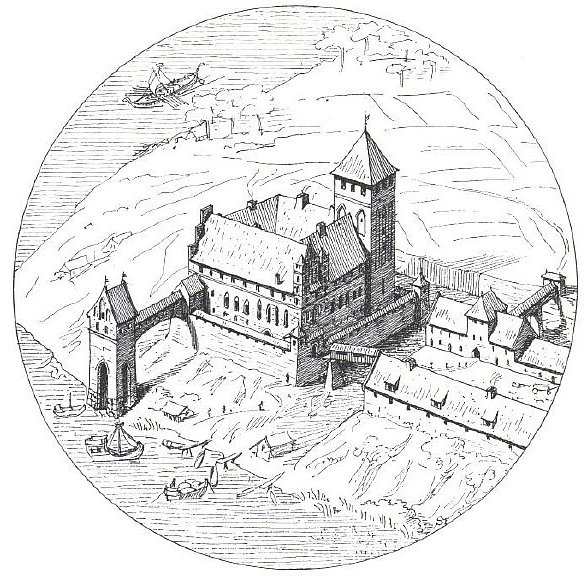
Pillau Fortress is a notable Renaissance bastioned fortress located in Baltiysky, Russian Federation. Its origins date back to 1550 when the earliest fortifications were constructed to protect this strategic port of the Duchy of Prussia. The fortress occupies a significant place in the military history of the Baltic region, especially during the turbulent period of the Thirty Years' War.
Early history and strategic importance
The port of Pillau was a critical maritime gateway on the Baltic Sea, serving the Duchy of Prussia. Its location made it a valuable asset for controlling naval access and trade routes. The initial fortifications were relatively modest but sufficient to defend the harbor against small-scale attacks and piracy common in the mid-16th century.
During the Thirty Years' War (1618–1648), the fortress gained greater military significance. In 1626, the Swedish king Gustavus Adolphus landed at Pillau with reinforcements following a decisive victory over the Polish-Lithuanian Commonwealth. This event underscored Pillau's strategic value as a military foothold in the Baltic region.
Swedish occupation and star fort construction
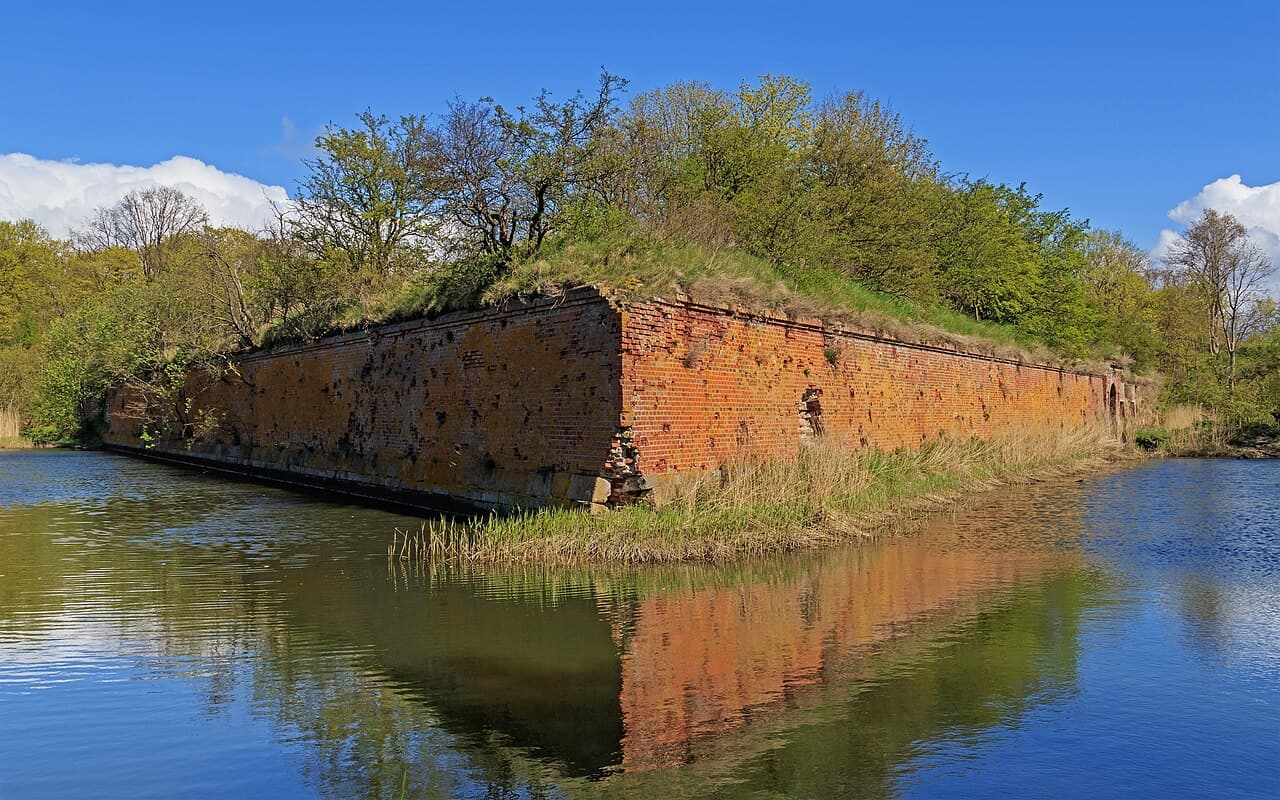
Following the 1629 Treaty of Altmark ceasefire, the Swedes retained control of Pillau and initiated major upgrades to its defenses. They constructed a star fort, an advanced bastioned fortification design that was highly effective against artillery assaults. This star fort layout remains one of Pillau's most recognizable architectural features and a landmark of military engineering from the Renaissance period.
The star fort consisted of angular bastions projecting outward from the main walls, allowing defenders to cover all approaches with overlapping fields of fire. The design minimized blind spots and maximized the fortress's resilience to cannon fire, reflecting the evolution of military architecture in the 17th century.
Prussian completion and 18th-century developments
After Swedish control ended, the fortress was further developed by the Prussians, who completed the final construction phases by 1670. The Prussian enhancements maintained the star fort design while adapting it to contemporary military needs. Throughout the 18th century, Pillau Fortress remained a key defensive structure, guarding the approaches to the Prussian territories and the Baltic coast.
19th-century events and architectural updates
In June 1807, during the Napoleonic Wars, Pillau was stormed by Napoleon's Grand Army. This assault was part of the wider conflict that reshaped European power dynamics. Despite this notable event, the fortress did not witness further major military engagements in the 19th century.
Records from an 1890 publication mention a Scottish 'Colony' established in Pillau around 1815, though the authenticity of this claim remains uncertain. Architecturally, the fortress underwent significant updates in 1871 under Prussian direction, including the rebuilding and modernization of its defensive structures to keep pace with advances in artillery and military technology.
The lighthouse at Pillau Fortress was raised to a height of 31 meters, serving as a vital navigational aid for ships entering the harbor. This lighthouse remains an important feature of the fortress complex.
Architectural features and layout
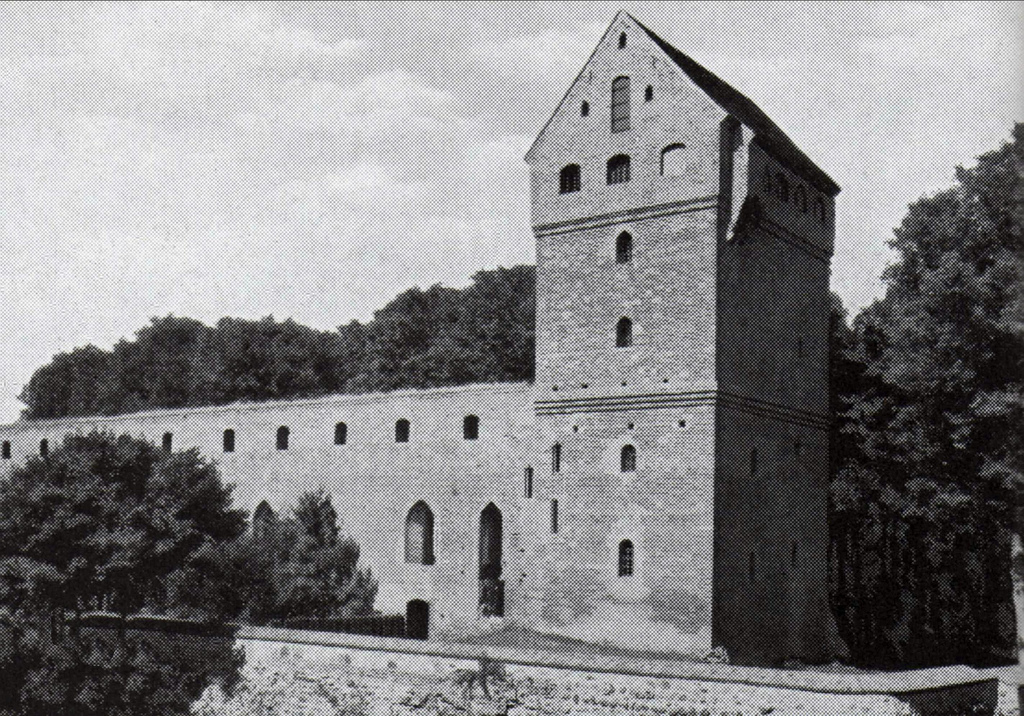
The fortress exemplifies the bastioned fortress typology characteristic of the Renaissance military architecture. Its star-shaped layout with pointed bastions allowed for comprehensive defensive coverage. Thick curtain walls, moats, and earthworks complemented the stone fortifications, enhancing resistance to siege and bombardment.
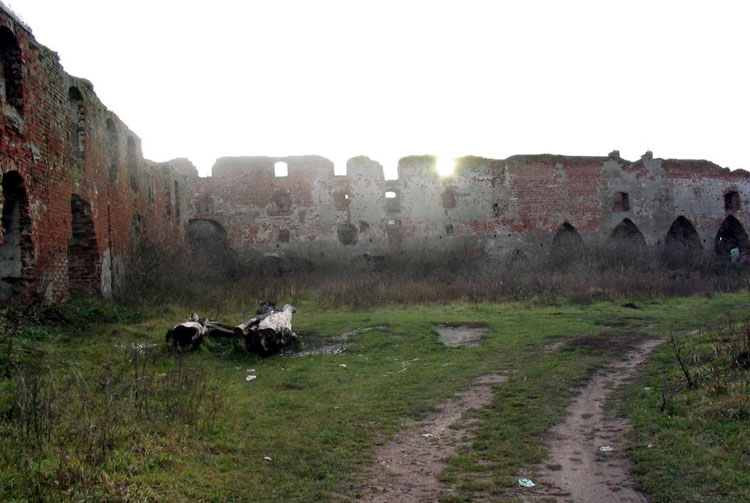
Inside the fortress, there were barracks, armories, magazines, and command buildings arranged around a central courtyard. The design balanced defensive needs with the operational requirements of a garrisoned stronghold.
Current status and cultural significance
Today, Pillau Fortress is a well-preserved historic site housing a naval museum that showcases the maritime and military heritage of the region. Visitors can explore the fortress's bastions, walls, and the lighthouse, gaining insight into the evolution of fortification design from the Renaissance through the 19th century.
The fortress stands as a testament to the complex history of the Baltic Sea region, reflecting the shifting control among regional powers such as the Duchy of Prussia, Sweden, and Prussia. Its architectural and historical significance attracts scholars, tourists, and military history enthusiasts alike.
Frequently asked questions (FAQ)
- What is the historical significance of Pillau Fortress?
- Pillau Fortress, built in the 19th century, played a crucial role in the defense of the Baltic Sea. It served as a military stronghold and has witnessed numerous historical events, including conflicts during both World Wars. Today, it stands as a testament to military architecture and the region's maritime history.
- When was Pillau Fortress constructed?
- Construction of Pillau Fortress began in 1843 and was completed in 1857. The fortress was designed to protect the entrance to the port of Pillau, now known as Baltiysky, and has been a significant landmark since its establishment.
- Is it possible to visit Pillau Fortress?
- Yes, Pillau Fortress is open to visitors, allowing you to explore its impressive architecture and learn about its history. Guided tours are often available, providing insights into the fortress's past and its role in regional defense.
- What are the opening hours for Pillau Fortress?
- Pillau Fortress typically operates from 10 AM to 6 PM, but it's advisable to check for specific seasonal variations. During holidays, opening hours may differ, so visiting their official website or contacting them directly for the latest information is recommended.
- Can I access Pillau Fortress by public transport?
- Yes, Pillau Fortress is accessible by public transport, with several bus routes serving the area. It's a short walk from the nearest bus stop to the fortress, making it convenient for visitors relying on public transportation.
- What is the best time to visit Pillau Fortress?
- The best time to visit Pillau Fortress is during the late spring and early autumn months when the weather is mild and pleasant. This period allows for comfortable exploration of the grounds and outdoor activities without the harsh winter cold.
- Are there any nearby attractions to explore?
- Yes, there are several nearby attractions, including the beautiful beaches along the Baltic Sea and the historical town of Baltiysky. Visitors can also explore other military installations and museums in the region that highlight the area's rich maritime heritage.
- What are the ticket prices for visiting Pillau Fortress?
- Ticket prices for Pillau Fortress are generally affordable, with discounts available for students and seniors. It's best to check the official website for the most current pricing and any special offers that may be available during your visit.

Information
Loading map...
Visitor reviews
No reviews yet. Been here? Write the first review and help other travelers!
Write the first reviewVisited this castle? Share your experience
Your review helps other travelers and adds first-hand knowledge to our encyclopedia.