Benton Castle
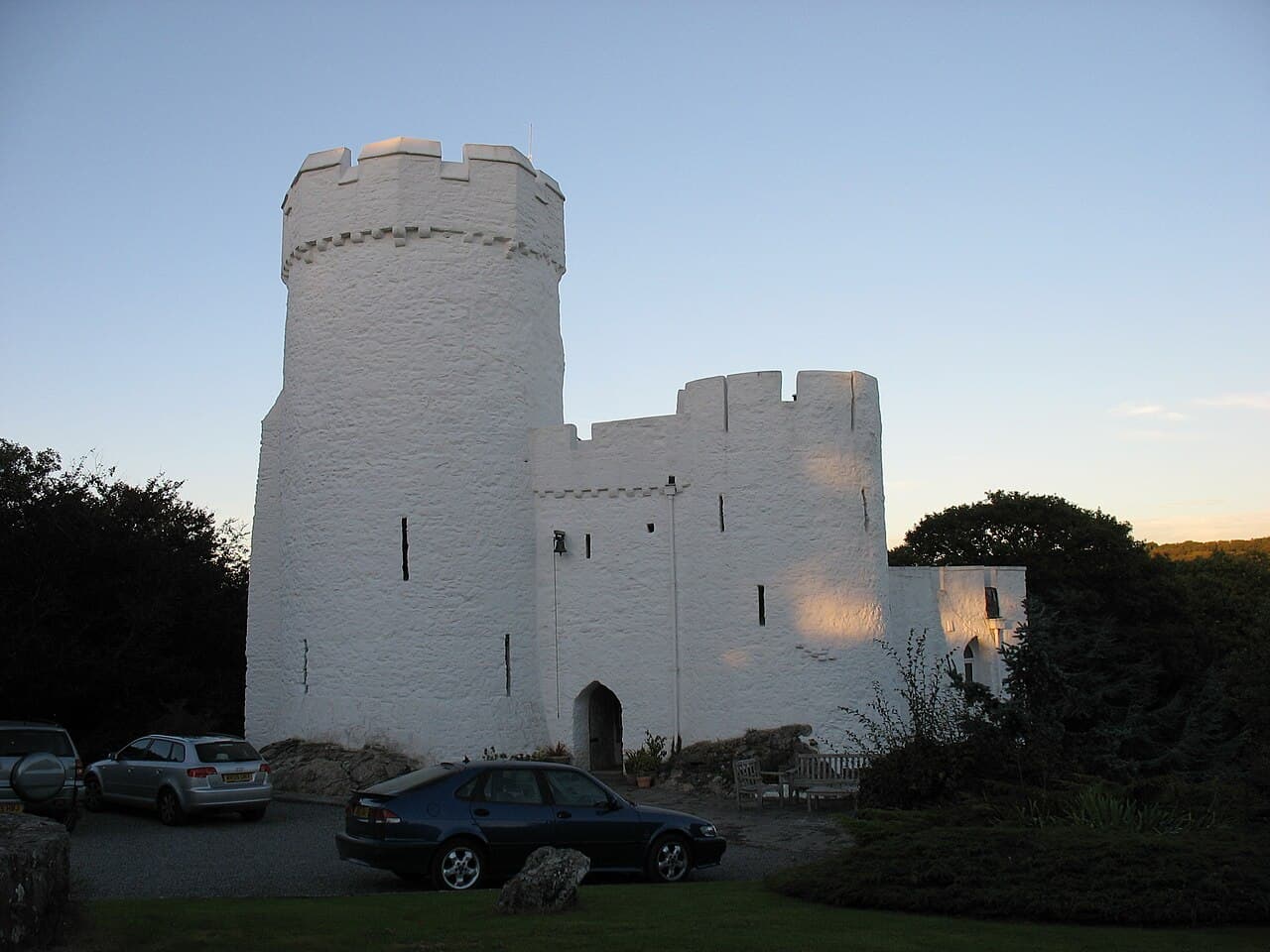
Benton Castle is a modest 13th-century hill castle located in the community of Burton, Pembrokeshire, Wales. Positioned on a wooded hillside, it commands views over the Eastern Cleddau river, a historically significant waterway that was once a busy route for trade and transportation. The castle's strategic location was part of a network of fortifications designed to protect the boundaries of the ancient Hundred of Rhos.
Historical context and origins
The precise origins of Benton Castle remain somewhat obscure, but it is generally accepted that the castle was constructed in the 13th century during the High Medieval period. This era saw the establishment of numerous small fortifications across Pembrokeshire, reflecting the turbulent political landscape and the need to secure territorial boundaries. Benton Castle was one of several castles that played a role in the defense and administration of the region.
In the 14th century, the castle was held by Thomas de Roche, Lord of Llangwm, indicating its importance within the local feudal hierarchy. Historical records, including a 1583 map of Pembrokeshire, depict Benton Castle on the west bank of the Eastern Cleddau, then known as "Clethy." The castle is also mentioned by the antiquarian George Owen in 1603, underscoring its continued recognition into the early modern period.
Architectural features and layout
Benton Castle is a small fortification typical of minor defensive sites from the medieval period. While much of its original structure has been altered or incorporated into a private residence, key elements of the castle's architecture remain discernible. The castle was likely constructed with a stone curtain wall enclosing a courtyard, with a central keep or tower serving as the main defensive stronghold and living quarters.
The site benefits from natural defensive advantages due to its elevated position and proximity to the river, which would have provided a natural moat-like barrier on one side. The wooded surroundings add to the seclusion and defensibility of the castle. Although detailed archaeological surveys are limited, the castle's layout suggests a compact design focused on practical defense rather than grandiose display.
Later history and current status
By the late medieval and early modern periods, Benton Castle's military importance diminished, reflecting broader changes in warfare and regional stability. The castle transitioned from a defensive stronghold to a private residence, a role it continues to fulfill today. Its adaptation into a home has preserved the site from complete ruin, though this has also altered some of its original medieval features.
The castle's location overlooking the Cleddau river situates it within an area rich in maritime and trading history. The river was a busy route until recent centuries, contributing to the strategic value of Benton Castle's site. Today, the castle remains a private property, nestled within a wooded landscape that enhances its historic charm and seclusion.
Significance within Pembrokeshire's castle landscape
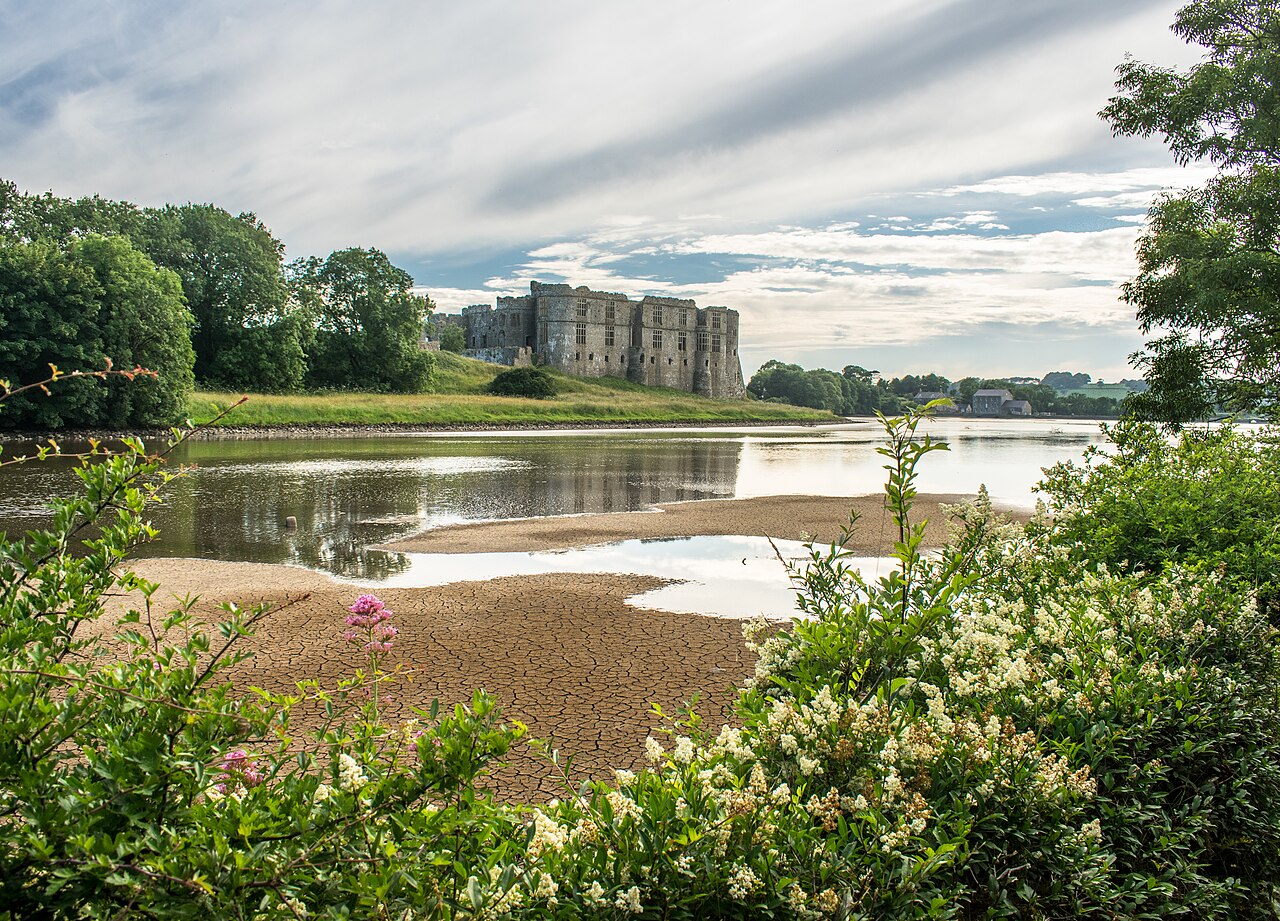
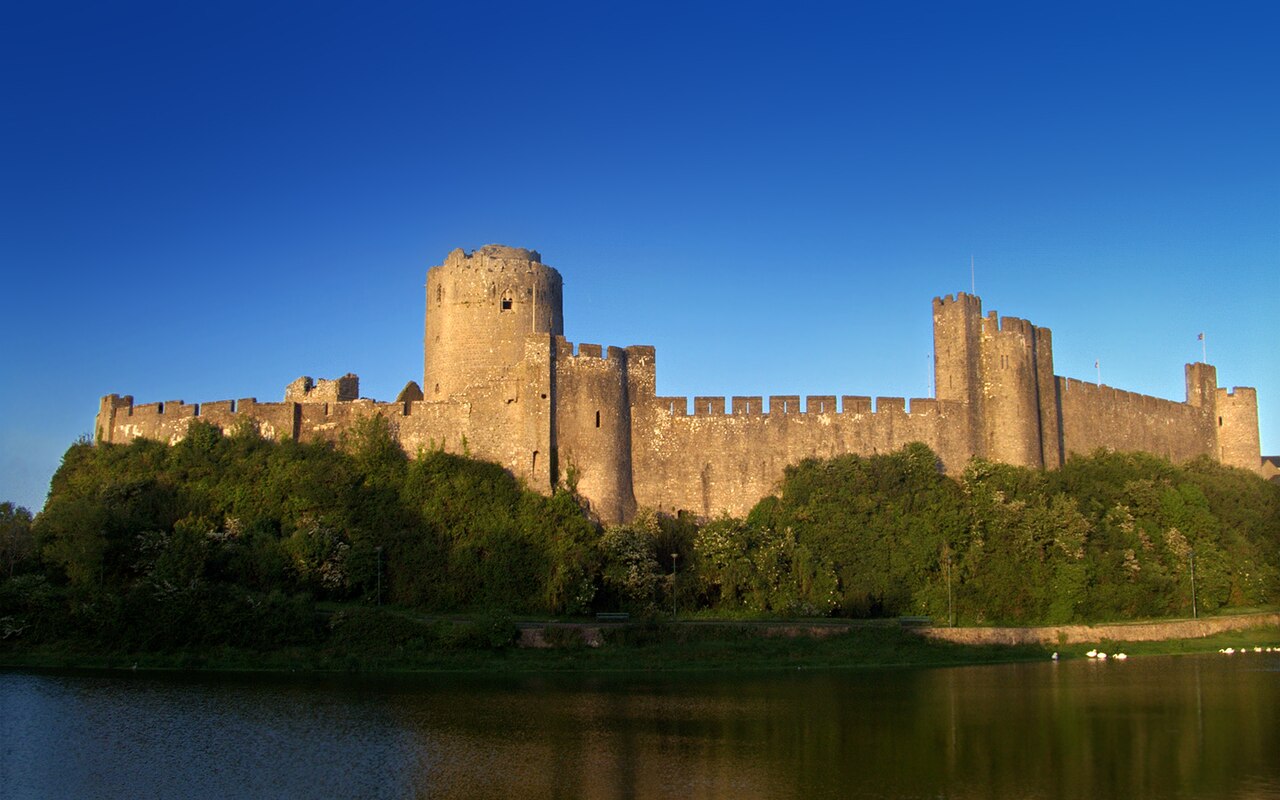
Benton Castle is part of Pembrokeshire's extensive medieval castle heritage, which includes more prominent sites like Pembroke Castle and Carew Castle. While smaller and less well-known, Benton Castle offers valuable insight into the network of minor fortifications that supported regional defense and governance. Its survival as a private residence allows for the continued appreciation of medieval architecture adapted to modern use.
The castle's historical associations with local nobility and its presence on early maps highlight its role in the social and political fabric of medieval Pembrokeshire. Benton Castle exemplifies the smaller-scale fortifications that were integral to controlling territory and asserting lordly power during the High Medieval period.
Frequently asked questions (FAQ)
- What are the opening hours for Benton Castle?
- Benton Castle is open to visitors from 10 AM to 5 PM, Tuesday through Sunday. The castle is closed on Mondays, except for bank holidays when special events may be held.
- When was Benton Castle built?
- Benton Castle was constructed in the 12th century, showcasing a blend of Norman and medieval architectural styles. Its rich history reflects the strategic importance of the area during various historical periods.
- Can I take photographs inside Benton Castle?
- Yes, visitors are welcome to take photographs inside Benton Castle, although flash photography may be restricted in certain areas to protect the historical artifacts. Be sure to check for any specific guidelines upon entry.
- Is Benton Castle accessible for those with mobility challenges?
- Benton Castle strives to be accessible to all visitors. There are pathways and ramps to facilitate access, but some areas may have limited accessibility due to the castle's historic architecture.
- What is the ticket price for visiting Benton Castle?
- The standard ticket price for adults is £10, while children under 12 can enter for £5. Family tickets are also available, providing a cost-effective way for families to enjoy this historic site together.
- When is the best time to visit Benton Castle?
- The best time to visit Benton Castle is during the spring and early autumn months when the weather is mild and the gardens are in bloom. These seasons typically see fewer crowds, allowing for a more enjoyable experience.
- What nearby attractions can I explore after visiting Benton Castle?
- After visiting Benton Castle, you can explore the beautiful Burton Abbey and the scenic River Trent. Additionally, the nearby National Forest offers various outdoor activities and picturesque walking trails.
- Why is Benton Castle historically significant?
- Benton Castle is historically significant as it played a crucial role in the defense and governance of the region during medieval times. Its architecture and preserved artifacts provide insight into the life and society of that era.
Photo gallery

Information
Loading map...
Visitor reviews
No reviews yet. Been here? Write the first review and help other travelers!
Write the first reviewVisited this castle? Share your experience
Your review helps other travelers and adds first-hand knowledge to our encyclopedia.