Piccolomini Castle (Balsorano)
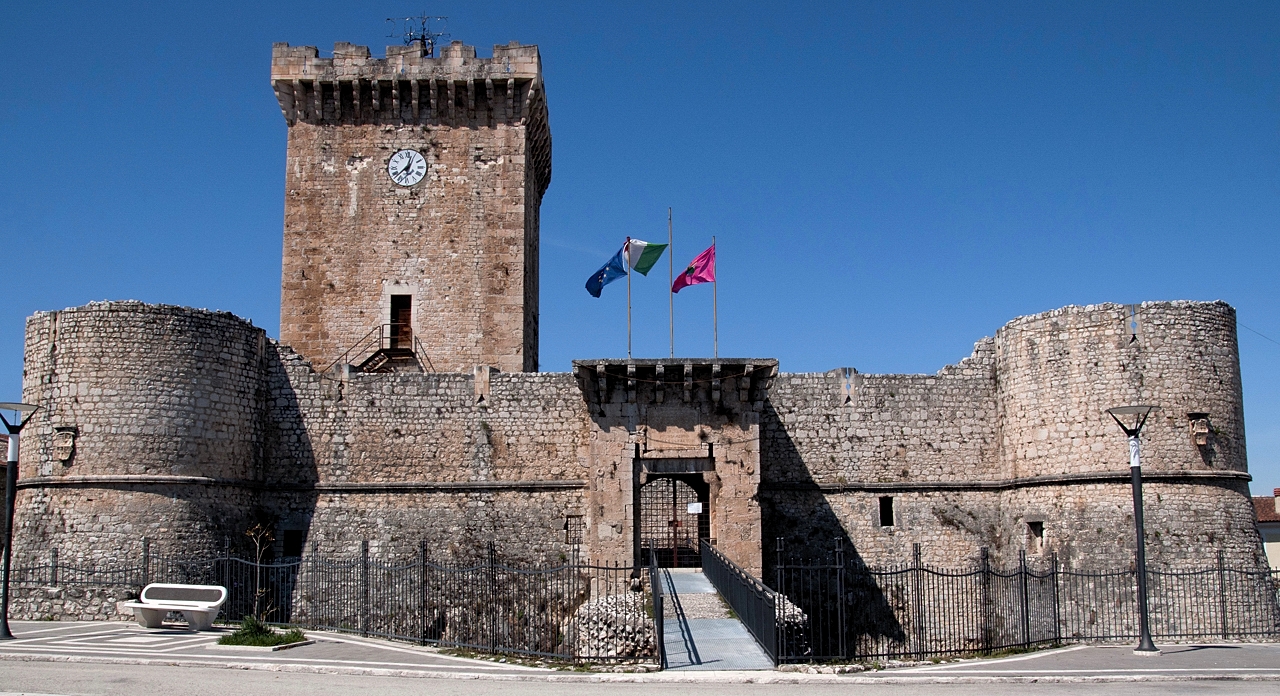
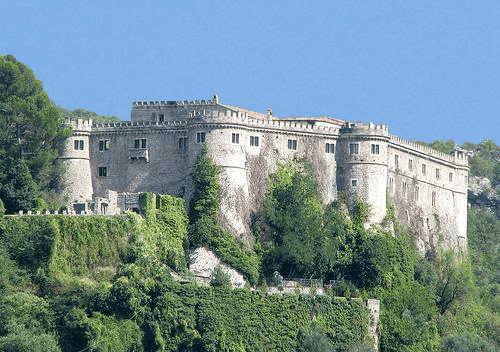
Piccolomini Castle, located in Balsorano in the Province of L'Aquila, Abruzzo, Italy, is a notable example of a late medieval hill castle with Renaissance influences. Constructed in the 15th century, this castle reflects the architectural transition from the Middle Ages to the Renaissance period, combining defensive features with elements of residential comfort and style.
Historical background and significance
The castle was built by the prominent Piccolomini family, an influential noble family originally from Siena, known for their political and ecclesiastical power during the late Middle Ages and Renaissance. The family's rise included producing two popes, Pius II and Pius III, which underscores their importance in Italian history. The construction of the castle in Balsorano served both strategic and residential purposes, overseeing the surrounding territory and asserting the family's status in the region.
During the 15th century, Italy was a patchwork of city-states and feudal territories, making fortified residences like Piccolomini Castle essential for defense and control. The castle's location on a hilltop provided a commanding view of the surrounding landscape, enhancing its defensive capabilities and symbolizing the power of its owners.
Architectural features and layout
Defensive structures
Piccolomini Castle is classified as a hill castle, built on elevated terrain to maximize defense. Its design includes robust stone walls that enclose the complex, with battlements and towers strategically placed for surveillance and protection against invaders. The castle's walls are thick and constructed from local stone, characteristic of Abruzzo's medieval fortifications.
The entrance is typically fortified, often featuring a gatehouse and possibly a drawbridge or portcullis, although specific details of these features at Piccolomini Castle are less documented. The castle's elevated position and defensive walls made it difficult to besiege, a common necessity during the turbulent political climate of the 15th century.
Residential and Renaissance elements
While primarily a fortress, Piccolomini Castle also incorporates elements of Renaissance architecture, reflecting the period's evolving tastes and the family's desire for a comfortable residence. This includes larger windows, more refined interior spaces, and decorative details that contrast with the purely military aspects of the structure.
The castle likely contained a central courtyard, living quarters, a great hall, and chapels or private chapels, which were common in noble residences of the time. These features illustrate the dual role of the castle as both a defensive stronghold and a noble home.
Preservation and current condition
Piccolomini Castle in Balsorano is well preserved, maintaining much of its original structure and architectural integrity. Over the centuries, it has undergone various restorations to preserve its historical and cultural significance. Today, it stands as a testament to the region's medieval and Renaissance heritage, attracting visitors interested in history, architecture, and Italian nobility.
Visiting Piccolomini Castle
The castle is accessible to the public, offering visitors the opportunity to explore its historic walls, towers, and interior spaces. Guided tours often highlight the castle's architectural features, historical context, and the legacy of the Piccolomini family. The surrounding Abruzzo region provides a picturesque backdrop, with natural landscapes and other cultural sites nearby.
Architectural context within Abruzzo
Piccolomini Castle exemplifies the typical hill castles of Abruzzo, which were designed to leverage the mountainous terrain for defense. The region's castles often blend military functionality with residential comfort, reflecting the complex social and political environment of medieval Italy. The castle contributes to the understanding of feudal power structures and architectural evolution in central Italy.
Photo gallery

Information
Loading map...
Visitor reviews
No reviews yet. Been here? Write the first review and help other travelers!
Write the first reviewVisited this castle? Share your experience
Your review helps other travelers and adds first-hand knowledge to our encyclopedia.