Piccolomini Castle (Ortucchio)
Piccolomini Castle, located in Ortucchio in the Province of L'Aquila, Abruzzo, Italy, is a notable example of a late medieval hill castle. Constructed in the 15th century, this fortress reflects the strategic military architecture typical of the period and region.
Historical context and significance
The castle was built during a period of political turbulence in Italy, when noble families like the Piccolomini sought to establish and defend their power bases. The Piccolomini family was an influential noble house with ties to the papacy and regional governance, which explains the castle's prominence in the area. The castle served both as a defensive stronghold and a symbol of feudal authority.
Architectural features and layout
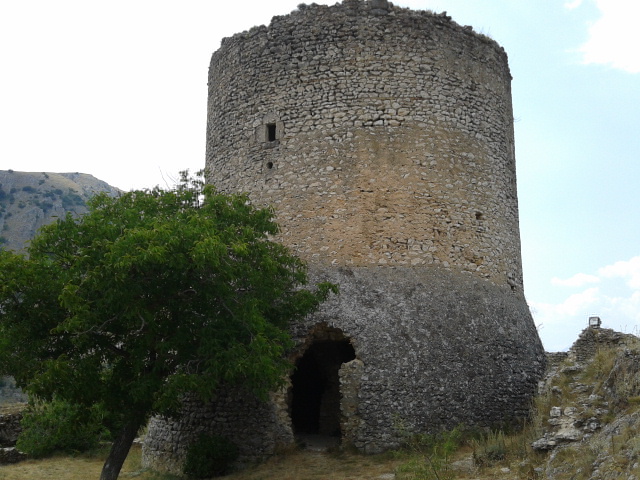
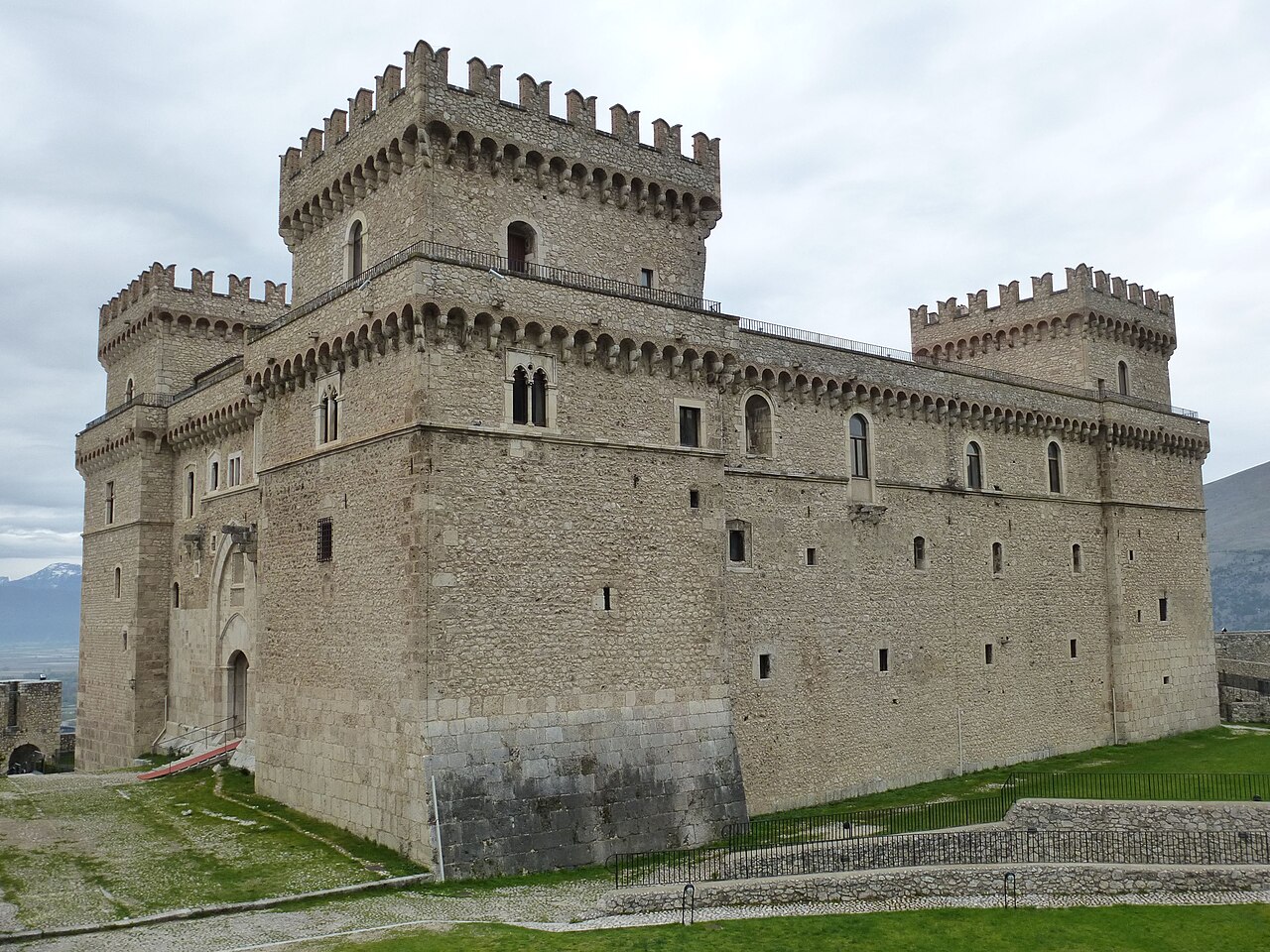
Piccolomini Castle is strategically positioned on a hill, taking advantage of the natural elevation for defense and surveillance. The castle's design includes robust stone walls and battlements that provided protection against invaders. Its layout typically features a central courtyard surrounded by defensive walls, with towers at key points to enhance visibility and defense.
Towers and fortifications
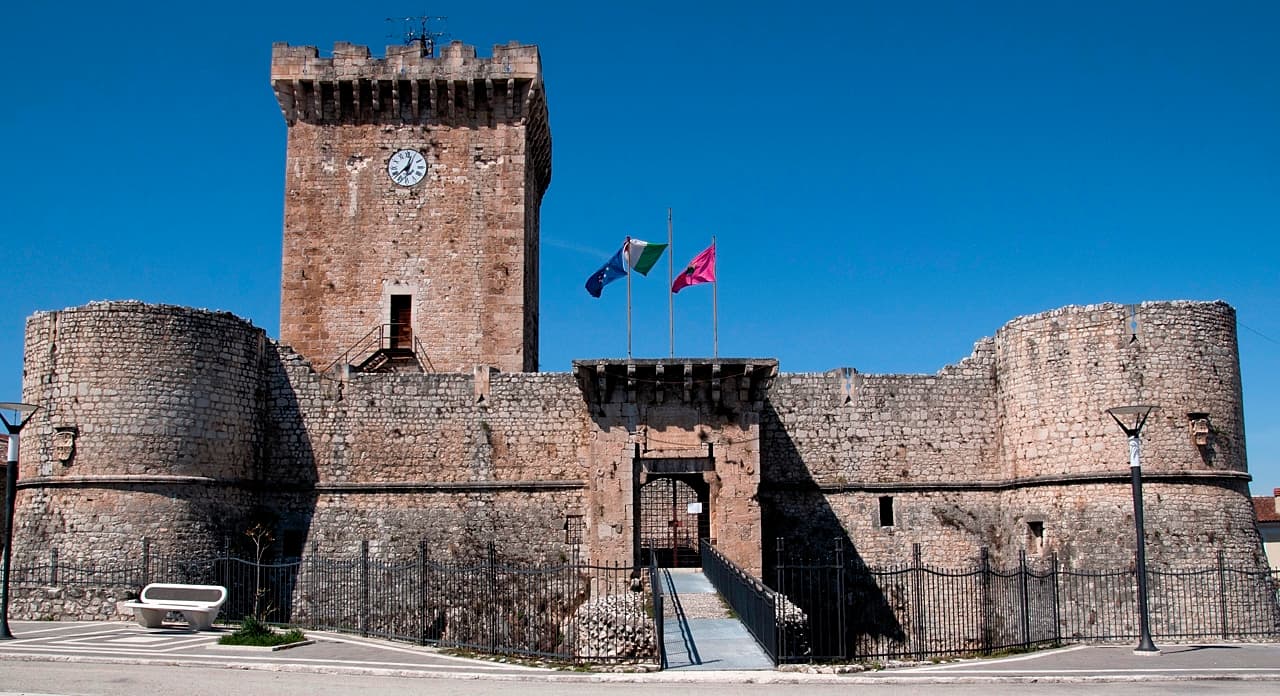
The castle's towers are integral to its defensive capabilities. These structures allowed defenders to monitor the surrounding landscape and provided positions from which to repel attackers. The battlements atop the walls and towers include crenellations, which are characteristic of medieval military architecture.
Entrance and gatehouse
The main entrance of the castle is fortified, likely featuring a gatehouse that controlled access and could be defended effectively. Such gatehouses often included portcullises and murder holes, though specific details about these features at Piccolomini Castle are limited.
Construction materials and techniques
The castle was constructed primarily from local stone, a common practice in Abruzzo due to the availability of durable materials. The masonry work reflects the craftsmanship of the late medieval period, with thick walls designed to withstand siege weaponry of the time.
Current condition and preservation
Today, Piccolomini Castle remains a well-preserved
Visiting information and cultural importance
The castle is a significant cultural landmark in Abruzzo, attracting visitors interested in medieval history and architecture. Its location in Ortucchio offers scenic views of the surrounding landscape, enhancing the visitor experience. The castle's preservation supports educational efforts and promotes awareness of Italy's rich feudal heritage.
Frequently asked questions (FAQ)
- How do I get to Piccolomini Castle in Ortucchio?
- Piccolomini Castle is located in Ortucchio, Italy, easily accessible by car or public transportation from nearby cities like Avezzano. If you're traveling by train, the nearest station is in Avezzano, from where you can take a bus or taxi to reach the castle.
- What is the historical significance of Piccolomini Castle?
- Piccolomini Castle, built in the 15th century, is an important example of Renaissance military architecture in Italy. It was commissioned by the Piccolomini family, who played a significant role in the region's history, serving as a defensive stronghold and a residence.
- When was Piccolomini Castle constructed?
- Construction of Piccolomini Castle began in the late 15th century, specifically around 1465. The castle was completed in the following decades and has since undergone various restorations to preserve its structure and historical value.
- Can I enter Piccolomini Castle during my visit?
- Yes, visitors can enter Piccolomini Castle, where guided tours are often available to provide insights into its history and architecture. It is advisable to check the official website or local tourism offices for current visiting hours and any special events.
- Why is Piccolomini Castle an architectural marvel?
- Piccolomini Castle is renowned for its impressive defensive features, including robust walls and a strategic location on a hill. Its unique blend of Gothic and Renaissance styles showcases the architectural evolution of the period and reflects the power of the Piccolomini family.
- Is it possible to visit nearby attractions after touring the castle?
- Absolutely! After visiting Piccolomini Castle, you can explore nearby attractions such as the historic town of Ortucchio and the scenic landscapes of the Abruzzo region. The area offers beautiful hiking trails and other historical sites, making it a perfect day trip.
- What are the opening hours for Piccolomini Castle?
- Piccolomini Castle typically opens to visitors from 9 AM to 6 PM, but these hours may vary based on the season or special events. It is recommended to check the castle's official website for the most current information regarding opening hours before your visit.
- What are the ticket prices for visiting Piccolomini Castle?
- Ticket prices for Piccolomini Castle are generally affordable, with discounts available for students and seniors. Group rates may also apply, so consider checking in advance for the latest pricing information to plan your visit accordingly.
- When is the best time to visit Piccolomini Castle?
- The best time to visit Piccolomini Castle is during the spring and early fall when the weather is mild, making it ideal for outdoor exploration. Additionally, these seasons often feature fewer tourists, allowing for a more intimate experience with the castle and its surroundings.
Photo gallery

Information
Loading map...
Visitor reviews
No reviews yet. Been here? Write the first review and help other travelers!
Write the first reviewVisited this castle? Share your experience
Your review helps other travelers and adds first-hand knowledge to our encyclopedia.