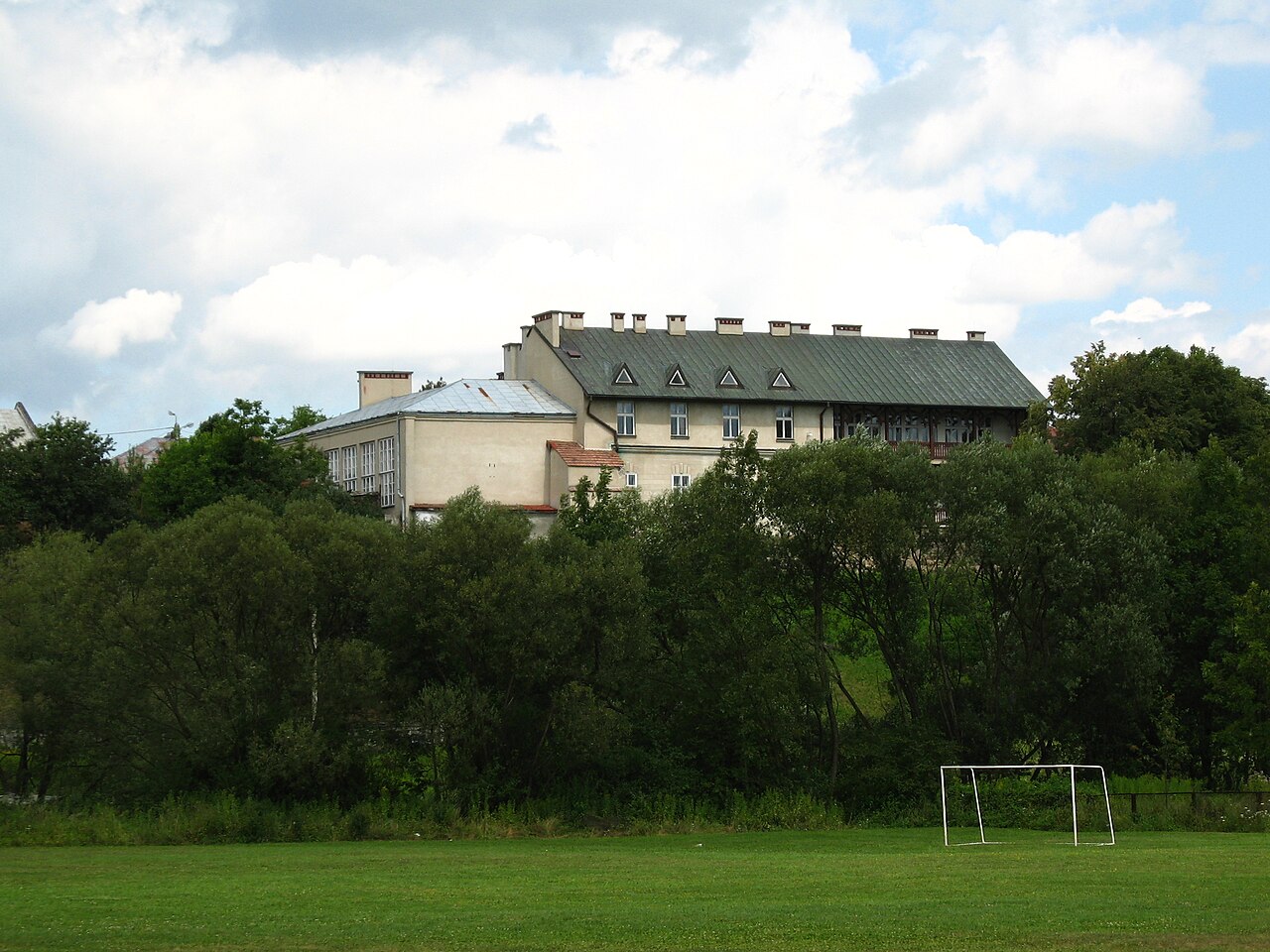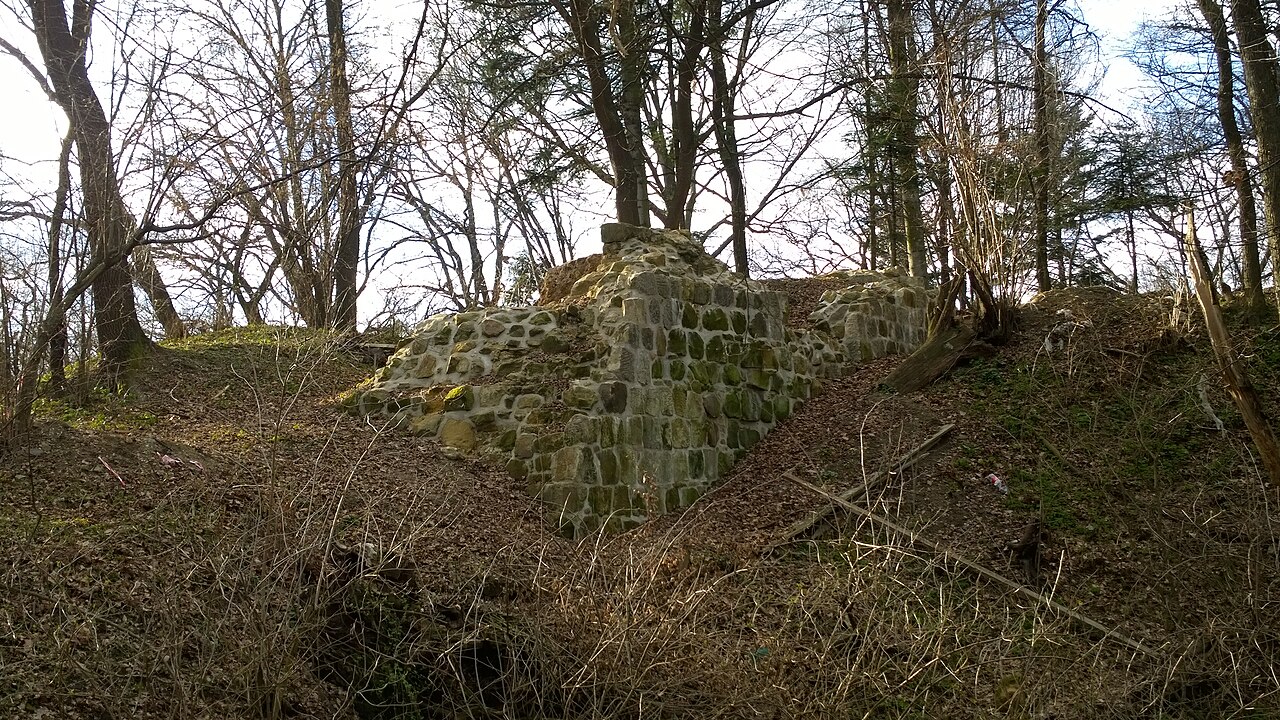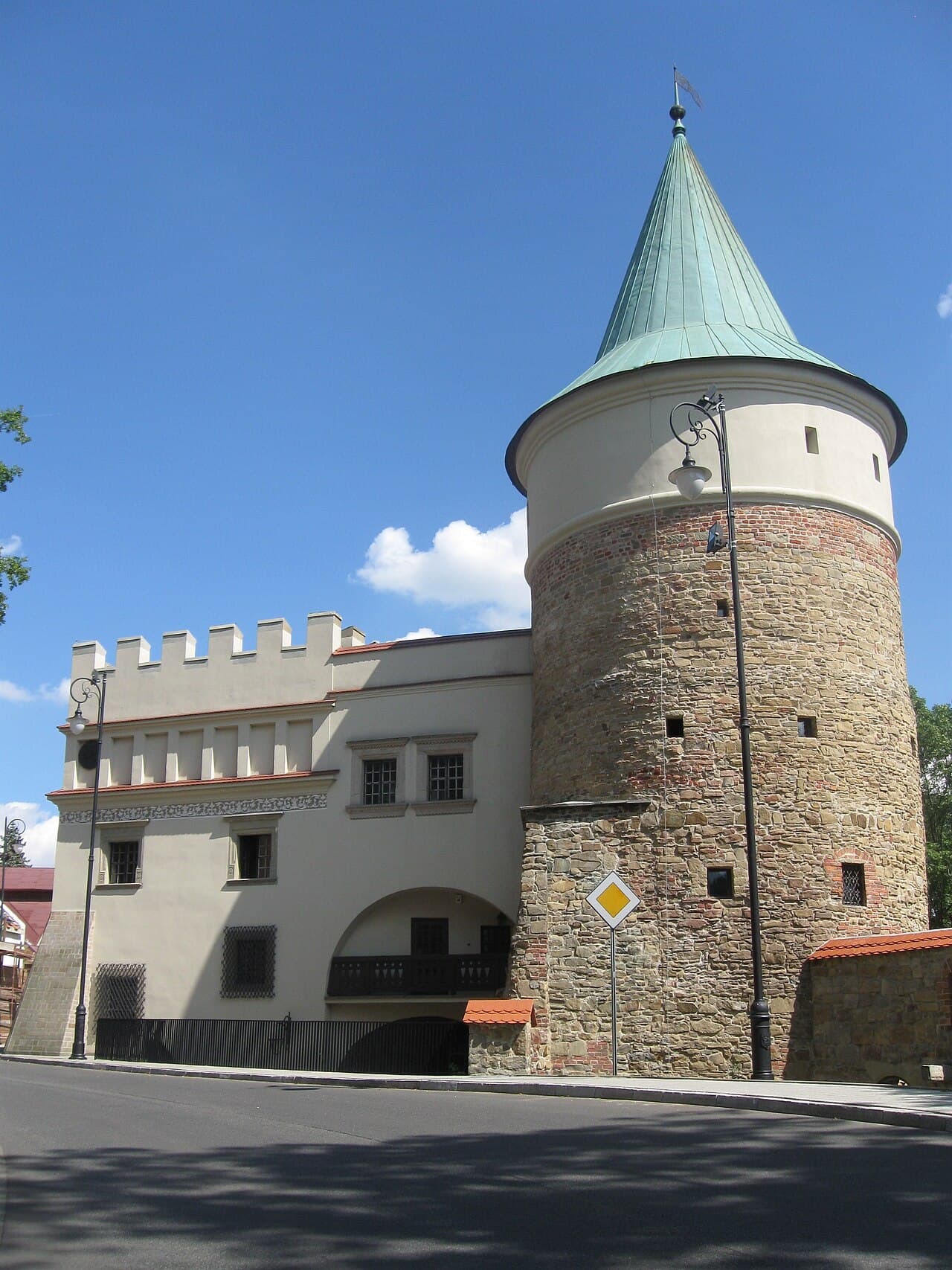
Piast castle in Biecz is a prominent medieval hill castle located in the town of Biecz, in the southeastern part of Poland. This castle is an important example of medieval defensive architecture in the region and reflects the historical significance of the Piast dynasty's influence in Poland. Constructed primarily during the High Medieval period, the castle served both as a military stronghold and a residence for local rulers.
Historical context and significance
The origins of the Piast castle in Biecz date back to the 14th century, a time when the Piast dynasty was consolidating its power across the Polish territories. The castle was strategically positioned on a hill, providing a commanding view over the surrounding landscape and the town below. This elevated location was typical of hill castles, designed to maximize defensive capabilities against invaders.
Throughout its history, the castle played a crucial role in regional defense and administration. It was part of a network of fortifications protecting the southeastern borders of the Polish kingdom. The castle witnessed numerous historical events, including military engagements and political shifts, reflecting the turbulent medieval period in Central Europe.
Architectural features and construction
The castle's architecture is characterized by its robust stone walls, fortified towers, and a central keep that served as the last line of defense. The construction exhibits typical Gothic architectural elements, including pointed arches and narrow windows designed for archers. The layout includes a courtyard surrounded by defensive walls with battlements, and a gatehouse controlling access to the interior.
One of the notable features of the castle is its keep, which was both a defensive stronghold and a residence. The keep's thick walls and elevated position made it difficult for attackers to breach. Additionally, the castle complex included living quarters, storage rooms, and possibly a chapel, reflecting its dual military and residential functions.
Defensive structures
The castle was equipped with fortified towers at strategic points along the walls, providing vantage points for surveillance and defense. The walls were constructed with local stone, designed to withstand sieges and artillery attacks common in the late medieval period. A moat or ditch may have surrounded parts of the castle, enhancing its defensive perimeter, although specific details about water defenses are less documented.
Later history and preservation
Over the centuries, the Piast castle in Biecz experienced periods of decline and partial destruction, common among medieval fortifications in the region due to warfare and changing military technologies. Despite this, significant portions of the castle remain partially preserved, allowing visitors to appreciate its historical and architectural value.
Today, the castle stands as a cultural heritage site, attracting historians, architects, and tourists interested in Poland's medieval past. Efforts have been made to maintain and stabilize the ruins, ensuring that the castle's legacy endures. The site offers insights into medieval construction techniques and the strategic importance of hill castles in Poland.
Visiting the castle
The castle is accessible to visitors who wish to explore its ruins and learn about its history. The location on a hill provides panoramic views of Biecz and the surrounding countryside. Interpretive signage and guided tours may be available to enhance the visitor experience, explaining the castle's architectural features and historical context.
Nearby attractions
Visitors to the Piast castle in Biecz can also explore the historic town itself, which features medieval urban layouts, churches, and other heritage buildings. The region offers a rich cultural experience combining natural beauty with historical exploration.
Frequently asked questions (FAQ)
- What is the historical significance of Piast Castle in Biecz?
- Piast Castle is an essential symbol of Polish medieval architecture and was a vital stronghold during the Piast dynasty. Its historical importance is highlighted by its role in the defense against invasions and its connection to the early Polish state.
- When was Piast Castle built?
- Piast Castle was constructed in the 14th century, reflecting the architectural styles of the period. Over the centuries, it has undergone various modifications, showcasing the evolution of castle design in Poland.
- What are the opening hours of Piast Castle?
- Piast Castle is open to visitors from 10 AM to 6 PM during the summer months and from 10 AM to 4 PM in the winter. It is advisable to check the official website for any seasonal variations or special holiday hours.
- Can I purchase tickets online for Piast Castle?
- Yes, tickets for Piast Castle can be purchased online through the official website or at the entrance. Buying tickets in advance is recommended, especially during peak tourist seasons to avoid long waiting times.
- Is it possible to access Piast Castle with a wheelchair?
- While efforts have been made to improve accessibility at Piast Castle, some areas may still pose challenges for wheelchair users due to the castle's historical architecture. It is best to contact the castle administration for detailed information regarding accessibility options.
- When is the best time to visit Piast Castle?
- The best time to visit Piast Castle is during the spring and early autumn months when the weather is mild, and the surrounding landscapes are picturesque. Additionally, these seasons typically see fewer crowds compared to summer, allowing for a more enjoyable experience.
- What nearby attractions should I consider visiting when in Biecz?
- While visiting Piast Castle, you can also explore the charming old town of Biecz, known for its medieval architecture and quaint streets. Other nearby attractions include the Gothic Church of St. John the Baptist and the Biecz Museum, which offers insights into the region's history.
Photo gallery

Information
Loading map...
Visitor reviews
No reviews yet. Been here? Write the first review and help other travelers!
Write the first reviewVisited this castle? Share your experience
Your review helps other travelers and adds first-hand knowledge to our encyclopedia.