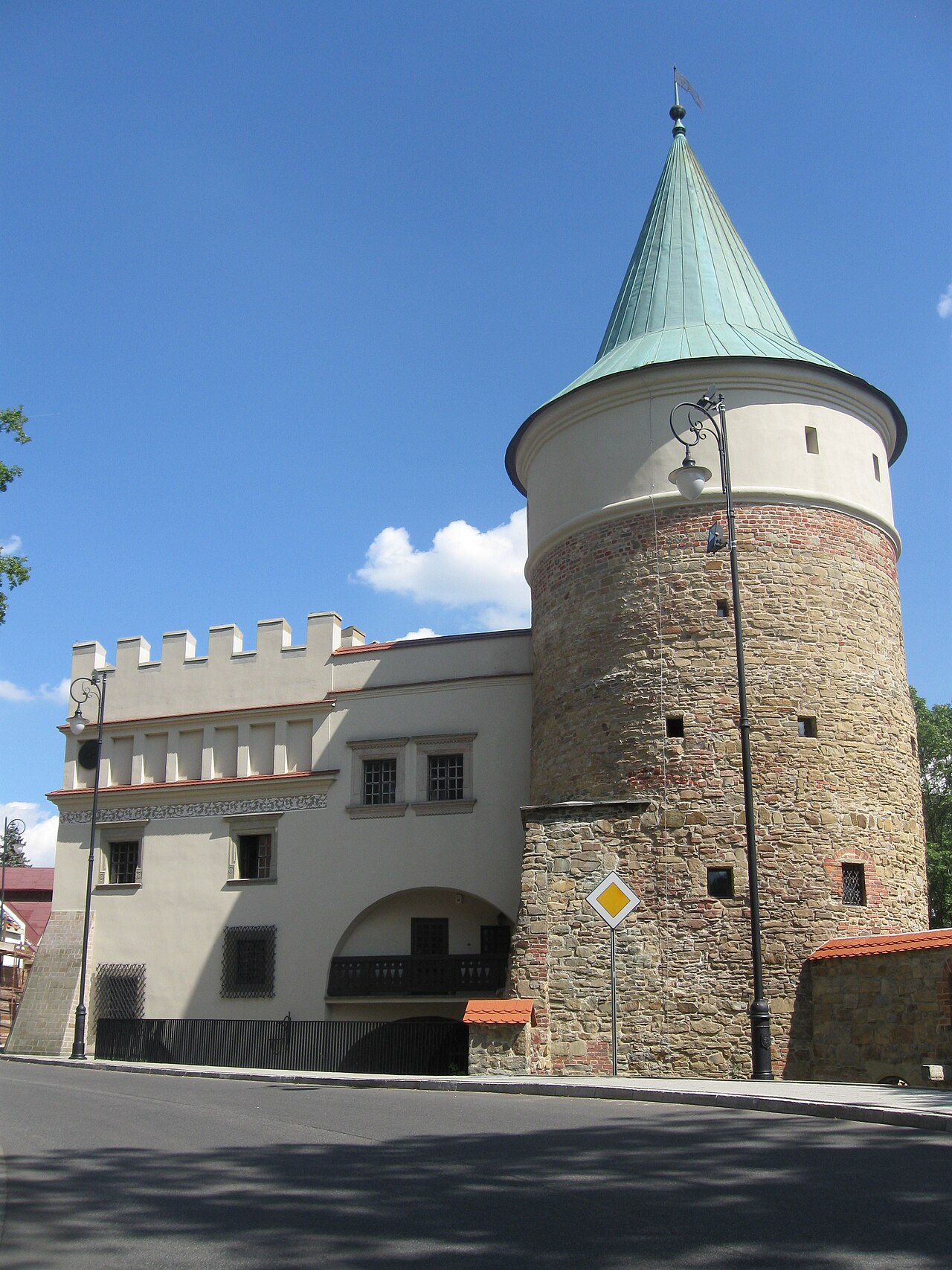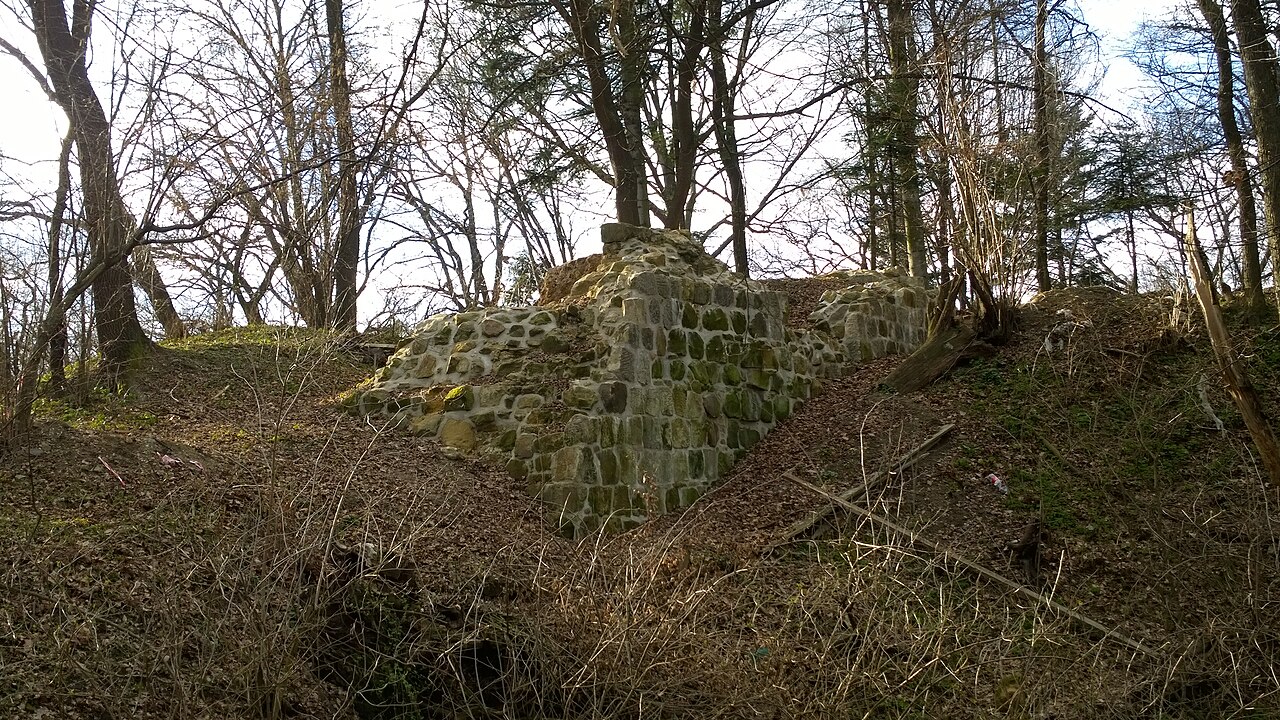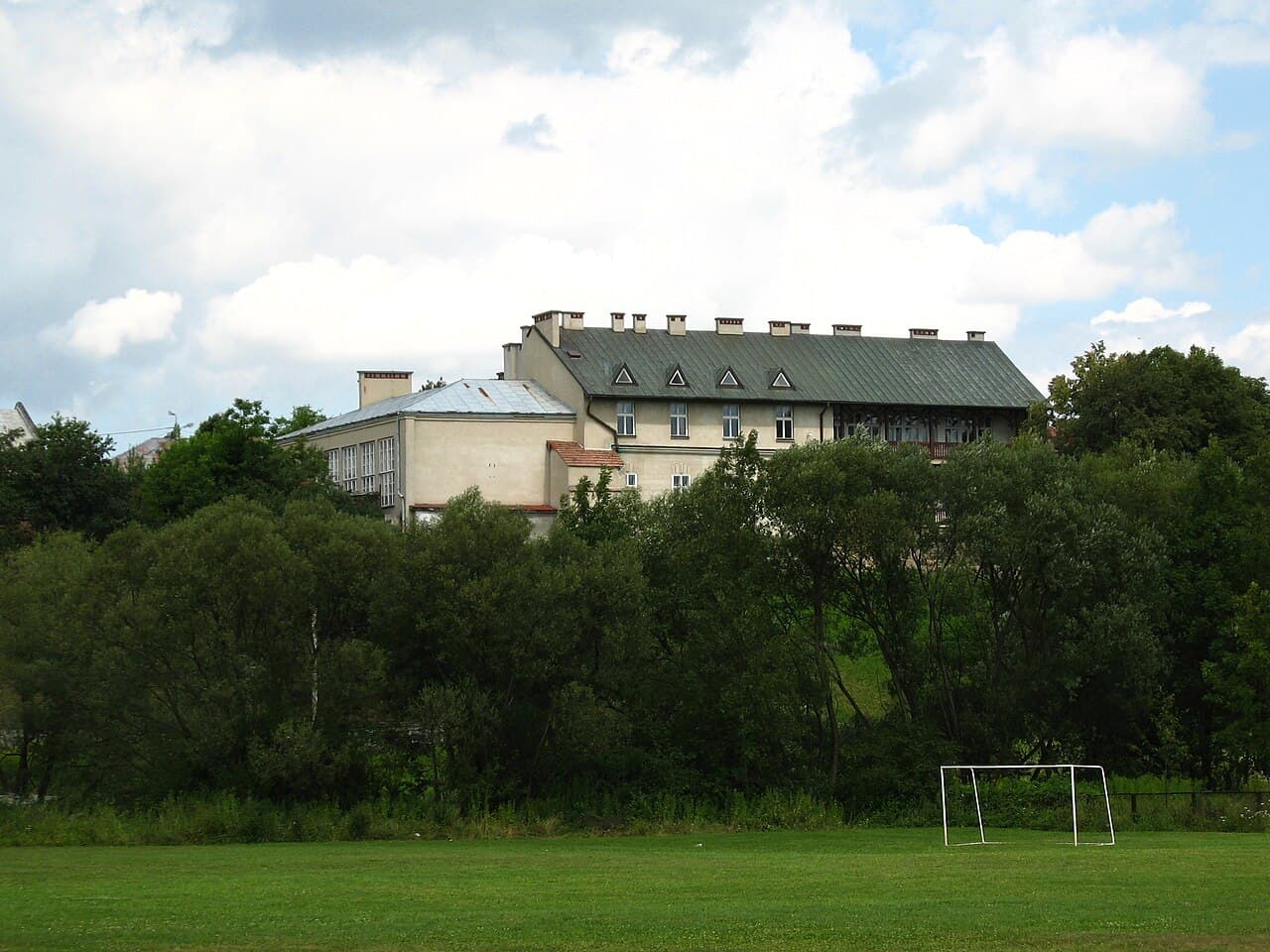
Budynek grodu starościńskiego w Bieczu
The Budynek grodu starościńskiego w Bieczu is a notable example of a renaissance hill castle located in the historic town of Biecz, Poland. Dating back to the 16th century, this castle served as the seat of the starosta, a royal official responsible for local administration and judiciary during the Polish-Lithuanian Commonwealth era. The castle's strategic hilltop location provided natural defense advantages and a commanding view of the surrounding area, typical of hill castles of its time.
Historical context and significance
Constructed in the renaissance period, the Budynek grodu starościńskiego reflects the architectural transition from medieval fortifications to more refined residential and administrative buildings. The starosta's residence was not only a military stronghold but also a center of governance, overseeing the region's legal and economic affairs. Biecz itself was an important royal town, often called "little Kraków" for its historical prominence, making the castle a significant seat of power within the region.
Architectural features and layout
The castle exhibits characteristic renaissance architectural elements merged with traditional defensive features. Built primarily of stone and brick, the structure includes thick walls designed to withstand sieges, with limited but strategically placed windows for defense and light. The castle's layout typically includes a central courtyard surrounded by living quarters, administrative rooms, and storage facilities.
Towers and fortifications
While the original defensive towers may have been altered or partially lost over the centuries, the castle's elevated position and remaining walls still demonstrate its role as a fortified residence. The use of bastions or angled walls, common in renaissance military architecture, may have been incorporated to enhance defense against artillery, although specific details on surviving fortifications require further archaeological confirmation.
Interior and functional spaces
The interior spaces were designed to accommodate the starosta's official duties and residential needs. This included chambers for judicial proceedings, administrative offices, and living quarters that reflected the status of the occupant. Decorative elements typical of the renaissance, such as ornamental plasterwork and wood carvings, may have been present, although much of the interior detail has not survived intact.
Preservation and current condition
Today, the Budynek grodu starościńskiego w Bieczu stands as a partially preserved monument, with some sections restored to maintain structural integrity and historical appearance. The castle is an important cultural heritage site in the Lesser Poland region, attracting visitors interested in renaissance architecture and Polish history. Preservation efforts focus on stabilizing the ruins and facilitating public access while protecting the site from further deterioration.
Visiting information and cultural importance
Visitors to the castle can explore the exterior and some accessible interior areas, gaining insight into the life of a starosta and the administrative organization of the Polish-Lithuanian Commonwealth. The castle's location in Biecz also offers access to the town's historic center, with its medieval streets, churches, and market square, enriching the visitor experience.
The Budynek grodu starościńskiego w Bieczu exemplifies the blend of military and residential architecture characteristic of renaissance hill castles in Poland. Its historical role as a seat of local power and its architectural features provide valuable understanding of regional governance and castle construction in the 16th century.
Frequently asked questions (FAQ)
- How do I get to Budynek grodu starościńskiego w Bieczu?
- You can reach Budynek grodu starościńskiego by taking a train or bus to Biecz, which is well-connected to major cities in Poland. Once in Biecz, the castle is within walking distance from the town center, making it easily accessible for visitors.
- What is the historical significance of Budynek grodu starościńskiego?
- Budynek grodu starościńskiego is a significant historical site, reflecting the medieval architecture and defensive structures of the region. It played a crucial role in the history of Biecz, serving as a center of administration and defense during its peak in the 14th century.
- When was Budynek grodu starościńskiego built?
- The construction of Budynek grodu starościńskiego dates back to the 14th century, showcasing the Gothic architectural style prevalent during that era. Over the centuries, it has undergone various renovations and restorations to preserve its historical integrity.
- Can I visit Budynek grodu starościńskiego with a guided tour?
- Yes, guided tours are available for visitors interested in learning more about the history and architecture of Budynek grodu starościńskiego. These tours provide in-depth insights and are an excellent way to enhance your experience at the castle.
- Why is Budynek grodu starościńskiego a popular tourist attraction?
- Budynek grodu starościńskiego attracts visitors due to its rich history, stunning architecture, and picturesque location in Biecz. The castle is often featured in local tours, making it a must-see destination for history enthusiasts and architecture lovers alike.
- Is it possible to visit Budynek grodu starościńskiego year-round?
- Yes, Budynek grodu starościńskiego is open to visitors year-round, although opening hours may vary depending on the season. It’s advisable to check the official website for the most current visiting hours before planning your trip.
- What are the ticket prices for visiting Budynek grodu starościńskiego?
- Ticket prices for Budynek grodu starościńskiego are generally affordable, with discounts available for students and seniors. Special family packages may also be offered, making it accessible for visitors of all ages.
- What is the best time to visit Budynek grodu starościńskiego?
- The best time to visit Budynek grodu starościńskiego is during the late spring and early autumn when the weather is pleasant. This period also offers various cultural events and activities that enhance the visitor experience.
- Are there any nearby attractions to explore after visiting Budynek grodu starościńskiego?
- Yes, after visiting Budynek grodu starościńskiego, you can explore other nearby attractions such as the historic Market Square of Biecz and the Church of St. Nicholas. The town is rich in history and offers a charming atmosphere with plenty of local shops and cafes.
Photo gallery

Information
Loading map...
Visitor reviews
No reviews yet. Been here? Write the first review and help other travelers!
Write the first reviewVisited this castle? Share your experience
Your review helps other travelers and adds first-hand knowledge to our encyclopedia.