Mahakan Fort
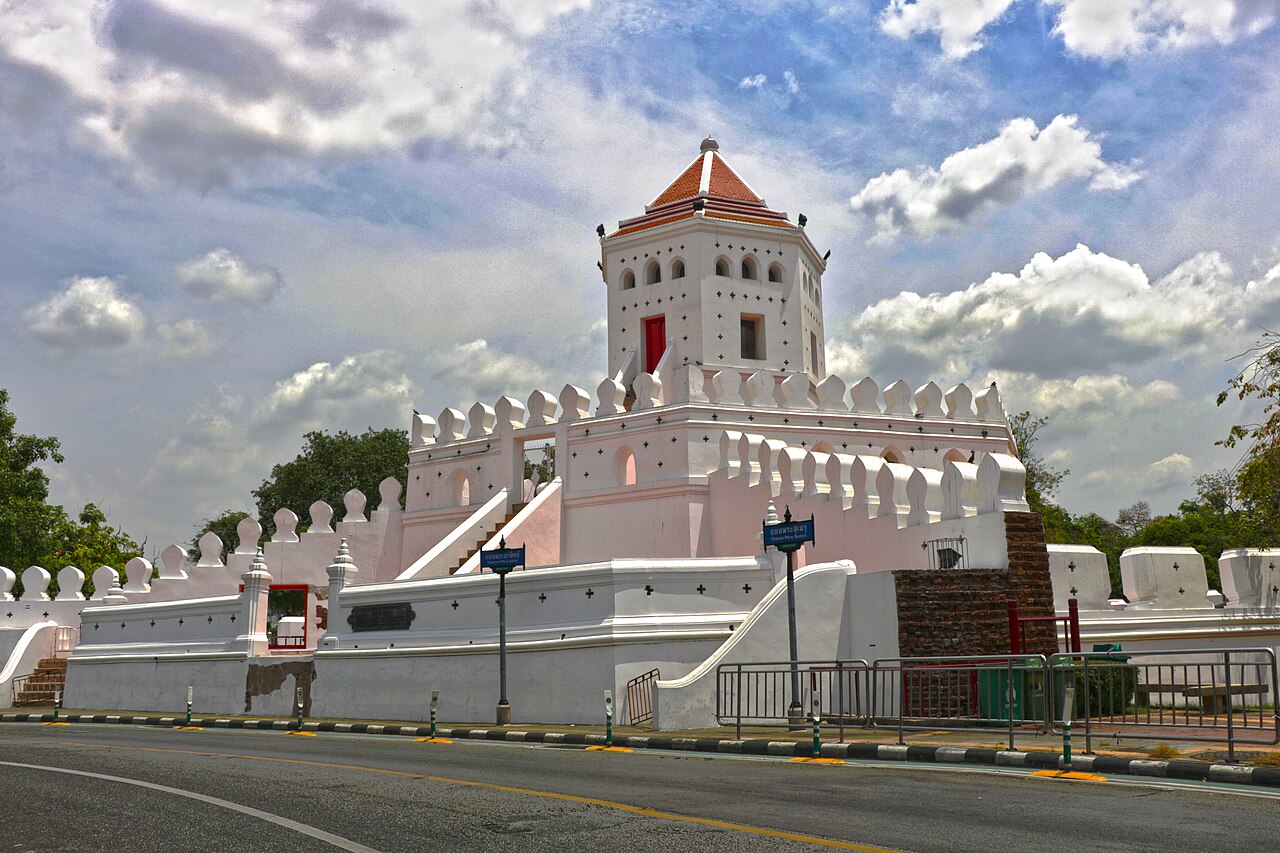
Mahakan Fort is a prominent 18th-century bastioned fortress located in the heart of Bangkok, Thailand. Constructed during the post-Renaissance period, this fort played a crucial role in the defense system of the city, reflecting the military architectural style adapted to the needs of the era.
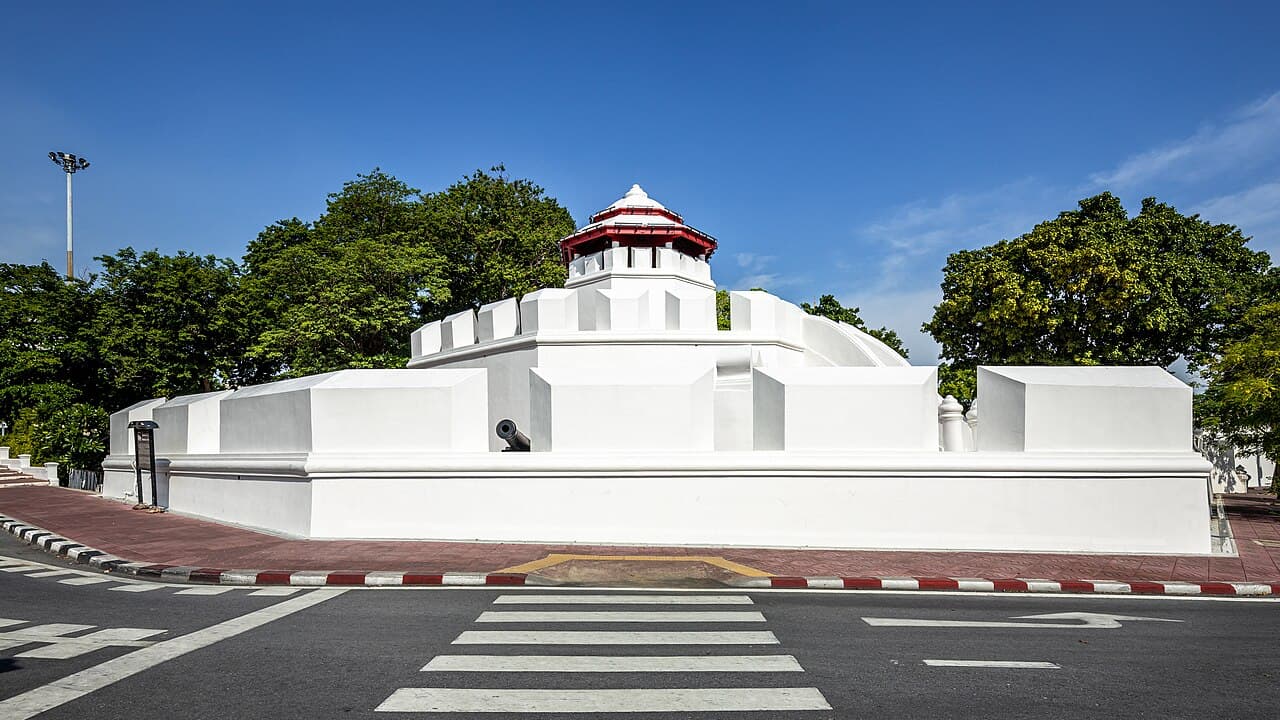
The fort was built as part of the extensive city walls and fortifications erected to protect the capital from external threats. Its design incorporates the European bastioned fortress concept, characterized by angular bastions that allowed defenders to cover adjacent walls with gunfire, minimizing blind spots. This design was a significant advancement over earlier medieval fortifications, reflecting evolving military technology and tactics.
Historical context and construction
Mahakan Fort was constructed in the 18th century during the reign of King Rama I, the founder of the Chakri dynasty, who moved the capital to Bangkok. The fort was part of a broader effort to fortify the city against invasions, particularly from Burmese forces, which had previously threatened the region. The fort's strategic location near the Chao Phraya River enabled control over river traffic and enhanced the city's defensive capabilities.
The construction utilized locally available materials, including bricks and laterite stones, combined with mortar to create thick defensive walls. The bastions were designed to mount cannons and artillery pieces, reflecting the importance of gunpowder weaponry in Southeast Asian warfare by the late 18th century.
Architectural features
Bastioned design
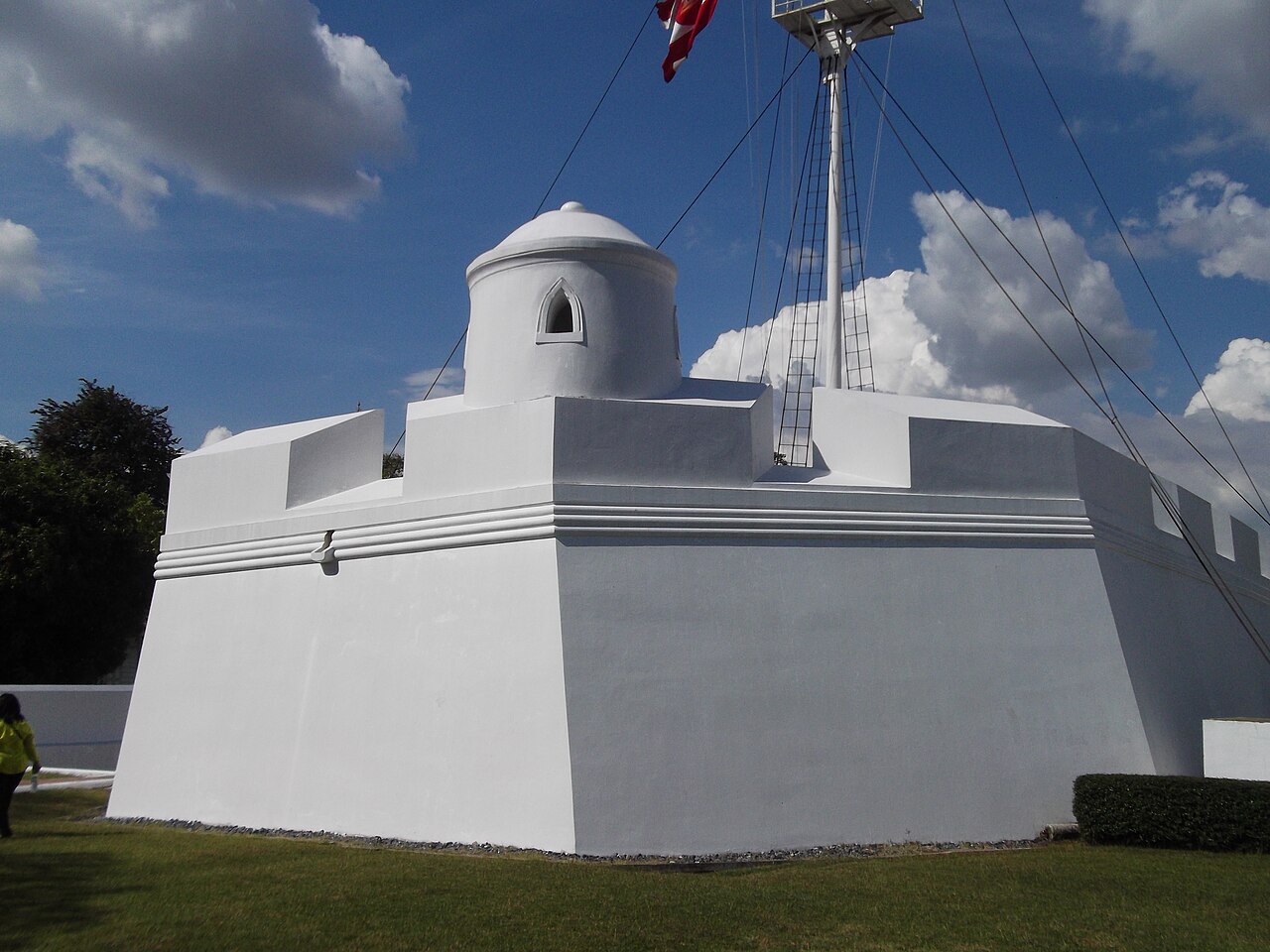
The defining feature of Mahakan Fort is its bastioned design, which includes several protruding angular bastions. These bastions allowed defenders to fire along the walls, covering all approaches and preventing attackers from finding shelter near the fort's base. This design was influenced by European military engineering principles introduced through contact with Western powers.
Walls and gates
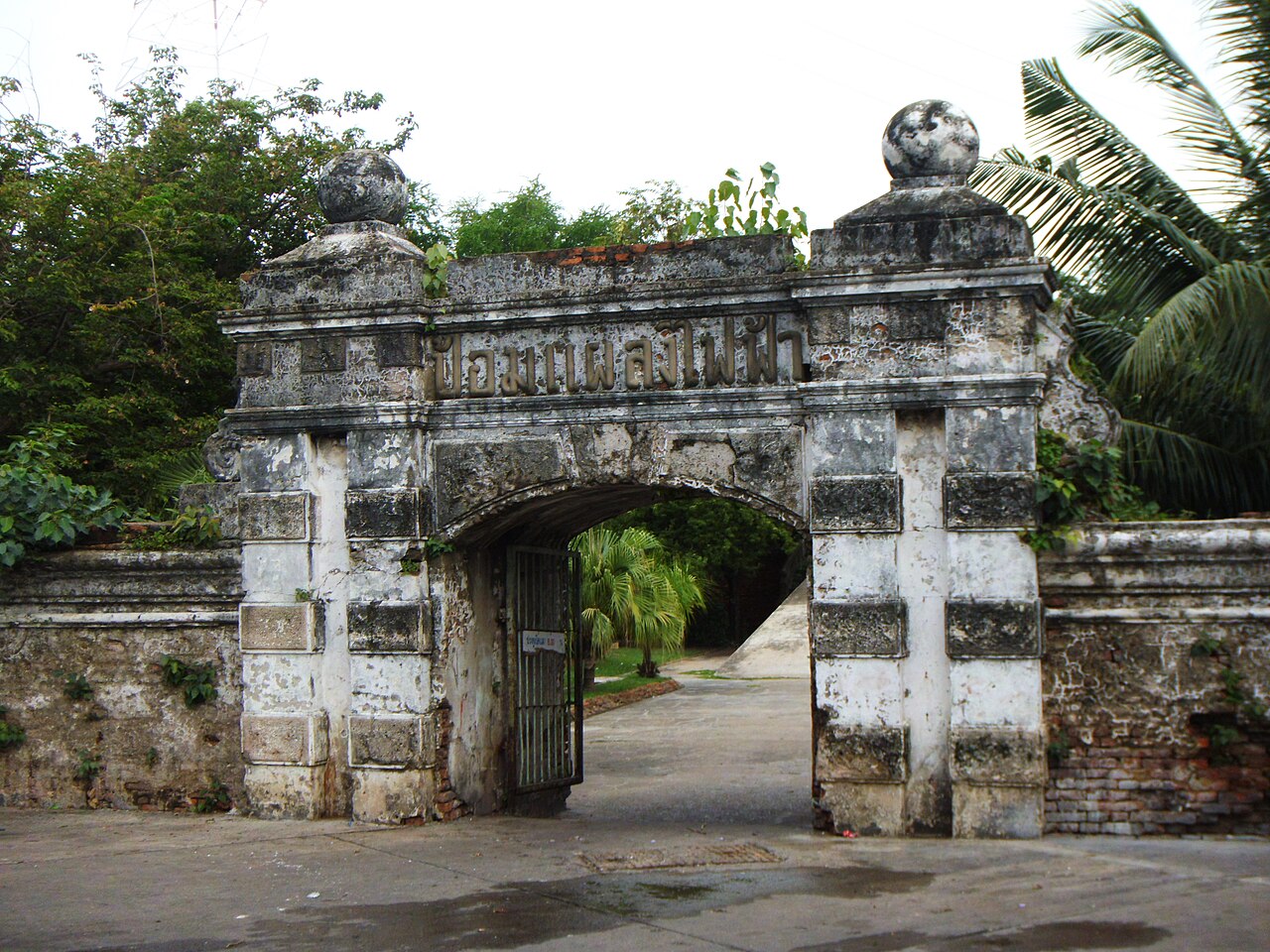
The fort's walls are robust and thick, constructed to withstand artillery bombardment. The walls were originally part of a larger fortified wall circuit that enclosed the old city of Bangkok. The gates of Mahakan Fort served as controlled entry points, equipped with defensive mechanisms to repel attackers.
Armaments and facilities
Mahakan Fort housed cannons and other artillery pieces on its bastions. Inside the fort, there were facilities for the garrison, including barracks, armories, and storage rooms. These supported the soldiers stationed there and ensured the fort could sustain prolonged defense if necessary.
Role in bangkok's defense and historical significance
Throughout its history, Mahakan Fort was a key component of Bangkok's defensive network. It helped secure the city during periods of conflict and served as a deterrent against invasions. Although the fort's military importance declined with changes in warfare and urban development, it remains a valuable historical monument.
Today, Mahakan Fort stands as one of the few remaining examples of traditional bastioned fortifications in Thailand. It offers insight into the military architecture of the post-Renaissance period in Southeast Asia and the historical context of Bangkok's early years as a capital city.
Current condition and preservation efforts
The fort is currently partially preserved, with some sections of the walls and bastions still intact. Urban expansion and modern infrastructure projects have impacted the original fortifications, but efforts have been made to maintain and restore parts of Mahakan Fort. Preservation initiatives aim to protect this cultural heritage site and promote public awareness of its historical value.
Visiting mahakan fort
Visitors to Mahakan Fort can explore the remaining structures and learn about its history through onsite information displays. The fort's location in Bangkok makes it accessible to tourists interested in the city's historical and architectural heritage. Guided tours and educational programs are sometimes available to enhance the visitor experience.
Frequently asked questions (FAQ)
- What is Mahakan Fort?
- Mahakan Fort is a historic fortress located in Bangkok, Thailand, built in the late 18th century during the reign of King Rama I. It was part of the city's defensive walls and now serves as a cultural landmark, showcasing Thailand's rich history and architectural heritage.
- When was Mahakan Fort built?
- Mahakan Fort was constructed in 1783, coinciding with the establishment of Bangkok as the capital of Thailand. It is one of the few remaining forts from the original defensive structures that surrounded the city.
- What are the opening hours of Mahakan Fort?
- Mahakan Fort is typically open to visitors every day from 9:00 AM to 5:00 PM. However, it's advisable to check for any changes in hours during public holidays or special events.
- Can I visit Mahakan Fort for free?
- Yes, visiting Mahakan Fort is free of charge. It allows visitors to explore the fort's unique architecture and enjoy the surrounding park area without any entrance fee.
- Is Mahakan Fort accessible for visitors with disabilities?
- Mahakan Fort has some pathways that may be challenging for visitors with mobility issues due to uneven surfaces. However, the area is generally open, and staff are available to assist with navigation as needed.
- When is the best time to visit Mahakan Fort?
- The best time to visit Mahakan Fort is during the cooler months from November to February when the weather is more pleasant for outdoor exploration. Visiting in the early morning or late afternoon can also help you avoid the midday heat.
- What nearby attractions can I explore after visiting Mahakan Fort?
- After visiting Mahakan Fort, you can explore nearby attractions such as the historic Rattanakosin Island, the Grand Palace, and Wat Phra Kaew (Temple of the Emerald Buddha). These sites are within walking distance and offer a deeper insight into Thailand’s cultural heritage.
- Why is Mahakan Fort significant in Thai history?
- Mahakan Fort is significant as it represents the military defense strategy of early Bangkok and is a symbol of the city's historical boundaries. It is a tangible reminder of the nation's past and its efforts to protect the capital from invasions.
- What architectural features can I expect to see at Mahakan Fort?
- Mahakan Fort features a circular design with thick stone walls, intricate brickwork, and watchtowers that offer panoramic views of the surrounding area. The fort's architecture reflects the military style of the 18th century, blending functionality with aesthetic appeal.
Photo gallery

Photo by This Photo was taken by Supanut Arunoprayote. Feel free to use any of my images, but please mention me as the author and may send me a message. (สามารถใช้ภาพได้อิสระ แต่กรุณาใส่เครดิตผู้ถ่ายและอาจส่งข้อความบอกกล่าวด้วย) Please do not upload an updated image here without consultation with the Author. The author would like to make corrections only at his own source. This ensures that the changes are preserved.Please if you think that any changes should be required, please inform the author.Otherwise you can upload a new image with a new name. Please use one of the templates derivative or extract.•CC BY 4.0
Information
Loading map...
Visitor reviews
No reviews yet. Been here? Write the first review and help other travelers!
Write the first reviewVisited this castle? Share your experience
Your review helps other travelers and adds first-hand knowledge to our encyclopedia.