Peqin Castle
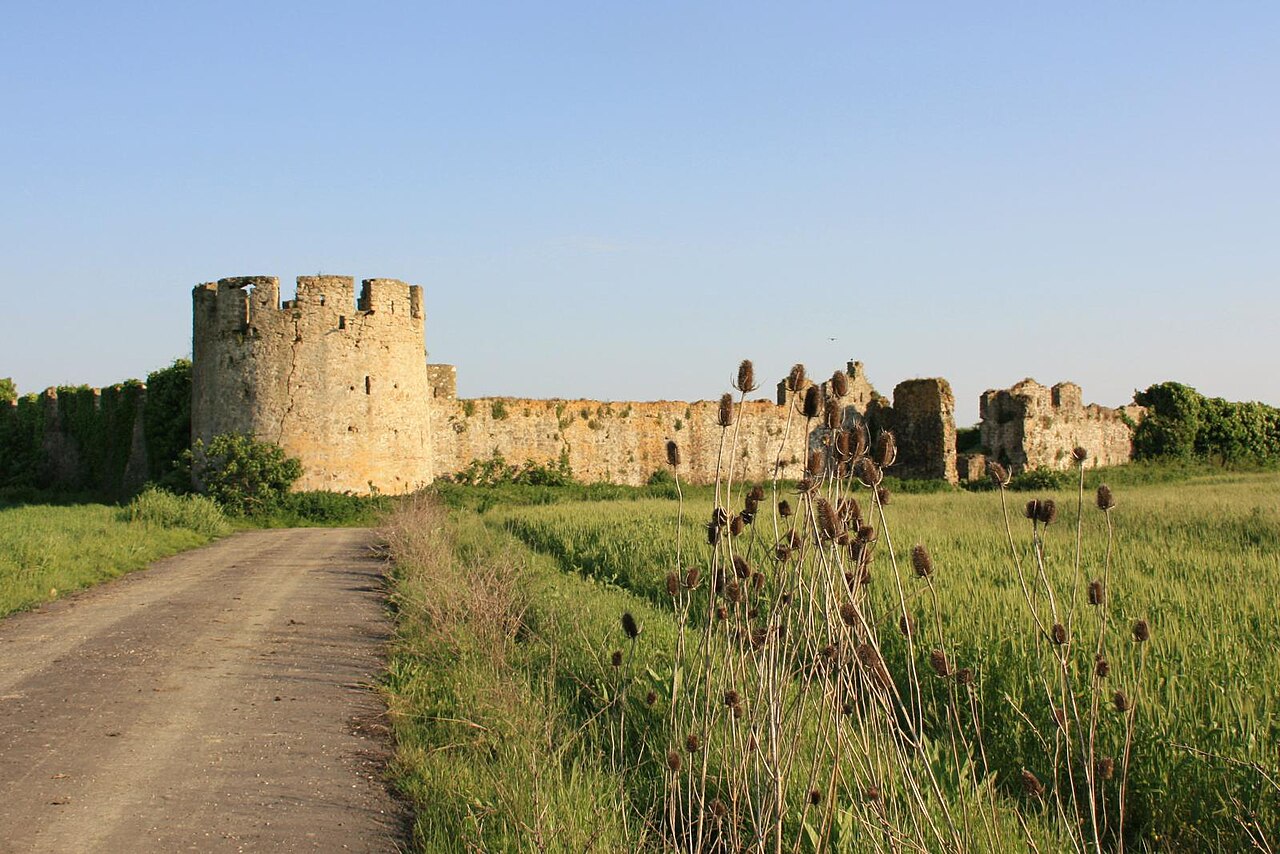
Peqin Castle, locally known as Kalaja e Peqinit, is situated just west of the town of Peqin in the county of Elbasan, Albania. This historic fortress stands as a significant relic of the region's long and varied history, reflecting layers of Illyrian, Roman, and Ottoman influences. The castle's origins trace back to the Roman period, with substantial modifications made during the Ottoman era, making it a compelling site for those interested in military architecture and Balkan history.
The origins and Roman foundations
The area around Peqin has been inhabited since Illyrian times, with the town itself historically known as Clodiana or Claudiana during Roman rule. The castle's foundations are believed to date from the 2nd century BC, coinciding with the construction of the Via Egnatia, a vital Roman road connecting the Adriatic coast to Byzantium. This strategic location made Peqin a key stop along this important trade and military route.
The original Roman fortress likely served as a fortified waypoint for travelers and soldiers on the Via Egnatia. While much of the Roman structure has been altered or rebuilt, archaeological findings such as clay pipes embedded within the castle walls suggest advanced engineering to supply water from outside sources, a crucial feature for sustaining occupants during sieges.
Ottoman reconstruction and expansion
In the 15th century, Peqin fell under the control of the Ottoman Empire. The Ottomans undertook significant rebuilding and expansion of the castle to suit their military and administrative needs. The fortress was adapted to accommodate artillery, with records indicating the presence of five cannons and a garrison of approximately 70 soldiers during the 17th century.
The famous Ottoman traveler Evliya Çelebi visited Peqin Castle in the 17th century and provided a detailed description. He noted the castle's walls reached about 12 meters in height and mentioned the presence of a small mosque without a minaret inside the castle grounds. Additionally, he described a prayer chapel attached to the wall on the left side, emphasizing the castle's dual military and religious functions.
During Ottoman rule, the castle was governed by the local Sipahi (feudal lord), who added a palace and a harem within the complex. These additions highlight the castle's role not only as a military fortification but also as a center of local governance and residence for the ruling elite.
Architectural features and layout
Peqin Castle has a distinctive square plan featuring three corner towers and two wall towers. This layout provided robust defensive capabilities, allowing defenders to cover all approaches to the fortress. At present, two gates remain accessible, though the original number and configuration of entrances may have been greater.
Local lore and some historical accounts mention the existence of escape tunnels extending several kilometers from the castle to outside the town. However, no visible entrances to these tunnels have been found, and their existence remains a subject of skepticism. Archaeological investigations have not confirmed these tunnels, but the discovery of clay pipes within the walls supports the idea of sophisticated infrastructure designed to sustain the castle's inhabitants.
The castle's later history and current state
The last known resident of Peqin Castle was Demir Pasha Bonatit, who lived there in the early 20th century when the castle was also known as Kalaja Kadri Beg. After this period, the castle fell into decline, eventually becoming a ruin.
Today, Peqin Castle is partially preserved and freely accessible to visitors. Although much of the structure is in a ruined state, the remaining walls and towers provide valuable insights into the fortress's historical importance and architectural evolution. The site offers a tangible connection to Albania's Roman and Ottoman past and serves as a cultural landmark within the region.
Significance in Albanian heritage
Peqin Castle is an important monument within Albania, illustrating the continuity of settlement and strategic importance of the region from ancient Illyrian times through the Roman period and into Ottoman rule. Its location on the Via Egnatia underscores its historical role in trade and military movements across the Balkans.
The castle's combination of Roman engineering and Ottoman military architecture makes it a unique example of layered historical development. It attracts historians, archaeologists, and tourists interested in exploring the complex history of Albanian fortifications and the broader cultural interactions in southeastern Europe.
Frequently asked questions (FAQ)
- What is the historical significance of Peqin Castle?
- Peqin Castle, also known as the Castle of Peqin, dates back to the Byzantine era and has served as a strategic military stronghold throughout history. It played a crucial role in controlling trade routes and defending against invasions, making it an essential site in Albania's medieval history.
- When was Peqin Castle built?
- The origins of Peqin Castle can be traced back to the 5th century, with significant renovations and expansions occurring in the 14th century. This long history reflects the architectural styles and military needs of various periods, showcasing the evolution of fortifications over time.
- Can I visit Peqin Castle?
- Yes, Peqin Castle is open to visitors who wish to explore its rich history and stunning views. There are designated walking paths and areas where you can appreciate the architecture and learn about its significance through informational signs.
- What are the opening hours for Peqin Castle?
- Peqin Castle is typically open to visitors from 9 AM to 5 PM, but these hours may vary depending on the season. It is advisable to check local resources or contact the tourist information center for the most current opening times before your visit.
- Is Peqin Castle accessible for those with limited mobility?
- The castle's terrain includes uneven surfaces and steep inclines, which may pose challenges for visitors with limited mobility. However, the main entrance and certain areas are more accessible, so it is recommended to plan your visit accordingly and seek assistance if needed.
- When is the best time to visit Peqin Castle?
- The ideal time to visit Peqin Castle is during the spring and early autumn months when the weather is mild and pleasant. This allows visitors to comfortably explore the grounds and enjoy the picturesque surroundings without the heat of summer.
- What are some nearby attractions to Peqin Castle?
- Nearby attractions include the historic town of Peqin itself, which offers charming streets and local culture. Additionally, visitors can explore the natural beauty of the surrounding landscape, including hiking trails and scenic viewpoints.
- What are the ticket prices for Peqin Castle?
- Entry to Peqin Castle is generally affordable, with a nominal fee for adults and discounted rates for students and seniors. It’s best to check for any special offers or group rates that may be available during your visit.
Information
Loading map...
Visitor reviews
No reviews yet. Been here? Write the first review and help other travelers!
Write the first reviewVisited this castle? Share your experience
Your review helps other travelers and adds first-hand knowledge to our encyclopedia.