Dorëzi Fortress
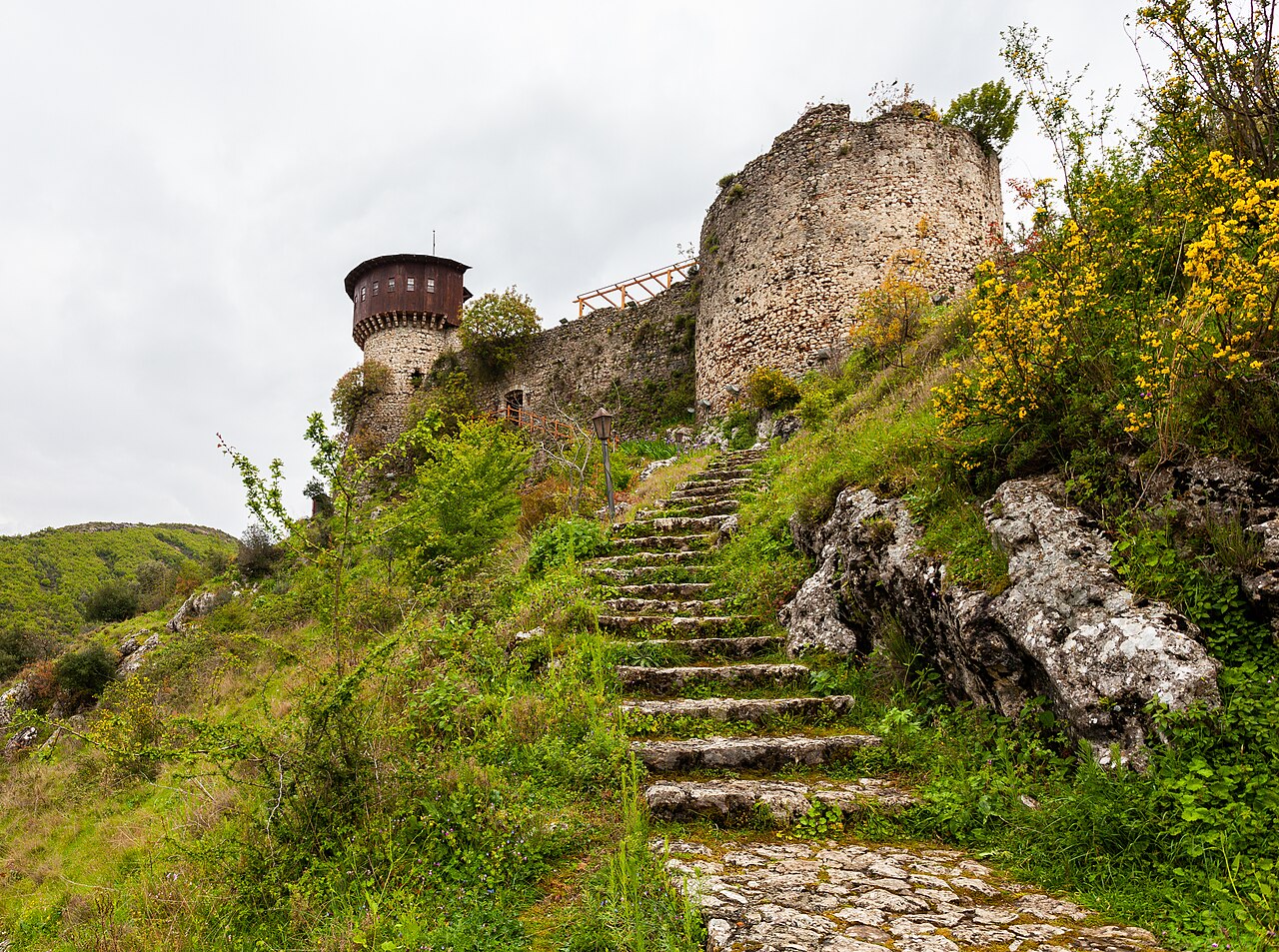
Dorëzi Fortress stands as the oldest known fortification in Tirana county, Albania, with origins tracing back to the 9th century BC. This ancient stronghold occupies a strategic position atop one of the highest hills in the Krrabë region, at approximately 479 metres above sea level. Its commanding vantage point would have provided extensive views over the surrounding landscape, an essential feature for early defensive structures.
Historical significance and archaeological exploration
The first systematic archaeological expedition at Dorëzi Fortress was conducted in 1951, revealing a complex history of occupation and construction phases. The site is believed by some scholars to correspond with the ancient settlement of Dimale, an important urban center in the region during antiquity. The archaeological findings, including pottery shards and structural remains, indicate that the fortress was inhabited and actively used through multiple historical periods, extending at least until the 4th to 6th centuries AD.
Architectural development and construction phases
The fortress's construction exhibits three distinct phases, each reflecting evolving building techniques and cultural influences. The earliest phase features walls built with raw stones, characteristic of early fortification methods in the region. This initial construction likely dates back to the 9th century BC, aligning with the fortress's founding period.
The second phase corresponds to the Hellenistic period, during which the walls were reconstructed or reinforced using carved blocks placed without mortar. This technique allowed for a more stable and durable fortification while demonstrating the influence of Hellenistic architectural styles and engineering knowledge.
The third and final phase of construction occurred between the 4th and 6th centuries AD, characterized by the use of crushed stones bonded with mortar. This method reflects Roman and early Byzantine building practices, indicating the fortress's continued strategic importance into late antiquity.
Structural features and layout
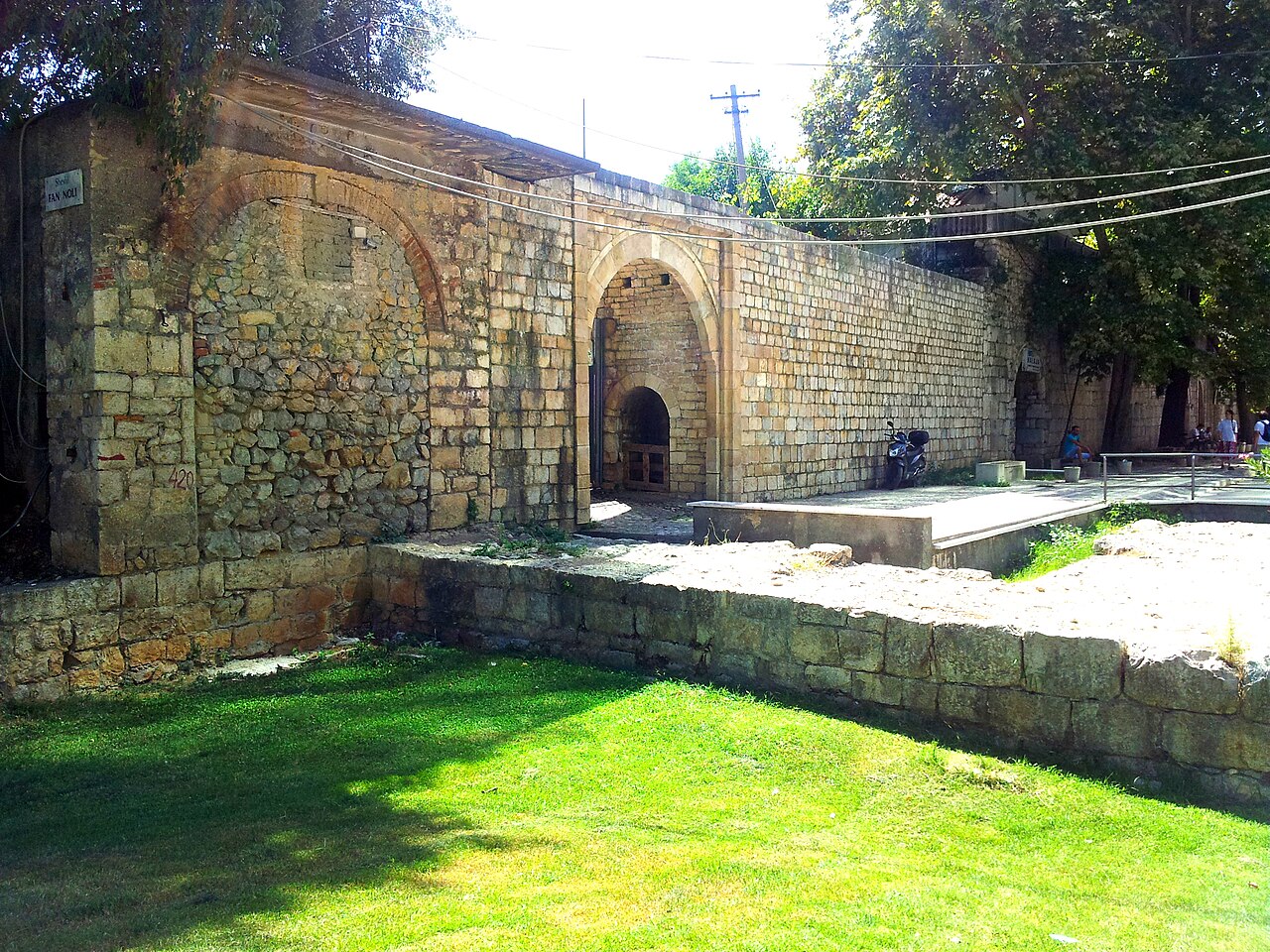
The remains of the fortress include a significant surrounding wall located primarily on the southern side, extending approximately 300 metres from east to west. The wall's considerable length suggests a sizeable enclosed area, possibly accommodating both military and civilian structures within its perimeter. The main entrance to the fortress is still discernible, providing insights into the defensive design and access control measures employed by its builders.
Defensive elements
The fortress's elevated position and robust walls would have served as formidable deterrents against attackers. The multi-phase construction indicates a continuous effort to adapt and strengthen the fortifications in response to evolving military threats and technological advancements.
Archaeological finds
Excavations have uncovered ancient pottery and vases dating from the early phases through to the late antique period. These artifacts confirm long-term habitation and provide valuable cultural context, shedding light on the daily lives of the fortress's inhabitants and their interactions with broader Mediterranean civilizations.
Regional and cultural context
Dorëzi Fortress occupies a significant place in the history of the Krrabë region and the wider area of central Albania. Its longevity and continuous occupation reflect the area's strategic importance from prehistoric times through the classical and late antique periods. The fortress likely functioned as a military stronghold, administrative center, and possibly a refuge for local populations during times of conflict.
Its connection to Dimale situates it within the network of Illyrian and later Roman settlements that contributed to the cultural and political landscape of ancient Illyria and later provinces under Roman rule.
Preservation and current condition
Today, Dorëzi Fortress exists as archaeological ruins, with substantial sections of its walls still visible. The site offers valuable insights into early fortification techniques and the historical continuity of settlement in the region. Preservation efforts focus on maintaining the integrity of the remaining structures and facilitating further archaeological research.
Visitors to the site can explore the hilltop ruins and appreciate the fortress's commanding views, gaining an understanding of its strategic significance and architectural evolution over more than a millennium.
Frequently asked questions (FAQ)
- What is the historical significance of Dorëzi Fortress?
- Dorëzi Fortress, located in Albania, dates back to the medieval period and played a crucial role in the defense of the region. It served as a strategic military outpost, controlling access to important trade routes and protecting the local population from invaders.
- When was Dorëzi Fortress built?
- The construction of Dorëzi Fortress is believed to have started in the 13th century. Over the centuries, it has undergone various renovations, reflecting the architectural styles and military needs of different historical periods.
- Can I visit Dorëzi Fortress?
- Yes, Dorëzi Fortress is open to visitors who wish to explore its rich history and stunning views. It is advisable to check local guidelines or tour availability before planning your visit.
- What are the opening hours for Dorëzi Fortress?
- Dorëzi Fortress typically opens to the public from 9 AM to 5 PM, but these hours may vary depending on the season. It is recommended to confirm the current opening hours before your visit to ensure a smooth experience.
- Is it possible to access Dorëzi Fortress by public transport?
- While public transport options may be limited, visitors can reach Dorëzi Fortress by taking a bus to the nearest town and then using a taxi or local transport. Alternatively, driving or joining a guided tour can provide more convenience and flexibility.
- What is the best time to visit Dorëzi Fortress?
- The best time to visit Dorëzi Fortress is during the spring and early autumn months when the weather is mild and pleasant. These seasons also offer fewer crowds, allowing for a more enjoyable exploration of the site.
- Are there any nearby attractions to visit along with Dorëzi Fortress?
- Yes, visitors can explore nearby attractions such as the picturesque village of Dorëz and the beautiful landscapes of the surrounding region. Additionally, there are hiking trails and local eateries that provide a taste of Albanian culture.
- How much does it cost to enter Dorëzi Fortress?
- The entrance fee to Dorëzi Fortress is generally very affordable, making it accessible for most visitors. It is advisable to check for any updates or changes to ticket prices before your visit.
Loading map...
Visitor reviews
No reviews yet. Been here? Write the first review and help other travelers!
Write the first reviewVisited this castle? Share your experience
Your review helps other travelers and adds first-hand knowledge to our encyclopedia.