Penlle’r Castell
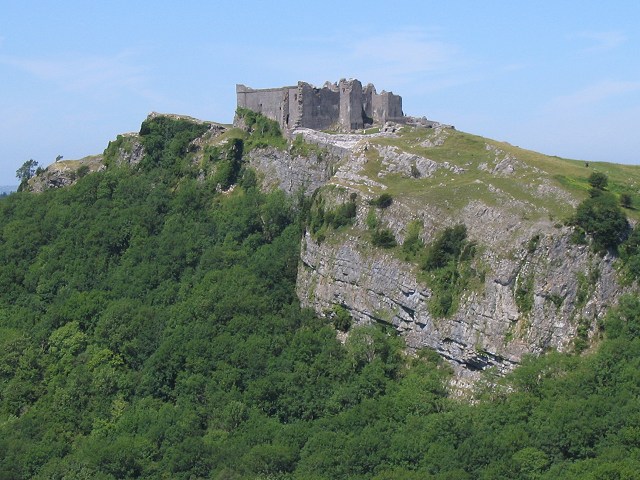
Penlle’r Castell stands as a significant example of a medieval military hill castle located on Mynydd y Gwair in Swansea, Wales. Constructed during the late 13th century by the Anglo-Norman Marcher Lords, it played a crucial role in the turbulent border conflicts of medieval Wales. The castle's strategic position atop a ridge allowed it to dominate key routes through northern Gower, providing surveillance and defense against incursions, particularly from the lords of Is Cennan across the River Amman.
Historical context and foundation
The origins of Penlle’r Castell are closely linked to the expansion of Anglo-Norman power in Wales during the Middle Ages. It was likely established under the direction of William de Braose, 2nd Baron Braose, a powerful Marcher Lord known for consolidating control over the region. The castle is historically identified as the "New Castle of Gower", a name found in medieval records that document its destruction in 1252. This event marked a significant episode in the regional power struggles that characterized the borderlands between Norman-controlled territories and Welsh principalities.
Unlike many castles of the period, Penlle’r Castell was not intended as a permanent residence. Instead, it functioned primarily as a military outpost and blockhouse to support mounted troops. These soldiers were tasked with rapid response to raids, harrying enemy forces, and relaying warnings to the nearby town of Swansea. Its role was defensive and strategic rather than domestic.
Architectural features and layout
The castle's remains today consist mainly of earthworks and stone ruins that outline its original defensive structures. The site is characterized by deep ditches cut into the natural hill terrain, which served as formidable obstacles to attackers. These ditches, combined with the elevated position, created a strong defensive perimeter.
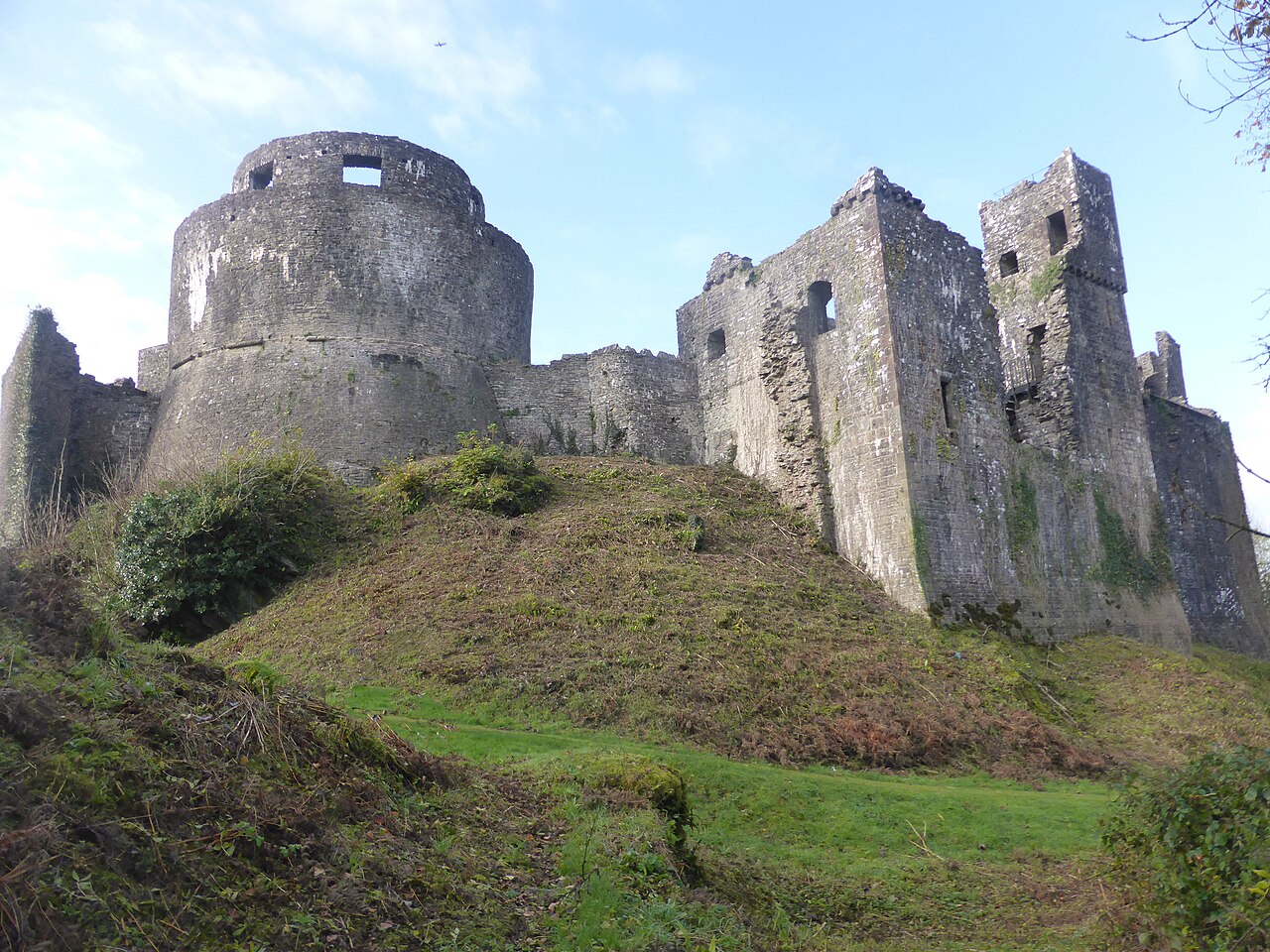
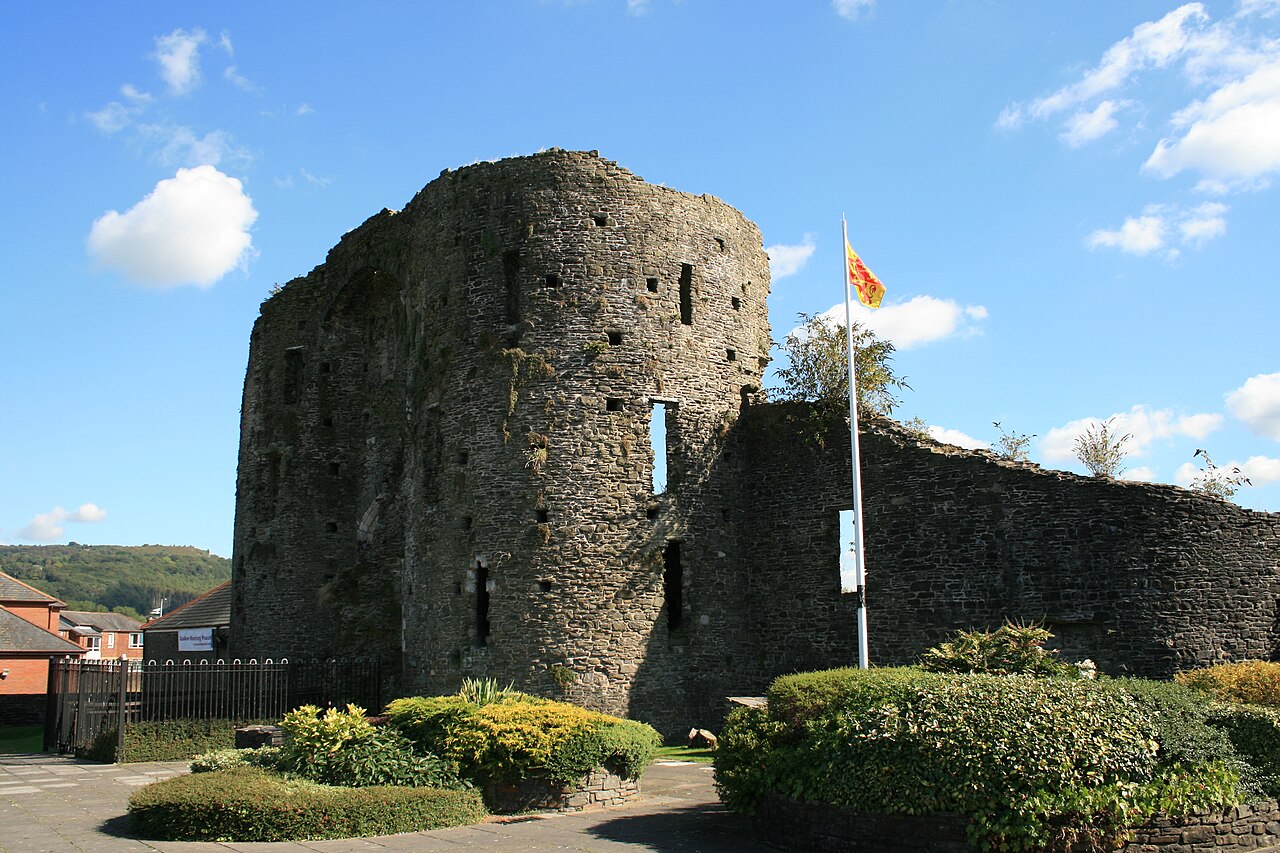
Within the enclosure, there are remnants of at least two stone towers constructed using dry stone walling techniques. This method, which involves fitting stones together without mortar, was common for rapid construction and provided durable fortifications. These towers likely served as lookout points and strongholds, enabling defenders to monitor the surrounding landscape effectively.
The castle's layout reflects a focus on military utility, with an emphasis on surveillance and quick deployment of mounted troops. The uneven terrain around the site, with hills to the southeast and flatter land to the northwest, enhanced its strategic advantage by controlling movement along the ridge route through northern Gower.
Military significance and use
Penlle’r Castell's primary function was as a defensive checkpoint rather than a noble residence. It was strategically positioned to guard against raids from Welsh lords and to maintain Norman control over the region. The castle's design facilitated rapid communication and troop movement, essential for responding to the volatile border conflicts of the time.
The castle's destruction in 1252 ended its active military role. Unlike other fortifications that were rebuilt or adapted, Penlle’r Castell was left in ruin, reflecting a shift in regional power dynamics and military strategy. Its abandonment has preserved the site as an archaeological record of Anglo-Norman military architecture in Wales.
Current condition and archaeological importance
Today, Penlle’r Castell exists as a ruined hill castle with significant earthworks and stone remains visible on the landscape. The surviving structures provide valuable insights into medieval military architecture and the use of dry stone construction in fortifications.
The site is important for understanding the nature of Anglo-Norman control in Wales and the military strategies employed along the Marches. Its preservation allows historians and visitors to appreciate the challenges of medieval border defense and the architectural responses to these challenges.
Local historical interpretations emphasize the castle's role as a military blockhouse for mounted troops, highlighting its specialized function within the network of fortifications in the region. The castle's commanding views and defensive earthworks remain a testament to its historical significance.
Visiting penlle’r castell
While Penlle’r Castell is primarily an archaeological site with ruined remains, it offers visitors a unique opportunity to explore a medieval military fortification in a natural hilltop setting. The site’s earthworks and stone remnants can be accessed via hiking routes on Mynydd y Gwair, providing panoramic views of northern Gower and the surrounding countryside.
Visitors interested in medieval history and castle architecture will find the site a compelling example of Anglo-Norman military strategy and construction techniques. As the castle is not a restored or fully preserved structure, visitors should be prepared for a rugged experience and take care when exploring the uneven terrain.
Frequently asked questions (FAQ)
- When was Penlle’r Castell built and by whom?
- Penlle’r Castell was constructed before 1252 by the Anglo-Norman Marcher Lords, likely under William de Braose, 2nd Baron Braose, as a military outpost.
- What was the primary purpose of Penlle’r Castell?
- The castle served mainly as a military blockhouse and defensive checkpoint to oversee and protect northern Gower from raids, rather than as a noble residence.
- What remains can be seen at Penlle’r Castell today?
- Visitors can see prominent earthworks, deep defensive ditches, and the ruins of stone towers built using dry stone walling, reflecting its medieval military architecture.
- Is Penlle’r Castell accessible to the public?
- Yes, the site is accessible via hiking trails on Mynydd y Gwair, but visitors should be prepared for uneven terrain and that the castle is in ruins without modern facilities.
- Why was Penlle’r Castell destroyed and not rebuilt?
- The castle was destroyed in 1252 during regional conflicts and was not restored, likely due to changes in military strategy and shifting power dynamics in the area.
Information
Loading map...
Visitor reviews
No reviews yet. Been here? Write the first review and help other travelers!
Write the first reviewVisited this castle? Share your experience
Your review helps other travelers and adds first-hand knowledge to our encyclopedia.