Peniche Fortress
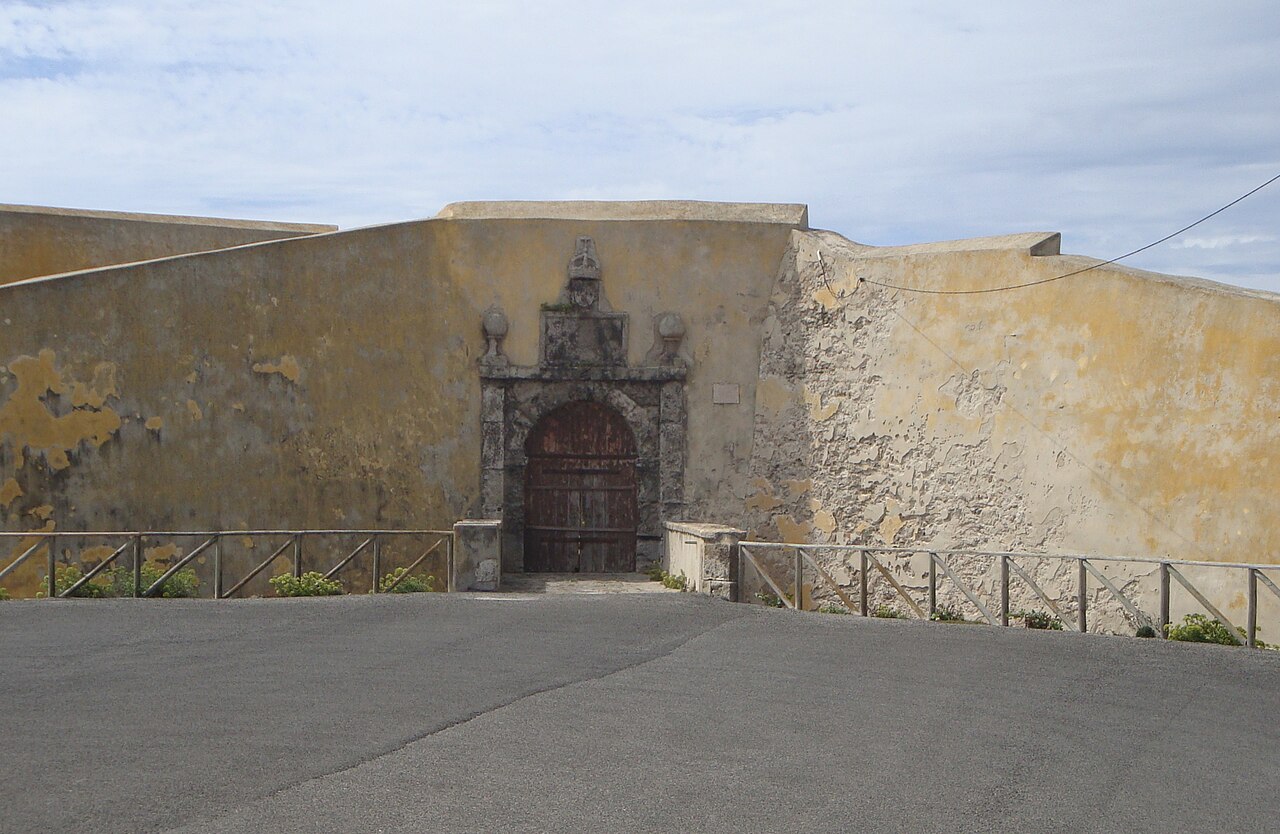
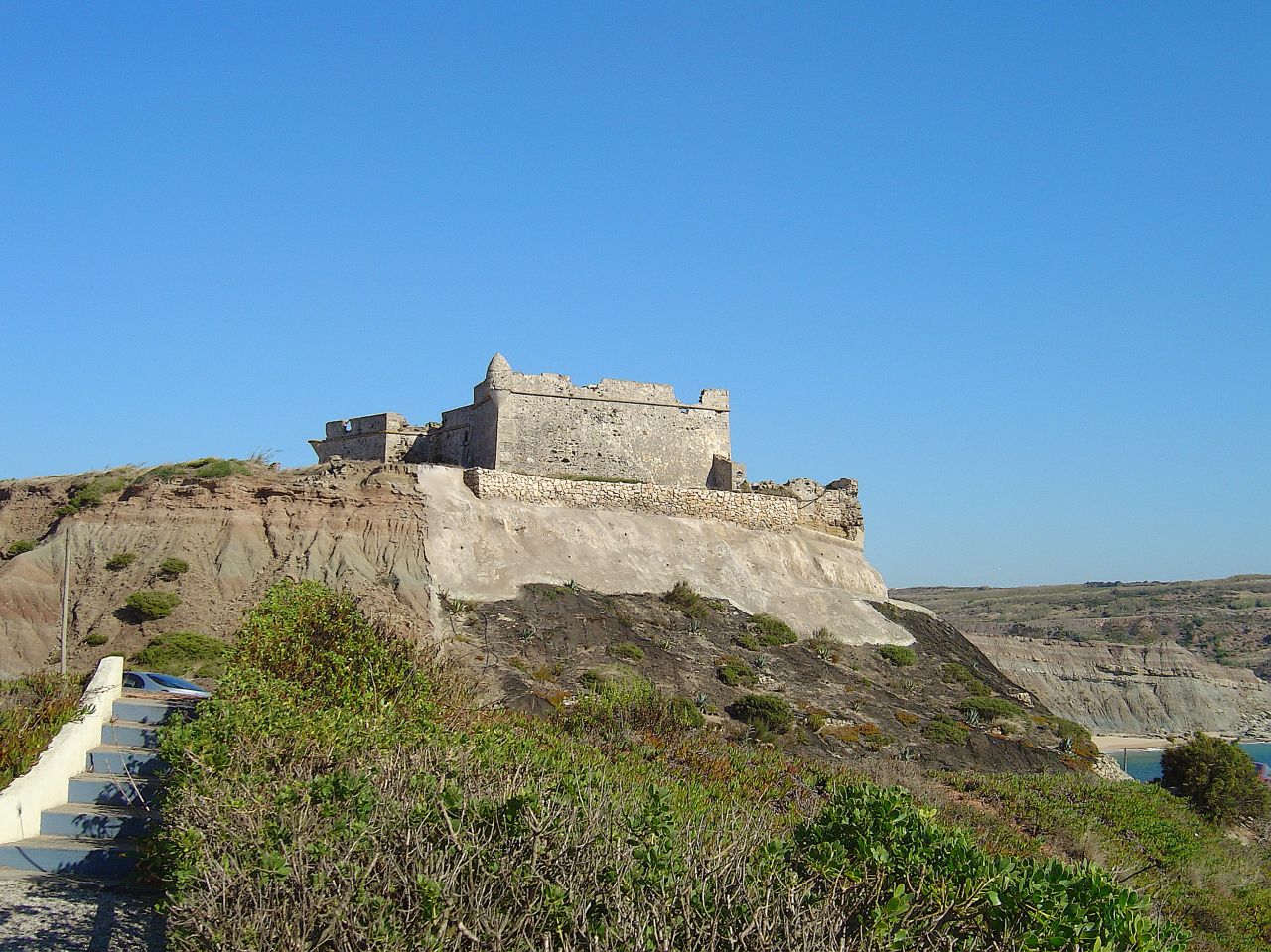
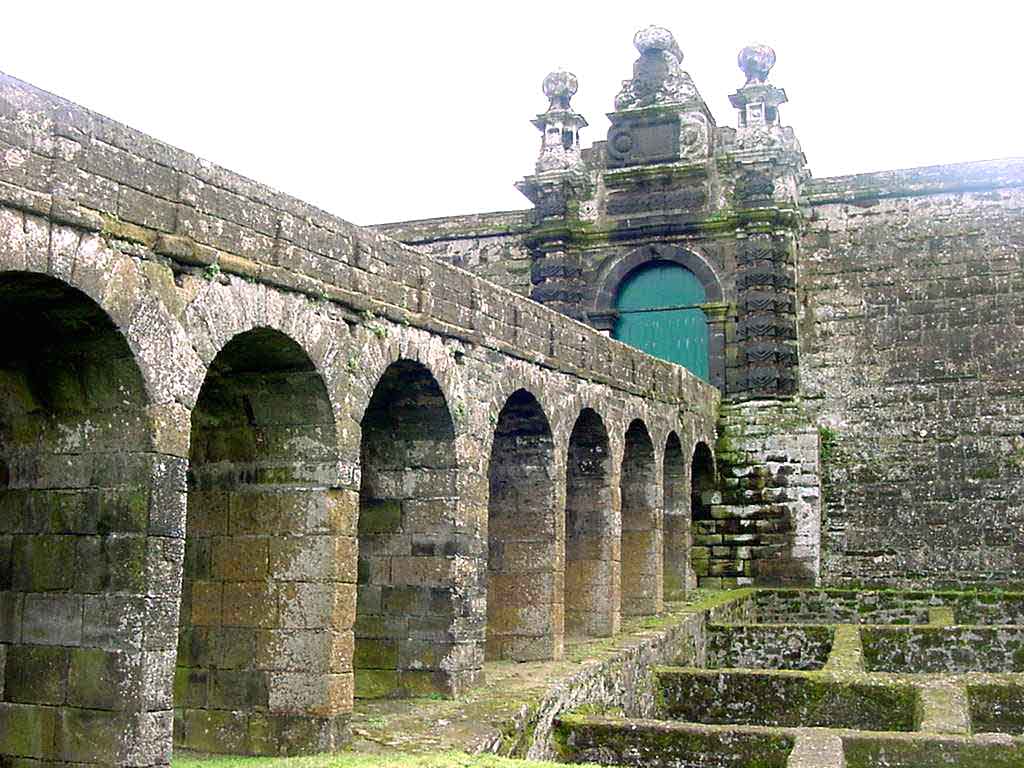
Peniche Fortress stands prominently in the municipality of Peniche, located in the Oeste region of Portugal. This 16th-century bastioned fortress was constructed on the site of the former Castle of Atouguia da Baleia, of which only a few remnants survive today. The initial phase of construction began in 1557 and 1558, during the Renaissance period, reflecting the military architectural advances of the time, particularly the adoption of the bastioned fortress design which was developed to withstand artillery attacks.
Architectural design and structure
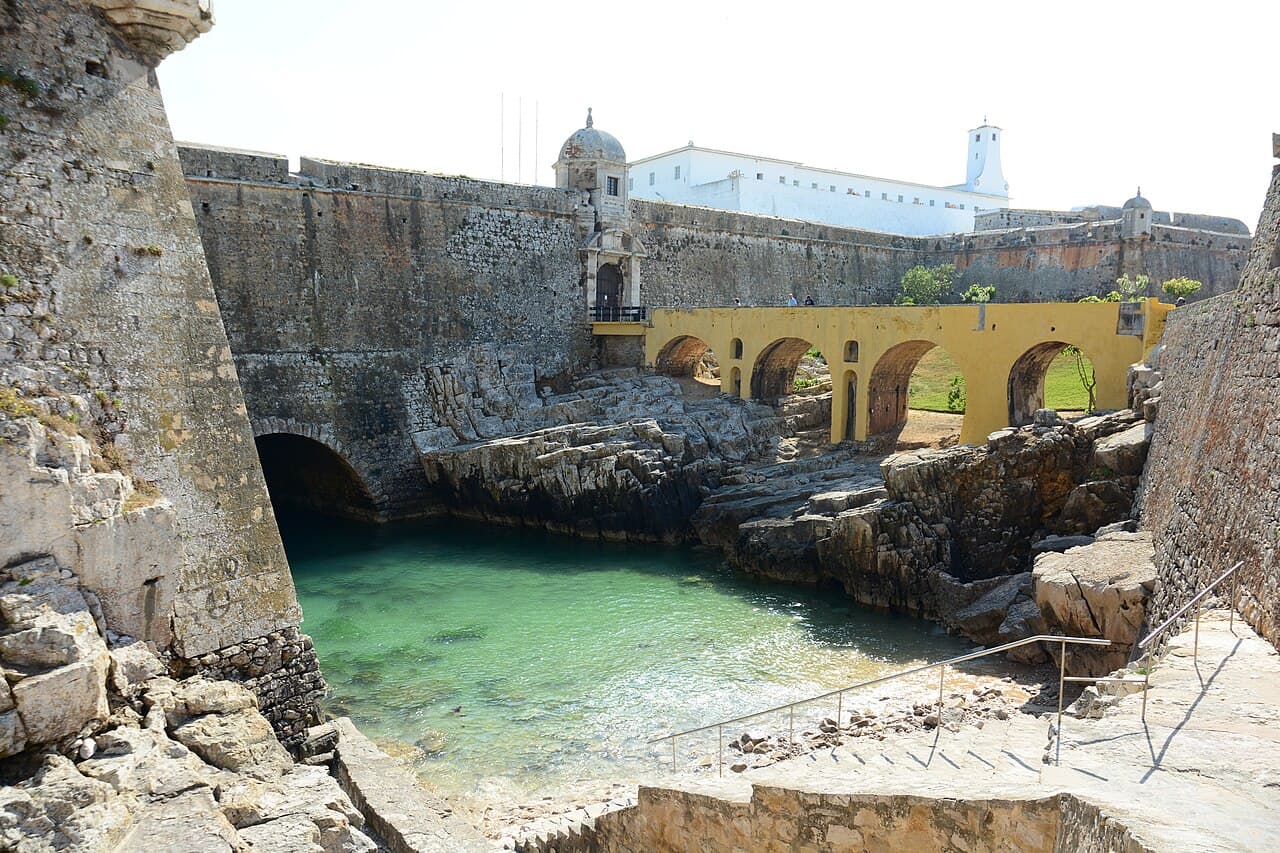
The fortress is characterized by its defensive walls that enclose an area of approximately two hectares. These walls are divided into upper and lower sections, creating a layered defense system. The bastioned design includes angular bastions that allowed defenders to cover adjacent walls with gunfire, a key feature of Renaissance military architecture. The thick stone walls and strategic placement near the coast enhanced its defensive capabilities against naval and land assaults.
Layout and fortifications
The fortress layout is typical of the period's military engineering, with a polygonal shape adapted to the terrain. The bastions protrude outward, providing overlapping fields of fire. Inside, the fortress contained barracks, storage facilities, and artillery platforms. The upper part likely housed the command quarters and key defensive positions, while the lower section accommodated troops and supplies.
Historical significance and uses
Throughout its history, Peniche Fortress has served multiple roles. Originally built to defend the Portuguese coast from pirate raids and foreign invasions, it became a crucial military installation. In later centuries, the fortress was repurposed as a political prison during the Estado Novo regime, Portugal's authoritarian government in the 20th century. During this period, it held many political prisoners who opposed the regime, making it a symbol of resistance and repression.
Role during the Estado Novo regime
The fortress's use as a prison during the Estado Novo reflects its strategic importance beyond military defense. It was equipped to securely detain prisoners and prevent escapes. The harsh conditions and the fortress's isolation made it a feared detention site. Today, this aspect of its history is commemorated in the museum dedicated to resistance against the Estado Novo located within the fortress grounds.
Preservation and current status
Peniche Fortress is currently well preserved and open to the public. The structure retains many of its original defensive features, allowing visitors to appreciate the Renaissance military architecture firsthand. The museum inside the fortress provides detailed exhibitions on its history, particularly focusing on its role as a political prison. Visitors can explore the bastions, walls, and internal chambers, gaining insight into the fortress's multifaceted past.
Visitor experience
The fortress offers a unique combination of historical military architecture and 20th-century political history. Guided tours and informational displays help contextualize the fortress's significance in Portuguese history. Its coastal location also provides scenic views of the Atlantic Ocean, adding to the visitor appeal.
Geographical and strategic importance
Situated on the Atlantic coast, Peniche Fortress occupied a key position for monitoring maritime activity and defending the coastline. Its location allowed control over naval routes and protection against invasions from the sea. The fortress's design took advantage of natural terrain features to maximize its defensive potential.
Photo gallery

Information
Current owner
Municipality of Peniche
Loading map...
Visitor reviews
No reviews yet. Been here? Write the first review and help other travelers!
Write the first reviewVisited this castle? Share your experience
Your review helps other travelers and adds first-hand knowledge to our encyclopedia.