Fort of Consolation Beach
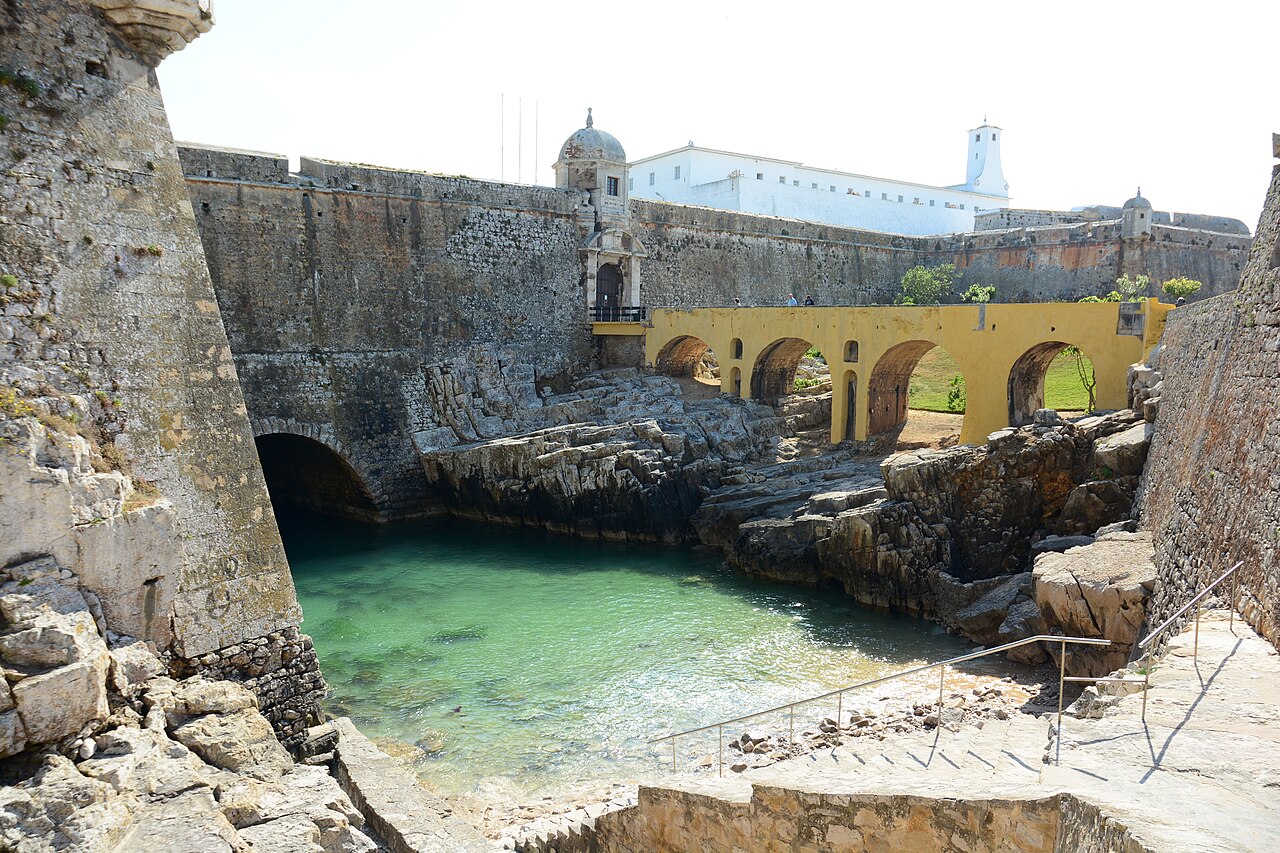
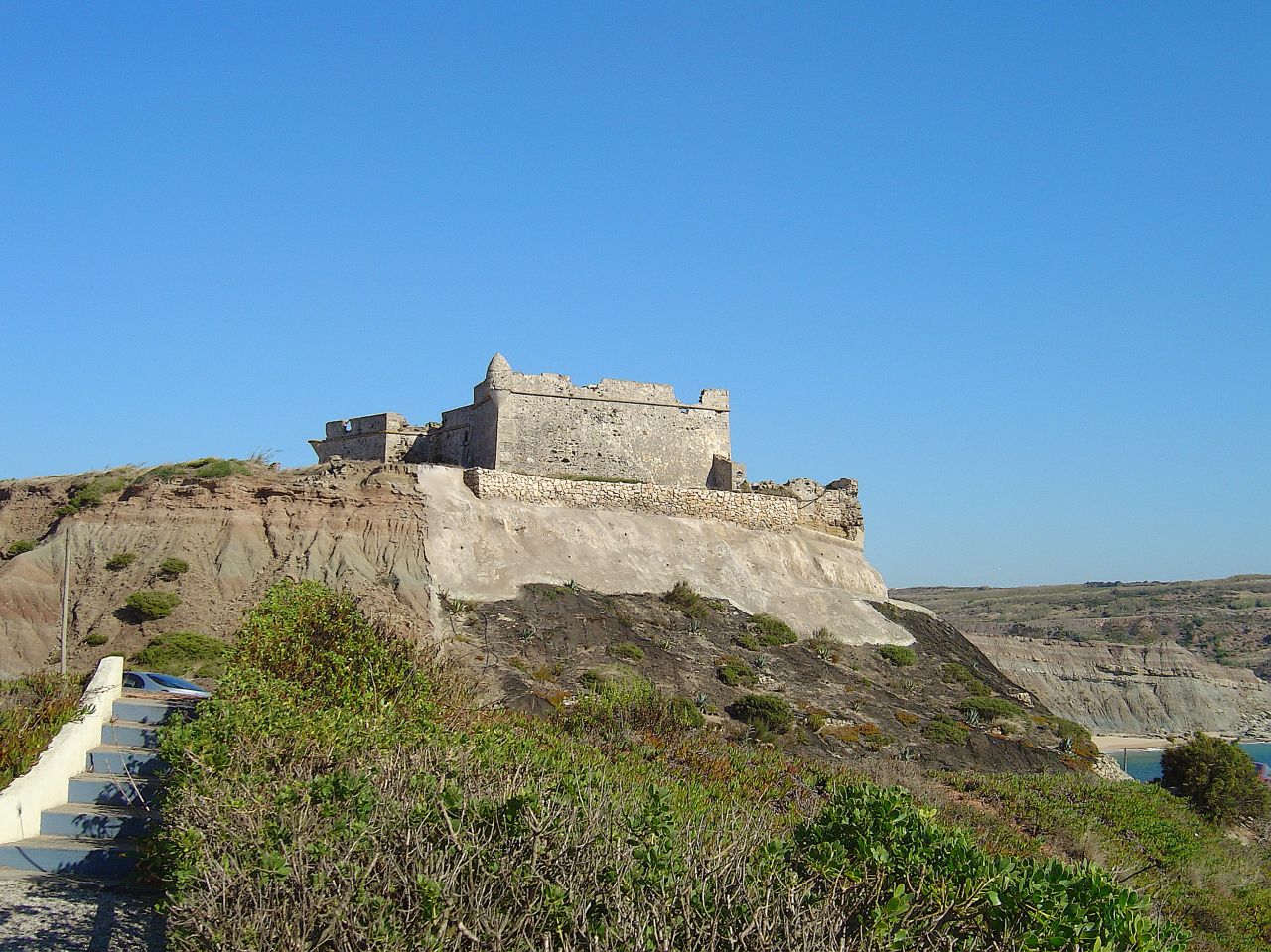
The Fort Nossa Senhora da Consolação, commonly known as the Fort of Consolation Beach (Forte da Praia da Consolação), is a significant 17th-century Renaissance bastioned fortress located on the Atlantic coast of Portugal. It stands in the parish of Atouguia da Baleia, within the municipality of Peniche, in the Leiria District. This fortification is an important example of coastal defense architecture developed during a turbulent period in Portuguese history.
Constructed in 1645, the fort was built amid the Portuguese Restoration War (1640–1668), a conflict that ended 60 years of Spanish rule and restored Portuguese independence. The initiative for its construction came from D. Jerónimo de Ataíde, the 6th Count of Atouguia and Lord of Peniche, who recognized the strategic necessity of fortifying the coastline against potential Spanish naval attacks and piracy.
Historical context and strategic importance
The Portuguese Restoration War was a crucial period that saw the reestablishment of Portugal’s sovereignty. Coastal defenses like the Fort of Consolation Beach were vital in protecting the nation’s shores from maritime incursions. The fort's location on the Atlantic coast near Peniche was particularly strategic, as this area was vulnerable to enemy fleets approaching Lisbon and other key ports.
The fort was part of a broader network of fortifications along the western coast of Portugal designed to secure maritime routes and safeguard local fishing communities and trade. Its presence helped to deter enemy landings and provided a defensive stronghold to control the surrounding waters.
Architectural features and design
The Fort of Consolation Beach exemplifies the Renaissance military architecture style, characterized by its bastioned fortress design. This design was influenced by the Italian school of fortification, which emphasized angular bastions and low, thick walls to better resist artillery fire.
The fort's layout includes angular bastions that project outward from the main walls, allowing defenders to cover adjacent walls with crossfire, eliminating blind spots. The walls are constructed from local stone and are notably thick to absorb cannonballs and resist bombardment.
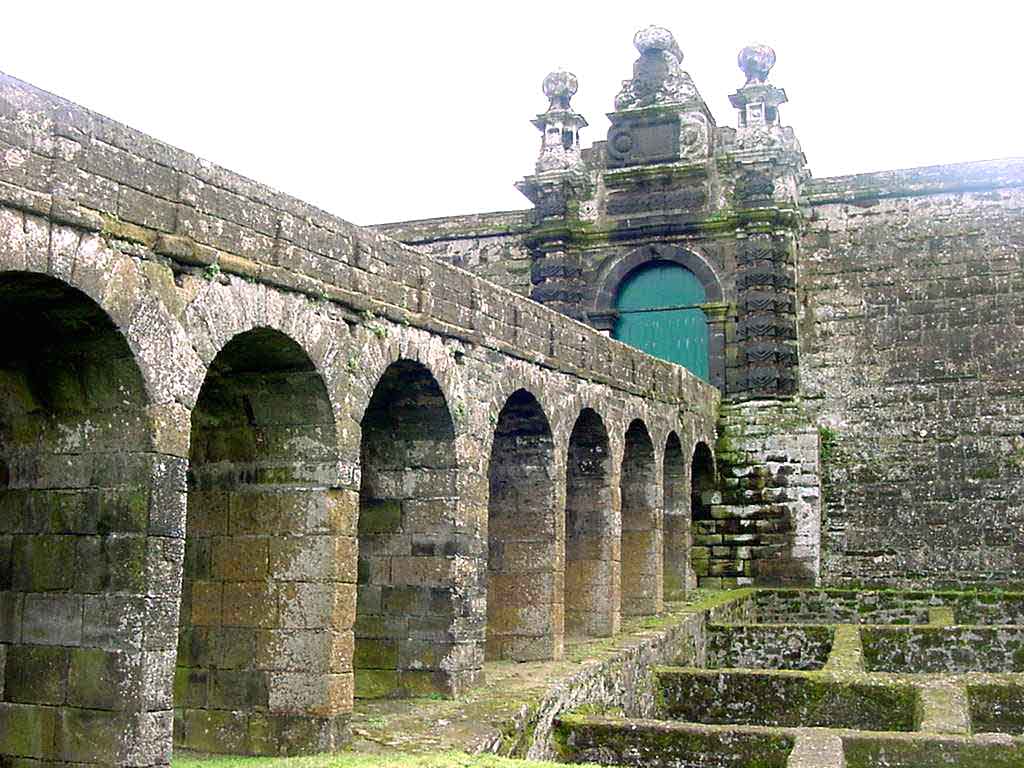
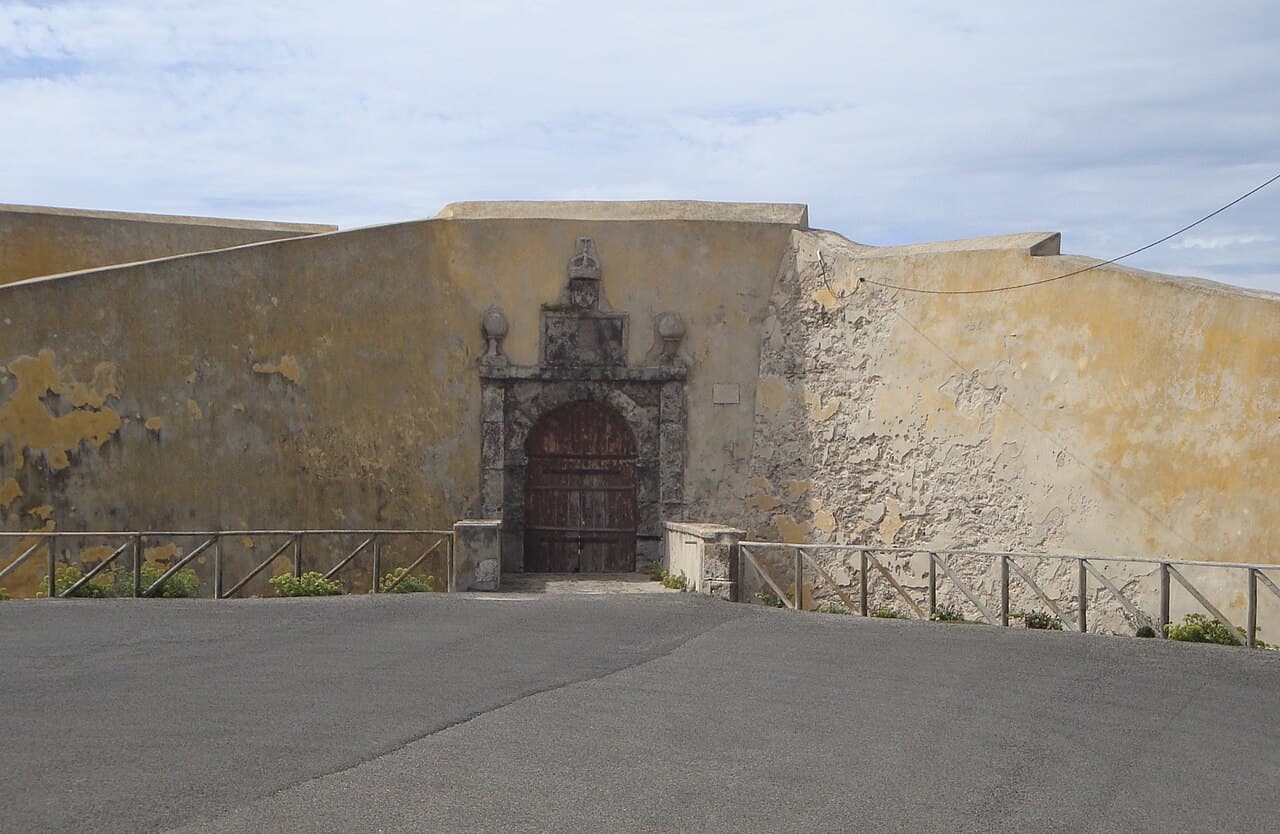
A moat or ditch likely surrounded the fortress, enhancing its defensive capabilities by impeding direct assaults on the walls. The entrance was fortified with a gatehouse, possibly equipped with a drawbridge or heavy wooden doors to control access.
Internal structures
Inside the fort, there would have been casemates or vaulted chambers used to house troops and store ammunition. The fort also contained barracks for the garrison and magazines for gunpowder. The design prioritized functionality and defense, with limited ornamental features, consistent with military architecture of the Renaissance period.
Role and evolution through history
Following its construction, the Fort of Consolation Beach served as a coastal defense point for several centuries. It was garrisoned by soldiers tasked with monitoring the sea and protecting the coastline from enemy fleets and pirates. The fort's artillery would have included cannons positioned on the bastions to cover the approaches by sea.
Over time, as military technology evolved and the threat of naval invasion changed, the fort's strategic importance diminished. However, it remains a valuable cultural and historical monument, reflecting the military engineering of its era.
Later modifications and preservation
Throughout its history, the fort may have undergone repairs and modifications to adapt to new military needs, although its core Renaissance bastioned structure has been preserved. Today, the fort is recognized for its historical significance and is part of the cultural heritage of the Peniche region.
Visiting the fort and cultural significance
The Fort of Consolation Beach is accessible to visitors interested in military history and Renaissance architecture. Its coastal location offers scenic views of the Atlantic Ocean and the surrounding landscape. The fort is an important landmark for understanding Portugal’s maritime defense system during the 17th century.
Visitors can explore the remaining walls, bastions, and internal chambers, gaining insight into the defensive strategies employed during the Portuguese Restoration War. The site also serves as a reminder of the region's historical resilience and the efforts made to secure Portugal’s independence.
Nearby attractions include the historic town of Peniche, known for its fishing industry and maritime heritage, as well as other coastal fortifications that together illustrate the extensive network of defenses along Portugal's western shore.
Frequently asked questions (FAQ)
- What is the historical significance of Fort of Consolation Beach?
- The Fort of Consolation Beach, built in the 17th century, played a crucial role in defending the Portuguese coast against potential invasions. Its strategic location allowed for surveillance of naval routes, making it an important military installation during its time.
- When was Fort of Consolation Beach constructed?
- Construction of the Fort of Consolation Beach began in the late 1600s and was completed in the early 1700s. It was part of a larger network of coastal defenses developed to protect Portugal from pirate attacks and foreign invasions.
- How do I get to Fort of Consolation Beach?
- The fort is easily accessible by car and is located just a short drive from the center of Peniche. Public transportation options are available, including buses that connect to Peniche from larger cities in Portugal.
- What are the opening hours for Fort of Consolation Beach?
- The fort is open to visitors from 10 AM to 6 PM daily, although hours may vary during holidays. It’s advisable to check the official website before your visit for any updates on operating hours.
- Can I enter the fort and explore its interior?
- Yes, visitors are allowed to enter and explore the interior of the Fort of Consolation Beach. Guided tours are sometimes available, providing insights into its history and architecture.
- Is it possible to visit Fort of Consolation Beach year-round?
- Yes, the fort is open to visitors throughout the year, making it a great destination for history enthusiasts regardless of the season. However, be aware that extreme weather conditions may affect accessibility during winter months.
- What are the ticket prices for visiting Fort of Consolation Beach?
- Admission to the Fort of Consolation Beach is typically free, but some special exhibitions or guided tours may have a small fee. It's best to check in advance for any changes to the pricing structure.
- What is the best time to visit Fort of Consolation Beach?
- The best time to visit is during the spring and fall when the weather is mild and the tourist crowds are smaller. Summer can be quite busy, but it offers vibrant beach activities in the surrounding area.
- Are there any nearby attractions to Fort of Consolation Beach?
- Yes, nearby attractions include the beautiful beaches of Peniche, the Berlengas Archipelago, and the historic town of Obidos. Each location offers unique experiences, making it easy to plan a full day of exploration.
Photo gallery

Information
Loading map...
Visitor reviews
No reviews yet. Been here? Write the first review and help other travelers!
Write the first reviewVisited this castle? Share your experience
Your review helps other travelers and adds first-hand knowledge to our encyclopedia.