Fort of São João Baptista
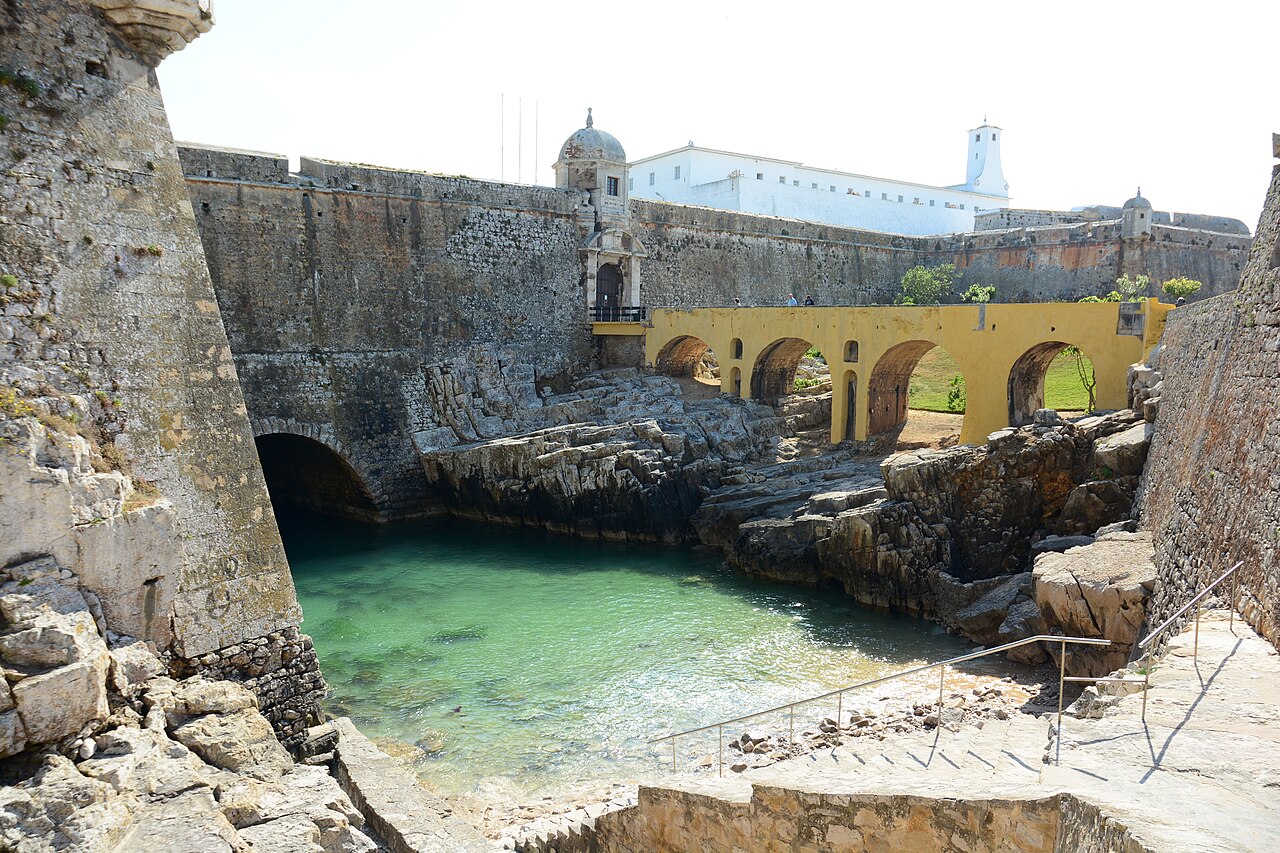
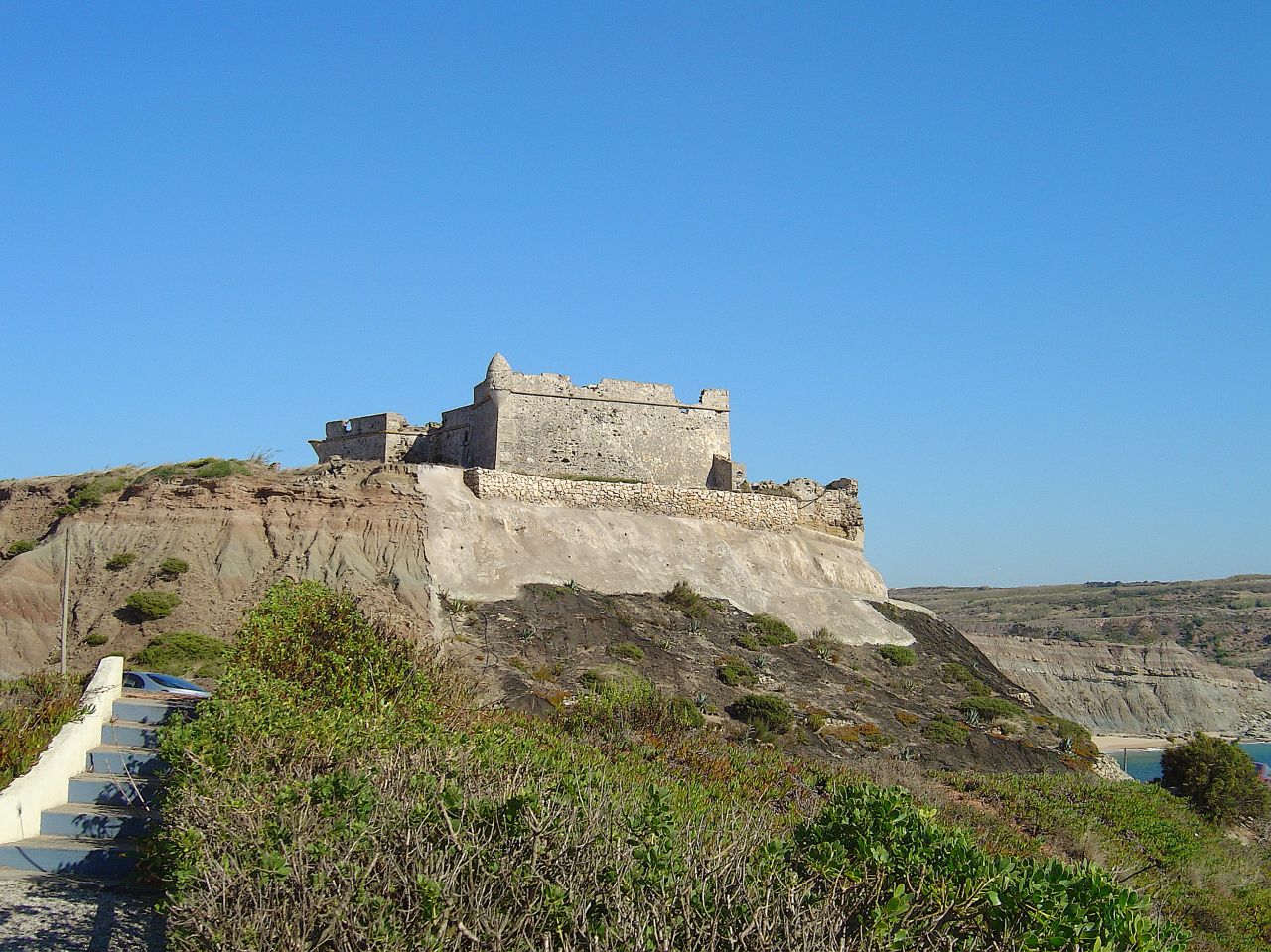
The Fort of São João Baptista stands as a remarkable example of 17th-century coastal military architecture on Berlenga Grande, the largest of the Berlengas archipelago off the coast of Portugal's Centro Region. This fortification was constructed to protect the strategic Atlantic maritime routes from frequent pirate attacks and foreign naval threats. The island itself has a rich history of human occupation dating back to Antiquity, known as the island of Saturn to Roman geographers, and later visited by Muslim navigators, Vikings, and European corsairs.
Early history and strategic significance of Berlenga Grande
Berlenga Grande's location made it a critical point for controlling maritime navigation along the Portuguese coast. In 1513, under the patronage of Queen D. Leonor, monks from the Order of St. Jerome established a monastery on the island, named the Monastery of the Mercy of Berlenga. This institution aimed to provide assistance to sailors and victims of shipwrecks caused by the treacherous Atlantic waters and the frequent raids by Moroccan, Algerian, English, and French pirates. Despite its noble mission, the monastery struggled with food shortages, disease, and continuous pirate assaults, which ultimately led to its abandonment.
Construction and military role of the fort
During the Portuguese Restoration War (1640-1668), King João IV's War Council ordered the demolition of the monastery ruins to reuse the stones for a new fortification. The fort was intended to defend this vital coastal point against privateers and enemy fleets. Although the exact start date of construction is unknown, records show that by 1655 the fort was already under construction and successfully resisted its first attack from three ships flying the Turkish flag.
The 1666 Spanish attack
One of the fort's most notable military engagements occurred in 1666 during an attempted Spanish invasion connected to the political intrigue surrounding the French princess Maria Francisca Isabel de Saboia, fiancée of King Afonso VI. A Spanish squadron of 15 vessels launched a combined naval and land assault on the fort, which was defended by just over two dozen soldiers led by Cabo António Avelar Pessoa. Despite being heavily outnumbered, the defenders inflicted severe losses on the attackers, sinking the Spanish ship Covadonga and damaging others. However, after exhausting ammunition and supplies and a betrayal by a deserter, the fort surrendered, losing nine artillery pieces to the invaders.
Role in later conflicts and decline
During the Peninsular War, the fort served as a support base for English forces conducting guerrilla operations along the coast, with local populations actively assisting the allied troops. Later, the fort underwent restoration, including the rebuilding of its chapel, maintaining its religious and military functions.
The Portuguese Civil War and aftermath
In the Portuguese Civil War (1828-1834), the fortress was controlled by supporters of Miguel I. However, due to a shortage of artillery, the miguelistas could not withstand the liberal forces' assault, who used the fort as a staging ground for their attack on the Peniche citadel. Following this period, the fort lost its military importance as warfare evolved in the 19th century, leading to its abandonment and partial dismantling in 1847. It then found a new role as a base for commercial fishing activities.
20th-century restoration and current use
In the mid-20th century, the fort was partially restored and adapted to serve as a guesthouse, promoting tourism on the island. Today, it functions as a house-shelter managed by the Association of the Friends of Berlengas, welcoming visitors who seek to explore the island's natural beauty and historical heritage. The fort remains a significant cultural landmark, reflecting the complex maritime history and defensive architecture of Portugal.
Architectural features and layout
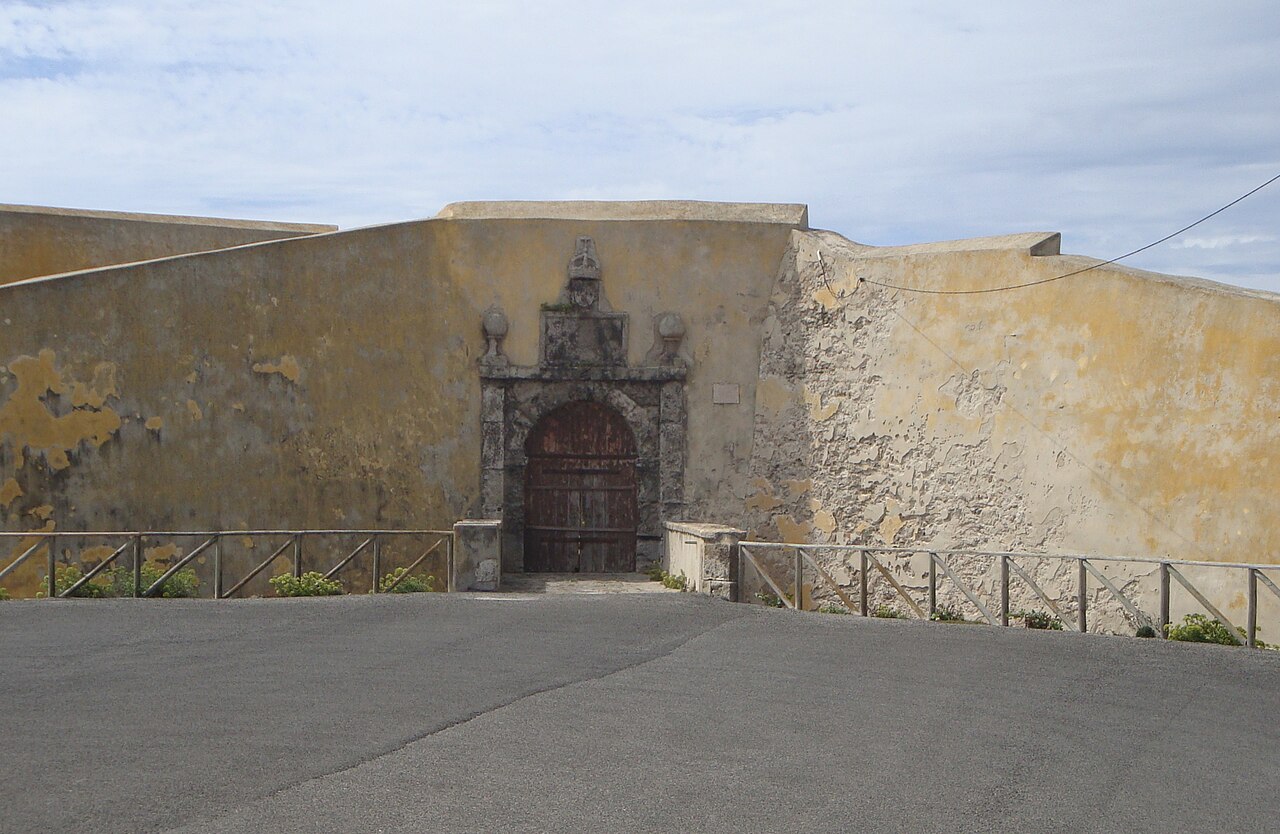
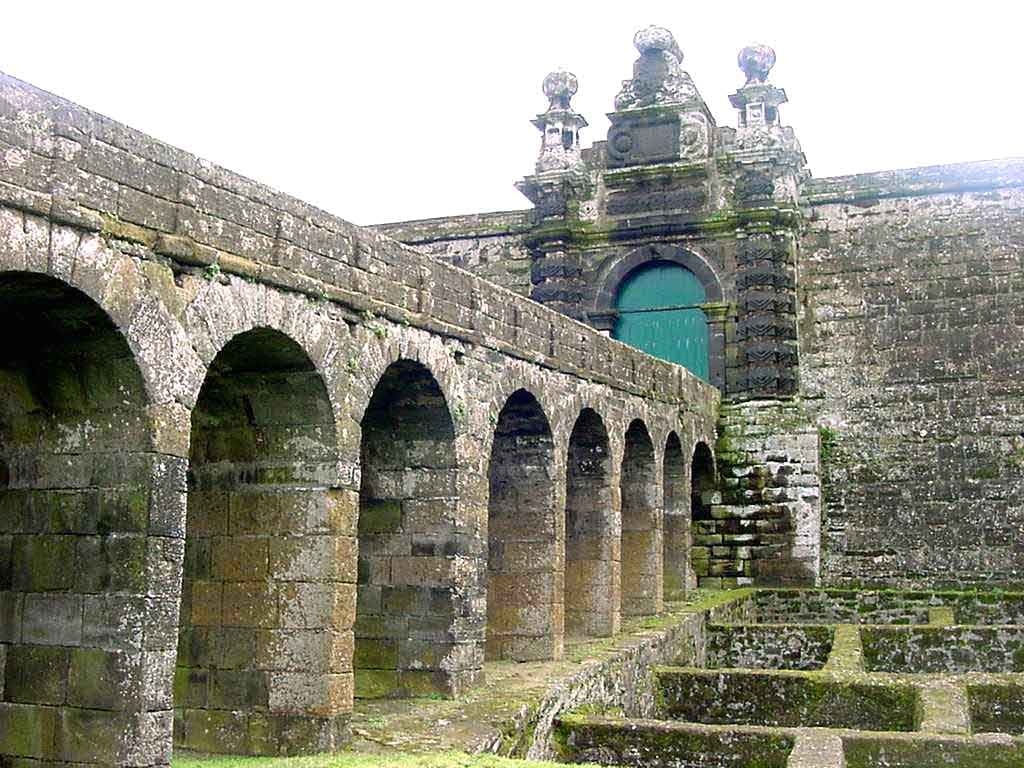
The Fort of São João Baptista exhibits typical characteristics of coastal fortifications from the 17th century, including robust stone walls designed to withstand naval bombardment. The fort's design incorporates bastions and artillery placements that provided overlapping fields of fire over the surrounding sea approaches. The inclusion of a chapel within the fort's walls highlights the integration of military and religious functions common in Portuguese fortifications of this period. The fort's strategic position on the island allowed for effective surveillance and defense against pirate incursions and enemy fleets.
Visiting the fort and its surroundings
Visitors to the fort can experience a unique blend of natural and historical attractions. The island's rugged landscape and clear Atlantic waters offer opportunities for hiking, bird watching, and exploring marine life. The fort itself provides insight into Portugal's maritime defense strategies and the turbulent history of the Atlantic coast. Access to the island is typically by boat from the mainland, and the fort's preservation as a guesthouse allows for immersive stays that connect guests with the island's past.
Frequently asked questions (FAQ)
- How do I get to the Fort of São João Baptista?
- The fort is located on Berlenga Grande Island, accessible by boat from the mainland port of Peniche. Regular boat tours operate during the tourist season, providing convenient access to visitors.
- What is the historical significance of the Fort of São João Baptista?
- The fort played a crucial role in protecting the Portuguese coast during the Restoration War and other conflicts, defending against pirate attacks and foreign invasions.
- Can I stay overnight at the fort?
- Yes, the fort has been adapted into a guesthouse managed by the Association of the Friends of Berlengas, offering unique accommodation experiences on the island.
- Is the fort suitable for visitors with limited mobility?
- Due to its historic and rugged nature, the fort may have limited accessibility for visitors with mobility challenges. Visitors should prepare for uneven terrain and steps.
- When is the best time to visit the fort?
- The best time to visit is during the spring and summer months when boat services are frequent, and weather conditions are favorable for exploring the island and fort.
Photo gallery

Photo by José Luís Ávila Silveira/Pedro Noronha e Costa 13:39, 18 July 2007 (UTC)•Public domain
Information
Current owner
Association of the Friends of Berlengas
Loading map...
Visitor reviews
No reviews yet. Been here? Write the first review and help other travelers!
Write the first reviewVisited this castle? Share your experience
Your review helps other travelers and adds first-hand knowledge to our encyclopedia.