Fort of Paimogo
The Fort of Paimogo, formally known as the Fort of Our Lady of the Angels of Paimogo (Forte de Nossa Senhora dos Anjos de Paimogo), is a significant example of 17th-century military architecture located on the scenic Paimogo beach near the town of Lourinhã in the Lisbon District of Portugal. Built in 1674 during the Renaissance period, this bastioned fortress was designed for coastal defense against maritime threats during a time when Portugal was strengthening its fortifications along its extensive coastline.
Historical context and strategic importance
The construction of the Fort of Paimogo came at a time when Portugal was consolidating its defenses following the restoration of its independence from Spain in 1640. The fort was part of a broader network of fortifications intended to protect the coastline from potential invasions and pirate attacks, particularly during the turbulent 17th century when European powers vied for control of maritime routes.
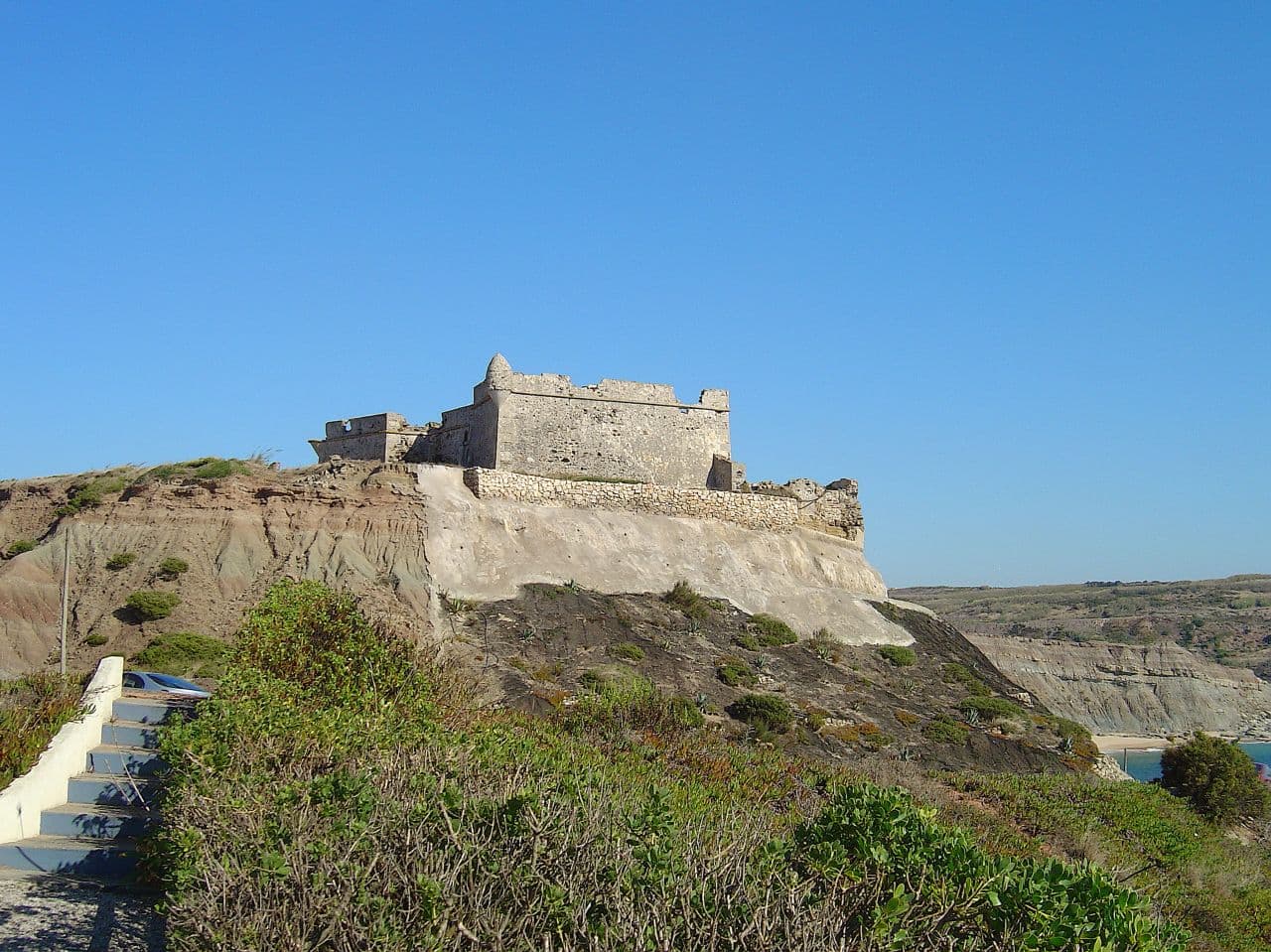
Located on a commanding position overlooking the Atlantic Ocean, the fort's placement on Paimogo beach allowed for surveillance of naval movements and provided a defensive stronghold to safeguard the nearby settlements and maritime approaches. Its proximity to the town of Lourinhã made it a critical point in the coastal defense system of the Lisbon District.
Architectural features and design
The Fort of Paimogo is an exemplary model of a bastioned fortress, a style that became prominent in the Renaissance as military architects adapted to the increasing use of artillery. The fort features angular bastions designed to provide overlapping fields of fire, minimizing blind spots and enhancing defensive capabilities against attackers.
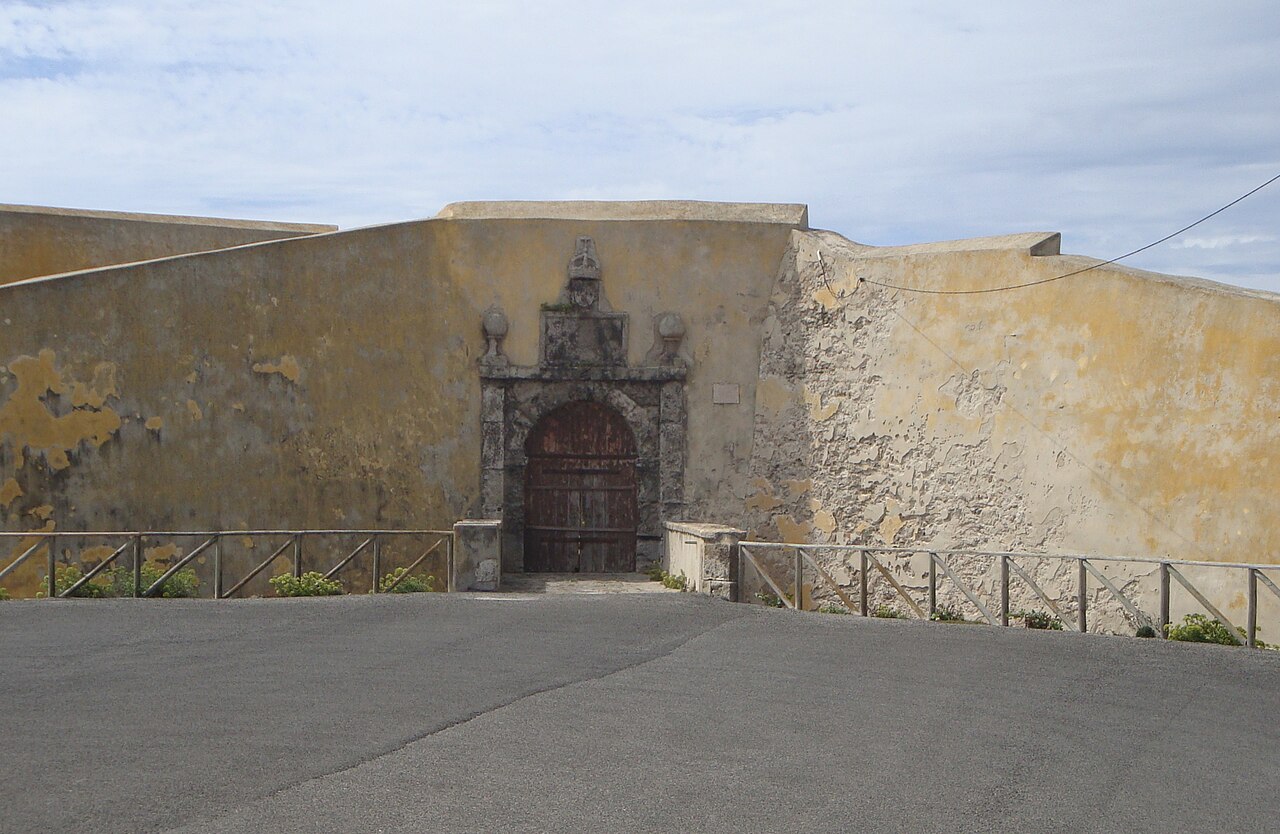
Constructed primarily from local stone and masonry, the fort's walls are thick and robust, built to withstand cannon fire. The layout is compact but functional, with a central courtyard surrounded by defensive walls and bastions. Unlike many coastal fortifications, the Fort of Paimogo has remained remarkably unchanged since its original construction, offering a rare glimpse into the military engineering practices of the 17th century.
The fort includes a main gate, ramparts with parapets, and firing positions that allowed defenders to repel assaults from both sea and land. Inside, the fort would have contained barracks, storage rooms for ammunition and supplies, and possibly a chapel dedicated to Our Lady of the Angels, reflecting the religious dedication indicated in its name.
Military use and decline
Throughout its active use, which lasted until 1834, the Fort of Paimogo served as a coastal defense post. However, advances in military technology and changes in strategic priorities eventually rendered such small coastal forts obsolete. After its decommissioning, the fort ceased to have a military function and entered a period of neglect.
Conservation challenges and current status
Today, the Fort of Paimogo faces significant challenges from coastal erosion, which threatens its structural integrity. The fort's location on the beach exposes it to the relentless forces of the Atlantic Ocean, including waves and storms that gradually wear away at its foundations and walls.
Despite these threats, the fort remains an important cultural and historical monument. Its status as an almost untouched example of a 17th-century bastioned fortress adds to its value as a heritage site. Efforts to preserve and protect the fort are crucial to maintaining this link to Portugal's military and architectural past.
Visiting the fort and its surroundings
Visitors to the Fort of Paimogo can appreciate its robust architectural features and the dramatic coastal landscape that surrounds it. The fort's setting provides insight into the strategic considerations of its builders and offers panoramic views of the Atlantic Ocean.
The nearby town of Lourinhã and the broader Lisbon District region offer additional historical and cultural attractions, making the fort a worthwhile destination for those interested in military history, architecture, and coastal scenery.
Frequently asked questions (FAQ)
- When was the Fort of Paimogo built?
- The Fort of Paimogo was constructed in 1674 during the Renaissance period as part of Portugal's coastal defense system.
- What type of castle is the Fort of Paimogo?
- It is a bastioned fortress, designed with angular bastions to improve defense against artillery attacks.
- Is the Fort of Paimogo open to visitors?
- The fort is accessible to visitors, offering views of the Atlantic Ocean and insight into 17th-century military architecture, though facilities may be limited.
- Why is the Fort of Paimogo important historically?
- It represents a rare example of a 17th-century coastal bastioned fortress that has remained largely unmodified since its construction.
- What threats does the Fort of Paimogo face today?
- The fort is threatened by coastal erosion due to its location on Paimogo beach, which endangers its structural stability.
Photo gallery

Information
Loading map...
Visitor reviews
No reviews yet. Been here? Write the first review and help other travelers!
Write the first reviewVisited this castle? Share your experience
Your review helps other travelers and adds first-hand knowledge to our encyclopedia.