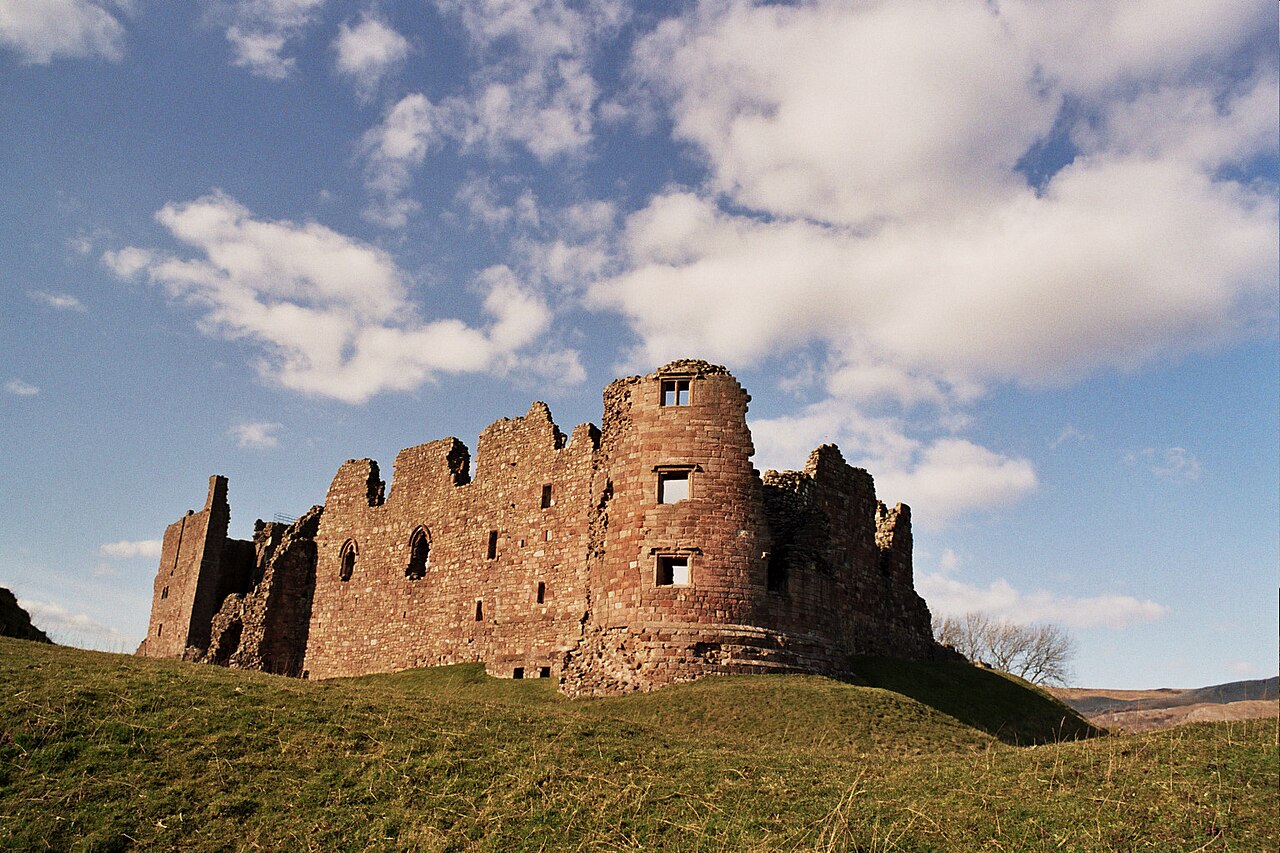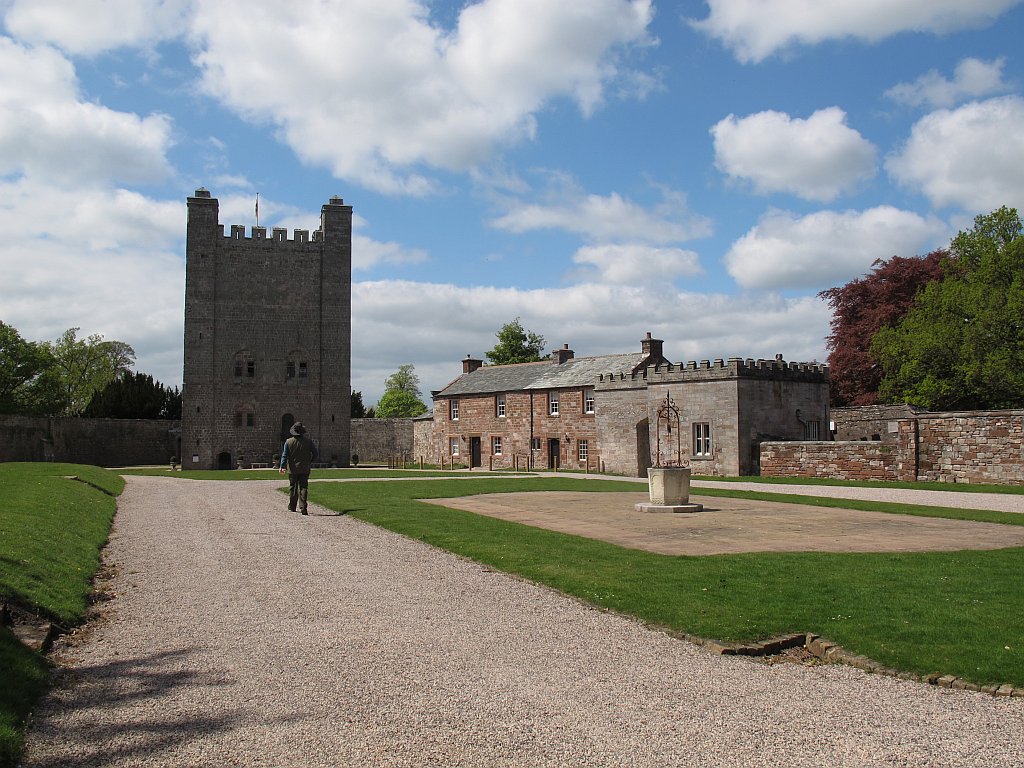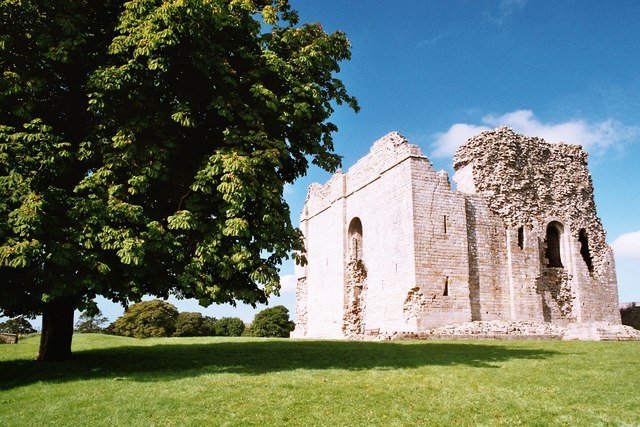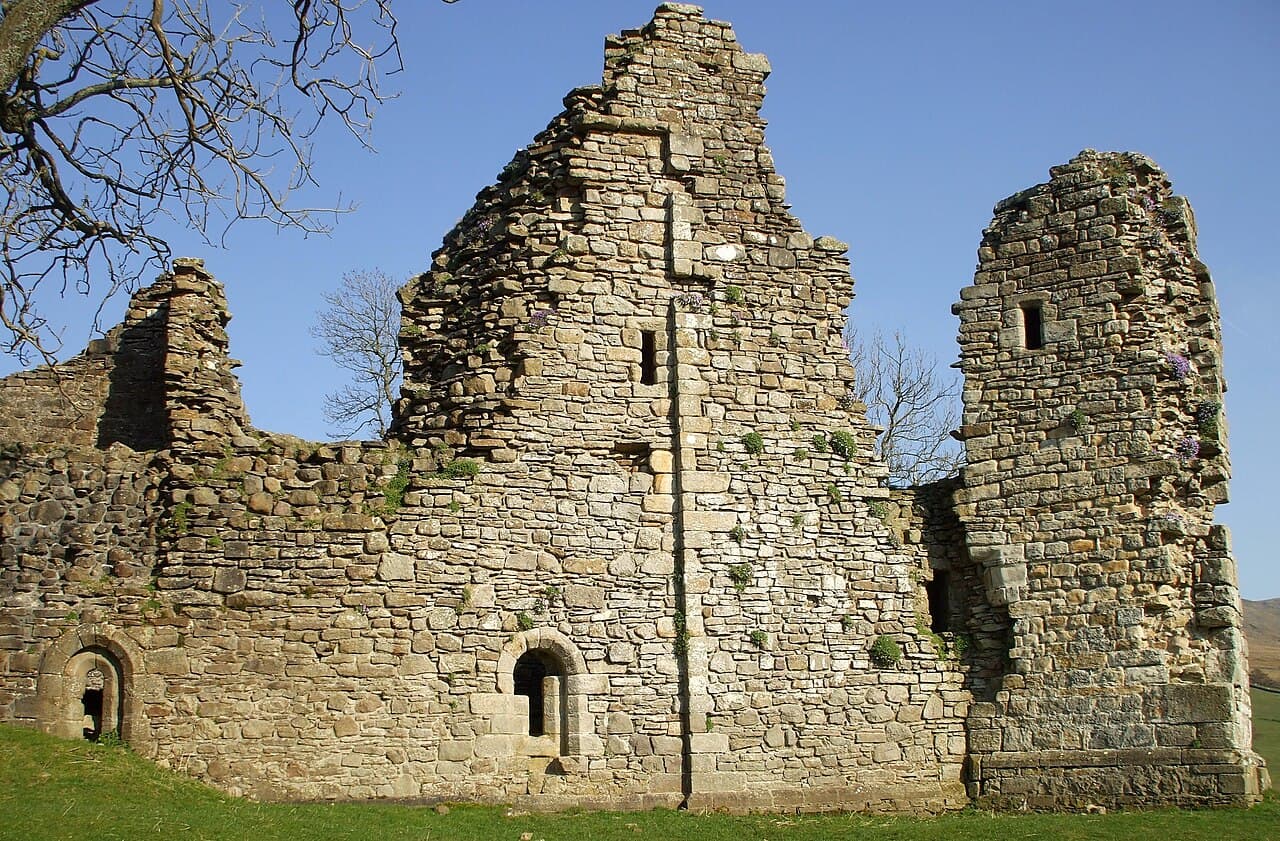
Pendragon Castle is a striking example of a 12th-century high medieval fortress located in the remote and scenic area of Mallerstang Dale, Cumbria, in the north of England. Situated south of Kirkby Stephen and near the small hamlet of Outhgill, the castle occupies a strategic position above a sharp bend in the River Eden. The site is framed by notable natural landmarks such as Wild Boar Fell to the south-west and Mallerstang Edge to the east, which contribute to its dramatic setting and historical defensive advantages.
Historical background and significance
The origins of Pendragon Castle trace back to the 12th century, placing it firmly within the high medieval period of English history. This era was marked by the construction of numerous stone castles across England as feudal lords sought to assert control over their lands and defend against both local and external threats. Pendragon Castle was likely built as a fortified stronghold to oversee the surrounding valley and control the important river crossing.
The castle is often associated with the legendary figure of Uther Pendragon, the father of King Arthur, though this connection is more romantic than historical. The name "Pendragon" itself means "chief dragon" or "head dragon" in Welsh, which adds to the castle's mystique and cultural significance in British folklore.
Architectural features and layout
Although now in a state of ruin, Pendragon Castle's remains reveal key elements typical of early stone castles from the high medieval period. The castle was originally constructed with a stone keep or central tower, which served as the main defensive and residential structure. Surrounding the keep, there would have been curtain walls and possibly a bailey or courtyard enclosed by palisades or stone walls.
The castle's elevated position above the river bend provided natural defensive advantages, including clear sightlines to approach routes and protection from flooding. The nearby hills and ridges such as Wild Boar Fell enhanced its defensibility by limiting access points and offering vantage points for surveillance.
Defensive structures
The surviving ruins suggest the presence of thick stone walls, remnants of towers, and possibly a gatehouse that controlled entry to the castle grounds. The use of local stone in construction helped the castle blend into its rugged environment, while also providing durable fortifications against attack.
Current condition and preservation
Pendragon Castle today is classified as a Grade I listed building, recognizing its national importance and historic value. Despite its ruined state, the site is protected and managed to preserve what remains of the medieval structures. Visitors can explore the ruins, which offer insight into medieval military architecture and the lifestyle of the period.
The castle's location in a remote dale means it has escaped extensive modern development, allowing the ruins to remain relatively undisturbed. However, exposure to the elements over centuries has caused significant decay, leaving only fragments of walls and foundations visible.
Visiting Pendragon Castle
Access to Pendragon Castle requires some walking through rural paths in Mallerstang Dale, making it a destination for those interested in history and natural beauty. The surrounding landscape offers opportunities for hiking and enjoying views of the Eden Valley and the distinctive Wild Boar Fell.
As an archaeological ruin, the site does not have extensive visitor facilities, but its evocative remains and scenic setting attract enthusiasts of medieval history, castle architecture, and British legends.
Frequently asked questions (FAQ)
- How do I get to Pendragon Castle?
- Pendragon Castle is located in Mallerstang Dale, Cumbria. Visitors typically reach it by car to nearby parking areas and then walk along rural paths to the site.
- What is the historical significance of Pendragon Castle?
- Pendragon Castle dates back to the 12th century and represents a high medieval stone fortress, important for controlling the River Eden valley.
- Can I explore the ruins of Pendragon Castle?
- Yes, visitors can explore the ruins on foot. The site is open to the public, but facilities are limited due to its remote location.
- Why is Pendragon Castle associated with Uther Pendragon?
- The castle's name links it to the legendary Uther Pendragon, father of King Arthur, although this connection is more folkloric than historical.
- Is there an entrance fee to visit Pendragon Castle?
- There is no entrance fee to visit Pendragon Castle, as it is an open archaeological site.
Photo gallery

Information
Loading map...
Visitor reviews
No reviews yet. Been here? Write the first review and help other travelers!
Write the first reviewVisited this castle? Share your experience
Your review helps other travelers and adds first-hand knowledge to our encyclopedia.