Pendennis Castle
Pendennis Castle is a significant artillery fort built between 1540 and 1542 under the reign of Henry VIII. Located near Falmouth, Cornwall, the castle was constructed as part of the King's Device programme, a strategic initiative designed to protect England from potential invasions by France and the Holy Roman Empire during the turbulent Renaissance period. Its primary role was to defend the vital Carrick Roads waterway at the mouth of the River Fal, a crucial maritime passage for trade and military movements.
Early design and strategic importance
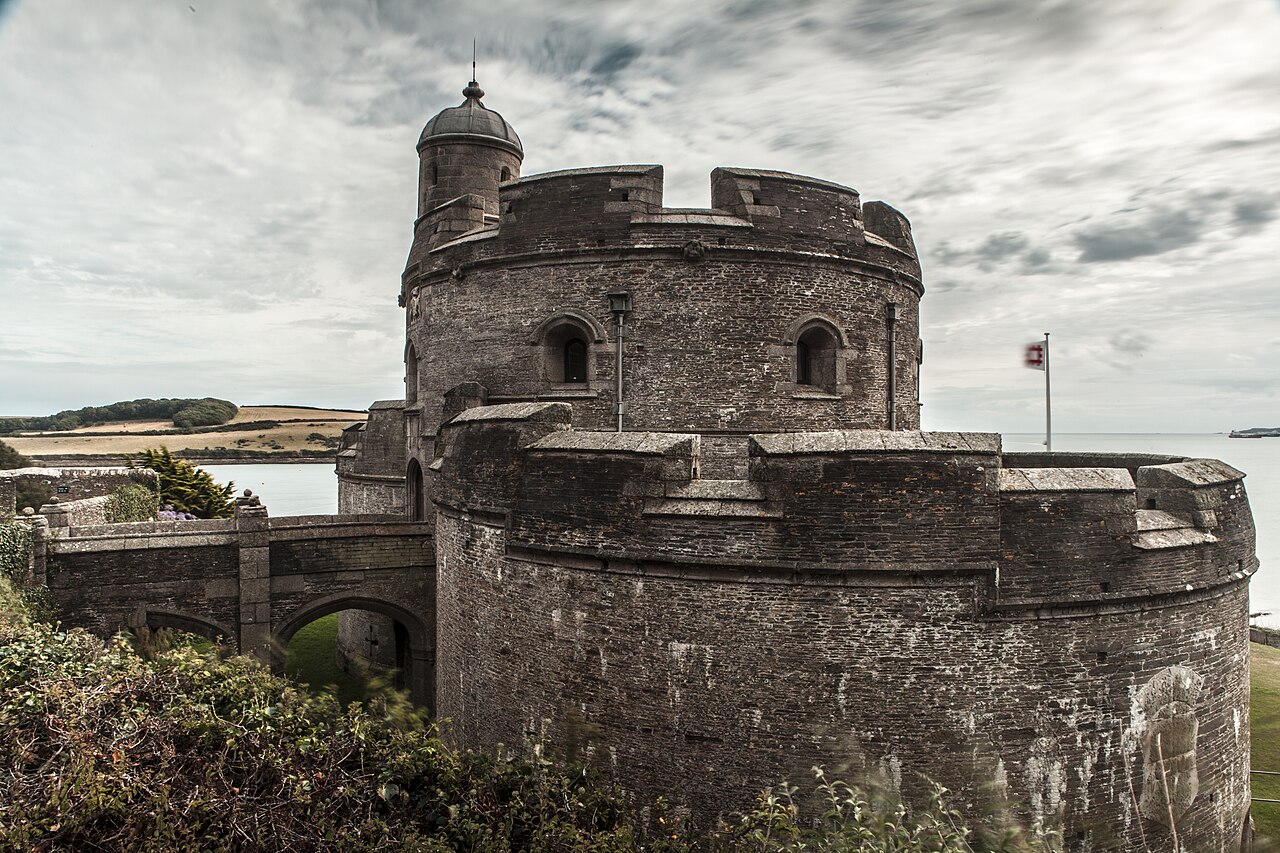
The original structure of Pendennis Castle featured a circular keep with a gun platform, reflecting the evolving military architecture of the mid-16th century. This design allowed for the mounting of heavy artillery to control the surrounding waters and deter enemy ships. The castle's position on a promontory provided a commanding view of the sea approaches, making it an effective coastal defense installation.
King's device forts and coastal defense
Pendennis was one of several forts commissioned by Henry VIII under the Device programme, which marked a shift from medieval castle designs to more modern artillery fortifications. These forts were built rapidly in response to the threat of invasion following Henry's break with the Catholic Church and the formation of hostile alliances against England. Pendennis's location was particularly strategic, guarding one of the most important natural harbors on the south coast of Cornwall.
Expansion and adaptation in the late 16th century
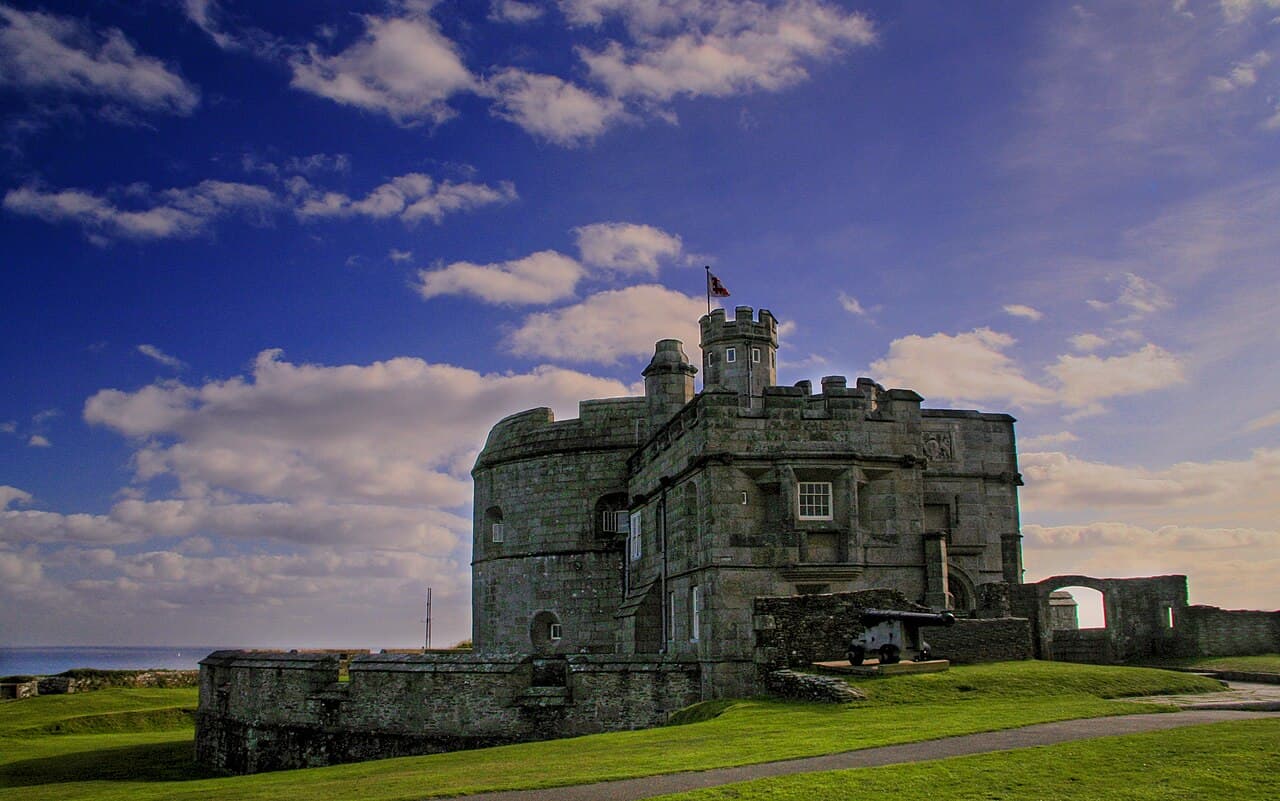
By the late 1500s, the threat from Spain had increased significantly, prompting major expansions to Pendennis Castle. Around the end of the 16th century, the original circular keep was enveloped by a ring of stone ramparts and bastions. These additions transformed the castle into a more complex fortified artillery fortress capable of withstanding contemporary siege tactics and providing overlapping fields of fire for its guns.
Architectural features of the expansions
The new ramparts incorporated bastions—angular projections designed to eliminate blind spots and allow defenders to cover the walls with gunfire. The extensive stone walls were thick and sloped to better absorb and deflect cannonballs. The castle also included moats and curtain walls to enhance its defensive capabilities. These features exemplify the transition from medieval fortresses to Renaissance military architecture, emphasizing artillery defense over high walls.
Role during the english civil war
Pendennis Castle played a notable role in the English Civil War (1642–1651). Held by the Royalists, it was one of the last strongholds to resist Parliamentarian forces. The castle endured a prolonged siege in 1646, eventually surrendering after months of resistance. Its sturdy construction and strategic position made it a formidable defensive site during this conflict.
Post-war restoration and continued use
Following the Interregnum, the castle was renovated by Charles II after the monarchy was restored in 1660. These renovations ensured that Pendennis remained a viable defensive site in the face of ongoing European conflicts and shifting military technologies.
Modernisation in the 18th and 19th centuries
Throughout the 18th century, fears of invasion by France led to further modernization of Pendennis Castle's defenses. Significant upgrades were carried out in the 1730s and again in the 1790s, during which the castle's artillery was expanded to include up to 48 guns during the Napoleonic Wars. These improvements reflected advances in artillery technology and the need for stronger coastal defenses.
Electrically operated minefield and late Victorian upgrades
In the late 19th century, Pendennis became part of a more sophisticated coastal defense system. An electrically operated minefield was installed across the River Fal, controlled from Pendennis and the nearby St Mawes Castle. To support this new technology, quick-firing guns were installed at Pendennis during the 1880s and 1890s. These upgrades illustrate the castle's adaptation to the changing nature of naval warfare and coastal defense.
20th century military use and decommissioning
Pendennis Castle was rearmed during both World War I and World War II, although it saw no direct combat during the first conflict. In the Second World War, the castle's guns were used to defend against attacks by the German Luftwaffe. By 1956, the castle was deemed obsolete for modern military purposes and was officially decommissioned.
Transition to heritage site
After decommissioning, Pendennis Castle passed into the care of the Ministry of Works, which removed many of the more modern military installations to restore the site closer to its historical appearance. Today, it is managed by English Heritage and functions as a popular tourist attraction, drawing tens of thousands of visitors annually. The castle's well-preserved state and rich history make it an important cultural and architectural landmark.
Architectural significance and heritage status
Historic England regards Pendennis Castle as one of the finest examples of a post-medieval defensive promontory fort in the United Kingdom. Its combination of Renaissance artillery fortifications, stone bastions, and later military adaptations provide valuable insight into the evolution of coastal defense over several centuries. The castle's location, commanding views, and extensive surviving structures make it a key site for understanding England's military and architectural history.
Visitor experience and accessibility
Visitors to Pendennis Castle can explore the extensive ramparts, bastions, and gun platforms, gaining a close-up view of the castle's defensive features. The site includes informative displays about its history and military role. Its setting near Falmouth offers scenic views over the Carrick Roads and the surrounding Cornish coastline, enhancing the visitor experience.
Frequently asked questions (FAQ)
- How do I get to Pendennis Castle?
- Pendennis Castle is located in Falmouth, easily accessible by car, public transport, or on foot from the town center. If driving, there is on-site parking available, but be sure to check for any parking fees. For public transport, local buses frequently connect to Falmouth from surrounding areas.
- What is the historical significance of Pendennis Castle?
- Pendennis Castle was built in the 16th century during the reign of Henry VIII as part of a chain of coastal defenses. It played a crucial role in various conflicts, including the English Civil War, and is a testament to Tudor military architecture. Today, it stands as a monument to England's rich maritime history.
- When was Pendennis Castle built?
- Construction of Pendennis Castle began in 1540 and was completed in 1545. It was designed to protect the entrance to the River Fal from foreign invaders. Over the centuries, the castle underwent several modifications to adapt to changing military needs.
- Can I bring my dog to Pendennis Castle?
- Yes, dogs are welcome at Pendennis Castle, but they must be kept on a lead at all times. There are designated areas where dogs are allowed, and visitors can enjoy the beautiful grounds together. However, dogs are not permitted inside the main buildings.
- Why is Pendennis Castle a popular tourist attraction?
- Pendennis Castle is popular due to its stunning coastal views, rich history, and well-preserved architecture. Visitors can explore the castle grounds, learn about its historical significance, and enjoy interactive exhibits. The surrounding area also offers beautiful walks and activities, making it a great day out.
- Is it possible to access Pendennis Castle for visitors with disabilities?
- Yes, Pendennis Castle is committed to providing accessibility for all visitors. There are ramps and designated pathways to help those with mobility challenges navigate the site. Additionally, staff are available to assist with any specific needs during your visit.
- What are the opening hours for Pendennis Castle?
- Pendennis Castle is typically open from 10 AM to 5 PM, though hours may vary seasonally. It is advisable to check the official website for the most current information before your visit. Special events may also affect opening times, so plan accordingly.
- What are the ticket prices for visiting Pendennis Castle?
- Ticket prices for Pendennis Castle vary based on age and whether you are a family or an individual visitor. Discounts are often available for children, seniors, and groups. It's best to check the official website for the latest pricing and any ongoing promotions.
- What nearby attractions should I visit when at Pendennis Castle?
- When visiting Pendennis Castle, be sure to explore the nearby Falmouth Maritime Museum and the beautiful beaches of Gyllyngvase and Swanpool. The charming town of Falmouth itself offers a variety of shops, restaurants, and cafes. Additionally, the scenic coastal paths provide stunning views and opportunities for nature walks.
Photo gallery

Information
Loading map...
Visitor reviews
No reviews yet. Been here? Write the first review and help other travelers!
Write the first reviewVisited this castle? Share your experience
Your review helps other travelers and adds first-hand knowledge to our encyclopedia.