Pedraza Castle
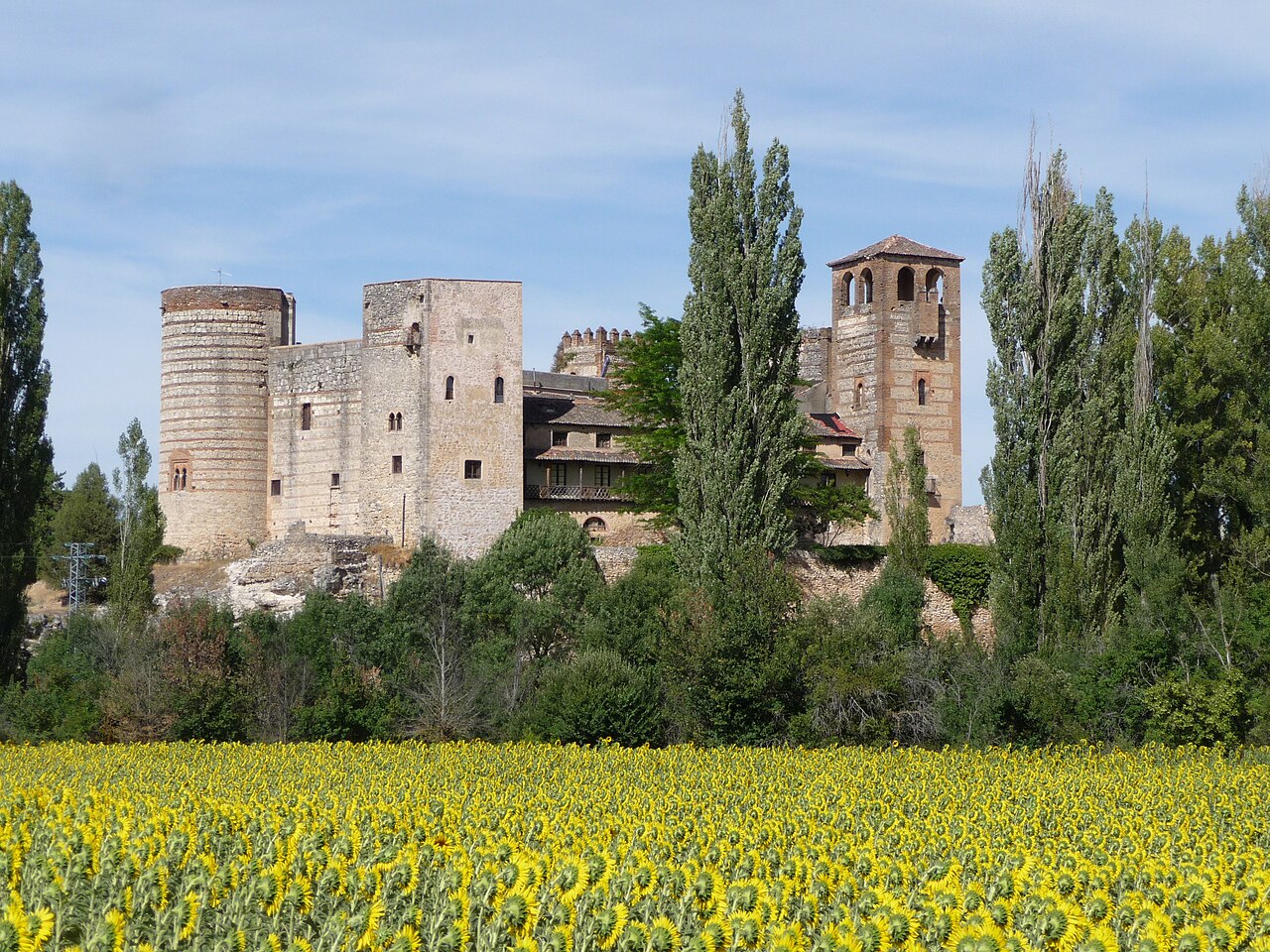
Pedraza Castle stands as a remarkable example of medieval military architecture in the heart of the historic village of Pedraza, Spain. Originally constructed in the 13th century, this hill castle was strategically positioned atop Pedraza hill to maximize defensive advantages. Over centuries, it evolved through significant reconstructions, notably in the 15th century under García Herrera and again in the early 16th century by the Dukes of Frías, reflecting the shifting needs and tastes of its noble owners.
The castle's polygonal ground plan and double enclosure system, featuring a combination of round and square towers, exemplify the defensive innovations of the High medieval period. These fortifications include an artificial moat carved into the rock and a natural steep slope protecting the rear, creating formidable barriers against attackers. The castle incorporates remnants of a Romanesque wall, indicating its layered historical development and architectural heritage.
Historical significance and ownership
The site of Pedraza Castle has a rich history predating the current fortress. Archaeological evidence suggests that the hill was originally fortified by the Romans and later by Arab occupants, although these earlier structures have not survived. The castle as it stands was built following the Reconquista, when Christian rulers sought to consolidate control over the region.
In 1369, King Henry II of Castile granted the castle to Fernando Gómez de Albornoz. It later passed to García González de Herrera, whose family maintained possession for about a century. By the late 15th century, ownership transferred to the prominent Velasco family, who held the title of constables of Castile. Bernardino Fernández de Velasco y Mendoza, the first Duke of Frías from this lineage, played a key role in the castle's history during the early 16th century.
Royal hostages and political intrigue
One of the most notable episodes in Pedraza Castle's history occurred in 1529 when it was used to imprison the sons of King Francis I of France. These royal hostages were held following the failed Peace of Madrid treaty between Spain and France, marking the castle's role in international diplomacy and conflict. An attempted rescue led by Juan de Jalón was foiled, and he was executed, underscoring the castle's function as a secure political prison.
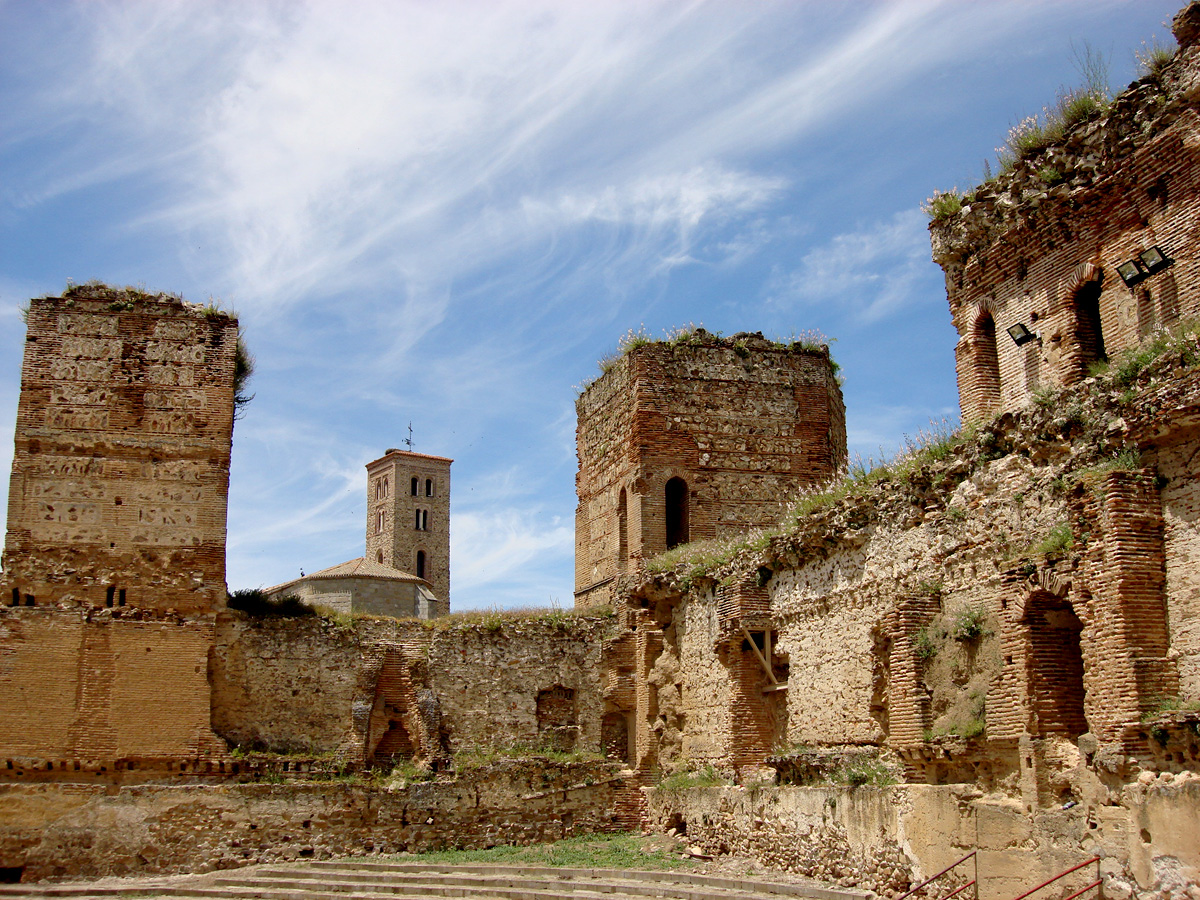
The castle remained a noble residence until the abolition of feudal privileges in 1811, after which it gradually fell into disuse and decay.
Architectural features and layout
Pedraza Castle is characterized by its polygonal design adapted to the natural contours of Pedraza hill. The defensive strategy combines both man-made and natural elements. The front of the castle is guarded by a deep moat excavated in the rock, while the rear benefits from a precipitous natural slope, making direct assault difficult.
Enclosures and towers
The castle's defensive system includes a double enclosure: an outer bailey or forecastle featuring round towers that enhance the defensive perimeter, and an inner fortress protected by square towers. This juxtaposition of tower shapes reflects medieval military architectural practices where round towers were preferred for their ability to deflect projectiles, while square towers offered strong platforms for defense and residence.
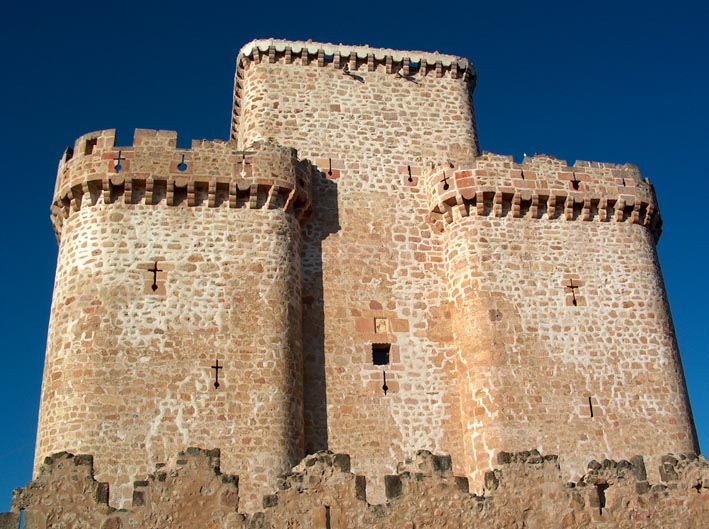
The Torre del Homenaje, or keep, is the castle's largest and most imposing structure. Dating from the 15th century, this three-story donjon served as the last refuge in times of siege and the lord's residence. Its construction features a distinctive bonding pattern differing from the rest of the castle, highlighting its importance and possibly different phases of building.
Construction materials and preservation
The castle's walls are primarily constructed from local stone, with masonry techniques consistent with High medieval fortifications. Although detailed decorative elements are scarce, the presence of Romanesque elements in the surviving wall sections indicates the castle's architectural evolution.
In the 20th century, the castle was acquired by the Spanish painter Ignacio Zuloaga, who undertook significant restoration work. He focused on stabilizing the keep and reinforcing the surrounding structures, converting the tower into a habitable residence. Zuloaga's efforts preserved the castle's medieval character and ensured its survival as a cultural landmark.
Cultural legacy and current status
Today, Pedraza Castle is a well-preserved monument within the village, serving as both a historical site and a museum. The castle houses a collection of artworks, including those by Zuloaga, linking its medieval heritage with modern cultural significance.
The castle's integration into the village fabric and its accessibility to visitors make it an important destination for those interested in medieval architecture, Spanish history, and art. Its polygonal layout, double enclosure, and combination of natural and artificial defenses provide valuable insights into the military strategies of the High medieval period.
Visitors can explore the castle's courtyards, towers, and moat, gaining an understanding of the living conditions and defensive mechanisms of a noble fortress. The castle’s story of royal hostages and noble ownership adds to its historical allure, making Pedraza Castle a significant monument in Spain's rich medieval heritage.
Frequently asked questions (FAQ)
- How do I visit Pedraza Castle?
- Pedraza Castle is open to visitors, typically with guided tours available that explore its medieval architecture and history. Check local tourism websites for current opening hours and tour schedules.
- What is the historical significance of Pedraza Castle?
- Pedraza Castle played a key role in medieval Spain as a noble residence and political prison, notably holding French royal hostages in the 16th century.
- When was Pedraza Castle built and who rebuilt it?
- The castle dates from the 13th century and was rebuilt in the 15th century by García Herrera and again in the early 16th century by the Dukes of Frías.
- Can I see the Torre del Homenaje during my visit?
- Yes, the Torre del Homenaje is the castle's main keep and has been restored for habitation. Visitors can view its exterior and often its interior as part of guided tours.
- Why is the castle's moat significant?
- The moat is an artificial defensive feature excavated in the rock, enhancing the castle's protection by creating a formidable barrier at the front of the fortress.
Information
Website
Visit websiteSources & official resources
Verify the information above using these authoritative references.
Loading map...
Visitor reviews
No reviews yet. Been here? Write the first review and help other travelers!
Write the first reviewVisited this castle? Share your experience
Your review helps other travelers and adds first-hand knowledge to our encyclopedia.