Buitrago del Lozoya Castle
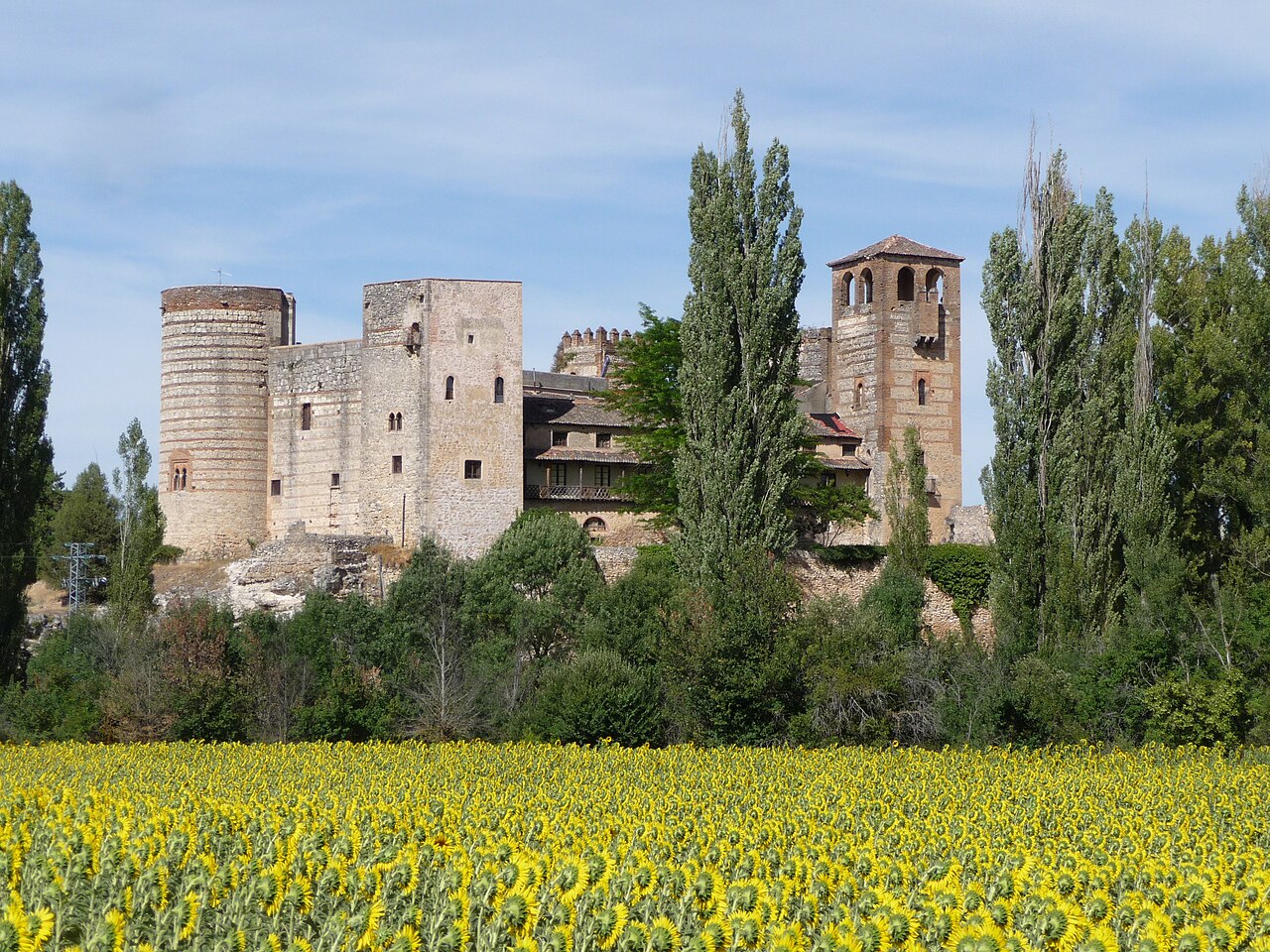
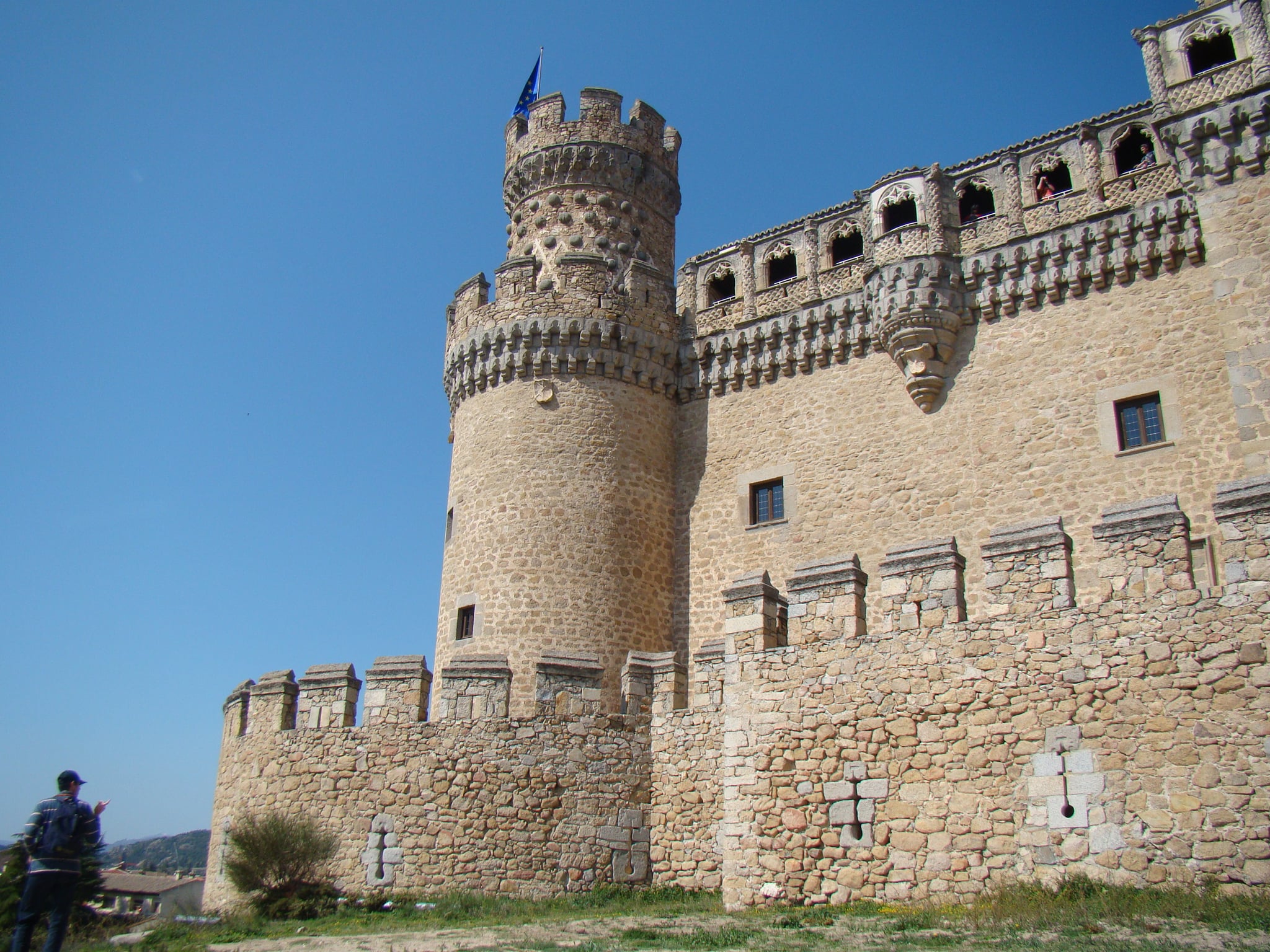
Buitrago del Lozoya castle is a remarkable example of a 15th-century Gothic-Mudéjar fortress located within the medieval town of Buitrago del Lozoya, in northern Madrid, Spain. This hill castle stands as a testament to the region's complex history, blending Christian and Moorish architectural influences into a unique defensive structure. The castle, integrated into the town's ancient walls, played a vital role in the military and social fabric of the area during the late Middle Ages and beyond.
The castle's origins trace back to at least the 12th century, with documentary evidence from the reign of Alfonso VIII of Castile indicating the existence of a fortress on this strategic site. It is widely accepted that the current structure replaced an earlier Muslim stronghold following the Christian reconquest of the region in 1085. This transition marked a significant shift in the area's control and architectural style, as the castle was rebuilt and expanded to serve the needs of its new rulers.
The architectural design and features
Buitrago del Lozoya castle is built on a rectangular plan and is constructed primarily from stone, brick, and lime mortar. Its masonry technique reveals the enduring influence of Mudéjar craftsmanship, characterized by the arrangement of bricks in horizontal bands framed by robust stone blocks. This combination not only provided structural strength but also created a visually distinctive rhythm along the walls.
The fortress is notable for its seven towers, which vary in shape, including square, pentagonal, and round forms. These towers rise solidly up to the wall walk level, emphasizing their defensive purpose. The pentagonal tower is particularly significant as it provides access to the central courtyard, known as the patio de armas, which historically served multiple functions, including occasional use as a bullring.
The castle's entrance is marked by a recessed gateway set within one of the towers, featuring a fortified passageway with two arches. Inside, the ceilings exhibit vaulted construction, employing semicircular arches and the technique of approximated courses, where stones are progressively laid closer to form curved surfaces. This architectural detail highlights the blend of functional military design with aesthetic considerations.
Historical context and significance
The castle's history is closely tied to the Mendoza family, one of the most influential noble families in Castile during the late Middle Ages. The current fortress was commissioned by Diego Hurtado de Mendoza de la Vega y Luna, Duke of the Infantado, reflecting the family's prominence and their role in governing the surrounding lands known as the Community of Villa and Tierra de Buitrago.
Notable historical figures associated with the castle include Íñigo López de Mendoza, the first Marquis of Santillana, who is reputed to have hosted social gatherings within its walls, and Juana la Beltraneja, who resided there during her contested claim to the Castilian throne. These connections underscore the castle's importance as both a military stronghold and a noble residence.
During the early 19th century, the castle suffered significant damage amid the Peninsular War (War of Independence), when French forces occupied it as a military barracks. The occupation led to extensive destruction before the French withdrawal in 1813, marking a turbulent chapter in the castle's history.
Preservation and current status
Recognizing its cultural and historical value, the castle and town walls were declared a National Monument in 1931. Further protection was granted in 1993 when the site was designated a Historic-Artistic Ensemble and classified as a Bien de Interés Cultural, Spain's official status for cultural heritage sites.
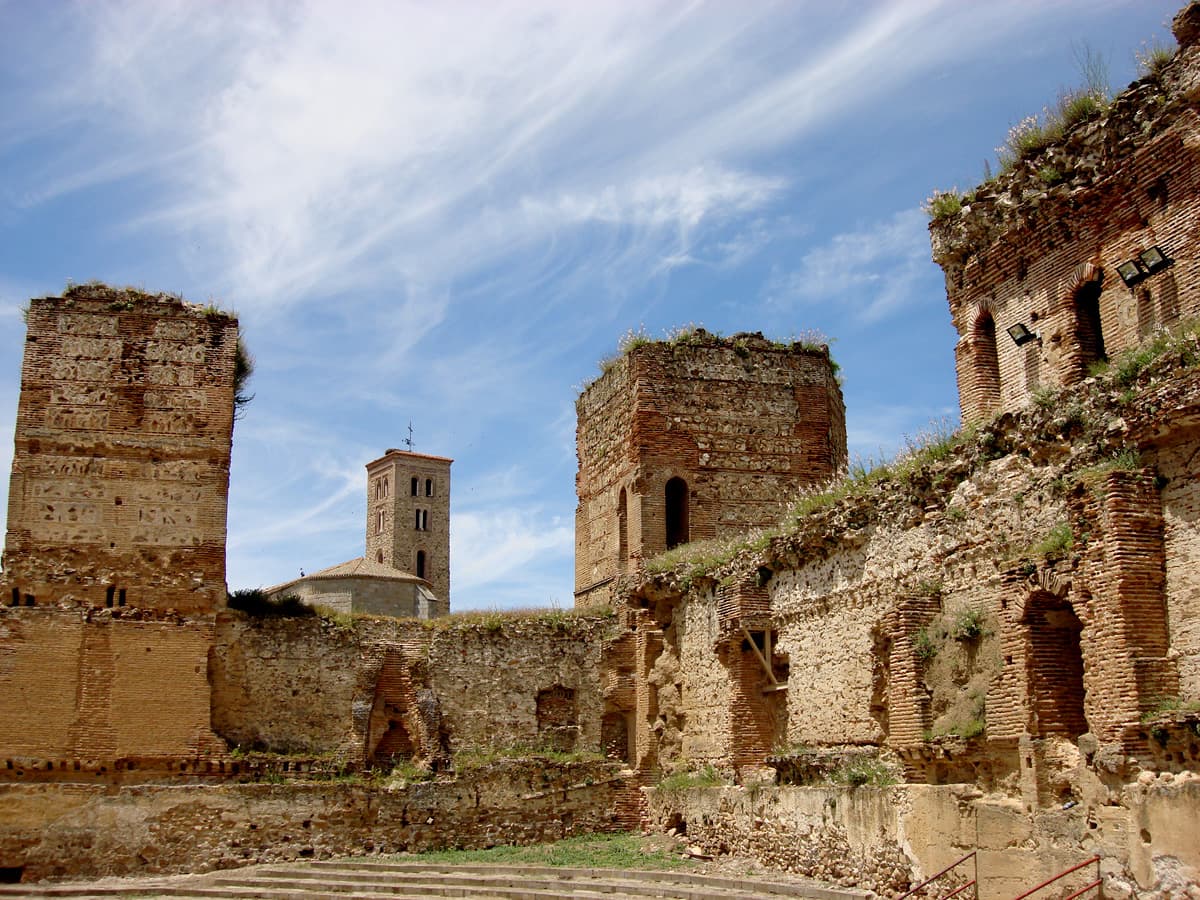
Today, the castle stands as a partially preserved complex, with much of its interior in ruins but with ongoing restoration efforts aimed at conserving its distinctive architectural elements. The castle's vaulted ceilings, plasterwork, and wooden decorative features from the 15th and 16th centuries, although damaged, remain points of interest for historians and visitors alike.
The castle's integration into the town's defensive system, including its original moat and fortified walls, offers valuable insights into medieval military architecture. Portions of the castle and its courtyard continue to serve as venues for local social and festive events, maintaining its role as a community landmark.
Architectural and cultural legacy
Buitrago del Lozoya castle exemplifies the fusion of Gothic and Mudéjar architectural styles, a reflection of the cultural interplay between Christian and Muslim influences in medieval Spain. Its solid towers, defensive walls, and intricate masonry techniques provide a tangible link to the region's turbulent history and evolving architectural traditions.
The castle's preservation as a cultural heritage site ensures that future generations can appreciate its historical significance and architectural beauty. Visitors to Buitrago del Lozoya can explore the castle's imposing towers, walk along the ancient walls, and imagine the lives of the noble families and soldiers who once inhabited this strategic fortress.
Frequently asked questions (FAQ)
- How do I get to Buitrago del Lozoya castle?
- Buitrago del Lozoya castle is located in the town of Buitrago del Lozoya, about 75 km north of Madrid. It is accessible by car via the A-1 highway or by regional bus services from Madrid.
- What are the opening hours of Buitrago del Lozoya castle?
- The castle is generally open to visitors during daylight hours, typically from 10:00 to 18:00, but it is advisable to check local tourism websites for seasonal variations and special events.
- Is there an entrance fee to visit Buitrago del Lozoya castle?
- Entry to Buitrago del Lozoya castle is usually free, but some special exhibitions or guided tours may require a small fee.
- What architectural styles are represented at Buitrago del Lozoya castle?
- The castle is a unique blend of Gothic and Mudéjar architectural styles, combining Christian defensive features with Moorish decorative elements.
- Can I visit the castle's towers and walk along the walls?
- Visitors can explore the castle's towers and walk along sections of the medieval town walls, offering panoramic views of the surrounding landscape.
- When was the castle built and by whom?
- The current castle was built in the 15th century by Christian rulers, replacing an earlier Muslim fortress, and was commissioned by Diego Hurtado de Mendoza de la Vega y Luna, Duke of the Infantado.
- What is the historical significance of Buitrago del Lozoya castle?
- The castle played a key role in the defense and governance of the region during the late Middle Ages and was associated with the powerful Mendoza family and significant historical figures like Juana la Beltraneja.
Photo gallery

Information
Sources & official resources
Verify the information above using these authoritative references.
Loading map...
Visitor reviews
No reviews yet. Been here? Write the first review and help other travelers!
Write the first reviewVisited this castle? Share your experience
Your review helps other travelers and adds first-hand knowledge to our encyclopedia.