Paterno Castle
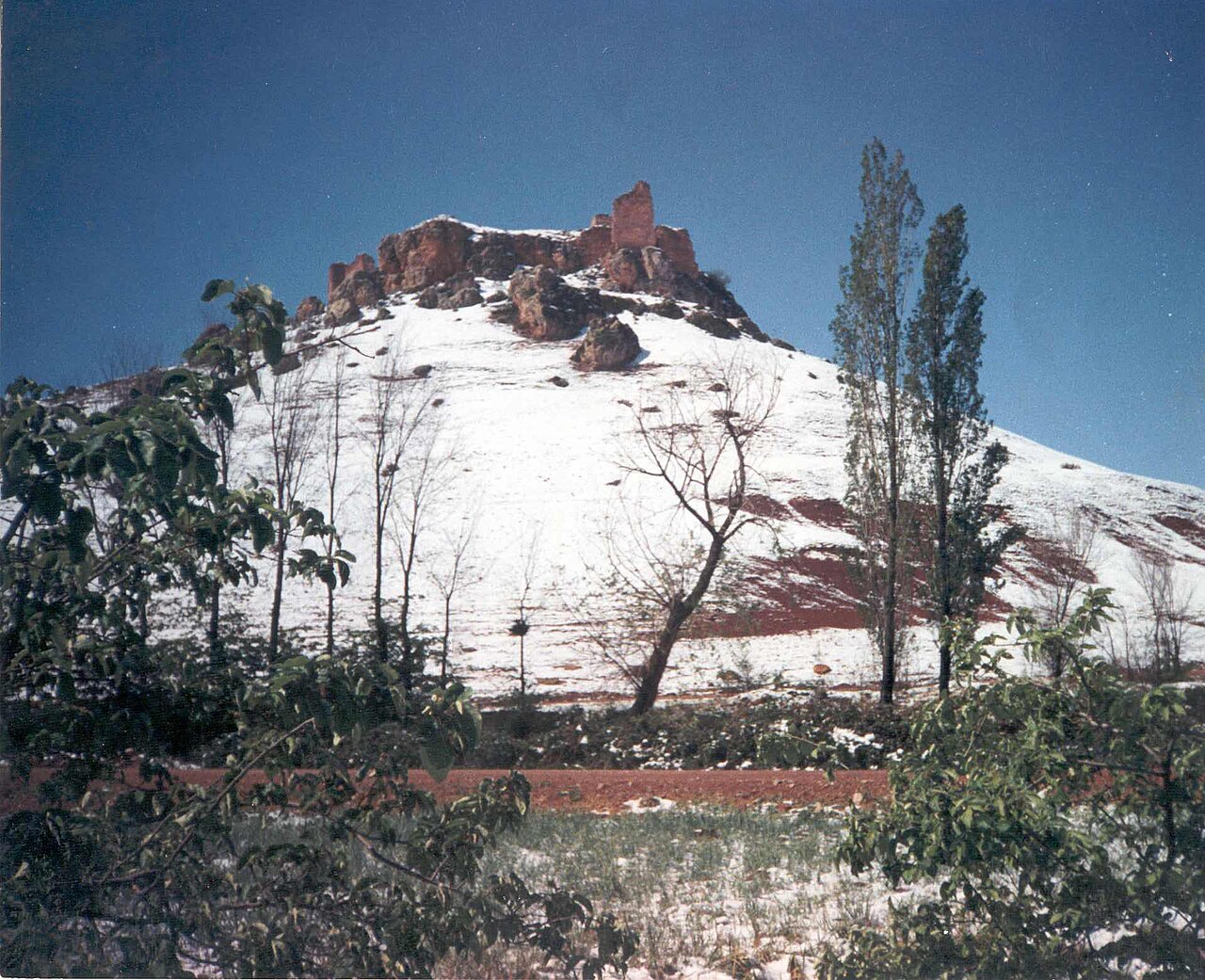
The Castle of Paterno, also known as the Castle of Albaladejo, is a 13th-century fortress situated in the municipality of Albaladejo, within the province of Ciudad Real, Spain. This hill castle exemplifies the strategic military architecture typical of the High Medieval period in the Iberian Peninsula.
Historical context and significance
Constructed in the 13th century, during a time of territorial consolidation and frequent conflicts in medieval Spain, the castle served as a defensive stronghold overseeing the surrounding landscape. Its location on elevated terrain provided a tactical advantage for surveillance and protection against invasions. The castle played a role in the complex dynamics of the Reconquista, the centuries-long Christian reconquest of the Iberian Peninsula from Muslim rule.
Throughout its history, the castle was part of the frontier defenses in the region of Ciudad Real, which was a contested area between Christian and Muslim forces during the Middle Ages. It likely functioned as a military outpost and a symbol of feudal authority, controlling nearby routes and settlements.
Architectural features and design
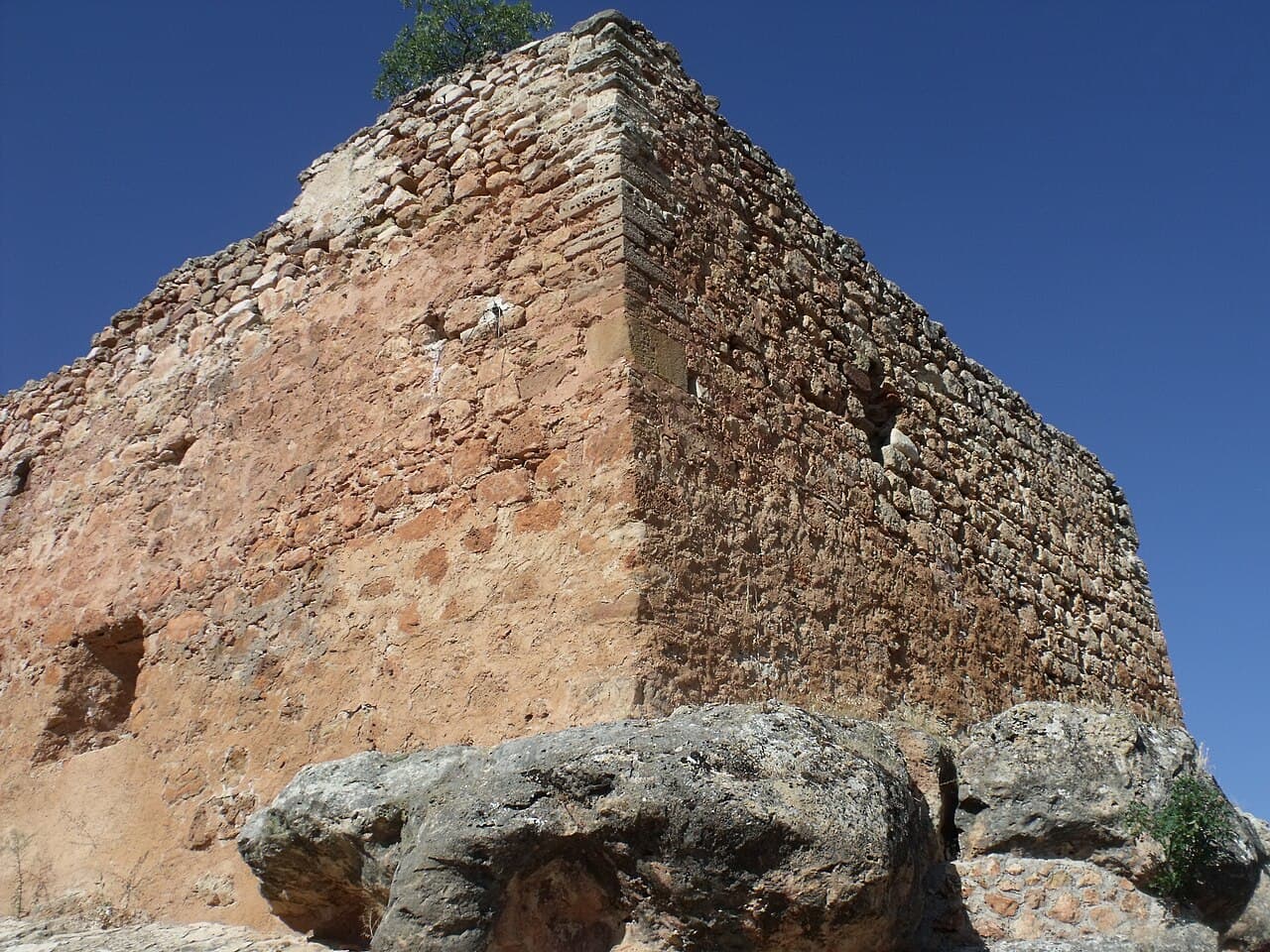
The Castle of Paterno is a typical example of a hill castle built for defense and control. Its construction utilized local stone materials, with thick walls designed to withstand sieges and attacks. The castle's layout likely included a keep or main tower, curtain walls, and defensive battlements, although much of the original structure may now be in ruins or partially preserved.
Defensive elements such as arrow slits, battlements, and possibly a moat or ditch would have been incorporated to enhance its security. The castle’s elevated position not only provided a commanding view of the surrounding terrain but also made direct assaults more difficult for attackers.
Structural components
- Keep (donjon): Central fortified tower serving as the last line of defense and residence for the lord or commander.
- Curtain walls: Thick defensive walls enclosing the castle’s inner courtyard and structures.
- Battlements and arrow slits: Features allowing defenders to fire upon attackers while remaining protected.
- Gatehouse: Controlled access point, potentially fortified with a portcullis and guard rooms.
Current condition and preservation
Today, the Castle of Paterno remains a significant historical site, although its condition varies from partially preserved to ruins. Some sections of the walls and towers may still be visible, providing insight into the castle’s original defensive design. Preservation efforts focus on maintaining the structural remnants and promoting the site as a cultural heritage landmark within the region.
Visiting information and cultural importance
The castle is accessible to visitors interested in medieval military architecture and Spanish history. While facilities may be limited due to its remote location and preservation status, the site offers a valuable experience for those exploring the historical landscapes of Ciudad Real. Its position on a hill offers panoramic views of the surrounding countryside, enhancing its appeal to hikers and history enthusiasts alike.
As part of the cultural heritage of Castilla-La Mancha, the Castle of Paterno contributes to the understanding of medieval fortifications in Spain and the region’s historical evolution during the High Medieval period.
Frequently asked questions (FAQ)
- How do I get to Paterno Castle in Albaladejo?
- Paterno Castle is located in the town of Albaladejo, Ciudad Real, Spain. Visitors can reach it by car or local transport from nearby cities such as Ciudad Real or Albacete. The castle is situated on a hill, so some walking uphill is required.
- What is the historical significance of Paterno Castle?
- Built in the 13th century, Paterno Castle served as a strategic military fortress during the High Medieval period, playing a role in the Reconquista and regional defense.
- Can I explore the interior of Paterno Castle?
- The castle is partially preserved, with some walls and towers accessible. Visitors can explore the ruins and appreciate the medieval military architecture, but interior access may be limited due to preservation efforts.
- When is the best time to visit Paterno Castle?
- The best time to visit is during the spring and autumn months when the weather is mild and suitable for outdoor exploration of the hilltop site.
- Are there any guided tours available at Paterno Castle?
- Guided tours may be available seasonally or by arrangement through local tourism offices. It is recommended to check in advance with Albaladejo's tourist information for availability.
Photo gallery

Information
Loading map...
Visitor reviews
No reviews yet. Been here? Write the first review and help other travelers!
Write the first reviewVisited this castle? Share your experience
Your review helps other travelers and adds first-hand knowledge to our encyclopedia.