Alcaraz Castle
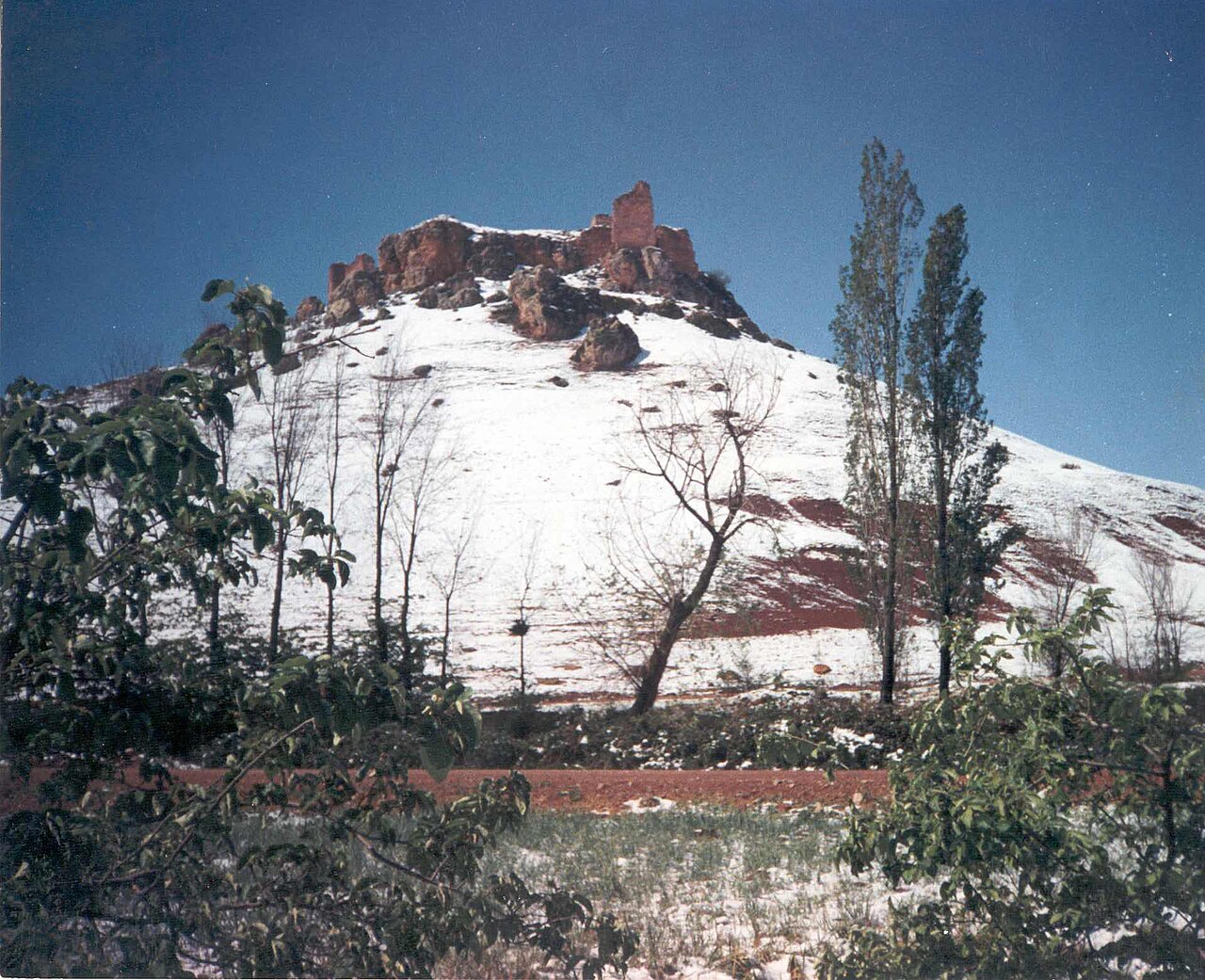
Alcaraz Castle, or Castillo de Alcaraz, is a high medieval fortress located on a prominent hill overlooking the town of Alcaraz in the province of Albacete, Spain. This castle occupies a strategic position atop an elongated hill, serving historically as a defensive stronghold and a key military asset in the region.
Early history and muslim origins
The castle's origins trace back to the 11th century, during the period of muslim rule in the Iberian Peninsula. It is possible that the initial construction began even earlier, potentially in the 10th century, although documentary evidence first mentions it in the 11th century. The castle was built as part of the town's fortifications, integrated into the city walls to protect the settlement beneath it. Its position on the hill provided a commanding view of the surrounding landscape, enabling early detection of approaching enemies.
Reconquista and christian conquest
In 1213, the castle and the town of Alcaraz were captured by the forces of Alfonso VIII of Castile after a prolonged and difficult siege. This conquest was part of the broader Reconquista efforts to reclaim territories from Muslim rule. Following the capture, the castle was rebuilt and reinforced by the Castilians, reflecting its importance as a gateway to the Kingdom of Murcia, Granada, and access to the Mediterranean coast. The fortifications were enhanced to secure the region against potential counterattacks.
Conflicts and political struggles in the 15th century
During the 15th century, the inhabitants of Alcaraz engaged in significant conflicts with the Order of Calatrava, a powerful military and religious order that sought to control the town and deliver it to the Marquess of Villena. The townspeople resisted these attempts fiercely, even appealing to Henry IV of Castile for support, though their pleas were unsuccessful. Their resistance culminated in a rebellion against the Marquess's authority.
Their political fortunes shifted during the War of the Castilian Succession, where the citizens supported the Catholic Monarchs, Ferdinand II of Aragon and Isabella I of Castile, against Joanna la Beltraneja. Their loyalty was rewarded in 1495 when Ferdinand II granted the town the title of "Very noble and very loyal" (Muy noble y muy leal), recognizing its autonomy and allegiance.
Architectural features and current condition
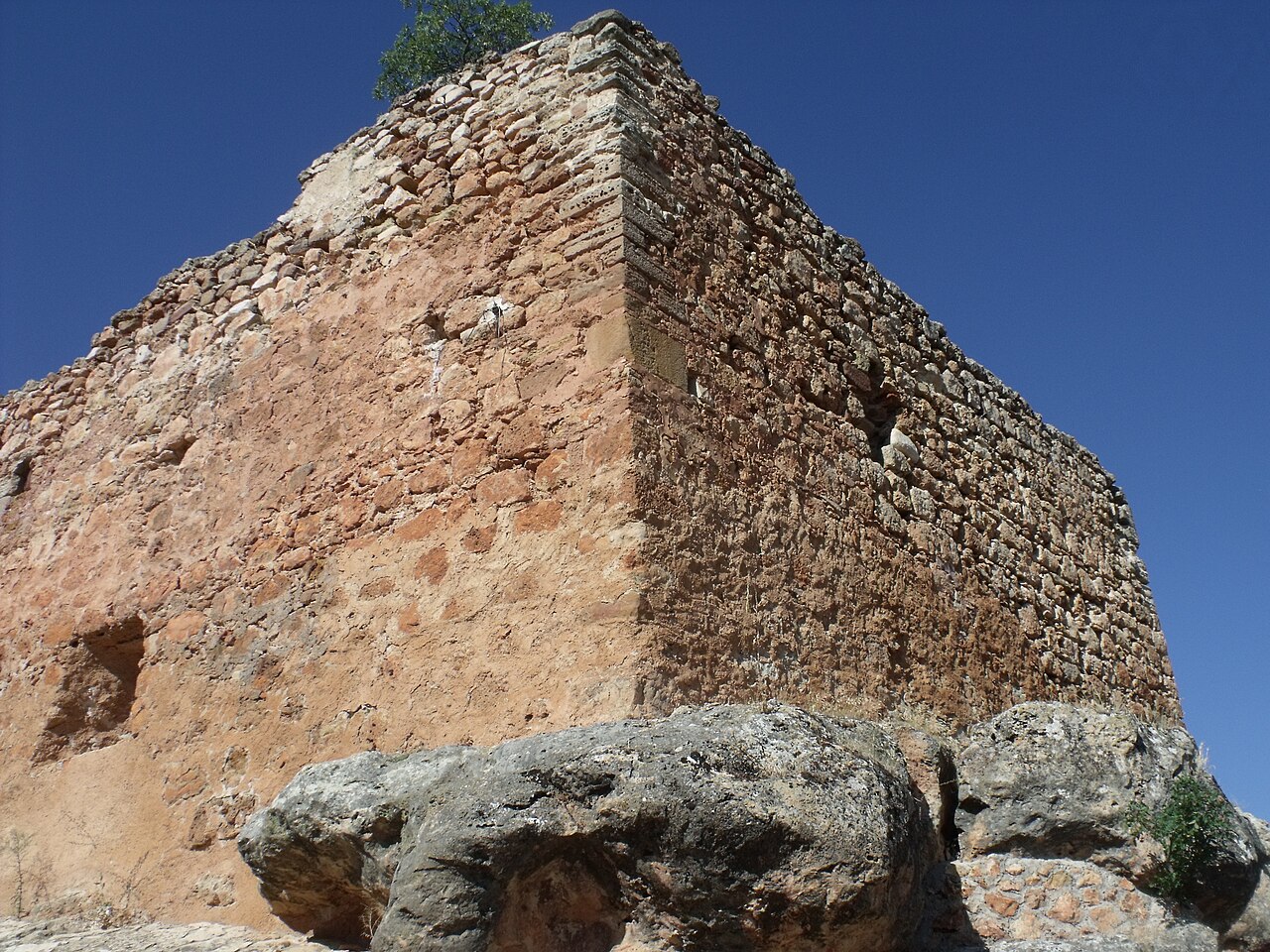
Today, only remnants of Alcaraz Castle survive. The castle was originally a hill castle, characterized by its elongated layout adapted to the topography of the hill. It included defensive walls that formed part of the town's fortifications, battlements, and likely towers and gates, although much of these structures have not survived intact.
Part of the castle's enclosure has been repurposed as the municipal cemetery, which has limited the preservation of the original structures. Visitors can explore the remains during designated opening hours, although what remains is modest. However, the site offers expansive views over the town of Alcaraz and the surrounding countryside, highlighting its strategic placement.
Historical significance and cultural heritage
Alcaraz Castle holds significant historical value as a symbol of the complex medieval history of the region, reflecting the transitions from Muslim to Christian rule and the local struggles for autonomy during the late medieval period. Its role in the Reconquista and later political conflicts exemplifies the turbulent history of Castile and its borderlands.
Although the castle's physical remains are limited, its historical narrative provides insight into the military architecture and feudal politics of medieval Spain. The castle is an important cultural landmark within Albacete province, contributing to the understanding of medieval fortifications and the social history of the area.
Frequently asked questions (FAQ)
- When was Alcaraz Castle built and by whom?
- Alcaraz Castle was first mentioned in the 11th century and was built under Muslim rule, possibly starting in the 10th century. It was constructed as a defensive hill castle integrated into the town's fortifications.
- What historical events is Alcaraz Castle known for?
- The castle is known for its capture by Alfonso VIII of Castile in 1213 during the Reconquista and for the 15th-century conflicts involving the Order of Calatrava and the Marquess of Villena. It also played a role in the War of the Castilian Succession.
- Can visitors explore Alcaraz Castle today?
- Visitors can access the remains of Alcaraz Castle during opening times. While much of the original structure is lost and part of the site is now a municipal cemetery, the hill offers impressive views of the town and surrounding landscape.
- Why was Alcaraz Castle strategically important?
- Its location on a hill made Alcaraz Castle a key defensive point and a gateway to important regions like the Kingdom of Murcia, Granada, and the Mediterranean coast, making it crucial for controlling access and trade routes.
- What title was granted to the town of Alcaraz and why?
- In 1495, Ferdinand II of Aragon granted Alcaraz the title "Very noble and very loyal" in recognition of the town's support for the Catholic Monarchs during the War of the Castilian Succession and its struggle for independence from the Marquess of Villena.
Information
Address
Camino Cementerio 1, Alcaraz, Spain
Loading map...
Visitor reviews
No reviews yet. Been here? Write the first review and help other travelers!
Write the first reviewVisited this castle? Share your experience
Your review helps other travelers and adds first-hand knowledge to our encyclopedia.