Gorgojí Tower
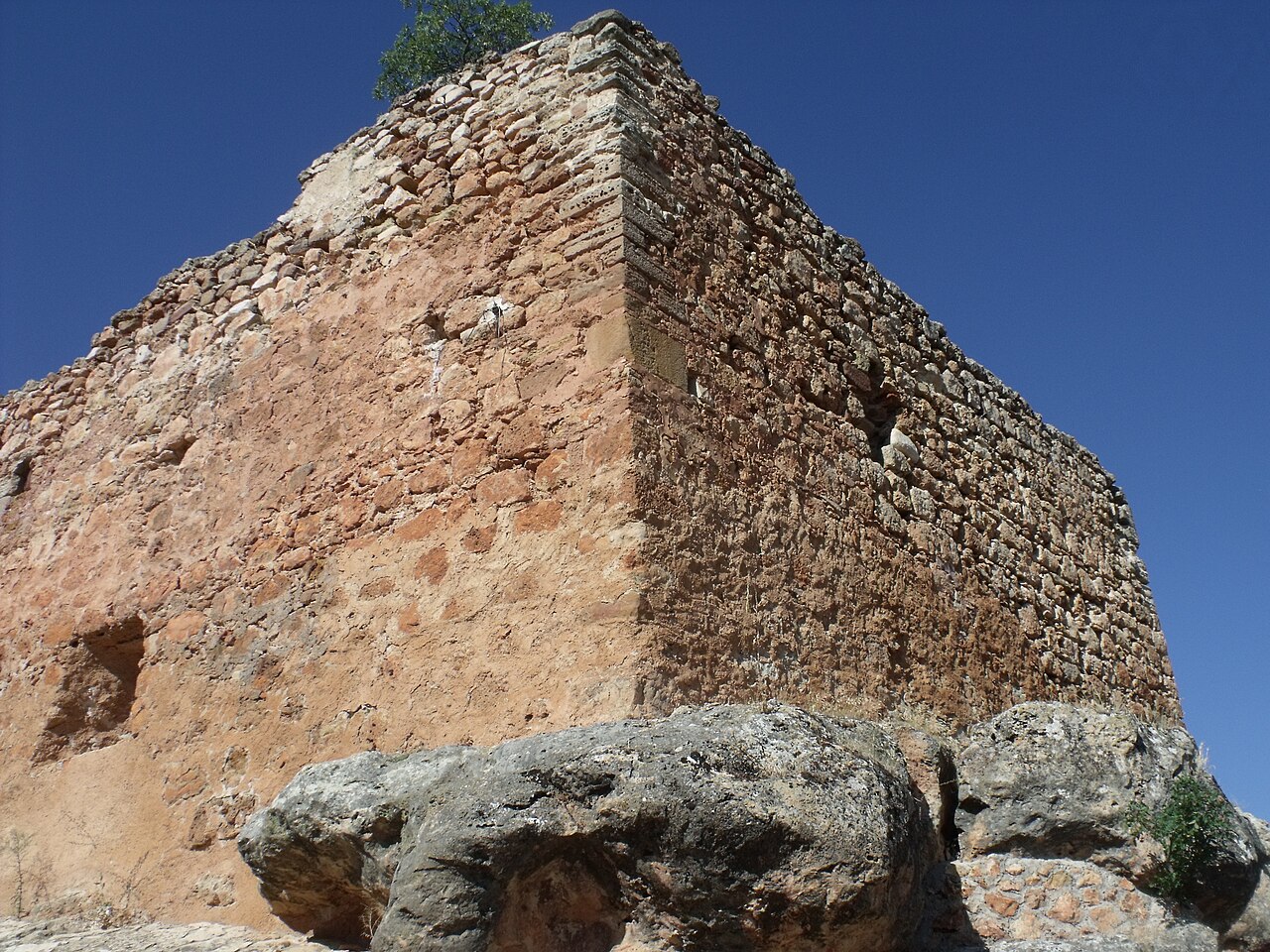
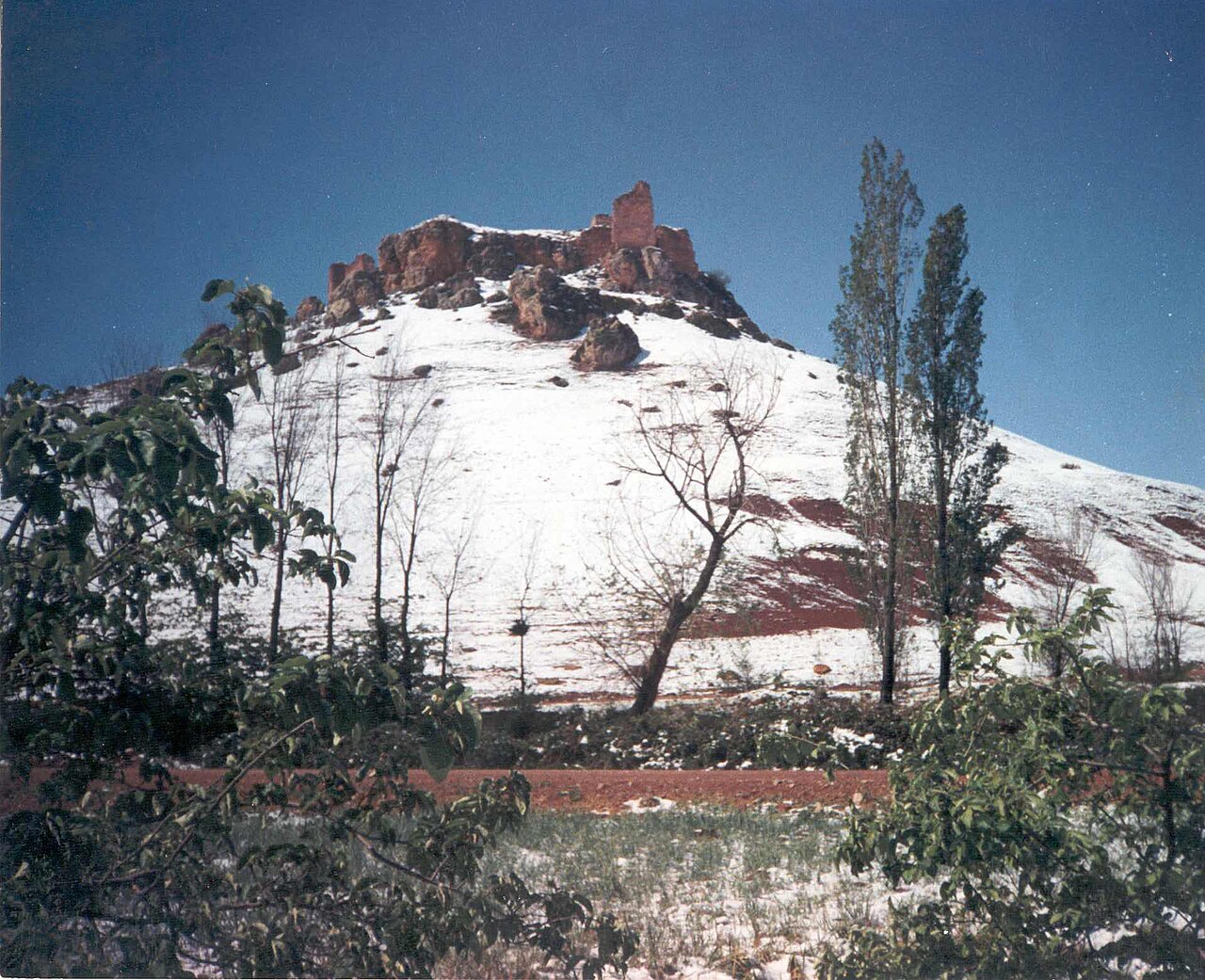
Gorgojí Tower, known locally as Torre de Gorgojí, is a medieval fortress ruin situated in a field west of the town of Alcaraz in the province of Albacete, Spain. This tower holds historical significance due to its origins dating back to around 1100 AD, during the period of Muslim rule in the Iberian Peninsula. It represents the military architecture and territorial struggles characteristic of the High Medieval era in this region.
Historical background and strategic importance
The tower's foundation around the early 12th century places it within the context of the Reconquista, the centuries-long series of campaigns by Christian kingdoms to reclaim territories controlled by Muslim rulers. In 1213, the nearby town of Alcaraz was conquered by Alfonso VIII of Castile. Following this conquest, the king's soldiers and settlers repopulated Alcaraz and extended their control by capturing Gorgojí Tower, which was a strategic fortification overseeing the surrounding landscape and roads.
Subsequently, the tower came under the ownership of the Knights of the Order of Santiago, a military and religious order instrumental in the defense and administration of frontier territories during the Reconquista. The Order's stewardship underscores the tower's role not only as a military outpost but also as part of the broader network of fortifications securing Christian control in the region.
Architectural features and construction
While much of the original structure has been lost, the remaining elements of Gorgojí Tower reveal typical features of High Medieval military architecture. The tower was likely constructed with thick stone walls designed for defense, including narrow windows or arrow slits for archers. Its location near the CM-412 road suggests it served to monitor and control movement along this important route.
Over the centuries, the tower underwent various modifications, especially in later periods when it was converted into a private dwelling. Additional buildings were constructed around and adjoining the tower, which altered its original military character. However, these adaptations also reflect the tower's continuous use and integration into the local community.
Modern condition and conservation efforts
By the early 21st century, Gorgojí Tower had fallen into disuse and was standing empty. Plans for restoration were proposed in 2009, recognizing the tower's cultural and historical value. Unfortunately, in 2011, heavy rains and structural neglect caused half of the tower to collapse, reducing it to a ruinous state.
Currently, Gorgojí Tower remains fenced off and inaccessible to the public. Despite its ruinous condition, it retains aesthetic and archaeological interest as a partially preserved medieval tower. Conservationists hope to stabilize and consolidate the remains to prevent further deterioration and to preserve this piece of Spain's medieval heritage.
Visiting information and significance
Although the tower is not open for visitation due to safety concerns, its location near Alcaraz makes it a point of interest for those studying medieval fortifications and the history of the Reconquista in Castilla-La Mancha. The tower's association with the Order of Santiago adds an important dimension to its historical narrative, linking it to one of the most influential military orders in medieval Spain.
Gorgojí Tower exemplifies the transition of military architecture from Muslim to Christian rule and the adaptation of such fortifications over time. Its ruins serve as a tangible reminder of the region's complex past and the enduring legacy of medieval fortresses in shaping Spain's cultural landscape.
Frequently asked questions (FAQ)
- When was Gorgojí Tower originally built?
- Gorgojí Tower was likely founded around the year 1100 during the period of Muslim rule in the Iberian Peninsula.
- Who controlled Gorgojí Tower after the conquest of Alcaraz?
- After Alfonso VIII of Castile conquered Alcaraz in 1213, the tower was captured by his soldiers and later owned by the Knights of the Order of Santiago.
- Can visitors access Gorgojí Tower today?
- No, Gorgojí Tower is currently fenced off and not open to the public due to its ruinous condition and safety concerns.
- What architectural style does Gorgojí Tower represent?
- The tower exhibits features typical of High Medieval military architecture with mixed influences due to later modifications.
- Are there any restoration plans for Gorgojí Tower?
- Restoration plans were proposed in 2009, but after a partial collapse in 2011, the tower remains a ruin with hopes for future consolidation.
Information
Current owner
Private owner
Address
Near CM-412 road, Alcaraz, Albacete, Spain
Loading map...
Visitor reviews
No reviews yet. Been here? Write the first review and help other travelers!
Write the first reviewVisited this castle? Share your experience
Your review helps other travelers and adds first-hand knowledge to our encyclopedia.