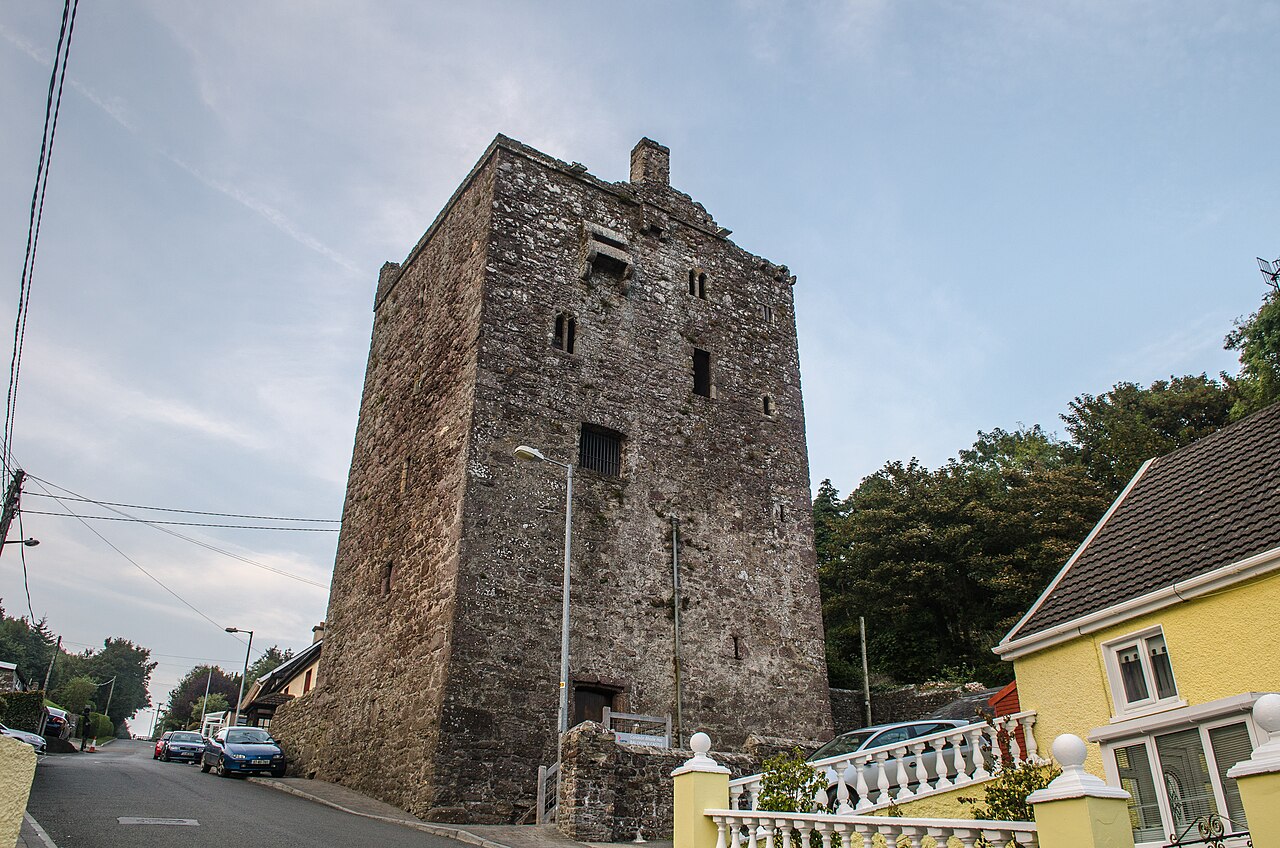
Passage East Fort
Passage East Fort is a historic coastal fortification located in the village of Passage East, County Waterford, Ireland. Positioned strategically on the waterfront, the fort was originally constructed in the late 16th century to control maritime traffic along the River Barrow and protect the important port city of Waterford upstream. Its location allowed it to serve as a key defensive point overseeing river passage and guarding against potential naval incursions.
Early construction and architectural features
The initial construction of Passage East Fort dates back to around 1568, during a period when coastal and river defenses were crucial to securing trade routes and settlements in Ireland. The fort began as a simple blockhouse, a small fortified building designed for defense and control. This blockhouse formed the core of the fortification and was later supplemented by additional defensive structures.
Between 1590 and 1592, the fort underwent significant expansion with the addition of a surrounding wall, creating an oblong enclosure. The design included the original blockhouse positioned at one corner, while the other three corners featured round flankers. These flankers were small, rounded defensive towers that allowed defenders to cover the walls with crossfire, a common feature in late medieval and early modern fortifications designed to improve defense against artillery and infantry assaults.
Today, the most visible remnant of Passage East Fort is one of these round flankers, which stands as a testament to the fort's original layout and defensive strategy. The walls and other structures have largely succumbed to time, coastal erosion, and human activity.
Military history and strategic importance
Passage East Fort played a notable role during the turbulent 17th century, particularly in the Cromwellian conquest of Ireland in 1649. Despite efforts to strengthen the fort by dispatching additional troops from Waterford, Cromwell's forces successfully captured it. Later that year, Waterford's troops attempted to retake the fort but were unsuccessful, underscoring the fort's strategic significance in controlling river access.
Following the conquest, the fort was repaired in the 1660s and remained an active defensive site. By 1684, it was reportedly armed with seven cannons, working in conjunction with Duncannon Fort located on the opposite bank of the River Barrow. Together, these forts controlled and monitored river traffic, providing a defensive network for Waterford and the surrounding region.
Despite repairs in the 1690s, Passage East Fort was eventually demilitarized in 1711 and fell into disuse. By 1777, only the fort's walls remained intact, reflecting a period of neglect.
Later repairs and decline
The outbreak of the American Revolutionary War and the alliance between Britain and France prompted renewed interest in coastal defenses. Between 1777 and 1783, Passage East Fort was repaired, modernized, and rearmed to counter potential threats. However, this revival was short-lived, and the fort was soon abandoned again.
In 1796, fears of a French invasion led to plans to reactivate the fort, but these plans never materialized. After the defeat of Napoleon in 1815, the fort lost all military relevance and was left to deteriorate.
Over the 19th and 20th centuries, the ruins of Passage East Fort were likely used as a source of building materials by local residents. Coastal erosion has also contributed to the loss of parts of the structure, further reducing the fort to a modest ruin.
Current state and visitor information
Today, Passage East Fort exists as a simple ruin within a small public park in the village. The surviving flanker remains accessible to visitors, offering a glimpse into the fort's historic defensive role. While the site lacks extensive facilities or restoration, it provides an evocative setting for those interested in Ireland's military architecture and coastal history.
The fort's location on the waterfront allows visitors to appreciate its strategic position overlooking the River Barrow, an important waterway that shaped the region's history. The site is freely accessible and serves as a quiet reminder of the many layers of conflict and defense that characterized Ireland's past.
Frequently asked questions (FAQ)
- How do I get to Passage East Fort?
- Passage East Fort is easily accessible by car or public transport. If driving, take the A18 road and follow the signs to Passage East. For public transport, check local bus schedules that connect to the area, ensuring a smooth journey.
- What is the historical significance of Passage East Fort?
- Passage East Fort was built in the 19th century as part of a defensive network to protect against potential invasions. Its strategic location overlooking the River Suir made it a critical military site during its operational years. Today, it stands as a testament to the region's rich military history.
- When was Passage East Fort constructed?
- Construction of Passage East Fort began in 1810 and was completed in 1816. The fort was part of a larger effort to strengthen coastal defenses during a time of heightened concern over naval threats. Its design reflects military architecture of that period.
- Can I visit Passage East Fort?
- Yes, Passage East Fort is open to visitors, allowing you to explore its historic grounds and learn about its past. Guided tours may be available, providing insights into the fort's architecture and history. Be sure to check the official website for any special events or restrictions.
- Why is Passage East Fort important to local culture?
- The fort is an integral part of the local heritage, symbolizing the region's military past and its role in coastal defense. It serves as a reminder of the historical events that shaped the community and is often featured in local cultural events. The fort also attracts history enthusiasts and tourists alike, enriching the local economy.
- Is it possible to access Passage East Fort with mobility challenges?
- Efforts have been made to ensure that Passage East Fort is accessible to all visitors. While some areas may present challenges due to the historic nature of the site, there are pathways designed for easier access. It is recommended to contact the site in advance to inquire about specific accommodations.
- What are the opening hours for Passage East Fort?
- Passage East Fort typically opens from 10 AM to 5 PM, but hours may vary seasonally. It’s advisable to check the official website or contact the visitor center for the most current information before planning your visit. Special events may also affect regular opening hours.
- What are the ticket prices for visiting Passage East Fort?
- Ticket prices for Passage East Fort are generally reasonable, with discounts available for children, students, and seniors. Admission fees support the maintenance and preservation of the fort. Check the official website for the latest pricing and any available packages or group rates.
- What nearby attractions can I visit while at Passage East Fort?
- While visiting Passage East Fort, you can explore nearby attractions such as the scenic River Suir and local parks. The charming village of Passage East itself offers quaint shops and eateries. Additionally, consider visiting other historical sites in the region to enhance your experience.
Information
Loading map...
Visitor reviews
No reviews yet. Been here? Write the first review and help other travelers!
Write the first reviewVisited this castle? Share your experience
Your review helps other travelers and adds first-hand knowledge to our encyclopedia.