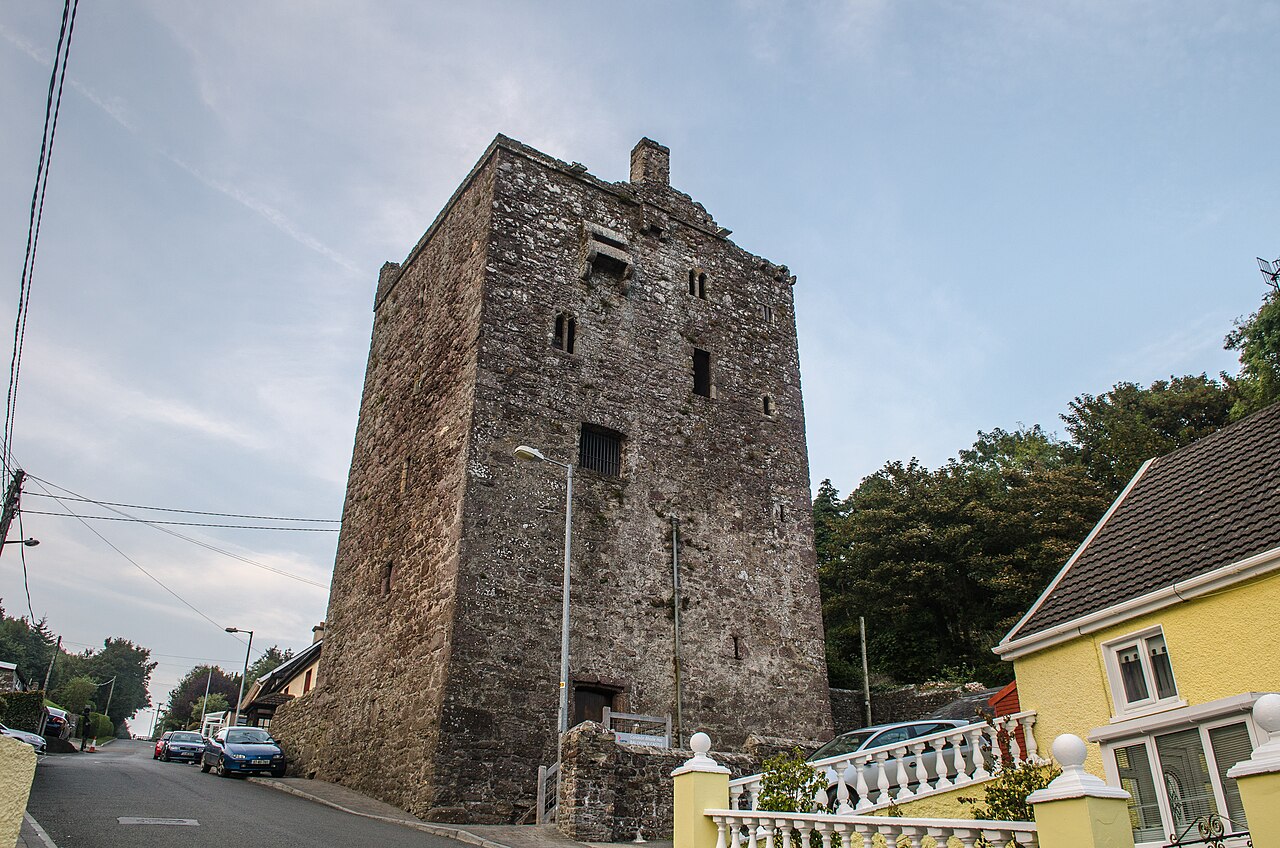
Ballyhack Castle
Ballyhack Castle is a remarkable example of a 15th-century Irish tower house, located in the village of Ballyhack in County Wexford, Ireland. Built around 1480 by the Knights Hospitaller, also known as the Johanniter, the castle served as a strategic fortified residence overseeing the Suir estuary and controlling access to Waterford Harbour. Its position on a steep slope in a narrow valley allowed it to protect a small harbor with a ferry crossing to Passage East, emphasizing its military and commercial importance during the late medieval period.
Historical significance and ownership
The construction of Ballyhack Castle by the Knights Hospitaller reflects the Order's broader role in medieval Ireland, where they managed several properties including Kilcloggan Castle on the Hook Peninsula. The castle's foundation around the late 15th century coincided with a period of fortified tower house building across Ireland, designed to assert control over key maritime routes and local territories.
Following the dissolution of the Knights Hospitaller's Irish holdings in 1541, Ballyhack Castle was transferred to the Etchingham family, a prominent local Gaelic clan. The castle's military relevance continued through the turbulent 16th and 17th centuries. It was involved in the Desmond Rebellions in the late 1500s, a series of conflicts challenging English authority in Munster and surrounding regions.
During the Irish Confederate Wars and the wider Wars of the Three Kingdoms in the mid-17th century, Ballyhack Castle was occupied by Jacobite forces loyal to King James II. Around 1650, it came under the control of Oliver Cromwell's New Model Army during the Cromwellian conquest of Ireland. The castle was used as a holding place for displaced individuals awaiting exile, reflecting the harsh realities of the Cromwellian campaigns. By approximately 1652, this function ended, and the castle gradually fell out of regular use by the late 17th century.
In the 20th century, Ballyhack Castle was recognized for its heritage value, leading to restoration efforts. Since 1954, the Office of Public Works has managed the site, preserving it as a national monument and ensuring its accessibility to the public.
Architectural features and design
Ballyhack Castle is a five-storey tower house constructed from red sandstone, with a nearly square footprint measuring approximately 10 meters on each side. This robust design typifies late medieval Irish tower houses, which combined residential and defensive functions. The castle's elevated location on a steep slope enhanced its defensive capabilities and offered commanding views over the surrounding landscape.
Entrance and defensive elements
The castle's main entrance is notably positioned on the fourth floor, facing southwest toward the valley below. This elevated doorway was fortified with several defensive features, including a projecting oriel turret that allowed defenders to observe and repel attackers from above. Narrow arrow slits provided firing positions, while a murder hole above the entrance enabled defenders to drop stones or boiling liquids on assailants attempting to breach the door.
Gothic pointed arch windows adorn the entrance side and the opposite face, while the southern wall features biforium windows—windows divided into two openings by a small column—adding both aesthetic and functional elements to the structure. Simpler window openings are found on the northeast side, reflecting a balance between defense and light provision.
Interior layout and special chambers
Inside, the castle contains a vaulted chamber along the northeast wall, which includes a sealed dungeon or hidden room, suggesting the presence of secure or secretive spaces within the tower. The second floor housed a chapel area, indicating the integration of religious functions within the residential quarters, a common feature in castles occupied by religious military orders.
The top floor is distinguished by a narrow decorative frieze running along the exterior wall near the roofline, adding an ornamental touch to the otherwise austere fortress. Although the battlement walkway on the roof no longer survives, remnants such as a turret base at the southwest corner and sockets for wooden beams hint at a more complex roof structure or an additional upper story in the past.
Associated structures and archaeological finds
Surrounding the main tower, the remains of ancillary buildings provide insight into the castle's broader functional context. On the northern side, the ruins of a barn wall extend uphill, indicating agricultural activities connected to the castle's operation. Near the entrance, the remains of a cottage have been uncovered, where archaeological excavations revealed Staffordshire pottery, clay pipe fragments, and glass items dating from the 17th and 18th centuries. These artifacts suggest continued occupation or reuse of the site well after the castle's military importance declined.
Visiting ballyhack castle today
Today, Ballyhack Castle is accessible to the public free of charge, managed by the Office of Public Works as a protected national monument. Its well-preserved tower house architecture and rich historical associations make it a compelling destination for visitors interested in medieval Irish history and military architecture. The castle's location offers picturesque views of the surrounding valley and estuary, enhancing the visitor experience.
While the castle may be closed during off-season periods, it remains a notable example of late medieval fortifications in Ireland and a testament to the enduring legacy of the Knights Hospitaller in the region.
Frequently asked questions (FAQ)
- How do I get to Ballyhack Castle?
- Ballyhack Castle is located in the village of Ballyhack, County Wexford, Ireland. It is accessible by car via local roads from nearby towns such as New Ross and Waterford.
- What is the historical significance of Ballyhack Castle?
- Ballyhack Castle was built by the Knights Hospitaller around 1480 and played a strategic role in controlling access to Waterford Harbour. It was involved in key historical events such as the Desmond Rebellions and the Cromwellian conquest.
- Is Ballyhack Castle open to visitors?
- Yes, Ballyhack Castle is open to the public free of charge. However, it may be closed during off-season periods, so it is advisable to check opening times before planning a visit.
- What architectural features make Ballyhack Castle unique?
- The castle features a five-storey tower house design with a main entrance on the fourth floor, fortified with defensive elements like an oriel turret, arrow slits, and a murder hole. It also includes a chapel and a sealed dungeon inside.
- Can I explore the surrounding area of Ballyhack Castle?
- Yes, visitors can explore the remains of associated buildings such as a barn and a cottage near the castle. The site offers scenic views of the Suir estuary and the surrounding valley.
Information
Ticket prices
Free
Current owner
Office of Public Works
Loading map...
Visitor reviews
No reviews yet. Been here? Write the first review and help other travelers!
Write the first reviewVisited this castle? Share your experience
Your review helps other travelers and adds first-hand knowledge to our encyclopedia.