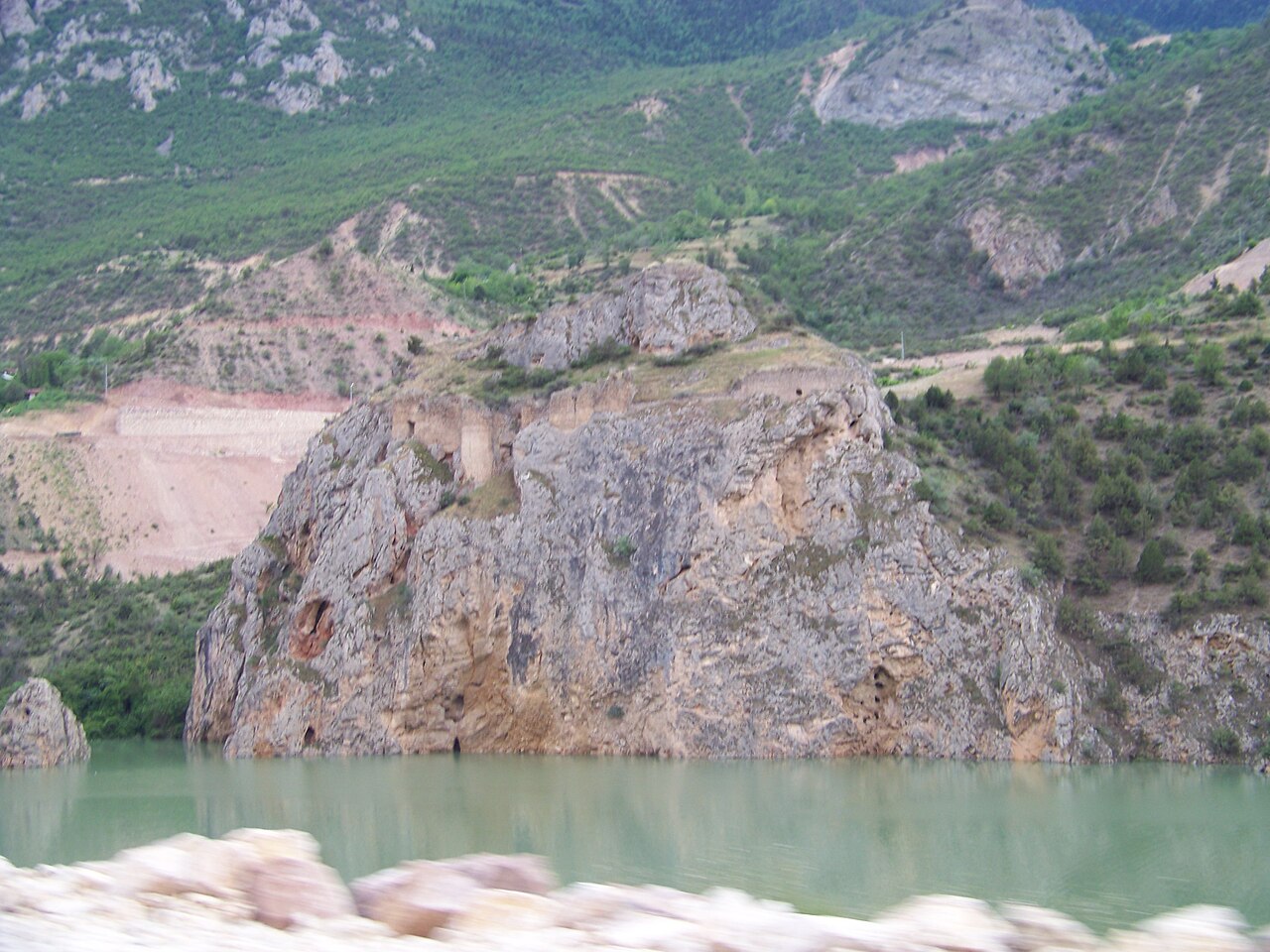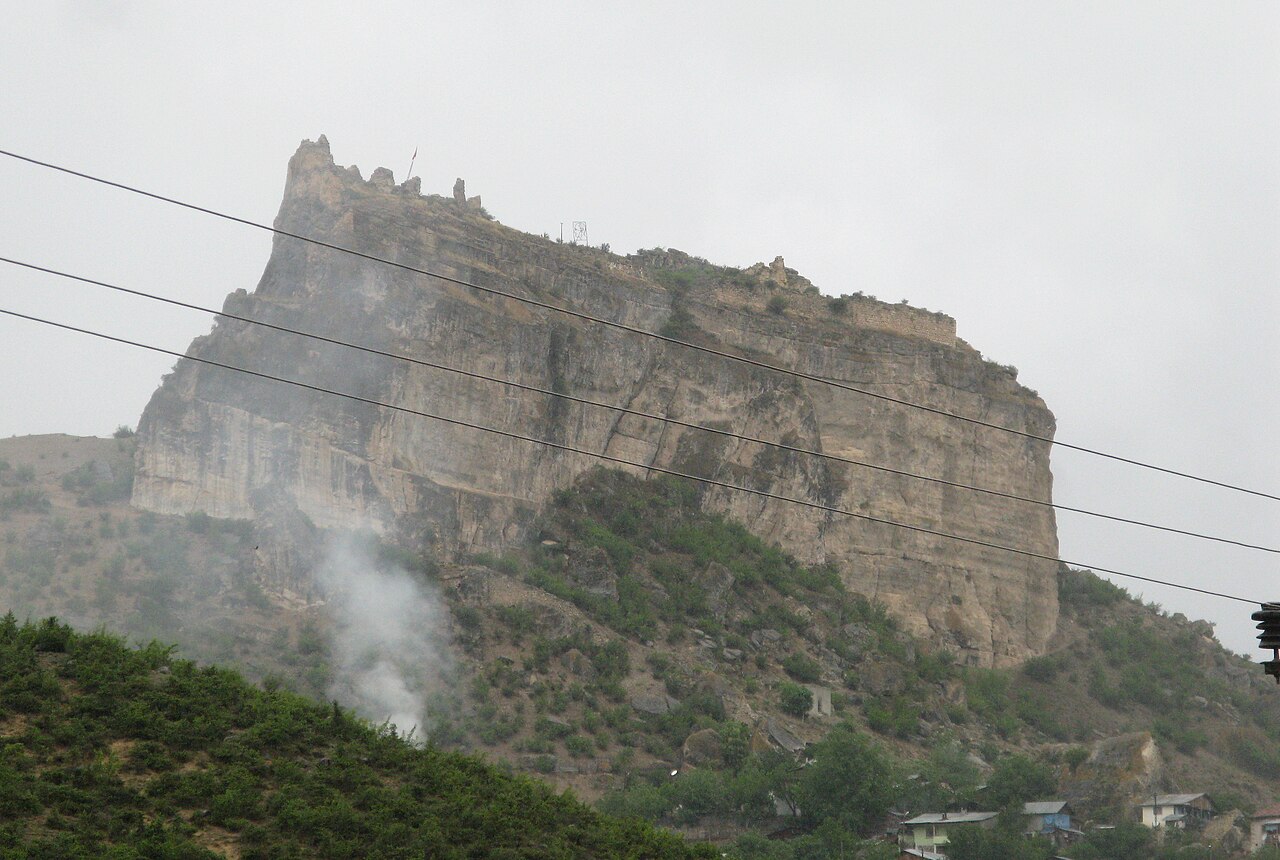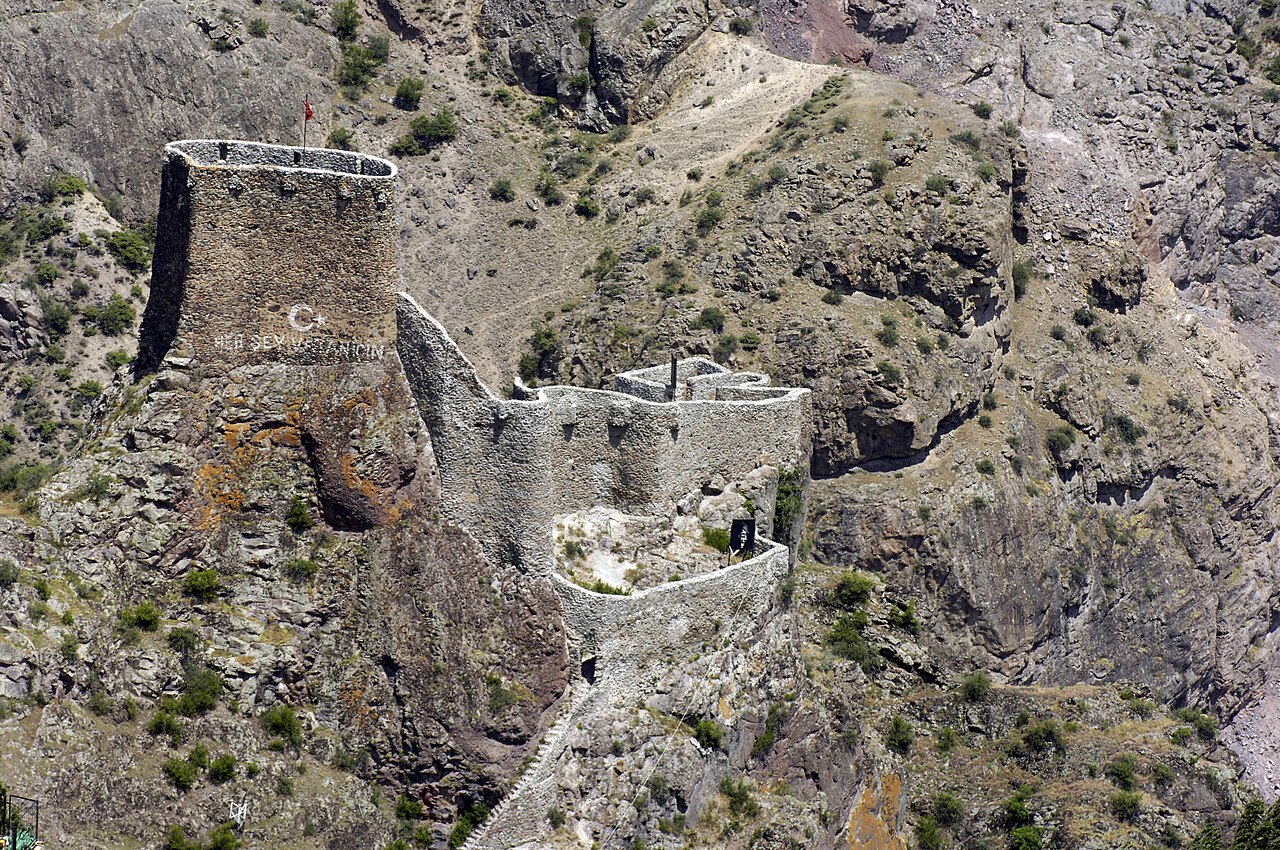
Parekhi monastery is a significant medieval Georgian Orthodox monastery located in the historical region of Klarjeti, now part of the Artvin Province in Turkey. Founded in the 9th century, this religious complex represents an important chapter in the spiritual and architectural history of the Georgian Kingdom during the Early Medieval period.
Founding and historical context
The monastery was established in the 840s as a hermitage by followers of St. Gregory of Khandzta, a prominent figure in the revival of Georgian monasticism in the region. Initially intended as a solitary retreat, Parekhi quickly evolved into a coenobium, a communal monastic settlement that fostered religious life and learning. This transformation reflects the broader monastic movement in Klarjeti, which became a vital center for Georgian Orthodox spirituality and culture during the Early Medieval era.
Architectural composition and style
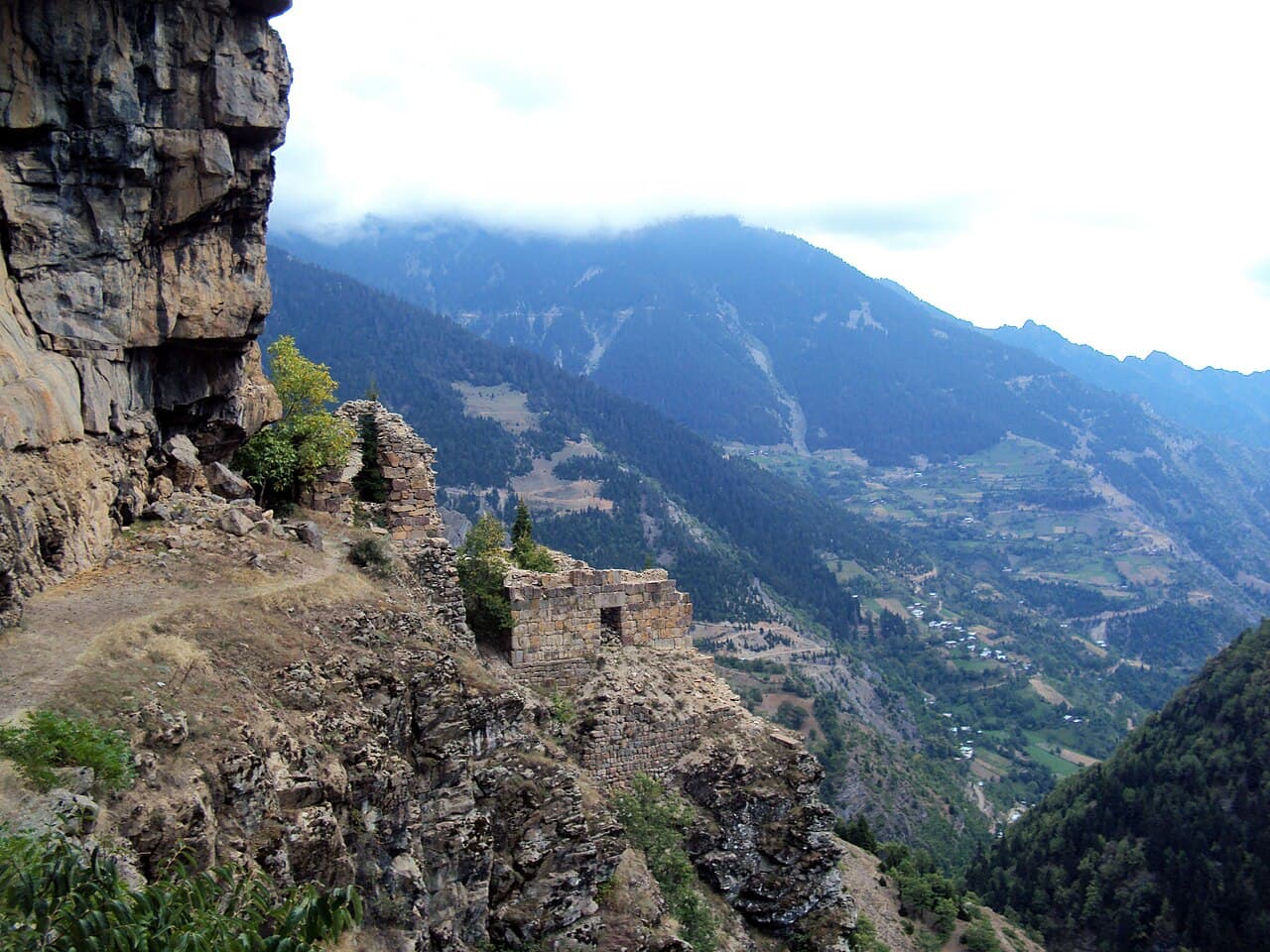
The monastery complex is uniquely integrated into its natural environment, nestled beneath a horizontal rock ledge that shelters the buildings. The architectural ensemble harmonizes with the surrounding landscape, demonstrating an organic relationship between nature and constructed space typical of Early Medieval Georgian monastic architecture.
At the heart of the complex stand two 9th-century churches situated side by side. One is a single-nave church, characterized by its simple, elongated rectangular plan, while the other is a basilica with a more complex layout featuring a central nave flanked by aisles. These churches exemplify the architectural styles prevalent in Georgian ecclesiastical construction during the period, emphasizing modesty and functionality combined with spiritual symbolism.
Single-nave church
The single-nave church at Parekhi is a modest structure designed for intimate worship. Its architectural elements include thick stone walls, small windows, and a pitched roof, which together create a serene interior atmosphere conducive to prayer and contemplation.
Basilica church
The basilica church displays a more elaborate design with its longitudinal plan and multiple aisles. This structure likely served a larger monastic community and accommodated liturgical ceremonies requiring more space. The basilica's architectural features include semicircular apses and remnants of decorative stonework that hint at the artistic traditions of the time.
Monastic life and cultural significance
Parekhi monastery was part of a network of monastic centers in Klarjeti that played a crucial role in preserving and promoting Georgian Orthodox Christianity during a period marked by political fragmentation and external threats. The monastery's establishment by St. Gregory's followers highlights its connection to a broader religious revival that emphasized asceticism, scholarship, and the copying of religious manuscripts.
The site's location in a remote, mountainous area provided seclusion necessary for monastic discipline while also offering natural defenses against invasions. This strategic positioning allowed Parekhi to maintain its religious functions and cultural activities over centuries.
Preservation and current status
Today, the monastery complex remains an important archaeological and cultural heritage site, though it is largely in ruins. The surviving churches and monastic buildings offer valuable insights into Early Medieval Georgian architecture and monastic life. Preservation efforts are challenged by the site's remote location and exposure to natural elements, but it continues to attract scholars, historians, and visitors interested in the region's rich religious history.
Frequently asked questions (FAQ)
- How do I get to Parekhi Castle?
- Parekhi Castle is located in Turkey, easily accessible by car or public transport from nearby cities. The closest major city is Antalya, which is approximately a 2-hour drive away. Local buses and taxis can also be used for convenience in reaching the castle.
- What is the historical significance of Parekhi Castle?
- Parekhi Castle dates back to the Byzantine era and has played a crucial role in the region's defense throughout history. It served as a strategic military outpost, offering a vantage point for monitoring enemy movements. Today, it stands as a testament to the architectural and historical heritage of the area.
- When was Parekhi Castle built?
- Parekhi Castle was constructed in the 6th century during the reign of the Byzantine Empire. Its design reflects the military architecture of the time, showcasing thick walls and strategic towers. Over the centuries, it has undergone various renovations, maintaining its significance through different historical periods.
- Can I take guided tours of Parekhi Castle?
- Yes, guided tours of Parekhi Castle are available and provide an enriching experience for visitors. Knowledgeable guides share insights into the castle's history, architecture, and the surrounding landscape. It's recommended to book tours in advance, especially during peak tourist seasons.
- Why is the architecture of Parekhi Castle unique?
- The architecture of Parekhi Castle is characterized by its robust stone structure and intricate design elements that reflect Byzantine military architecture. The castle features imposing walls, watchtowers, and a well-preserved interior, showcasing the engineering skills of its builders. This unique blend of functionality and aesthetics makes it a fascinating site for architecture enthusiasts.
- Is it possible to visit Parekhi Castle year-round?
- Yes, Parekhi Castle is open to visitors year-round, but the best time to visit is during the spring and fall months when the weather is mild. Summer can be quite hot, making exploration less comfortable. Always check local guidelines for any seasonal events or maintenance closures before planning your visit.
- What are the ticket prices for Parekhi Castle?
- Admission to Parekhi Castle is reasonably priced, with tickets typically costing around 30 Turkish Lira. Discounts are often available for students, seniors, and children. It's advisable to check the official website for the most up-to-date ticket pricing and any available promotions.
- What are the opening hours for Parekhi Castle?
- Parekhi Castle is generally open from 9 AM to 6 PM daily, with extended hours during the summer months. However, it's best to confirm the current opening hours before your visit, as they may vary due to holidays or special events. Arriving early in the day can help you avoid crowds and enjoy a more peaceful experience.
- Are there any nearby attractions to visit after Parekhi Castle?
- Yes, there are several attractions near Parekhi Castle, including beautiful beaches, ancient ruins, and charming local villages. The nearby town of Kaş offers delightful shops and dining experiences, while hiking trails in the surrounding mountains provide stunning views. Combining your visit with these nearby sites can make for a memorable day trip.
Photo gallery

Photo by Dawid Deutschland•Public domain
Information
Loading map...
Visitor reviews
No reviews yet. Been here? Write the first review and help other travelers!
Write the first reviewVisited this castle? Share your experience
Your review helps other travelers and adds first-hand knowledge to our encyclopedia.