Ferhatli Castle
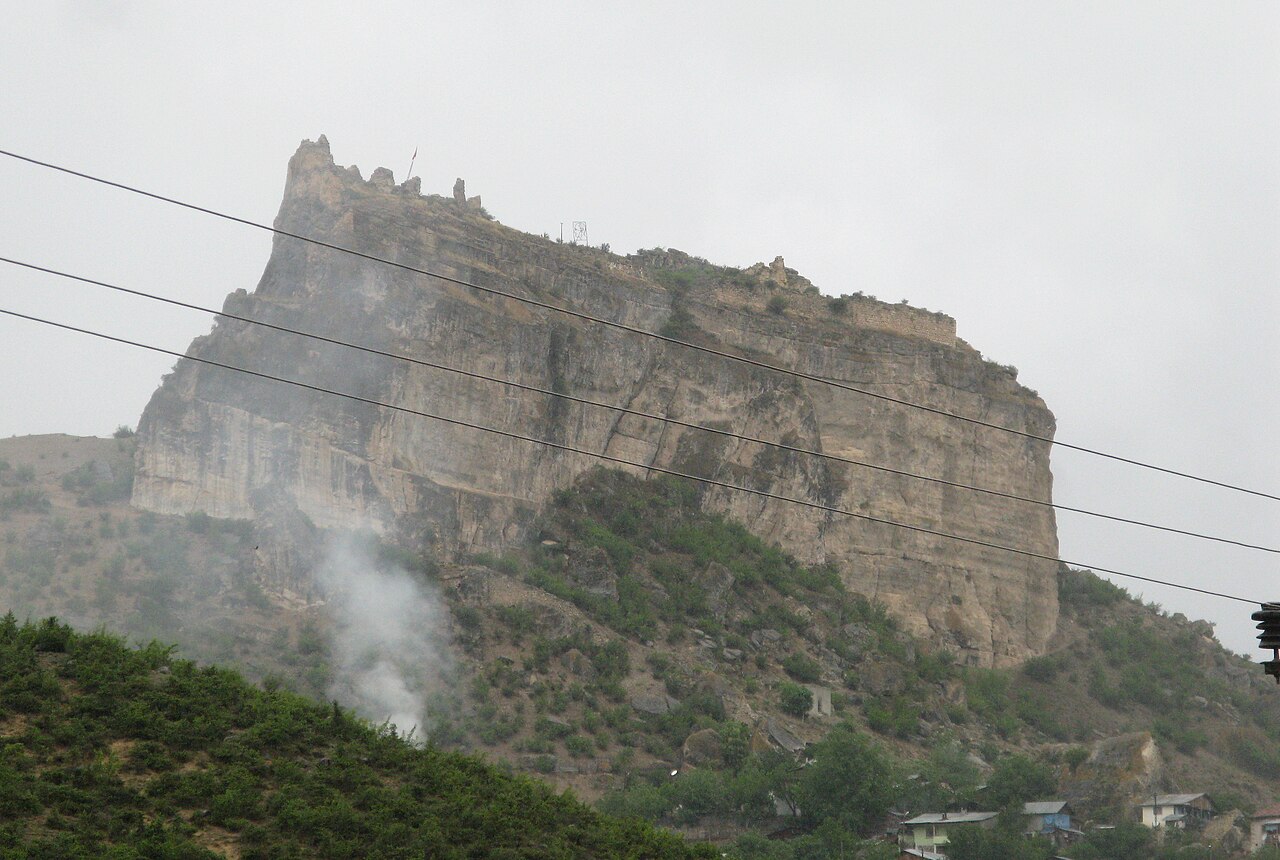
Ferhatli Castle, locally known as Ferhatli Kalesi, is perched on a prominent rock formation overlooking the Ardanuç river near the village of Ferhatli in the Artvin province of northeastern Turkey. This hill castle occupies a strategic position that historically controlled river access and the surrounding valley, reflecting its military and administrative importance in the region.
Historical background and origins
The exact date of Ferhatli Castle's original construction remains uncertain, but it is believed to have early medieval origins. The castle's history is intertwined with the ancient kingdom of Caucasian Iberia, which encompassed parts of modern-day Georgia and northeastern Turkey. During the 5th century, the castle underwent significant restoration under the reign of Vakhtang I, King of Caucasian Iberia, who is noted for fortifying regional defenses against external threats.
Ferhatli Castle was restored contemporaneously with nearby Gevhernik Castle, indicating a coordinated effort to secure this frontier zone. However, much of the visible remains today date from the Ottoman era, particularly from the 16th century onward, when the castle was adapted to the military needs of the empire. The Ottoman modifications likely included reinforcement of the outer walls and alterations to accommodate artillery, common in that period.
Architectural features and layout
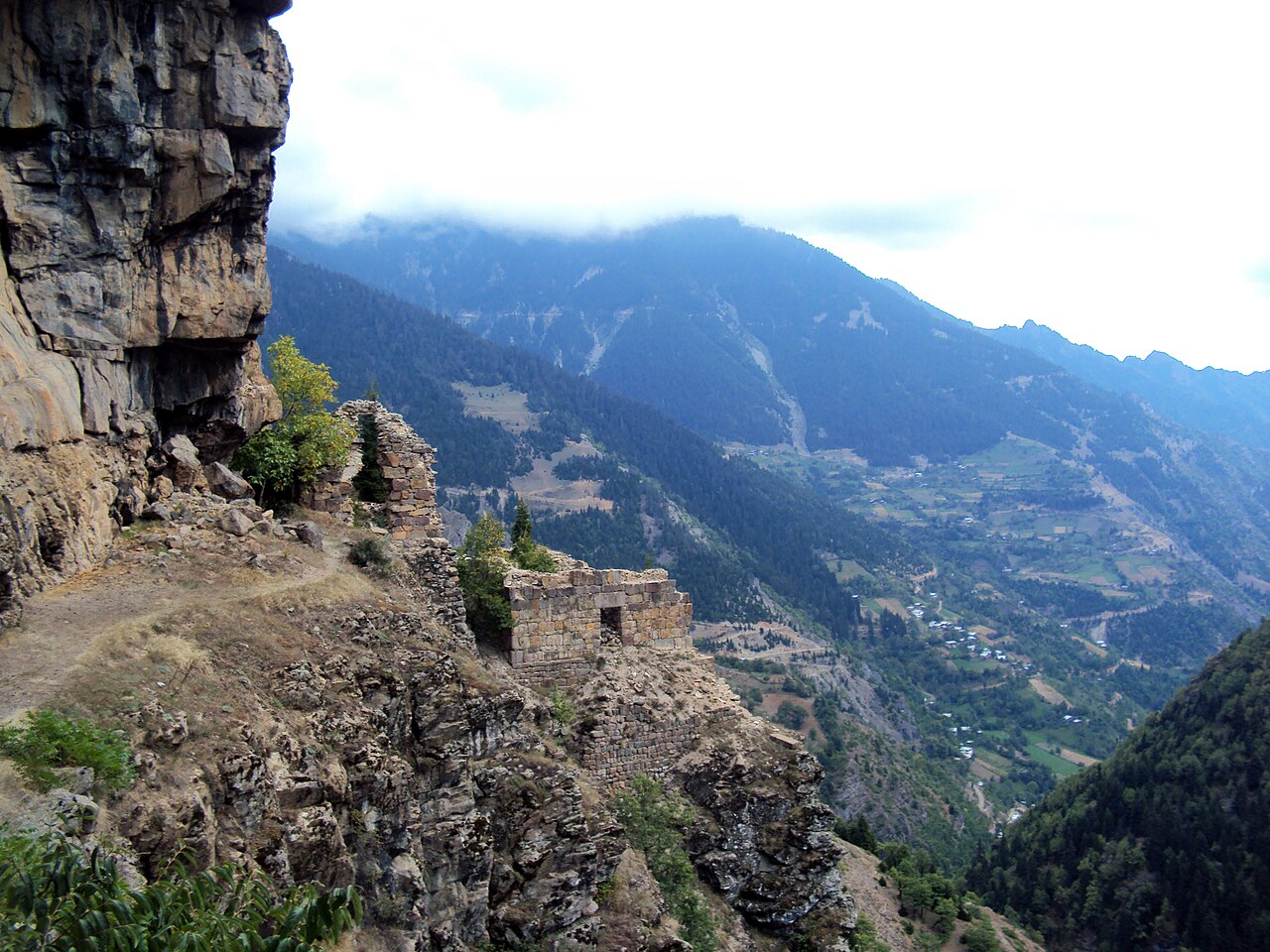
The castle is classified as a hill castle, built atop a rocky outcrop that provided natural defense advantages. Although the original structures have largely vanished, some remnants of the outer defensive walls remain visible. These walls, constructed from local stone, would have enclosed the castle's inner courtyard and protected the inhabitants from invaders.
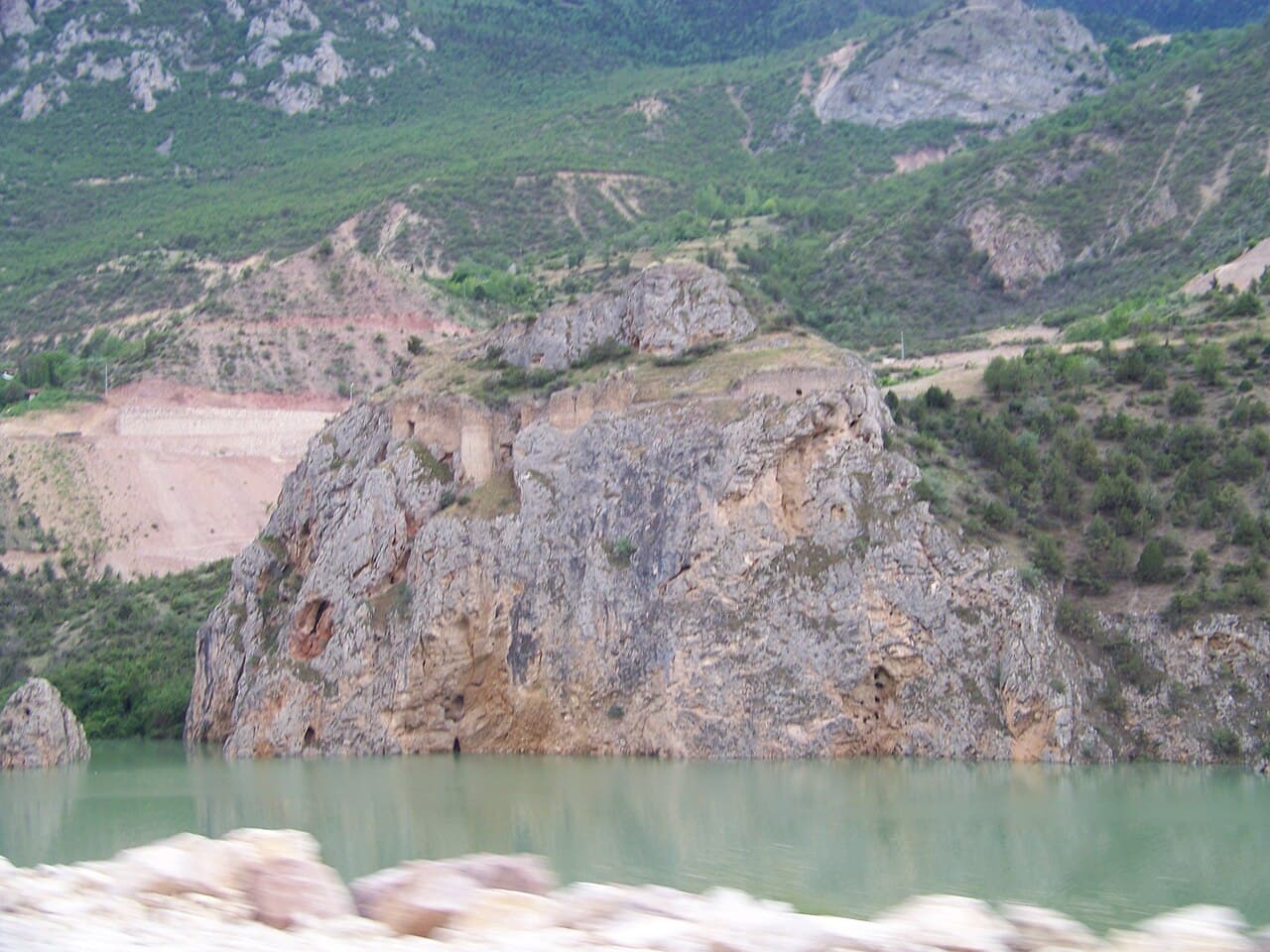
Due to the castle's elevated position, the walls were designed to maximize visibility and control over the surrounding landscape, particularly the Ardanuç river valley. The surviving sections of the walls are best viewed from the road below the castle or from the opposite side of the valley, especially after the completion of a dam project that will flood the lower road, altering the accessibility and views.
There are no significant remains of the castle's internal buildings or towers on the rock itself, suggesting that these may have been destroyed or dismantled over time. The castle's defensive design would have included features typical of early medieval fortifications, such as battlements and lookout points, though these are no longer extant.
Current condition and access
Today, Ferhatli Castle exists as ruins with limited structural remains. The site is freely accessible to visitors, but reaching the castle requires some physical effort, including rock climbing, due to its rugged terrain and elevated location. This challenging access helps preserve the site from extensive tourist impact but limits widespread visitation.
The castle ruins have suffered damage over time, including destruction caused by treasure hunters from the nearby town of Ardanuç. These activities have contributed to the loss of archaeological materials and further degradation of the site.
Visitors interested in viewing the castle's remains should plan for a physically demanding visit and take care when navigating the rocky paths. The surrounding landscape offers scenic views of the Ardanuç river valley and the Artvin region's mountainous terrain.
Significance in regional history
Ferhatli Castle is an important historical site that reflects the complex cultural and political dynamics of northeastern Turkey and the Caucasus region. Its association with the kingdom of Caucasian Iberia highlights the area's role as a crossroads of empires and cultures from antiquity through the Ottoman period.
The castle's strategic location underscores its function as a military stronghold controlling river routes and local settlements. Its restoration under Vakhtang I and later Ottoman modifications demonstrate the continuous military significance of the site across centuries.
Preservation and future prospects
Efforts to preserve Ferhatli Castle have been limited, and the site remains vulnerable to natural erosion and human interference. The construction of a dam nearby will alter the landscape and may impact access routes and views of the castle ruins.
Conservation initiatives could focus on stabilizing the remaining walls and improving visitor safety to promote sustainable tourism. Increased awareness of the castle's heritage value may encourage protective measures and archaeological research to better understand its historical phases and architectural evolution.
Frequently asked questions (FAQ)
- What is the historical significance of Ferhatli Castle?
- Ferhatli Castle is a remarkable example of medieval architecture in Turkey, showcasing the strategic military importance of the region during its time. Built in the 14th century, it served as a defensive fortress and played a crucial role in local conflicts and trade routes.
- When was Ferhatli Castle built?
- Ferhatli Castle was constructed in the 14th century, reflecting the architectural styles and defensive needs of that era. Its design incorporates elements typical of the time, making it a valuable site for understanding medieval history in Turkey.
- Can I visit Ferhatli Castle?
- Yes, Ferhatli Castle is open to visitors who wish to explore its historical and architectural significance. However, it is advisable to check local guidelines and any potential restrictions before planning your visit.
- What are the opening hours for Ferhatli Castle?
- Ferhatli Castle is generally open to visitors from 9 AM to 5 PM, but hours may vary by season or due to special events. It is recommended to verify the current hours before your visit to ensure you have ample time to explore the site.
- Is it possible to access Ferhatli Castle by public transport?
- While public transport options may be limited, it is possible to reach Ferhatli Castle by taking a bus or taxi from nearby towns. Once you arrive at the location, some walking may be required to reach the castle itself.
- What is the best time to visit Ferhatli Castle?
- The best time to visit Ferhatli Castle is during the spring and fall months when the weather is mild and comfortable for exploration. These seasons also offer beautiful views of the surrounding landscape and fewer crowds.
- Are there any nearby attractions to visit?
- Yes, there are several nearby attractions, including ancient ruins and scenic hiking trails that complement a visit to Ferhatli Castle. Exploring the local area can enhance your experience and provide greater insight into the region's rich history.
- What are the ticket prices for visiting Ferhatli Castle?
- Ticket prices for Ferhatli Castle are typically affordable, making it accessible for a wide range of visitors. It's best to check the official website or local tourism resources for the most current prices and any available discounts.
Photo gallery

Photo by Jaba1977•Attribution
Information
Loading map...
Visitor reviews
No reviews yet. Been here? Write the first review and help other travelers!
Write the first reviewVisited this castle? Share your experience
Your review helps other travelers and adds first-hand knowledge to our encyclopedia.