Artvin Castle — Turkey castle

Artvin Castle

Artvin Castle: a hill fortress of early medieval Turkey
Artvin, Turkey
Early Medieval (5th–10th c.)
Ruins

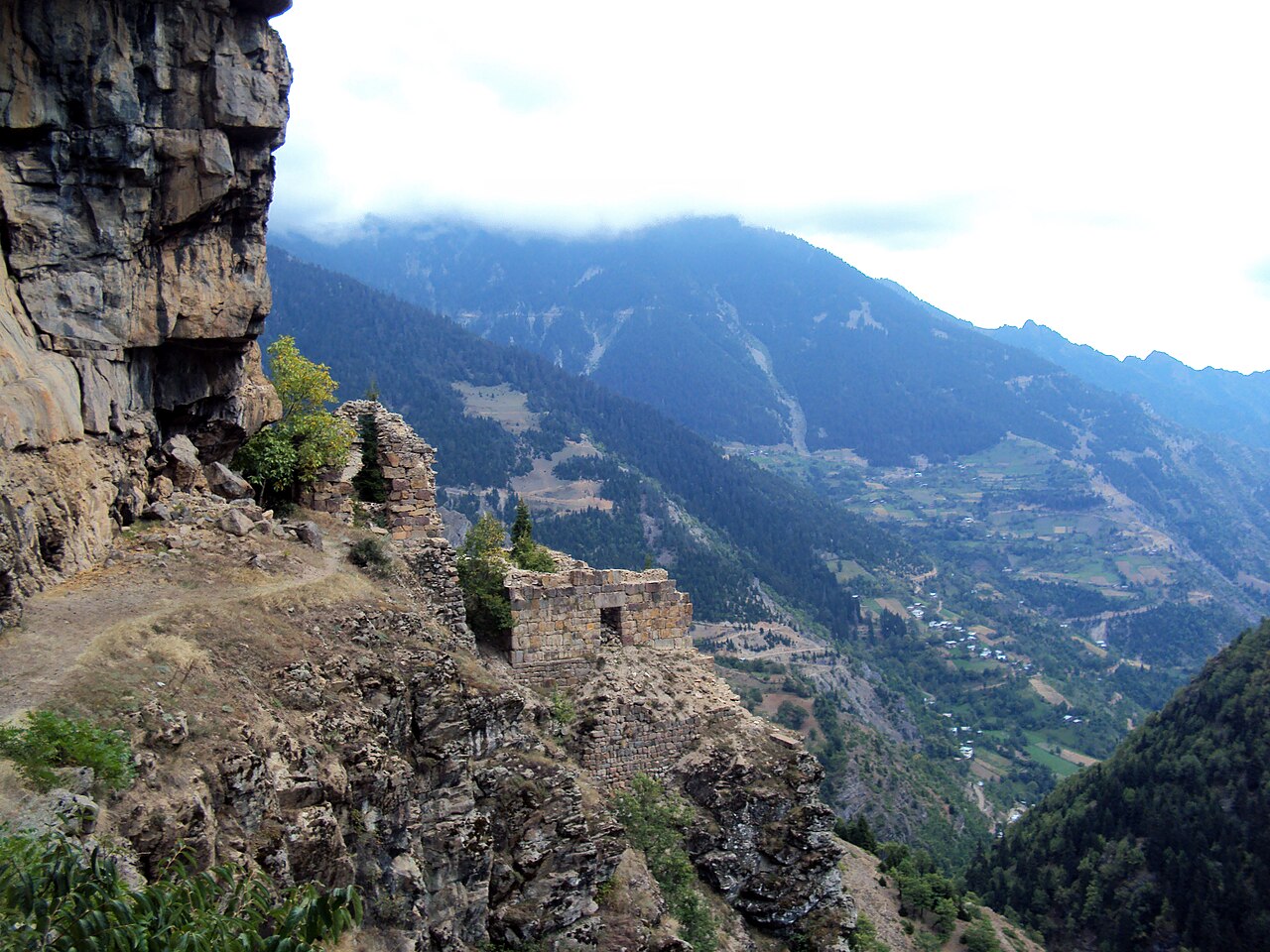
Artvin Castle is a notable example of a hill castle located in the northeastern region of Turkey, near the city of Artvin. Constructed in the 10th century, this fortress was built during the early medieval period, serving as a strategic defensive stronghold in a region marked by frequent conflicts and shifting powers.

Historical context and strategic importance

During the early medieval era, the area around Artvin was a contested frontier zone between various regional powers, including the Byzantine Empire and emerging local principalities. The castle's elevated position on a hill provided commanding views over the surrounding valleys and routes, allowing control over trade and military movements. This strategic location made Artvin Castle a key military asset for controlling the approaches to the region.

Architectural features and construction

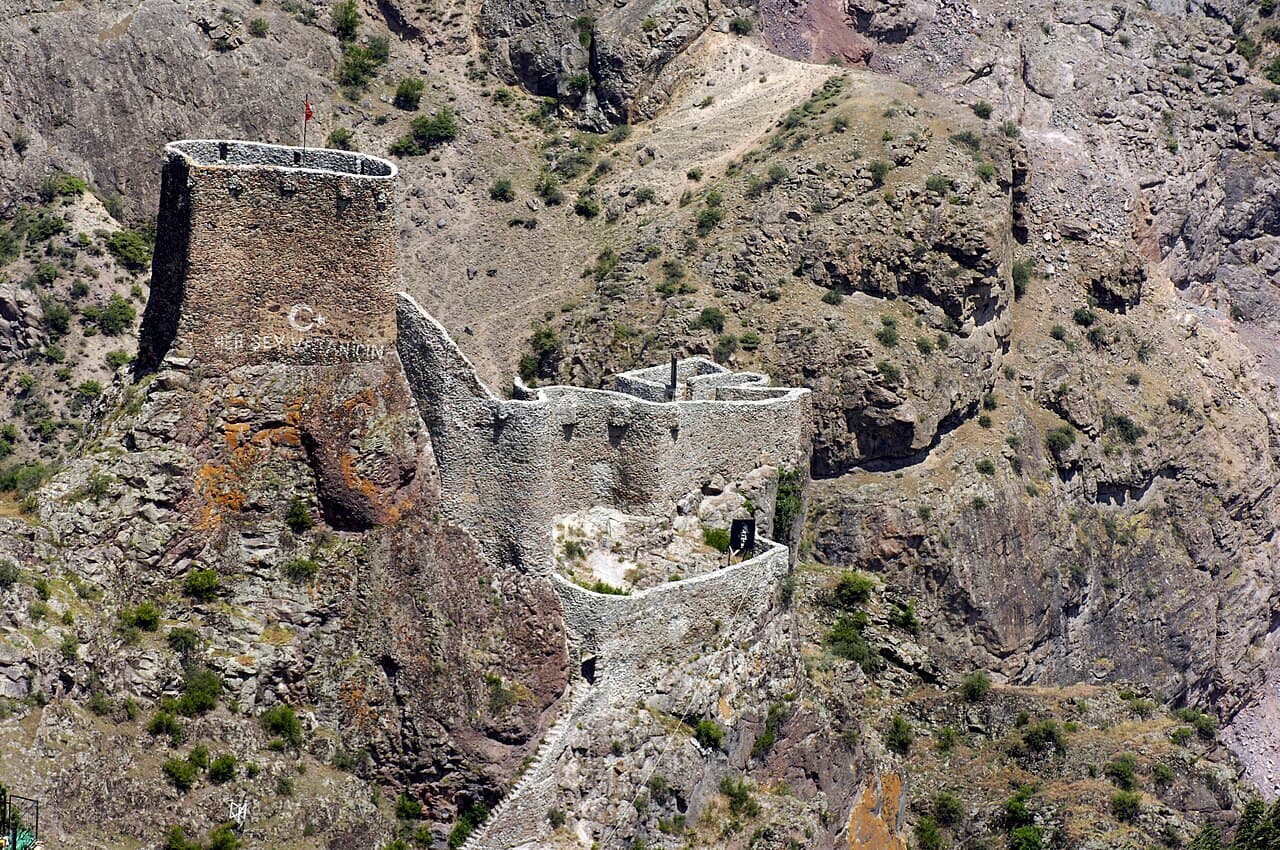
The castle exhibits characteristics typical of early medieval hill castles in Anatolia. Its defensive structures include thick stone walls adapted to the rugged terrain, designed to withstand sieges and assaults. The layout is irregular, conforming to the natural topography of the hill, which enhanced its defensive capabilities by limiting access points and creating natural barriers.

Key architectural elements include fortified curtain walls with battlements, watchtowers positioned to cover vulnerable approaches, and a main gate reinforced for defense. The use of local stone materials reflects the practical construction methods of the period, emphasizing durability and functionality over ornamental design.

Defensive innovations

The castle's design incorporates features such as narrow arrow slits and elevated platforms for archers, which were common in early medieval fortifications to maximize defensive firepower. The steep slopes around the castle acted as natural deterrents against attackers, making direct assaults difficult.

Role in regional history

Artvin Castle played a significant role in the military history of northeastern Anatolia. It was part of a network of fortifications that protected the region from invasions and raids. Over the centuries, the castle witnessed various conflicts and changes in control, reflecting the turbulent history of the area.

Although detailed historical records specific to the castle are limited, its enduring presence illustrates the importance of fortified sites in maintaining territorial control during the early medieval period.

Current condition and preservation

Today, Artvin Castle remains a hill castle ruin. Its walls and towers are partially preserved, allowing visitors to appreciate the scale and defensive ingenuity of the original structure. The site offers panoramic views of the surrounding landscape, enhancing its appeal as a historical and cultural landmark.

Efforts to preserve and study the castle have helped protect its remains from further deterioration, although it remains primarily an archaeological site rather than a fully restored tourist attraction.

Visiting Artvin Castle

Visitors to the castle can explore the ruins and enjoy the natural beauty of the surrounding area. The castle's elevated position provides excellent opportunities for photography and understanding medieval military architecture in a natural setting.

Access to the site may require some hiking due to its hilltop location, and visitors should prepare accordingly. The castle is an important destination for those interested in early medieval history and fortifications in Turkey.

Frequently asked questions (FAQ)

When was Artvin Castle built?
Artvin Castle was constructed in the 10th century during the early medieval period, reflecting the military architecture of that era.
What type of castle is Artvin Castle?
Artvin Castle is classified as a hill castle, strategically located on elevated terrain to control the surrounding area.
What is the current condition of Artvin Castle?
The castle is currently in ruins, with partially preserved walls and towers that reveal its original defensive features.
Can visitors access Artvin Castle easily?
Access to Artvin Castle involves some hiking due to its hilltop location. Visitors should be prepared for uneven terrain and bring suitable footwear.
Why was Artvin Castle built in its location?
The castle was built on a hill to provide strategic oversight of trade routes and military approaches, making it a key defensive site in northeastern Turkey.

Photo gallery

Artvin Castle
Click to view

Photo by Dosseman•CC BY-SA 4.0

1 photo • Click any image to view in full screen

Information

Hill Castle

Loading map...

Visitor reviews

No reviews yet. Been here? Write the first review and help other travelers!

Write the first review

Visited this castle? Share your experience

Your review helps other travelers and adds first-hand knowledge to our encyclopedia.

Write a review

(5/5)

0/2000 characters

Your review will be visible after admin approval

Nearby castles

12.6 km

Boselt Castle

Near Okumuşlar Köyü, Turkey

Boselt Castle, also known locally as Boselt Kalesi and sometimes referred to as Şerbiyet, Şatberdi Kalesi, or Kaleyle, is a historic fortress perched on a rocky crag southwest of the village of Okumuşlar in the Artvin province of northeastern Turkey. This castle stands as a notable example of early medieval fortifications in the region, dating back to the 9th century. The castle was likely constructed during the time when the area was part of the historical Georgian province of Klarjeti. According to local legend, a Georgian king built Boselt Castle in memory of his daughter, which adds a layer of cultural and historical significance to the site. The fortress was not isolated; it was accompanied by a settlement located on the site of the present-day village of Okumuşlar. This settlement functioned as a trade center for the region, indicating that Boselt Castle played a crucial role in both defense and commerce. Strategic location and architectural features Boselt Castle is strategically positioned on a rocky outcrop, providing commanding views of the surrounding mountainous terrain. This elevated position was essential for its defensive function, allowing inhabitants to monitor and control movement through the valley below. The castle's construction utilized the natural rock formations, blending man-made walls with the rugged landscape. Though detailed architectural studies are limited due to the castle's current inaccessibility, Boselt Castle likely included typical early medieval defensive elements such as thick stone walls, battlements, and possibly towers or lookout posts. The castle's walls would have been constructed from locally sourced stone, designed to withstand sieges and harsh weather conditions prevalent in the region. Connection to Şatberdi Monastery and underground tunnels Close to Boselt Castle are the ruins of the Şatberdi Monastery, an important religious site from the same period. It is widely believed that one of the primary purposes of Boselt Castle was to protect this monastic complex and the surrounding settlement. The proximity of the fortress to the monastery underscores the intertwined nature of religious and military architecture in medieval Caucasian regions. Local tradition also speaks of underground tunnels beneath the castle, carved into the rock. These tunnels may have served as secret passageways for escape or communication between the castle and the monastery or village. However, these tunnels have not been extensively explored or documented by archaeologists, leaving their full extent and purpose a matter of speculation. Historical context and cultural significance During the early medieval period, the region of Klarjeti was a frontier zone between various powers, including the Byzantine Empire and emerging Georgian principalities. Boselt Castle was part of a network of fortifications that helped secure trade routes and protect local populations from invasions. The castle's Georgian heritage reflects the historical influence of Georgian culture and political control in this part of northeastern Anatolia. The castle and its associated settlement highlight the blend of military, commercial, and religious functions typical of medieval Caucasus fortifications. The nearby monastery ruins further emphasize the cultural richness of the area during this period. Current condition and accessibility challenges At present, Boselt Castle is inaccessible to visitors due to the lack of safe paths leading to the site. The terrain is rugged and mountainous, and the traditional routes have been disrupted by the creation of the Deriner Reservoir, which flooded older access roads. This has made reaching the castle difficult without specialized equipment or local guidance. Despite its inaccessibility, Boselt Castle remains a promising site for future archaeological study and cultural tourism development. Its well-preserved ruins offer valuable insights into early medieval Georgian military architecture and the historical dynamics of the Artvin region. Recommendations for visitors and researchers Those interested in visiting Boselt Castle should prepare for a challenging journey, including a long mountainous drive and hiking through difficult terrain. Due to the current lack of infrastructure and safety measures, visits should be undertaken with caution and preferably with experienced local guides. Researchers and historians see Boselt Castle as an important site for understanding the medieval history of the Caucasus and northeastern Anatolia. Future excavations and preservation efforts could reveal more about the castle's structure, its role in regional defense, and its relationship with the nearby monastery and settlement.

Early Medieval (5th–10th c.)
Details
15.4 km
Parekhi — Turkey castle

Parekhi

, Turkey

Parekhi monastery is a significant medieval Georgian Orthodox monastery located in the historical region of Klarjeti, now part of the Artvin Province in Turkey. Founded in the 9th century, this religious complex represents an important chapter in the spiritual and architectural history of the Georgian Kingdom during the Early Medieval period. Founding and historical context The monastery was established in the 840s as a hermitage by followers of St. Gregory of Khandzta, a prominent figure in the revival of Georgian monasticism in the region. Initially intended as a solitary retreat, Parekhi quickly evolved into a coenobium, a communal monastic settlement that fostered religious life and learning. This transformation reflects the broader monastic movement in Klarjeti, which became a vital center for Georgian Orthodox spirituality and culture during the Early Medieval era. Architectural composition and style The monastery complex is uniquely integrated into its natural environment, nestled beneath a horizontal rock ledge that shelters the buildings. The architectural ensemble harmonizes with the surrounding landscape, demonstrating an organic relationship between nature and constructed space typical of Early Medieval Georgian monastic architecture. At the heart of the complex stand two 9th-century churches situated side by side. One is a single-nave church, characterized by its simple, elongated rectangular plan, while the other is a basilica with a more complex layout featuring a central nave flanked by aisles. These churches exemplify the architectural styles prevalent in Georgian ecclesiastical construction during the period, emphasizing modesty and functionality combined with spiritual symbolism. Single-nave church The single-nave church at Parekhi is a modest structure designed for intimate worship. Its architectural elements include thick stone walls, small windows, and a pitched roof, which together create a serene interior atmosphere conducive to prayer and contemplation. Basilica church The basilica church displays a more elaborate design with its longitudinal plan and multiple aisles. This structure likely served a larger monastic community and accommodated liturgical ceremonies requiring more space. The basilica's architectural features include semicircular apses and remnants of decorative stonework that hint at the artistic traditions of the time. Monastic life and cultural significance Parekhi monastery was part of a network of monastic centers in Klarjeti that played a crucial role in preserving and promoting Georgian Orthodox Christianity during a period marked by political fragmentation and external threats. The monastery's establishment by St. Gregory's followers highlights its connection to a broader religious revival that emphasized asceticism, scholarship, and the copying of religious manuscripts. The site's location in a remote, mountainous area provided seclusion necessary for monastic discipline while also offering natural defenses against invasions. This strategic positioning allowed Parekhi to maintain its religious functions and cultural activities over centuries. Preservation and current status Today, the monastery complex remains an important archaeological and cultural heritage site, though it is largely in ruins. The surviving churches and monastic buildings offer valuable insights into Early Medieval Georgian architecture and monastic life. Preservation efforts are challenged by the site's remote location and exposure to natural elements, but it continues to attract scholars, historians, and visitors interested in the region's rich religious history.

Early Medieval (5th–10th c.)
Details
16.1 km
Ferhatli Castle — Turkey castle

Ferhatli Castle

Near Ferhatli, Turkey

Ferhatli Castle, locally known as Ferhatli Kalesi, is perched on a prominent rock formation overlooking the Ardanuç river near the village of Ferhatli in the Artvin province of northeastern Turkey. This hill castle occupies a strategic position that historically controlled river access and the surrounding valley, reflecting its military and administrative importance in the region. Historical background and origins The exact date of Ferhatli Castle's original construction remains uncertain, but it is believed to have early medieval origins. The castle's history is intertwined with the ancient kingdom of Caucasian Iberia, which encompassed parts of modern-day Georgia and northeastern Turkey. During the 5th century, the castle underwent significant restoration under the reign of Vakhtang I, King of Caucasian Iberia, who is noted for fortifying regional defenses against external threats. Ferhatli Castle was restored contemporaneously with nearby Gevhernik Castle, indicating a coordinated effort to secure this frontier zone. However, much of the visible remains today date from the Ottoman era, particularly from the 16th century onward, when the castle was adapted to the military needs of the empire. The Ottoman modifications likely included reinforcement of the outer walls and alterations to accommodate artillery, common in that period. Architectural features and layout The castle is classified as a hill castle, built atop a rocky outcrop that provided natural defense advantages. Although the original structures have largely vanished, some remnants of the outer defensive walls remain visible. These walls, constructed from local stone, would have enclosed the castle's inner courtyard and protected the inhabitants from invaders. Due to the castle's elevated position, the walls were designed to maximize visibility and control over the surrounding landscape, particularly the Ardanuç river valley. The surviving sections of the walls are best viewed from the road below the castle or from the opposite side of the valley, especially after the completion of a dam project that will flood the lower road, altering the accessibility and views. There are no significant remains of the castle's internal buildings or towers on the rock itself, suggesting that these may have been destroyed or dismantled over time. The castle's defensive design would have included features typical of early medieval fortifications, such as battlements and lookout points, though these are no longer extant. Current condition and access Today, Ferhatli Castle exists as ruins with limited structural remains. The site is freely accessible to visitors, but reaching the castle requires some physical effort, including rock climbing, due to its rugged terrain and elevated location. This challenging access helps preserve the site from extensive tourist impact but limits widespread visitation. The castle ruins have suffered damage over time, including destruction caused by treasure hunters from the nearby town of Ardanuç. These activities have contributed to the loss of archaeological materials and further degradation of the site. Visitors interested in viewing the castle's remains should plan for a physically demanding visit and take care when navigating the rocky paths. The surrounding landscape offers scenic views of the Ardanuç river valley and the Artvin region's mountainous terrain. Significance in regional history Ferhatli Castle is an important historical site that reflects the complex cultural and political dynamics of northeastern Turkey and the Caucasus region. Its association with the kingdom of Caucasian Iberia highlights the area's role as a crossroads of empires and cultures from antiquity through the Ottoman period. The castle's strategic location underscores its function as a military stronghold controlling river routes and local settlements. Its restoration under Vakhtang I and later Ottoman modifications demonstrate the continuous military significance of the site across centuries. Preservation and future prospects Efforts to preserve Ferhatli Castle have been limited, and the site remains vulnerable to natural erosion and human interference. The construction of a dam nearby will alter the landscape and may impact access routes and views of the castle ruins. Conservation initiatives could focus on stabilizing the remaining walls and improving visitor safety to promote sustainable tourism. Increased awareness of the castle's heritage value may encourage protective measures and archaeological research to better understand its historical phases and architectural evolution.

Early Medieval (5th–10th c.)
Details