Gevhernik Castle
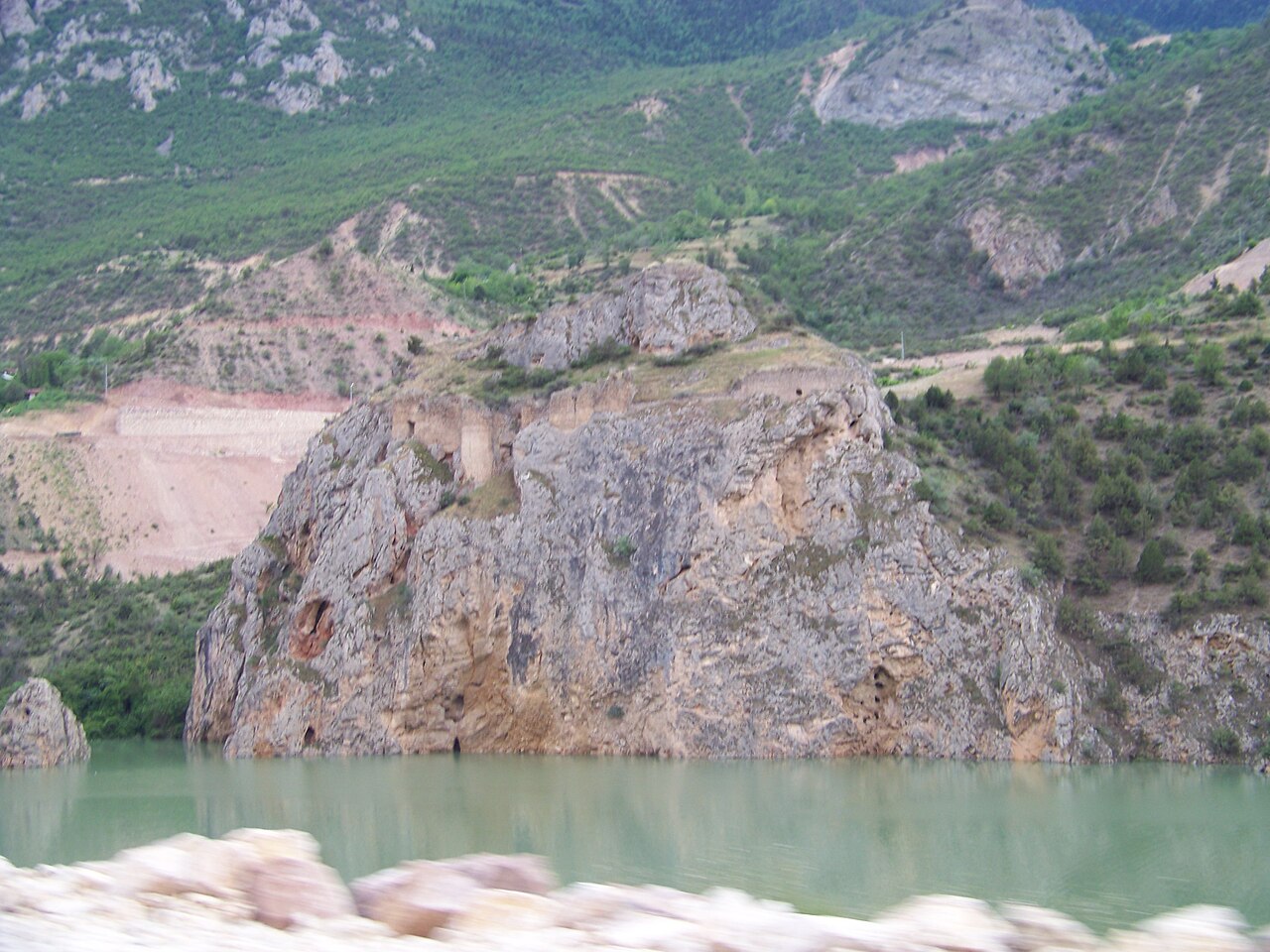
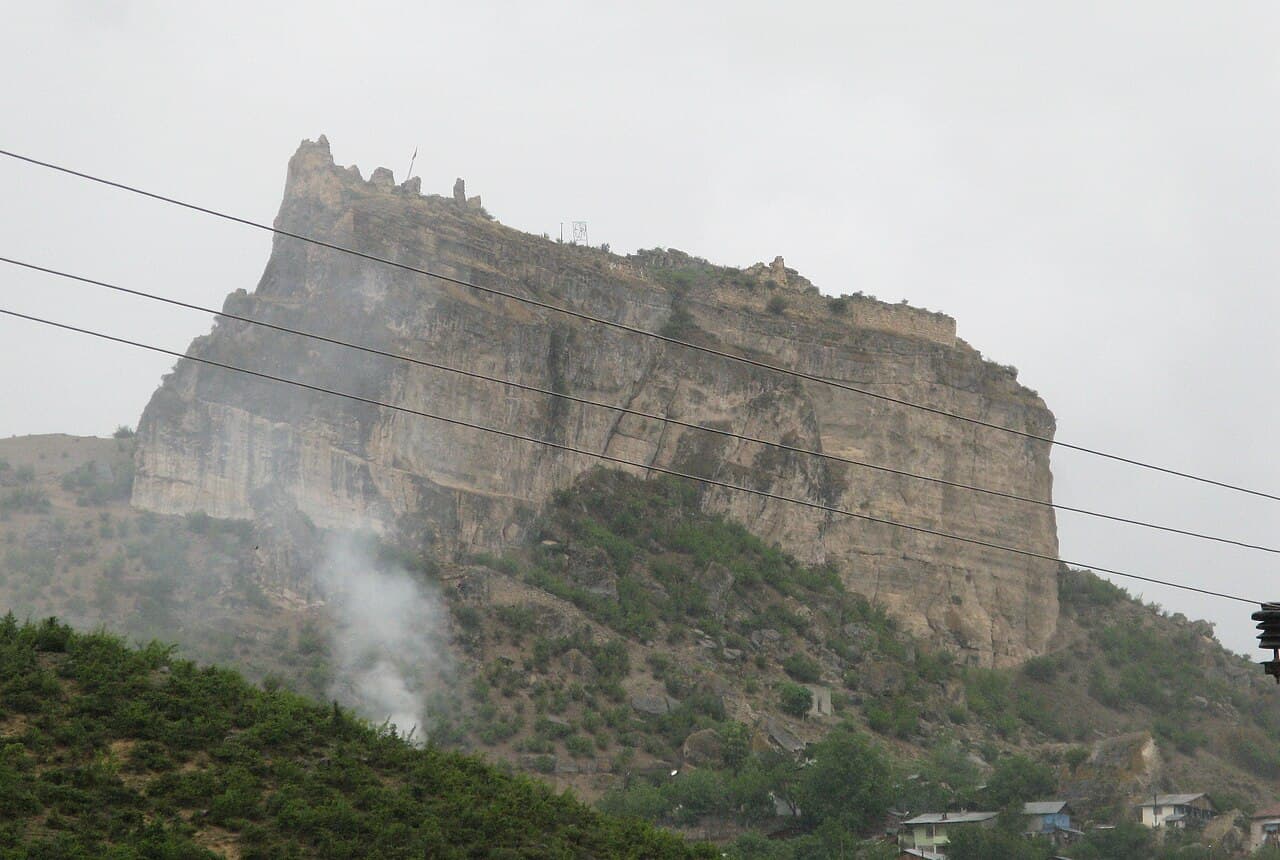
Gevhernik Castle, also known locally as Gevhernik Kale or Ardanuç Kalesi, stands prominently on a rocky outcrop above the town of Ardanuç in the province of Artvin, Turkey. This early medieval hill castle is a significant historical fortress with a layered past spanning from the 5th century through the Ottoman era. Its strategic location atop a large rock formation overlooking the Ardanuç River provided natural fortification, making it a formidable stronghold in the region for centuries.
The castle was likely founded in the 5th century under the command of King Vakhtang I of Caucasian Iberia, an ancient Georgian kingdom that encompassed parts of modern-day Georgia and northeastern Turkey. According to medieval Georgian chronicles, notably the Kartlis Tshovreba, Vakhtang entrusted the construction to his nephew Artavan. This early establishment served not only as a military fortress but also as a political center during the formative period of Georgian statehood.
Historical significance and early conflicts
Throughout its history, Gevhernik Castle witnessed numerous military conflicts and political changes. In the 7th century, it suffered destruction during the Arab invasions led by the Umayyad Caliph Marwan II around 744 AD. Despite this, the fortress was restored in the early 9th century by Ashot I Kurapalati, a Georgian Bagratid prince who reinforced its defenses and elevated Ardanuç as the capital of the Tao-Klarjeti principality. This principality became a vital cultural and political hub in medieval Georgia.
During the 10th century, Ardanuç thrived as a commercial center due to its location on the Great Silk Road, connecting the Black Sea with Persia. The Byzantine Emperor Constantine VII Porphyrogenitus documented the town's bustling trade and craftsmanship, highlighting its importance in regional commerce.
Medieval struggles and changing rulers
The 11th century saw the unification of the Georgian kingdom, which shifted the political focus to cities like Kutaisi and later Tbilisi. Ardanuç transitioned into a provincial town governed by a regional eristavi (duke). Hostilities began in 1080 between the Georgian Bagratids and the Anatolian Turkish beyliks, small principalities ruled by Beys. However, the castle's mountainous position made it difficult to conquer.
In the 13th century, the fortress fell to the Mongols during their campaigns against Turks and Georgians, reflecting the turbulent power struggles in the Caucasus region. The castle remained a strategic military site until it finally succumbed to the Ottoman Empire in 1551 after a prolonged siege.
Ottoman period and later developments
Following its capture, Sultan Suleiman the Magnificent ordered the restoration of Gevhernik Castle in 1562, ensuring its continued military and administrative use within the Ottoman realm. The site includes a domed tomb constructed from rough stone, which serves as the burial place for several Ottoman officials, including Sefer Pasha, Yusuf Pasha, and Ali Pasha, who governed Ardanuç as mutasarrifs (district governors).
Excavations initiated in September 2021 have focused on uncovering the Ottoman and later Russian layers of the castle's occupation. While these digs have yet to reveal direct evidence of the original Georgian founders, they underscore the site's complex and multi-period history.
Architectural features and remains
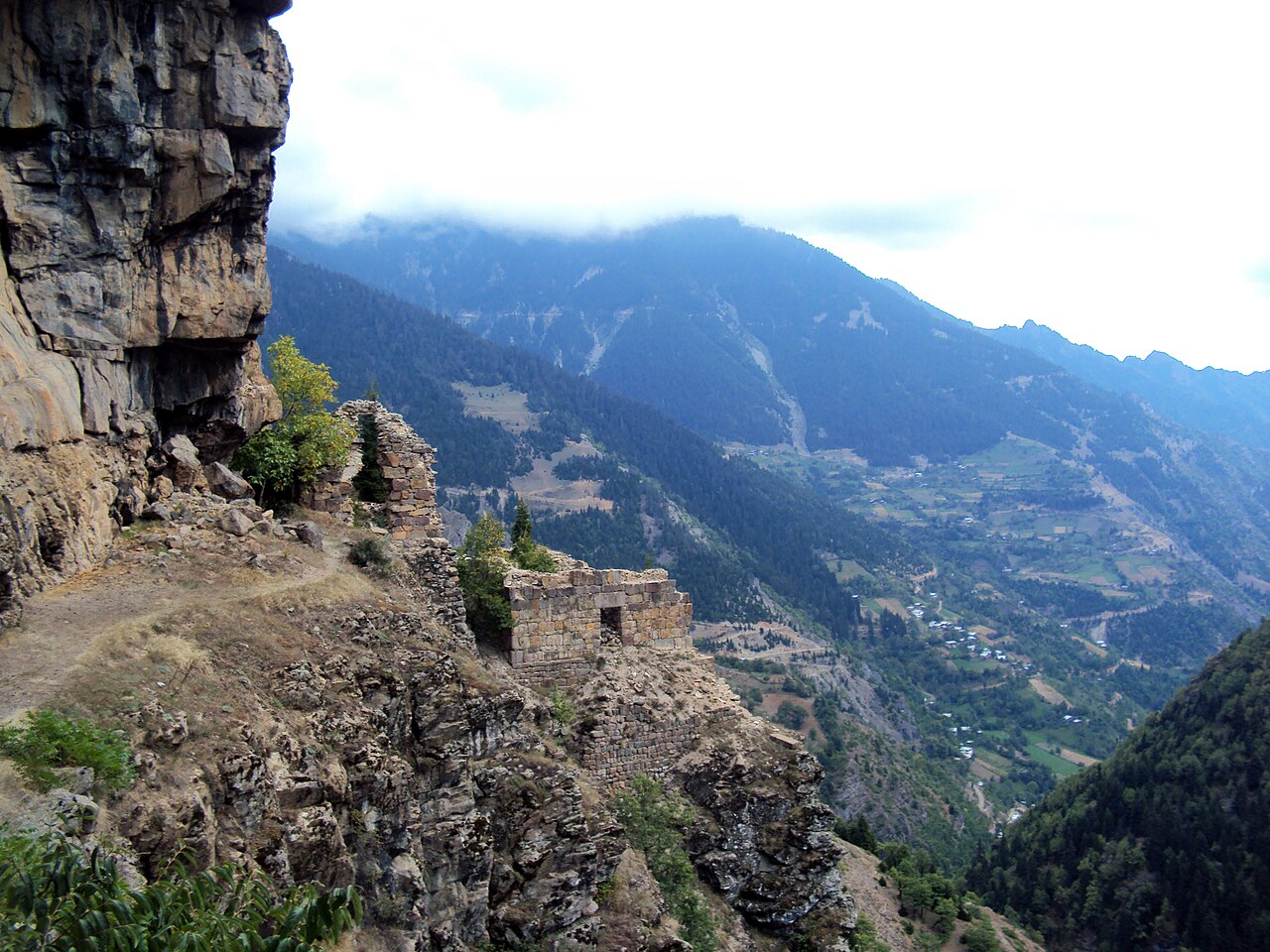
The fortress extends approximately 220 meters in length and up to 55 meters in width, encompassing two main sections: an upper castle and a settlement to the northwest, both enclosed by defensive walls built directly on the natural rock outcrop. This design takes full advantage of the rugged terrain to enhance the castle's defensive capabilities.
Within the walls stands a single-nave church constructed from large, roughly hewn blocks of white stone, some measuring up to one by two meters. Although the roof has not survived, the eastern apse remains partially intact, rising between two and three meters high. Remnants of blue fresco paint on the plastered interior walls indicate the church's religious significance during the medieval period.
The fortress also contains remains of a palace and extensive city walls, reflecting its dual role as a military bastion and administrative center. Surrounding the castle on lower ground lies the site of the old town, now part of modern Ardanuç. Archaeological work there has uncovered ruins of additional churches, trade shops, and fortifications, highlighting the extent of the medieval urban settlement.
Access and current condition
Today, Gevhernik Castle is freely accessible to visitors via wooden and iron stairs on the north side of the rock. While the ruins do not display extensive architectural detailing, the site offers a compelling glimpse into the layered history of this strategic fortress. Its well-preserved defensive walls and religious structures provide valuable insights into medieval Georgian and Ottoman fortification architecture.
Cultural and historical legacy
Gevhernik Castle stands as a testament to the complex history of the Caucasus region, reflecting the influences of Georgian, Byzantine, Mongol, and Ottoman powers over the centuries. Its strategic location and robust construction illustrate the military and political importance of Ardanuç throughout the medieval and early modern periods.
The castle's association with prominent figures such as King Vakhtang I, Ashot I Kurapalati, and Sultan Suleiman the Magnificent underscores its significance as a cultural and historical monument. The ongoing archaeological investigations continue to enrich our understanding of the site’s multifaceted past, making Gevhernik Castle an important destination for historians and visitors interested in the rich heritage of Artvin and the broader Caucasus region.
Frequently asked questions (FAQ)
- What is the historical significance of Gevhernik Castle?
- Gevhernik Castle is a significant historical site in Ardanuç, Turkey, with roots dating back to the Byzantine period. It played a crucial role in regional defense and showcases the architectural styles of various empires that ruled the area.
- When was Gevhernik Castle built?
- The precise date of construction for Gevhernik Castle is not definitively known, but it is believed to have been established in the 10th century. Over the centuries, it has undergone various renovations and additions, reflecting the evolving architectural styles.
- Can I visit Gevhernik Castle?
- Yes, Gevhernik Castle is open to visitors who wish to explore its historical architecture and stunning views of the surrounding landscape. However, it is advisable to check local guidelines and any potential restrictions before planning your visit.
- What are the opening hours for Gevhernik Castle?
- Gevhernik Castle is generally open to visitors from 9 AM to 5 PM, but these hours can vary seasonally. It's best to verify the current hours of operation before your visit to ensure a smooth experience.
- Is it possible to access Gevhernik Castle by public transport?
- Accessing Gevhernik Castle by public transport can be challenging, as services to Ardanuç are limited. It is recommended to consider renting a car or joining a guided tour for more convenient access to the castle.
- What is the best time to visit Gevhernik Castle?
- The best time to visit Gevhernik Castle is during the spring (April to June) and autumn (September to October) when the weather is pleasant for outdoor exploration. Summer can be hot, while winter may bring cold temperatures that could affect your visit.
- Are there any nearby attractions to Gevhernik Castle?
- Yes, there are several attractions near Gevhernik Castle, including the picturesque Ardanuç town and the nearby Çoruh River, which offers opportunities for hiking and outdoor activities. Exploring the local area can enhance your overall experience.
- What are the ticket prices for Gevhernik Castle?
- Entry to Gevhernik Castle is typically affordable, with ticket prices ranging from a small fee for adults to discounted rates for students and seniors. It's advisable to check the latest pricing information at the site or on official tourism websites before your visit.
Photo gallery

Information
Address
Near 7 Mart Cadessi, Ardanuç, Artvin, Turkey
Loading map...
Visitor reviews
No reviews yet. Been here? Write the first review and help other travelers!
Write the first reviewVisited this castle? Share your experience
Your review helps other travelers and adds first-hand knowledge to our encyclopedia.