Paphos Castle
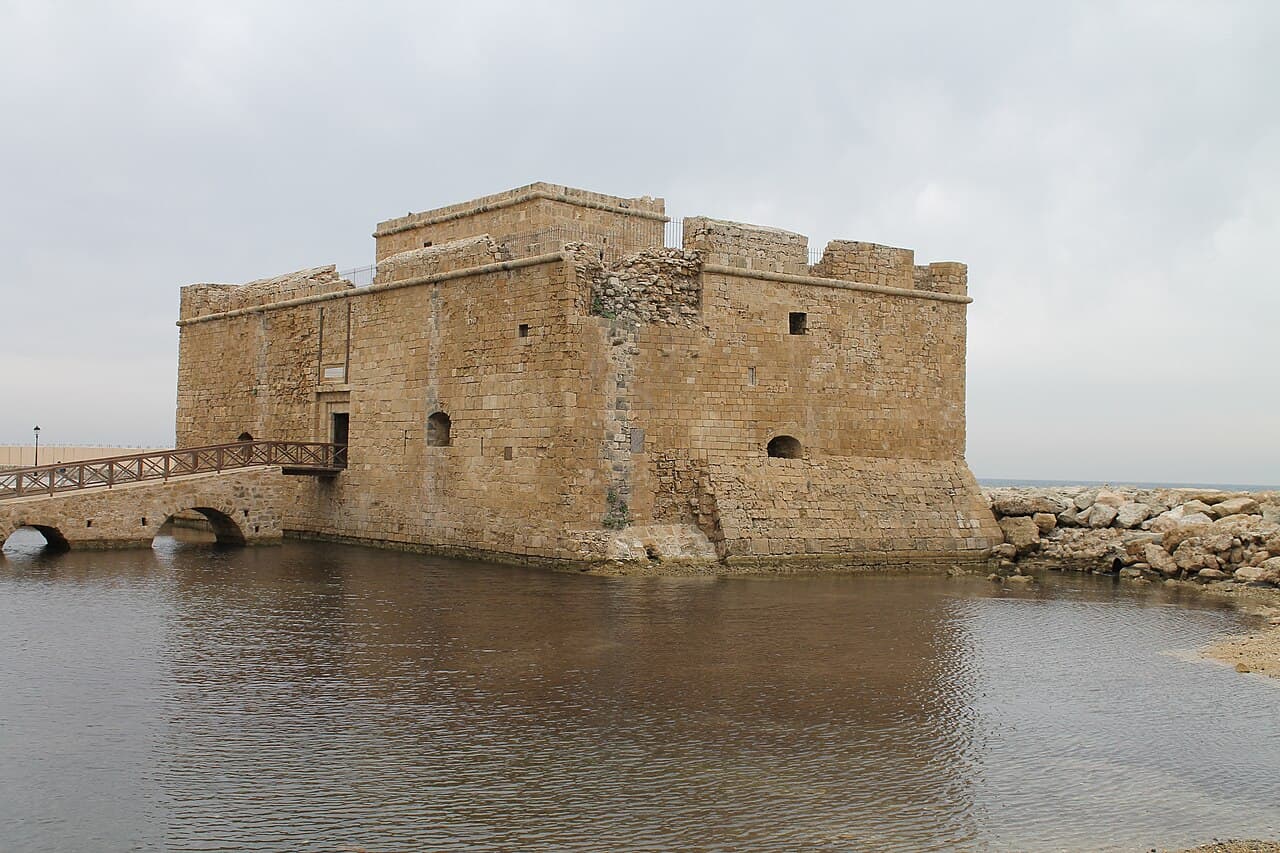
Paphos Castle stands as a prominent historic fortress located at the harbor of Paphos, Cyprus. Originally constructed as a Byzantine fortification, its primary purpose was to protect the vital harbor area from maritime threats. This strategic location underscored the castle's importance throughout its extensive history, witnessing multiple reconstructions and adaptations by successive ruling powers.
Early construction and strategic significance
The initial fortification on this site dates back to the Byzantine period, serving as a defensive bastion for the harbor. However, the current structure primarily reflects the efforts of the Lusignan dynasty in the 13th century, who rebuilt the castle to enhance its fortifications and adapt it to the military needs of the time. This period marked the castle’s transformation into a more formidable fortress, incorporating architectural elements typical of high medieval military design.
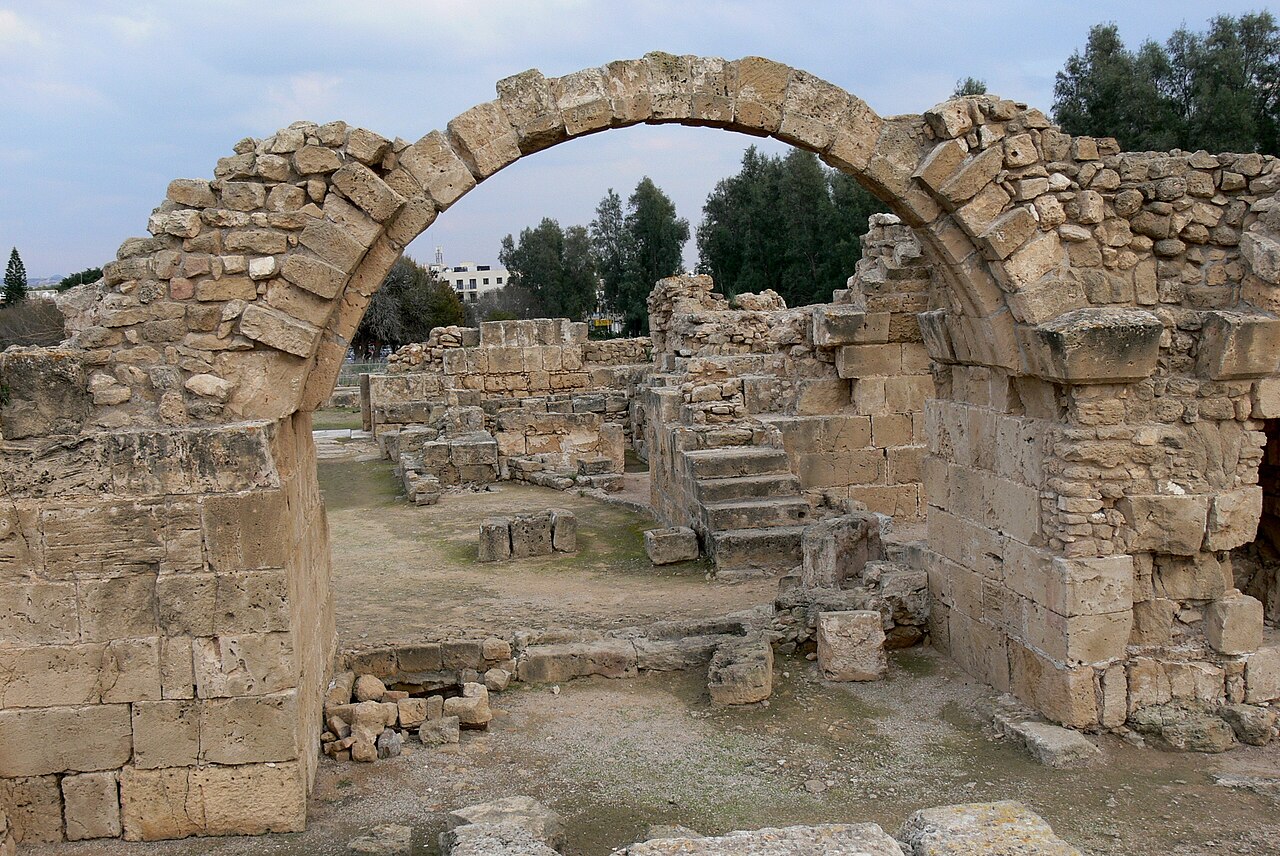
Before the prominence of Paphos Castle, the defense of the harbor was managed by the Saranta Kolones fortress, located a few hundred meters north. The ruins of Saranta Kolones remain a testament to the layered defensive history of the area.
Venetian dismantling and ottoman reconstruction
In the late 16th century, specifically in 1570, the castle underwent a significant change during the Venetian period. Facing the advancing Ottoman forces, the Venetians dismantled parts of the castle to prevent its use by the invaders. However, after the Ottoman conquest of Cyprus, the castle was rebuilt and reinforced by the Ottomans, who recognized its strategic value in controlling the harbor and surrounding region.
The Ottoman reconstruction introduced modifications that reflected their architectural and military preferences, including adaptations for artillery defense. This phase ensured the castle remained a key military installation throughout Ottoman rule.
Architectural features and adaptations
Paphos Castle is characterized by its robust stone walls, battlements, and a commanding position overlooking the sea. The fortress includes a series of defensive structures such as thick curtain walls, towers for surveillance and defense, and a main gate designed to withstand sieges. The castle’s design reflects a blend of Byzantine, Lusignan, Venetian, and Ottoman architectural influences, making it a unique example of evolving military architecture in the Mediterranean.
Over time, the castle’s function evolved beyond military defense. It was used as prison cells during various periods and, notably, served as a salt storage facility when Cyprus was under British colonial administration. These adaptations illustrate the castle’s flexibility and enduring utility.
Cultural significance and modern use
Declared an ancient monument in 1935, Paphos Castle is now a celebrated cultural landmark and a symbol of the Paphos region’s rich history. Its preservation allows visitors to experience a tangible connection to Cyprus’s medieval and early modern past.
The castle’s forecourt and the adjacent square serve as vibrant venues for cultural events, enhancing its role as a community focal point. Among the most notable events is the annual Paphos Aphrodite Festival, held every September. This festival features world-renowned artists presenting operas with the castle often integrated into the stage backdrop, creating a dramatic and historically resonant atmosphere.
Visitor experience and heritage preservation
Today, visitors to Paphos Castle can explore its well-preserved walls and towers, gaining insight into the military strategies and architectural styles spanning several centuries. The castle’s location offers picturesque views of the harbor and coastline, enhancing its appeal as a tourist destination.
Efforts to maintain and restore the castle have ensured its survival as a key heritage site. Interpretive signage and guided tours provide educational opportunities, highlighting the castle’s multifaceted history and architectural evolution.
Frequently asked questions (FAQ)
- What is the historical significance of Paphos Castle?
- Paphos Castle, originally built as a Byzantine fort, has a rich history dating back to the 13th century. It has served various purposes, including a fortress, a prison, and a customs post, reflecting the strategic importance of the region throughout different eras.
- When was Paphos Castle built?
- Construction of Paphos Castle began in the medieval period, around the 13th century, under the rule of the Lusignan kings. It has undergone several renovations and reconstructions over the centuries, particularly after being damaged by earthquakes.
- Can I visit Paphos Castle?
- Yes, Paphos Castle is open to visitors year-round, allowing you to explore its historical architecture and stunning views of the harbor. Guided tours are also available, providing deeper insights into its history and significance.
- What are the opening hours of Paphos Castle?
- Paphos Castle is typically open from 8:30 AM to 5:00 PM during the winter months and extends its hours during the summer. It's advisable to check the official website for any changes in hours or special opening times during holidays.
- Is it possible to access Paphos Castle with a wheelchair?
- While Paphos Castle has some accessible pathways, parts of the castle may present challenges for wheelchair users due to uneven terrain and staircases. It's recommended to contact the site in advance to get the most accurate information regarding accessibility options.
- What are the ticket prices for Paphos Castle?
- The entrance fee for Paphos Castle is quite reasonable, typically around €2.50 for adults, with discounts available for students and seniors. Children under a certain age may enter for free, making it an affordable outing for families.
- When is the best time to visit Paphos Castle?
- The best time to visit Paphos Castle is during the spring (April to June) and autumn (September to October) when the weather is pleasantly warm and less crowded. Visiting early in the morning or late in the afternoon can also provide a more serene experience.
- Are there any nearby attractions to Paphos Castle?
- Yes, Paphos Castle is located near several other historical sites, including the Paphos Archaeological Park and the Tombs of the Kings. These attractions offer more insights into the rich history of Paphos, making it easy to plan a full day of exploration.
Photo gallery

Information
Loading map...
Visitor reviews
No reviews yet. Been here? Write the first review and help other travelers!
Write the first reviewVisited this castle? Share your experience
Your review helps other travelers and adds first-hand knowledge to our encyclopedia.