Panteli Castle
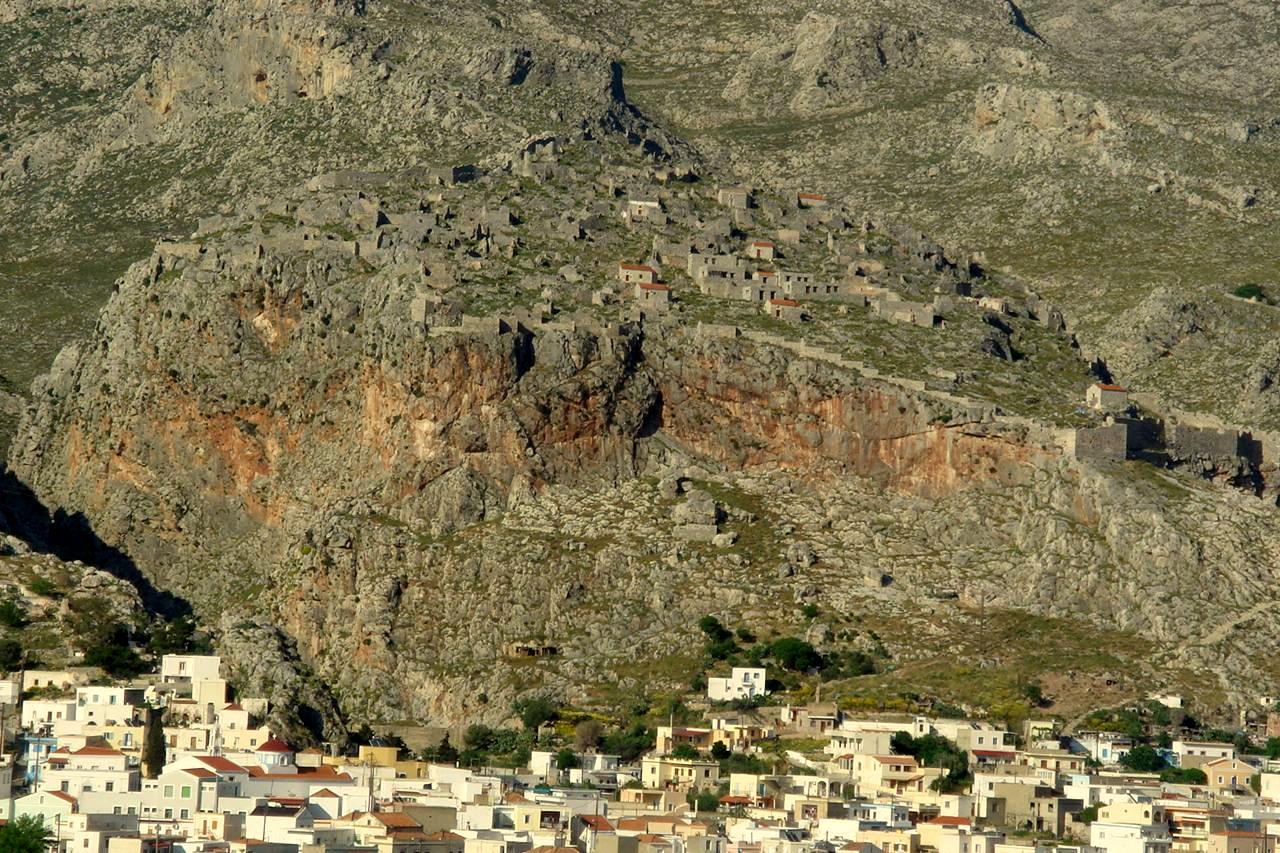
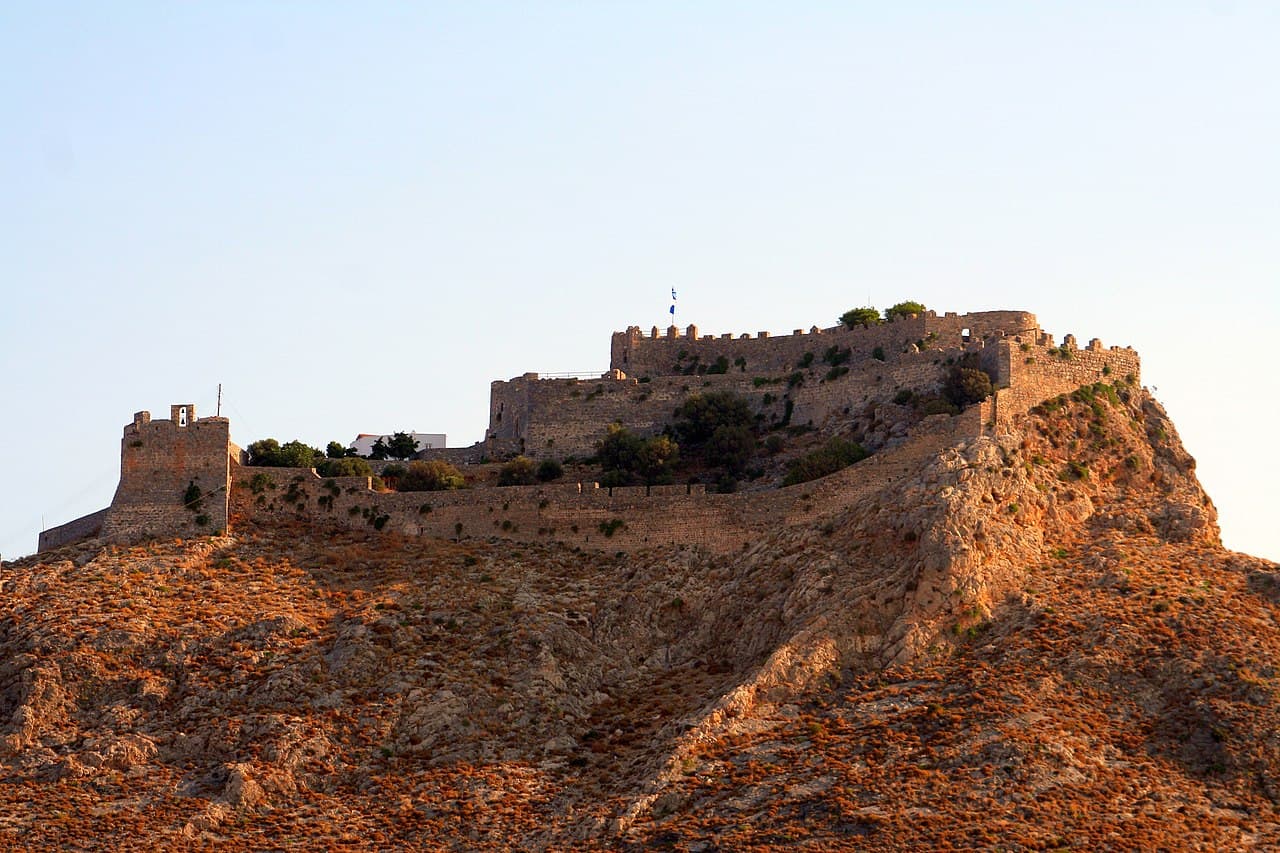
Panteli Castle stands prominently on Pityos Hill, approximately 154 meters above sea level on the island of Leros, Greece. This hill castle offers commanding views over the island’s harbors and the nearby straits toward Asia Minor, underscoring its strategic military significance throughout history. Originally constructed during the Byzantine era in the 10th or 11th century, the fortress has witnessed centuries of conflict, occupation, and architectural evolution, reflecting the complex history of the Aegean region.
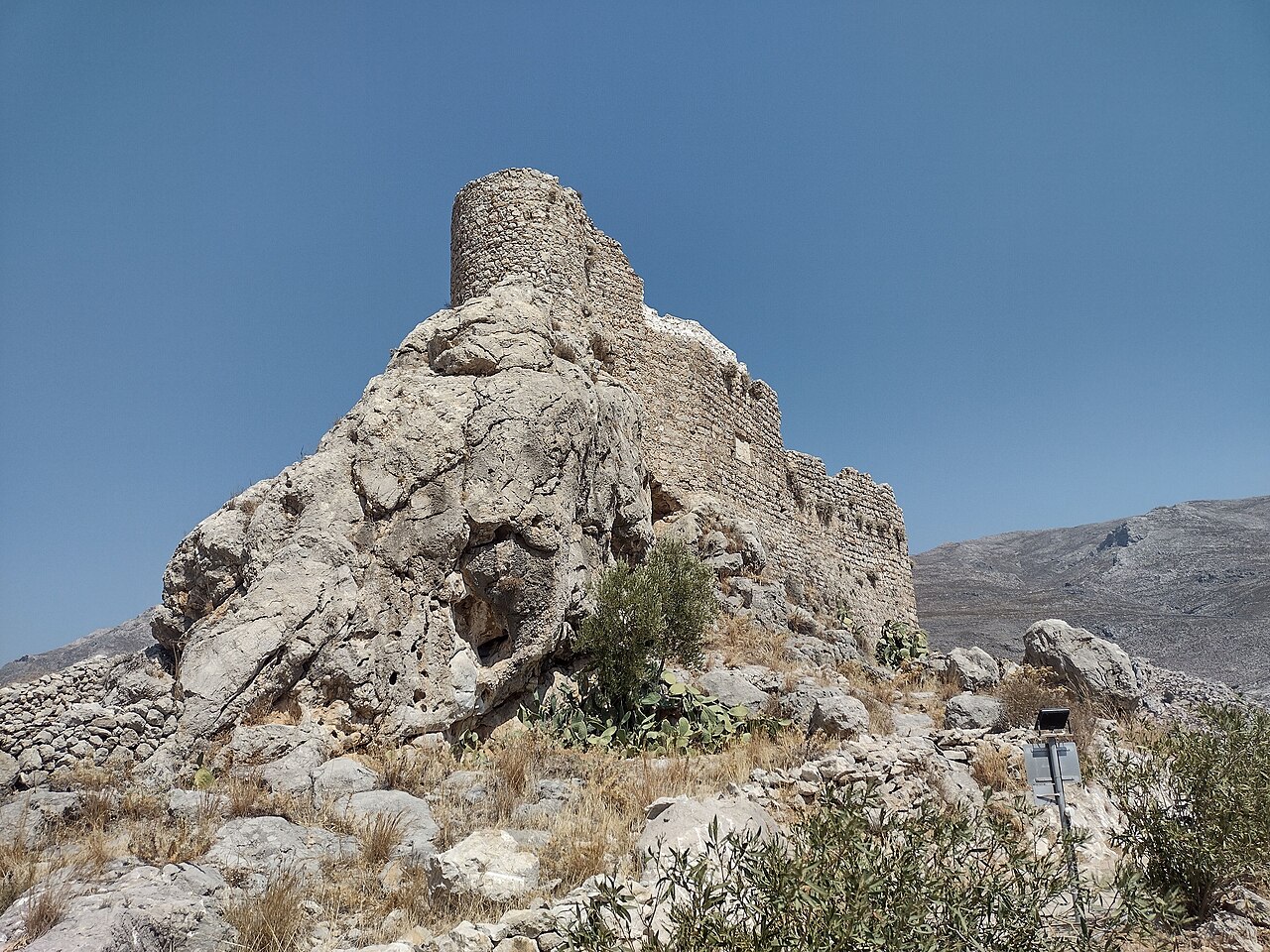
The castle’s earliest mention dates to 1087 in a golden bull issued by Emperor Alexios I Komnenos, confirming its Byzantine origins. Its initial design took advantage of the natural rocky terrain, with defensive walls following the contours of the hill and rock formations providing natural protection on several sides. This early medieval fortification served as a defensive stronghold for the Byzantine Empire against regional threats.
Medieval transformations and the Knights Hospitaller
During the 13th century, control of Panteli Castle passed to the Genoese, who held sway over parts of the Aegean Sea. However, it was in 1304 that the castle entered a significant new phase under the Knights Hospitaller (also known as the Johannites). The Knights, a military religious order, undertook major fortification efforts to strengthen the castle’s defenses against the expanding Ottoman Empire.
Between 1436 and 1453, under the governance of the Venetian Johannite Fantino Querini, the fortress underwent extensive enhancements. The outermost defensive walls, characterized by multiple bastions designed for artillery defense, were constructed during this period. The largest bastion, located at the southwest corner, served as a critical strongpoint to repel attackers.
Repeated Ottoman sieges and military significance
Panteli Castle’s strategic location made it a frequent target of the Ottoman Empire. It endured multiple sieges in 1455, 1457, 1460, 1477, 1502, 1505, and 1508. These repeated assaults underscored the fortress’s importance in controlling naval routes in the Aegean Sea. In 1495, the castle’s administration was placed directly under the Grand Master of the Knights Hospitaller, highlighting its elevated military and strategic status.
Following the Ottoman conquest of Rhodes in 1522, Panteli Castle and Leros fell under Ottoman control. The Venetians briefly reclaimed the castle in 1648, during which time significant damage was inflicted. However, Ottoman forces soon reasserted their dominance, restoring the fortress’s defensive capabilities.
Architectural features and religious structures
The fortress spans approximately one hectare and is enclosed by three concentric layers of defensive walls. These walls, built to adapt to the natural topography of the hill, incorporate bastions, gates, and curtain walls that reveal the evolution of military architecture from the Byzantine through the late medieval periods.
At the heart of the castle lies the oldest section, situated on elevated ground. Within this central area stands the vaulted-roof Fragkoklisiá, or “Frankish Church,” a testament to the Christian heritage under the Knights Hospitaller. This church exemplifies the religious and cultural significance of the castle beyond its military function.
On the western side of the fortress is the Church of the Virgin Mary (Panagía), constructed in 1669 and expanded by 1719. This church remained active during the Ottoman era, reflecting the continuity of religious life within the fortress walls. Additionally, the Church of the Holy Trinity (Agía Triáda) forms part of the ecclesiastical complex, illustrating the presence of multiple Christian places of worship within the castle grounds.
The castle also houses a museum dedicated to the history of these churches and the fortress itself, providing visitors with insights into its layered past and cultural importance.
Preservation and modern history
In the 20th century, under Italian rule beginning in 1912, Panteli Castle continued to serve a military function. It accommodated barracks and a guard post, maintaining its defensive role through both World Wars. However, the fortress sustained damage during German bombing raids in November 1943.
Post-World War II, Greek military units remained stationed at the castle until the 1990s. Subsequently, restoration efforts were undertaken to preserve the site’s historical and architectural integrity, culminating in extensive work completed in 2005. Today, Panteli Castle stands as a well-preserved monument reflecting centuries of Aegean military and religious history.
Architectural legacy and visitor experience
Visitors to Panteli Castle can explore the well-preserved sections of the stone walls, bastions, and gates, which demonstrate the robust construction techniques employed over centuries. The fortress’s layout, with its concentric walls and natural rock defenses, offers a vivid example of adaptive medieval military architecture.
The internal structures, including the churches and museum, provide a tangible connection to the castle’s multifaceted past as a fortified religious and military site. The panoramic views from the hilltop further enhance the visitor experience, allowing a clear appreciation of the castle’s strategic maritime position.
Frequently asked questions (FAQ)
- How do I get to Panteli Castle in Leros?
- Panteli Castle is located on Pityos Hill near the town of Leros. Visitors can reach the castle by car or on foot via marked trails from the town center.
- What is the best time to visit Panteli Castle?
- The best time to visit Panteli Castle is during the spring and autumn months when the weather is mild and the island is less crowded, providing a pleasant experience.
- Is Panteli Castle accessible for visitors with mobility issues?
- Due to its hilltop location and uneven terrain, Panteli Castle may present challenges for visitors with mobility issues. Assistance and careful planning are recommended.
- What are the main architectural features of Panteli Castle?
- Panteli Castle features three concentric defensive walls with bastions, gates, and natural rock formations used for protection, along with several historic churches inside the fortress.
- Can I visit the churches inside Panteli Castle?
- Yes, the Church of the Virgin Mary, the Church of the Holy Trinity, and the vaulted-roof Fragkoklisiá are accessible to visitors and form part of the castle’s museum complex.
Photo gallery

Information
Opening hours
9:00-17:00, daily
Ticket prices
€5 adult, €3 child
Current owner
Greek state
Loading map...
Visitor reviews
No reviews yet. Been here? Write the first review and help other travelers!
Write the first reviewVisited this castle? Share your experience
Your review helps other travelers and adds first-hand knowledge to our encyclopedia.