Castle of Chora, Kalymnos
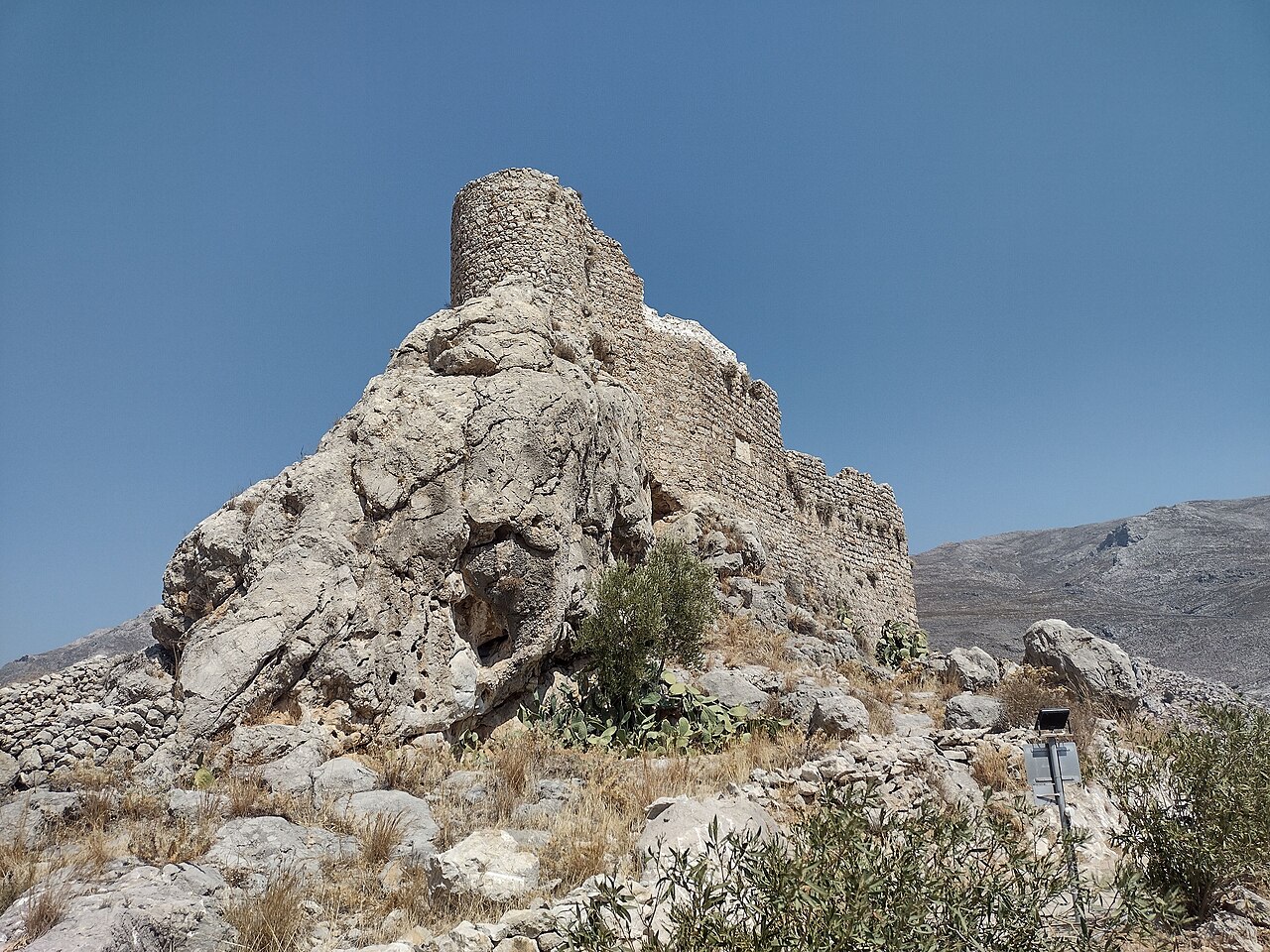
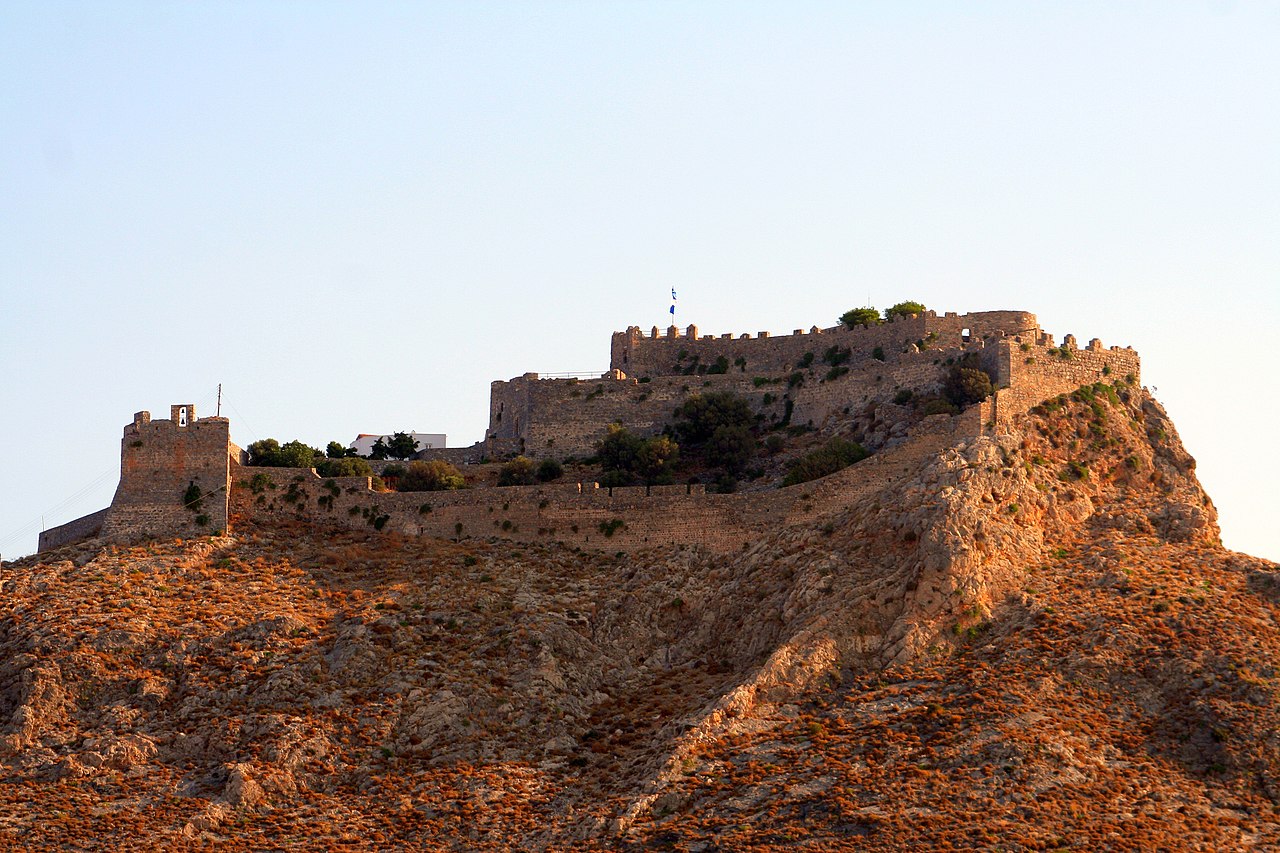
The Castle of Chora, perched on a hill 255 meters above sea level on the island of Kalymnos in Greece, stands as a remarkable example of medieval military architecture and historical continuity. Originally constructed in the 11th century by the Byzantine Empire, this hill castle was strategically designed to guard against Ottoman pirate raids emanating from Izmir. It formed a crucial part of a maritime defense network, working in concert with watchtowers scattered across surrounding elevations to monitor sea routes and provide early warnings of enemy approaches.
Early history and archaeological significance
The site of the castle reveals a rich tapestry of human occupation extending far beyond its medieval origins. Archaeological evidence indicates continuous human presence during the Classical, Hellenistic, and Roman Imperial periods, underscoring the location's longstanding strategic and communal importance. These earlier settlements likely exploited the natural defensive advantages offered by the hill, which later informed the castle's placement.
Construction and medieval fortifications
The initial Byzantine fortifications were significantly expanded in the mid-15th century, between 1433 and 1453, under the supervision of Fantino Quirini, a Venetian knight. Quirini reinforced the castle's defenses to better withstand increasing threats from Ottoman forces and pirates. This period saw the strengthening of walls and the addition of defensive towers.
Following a devastating earthquake in 1492 that severely damaged the fortifications, the Knights Hospitaller took over the castle's maintenance and restoration. Over approximately three years, they repaired and enhanced the defenses, including the construction of an additional tower on the eastern wall and the installation of two large water reservoirs centrally located within the castle. These reservoirs were vital for sustaining the castle's population during sieges and dry periods.
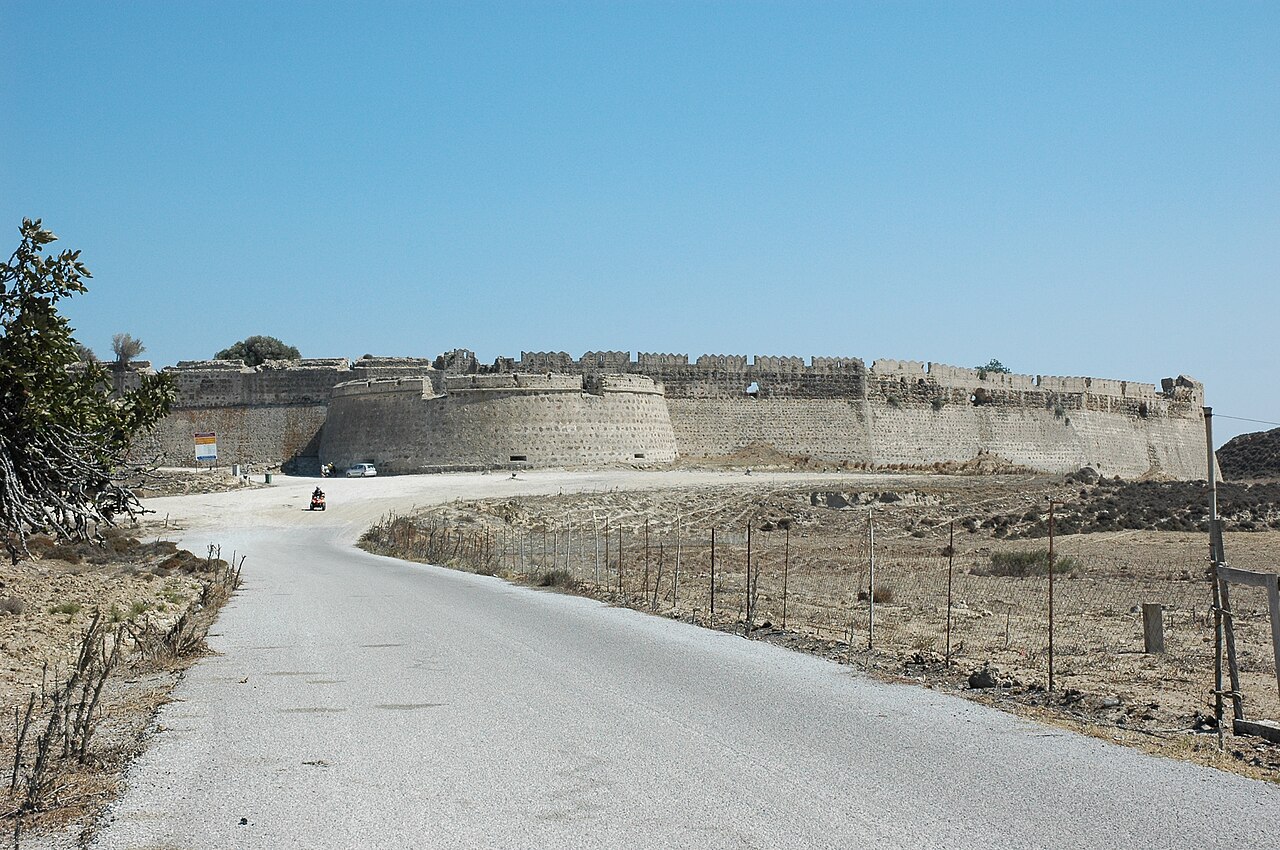
During the tenure of Grand Master Fabrizio del Carretto (1513-1521), further improvements were made to adapt the fortress to the evolving military technologies of the time, such as cannon warfare. The southern and eastern walls were fortified with towers designed to accommodate cannon fire, and embrasures were incorporated into the walls for rifle use. Battlements provided cover for defenders, reflecting the castle's role as a formidable military bastion.
Occupation and community within the castle
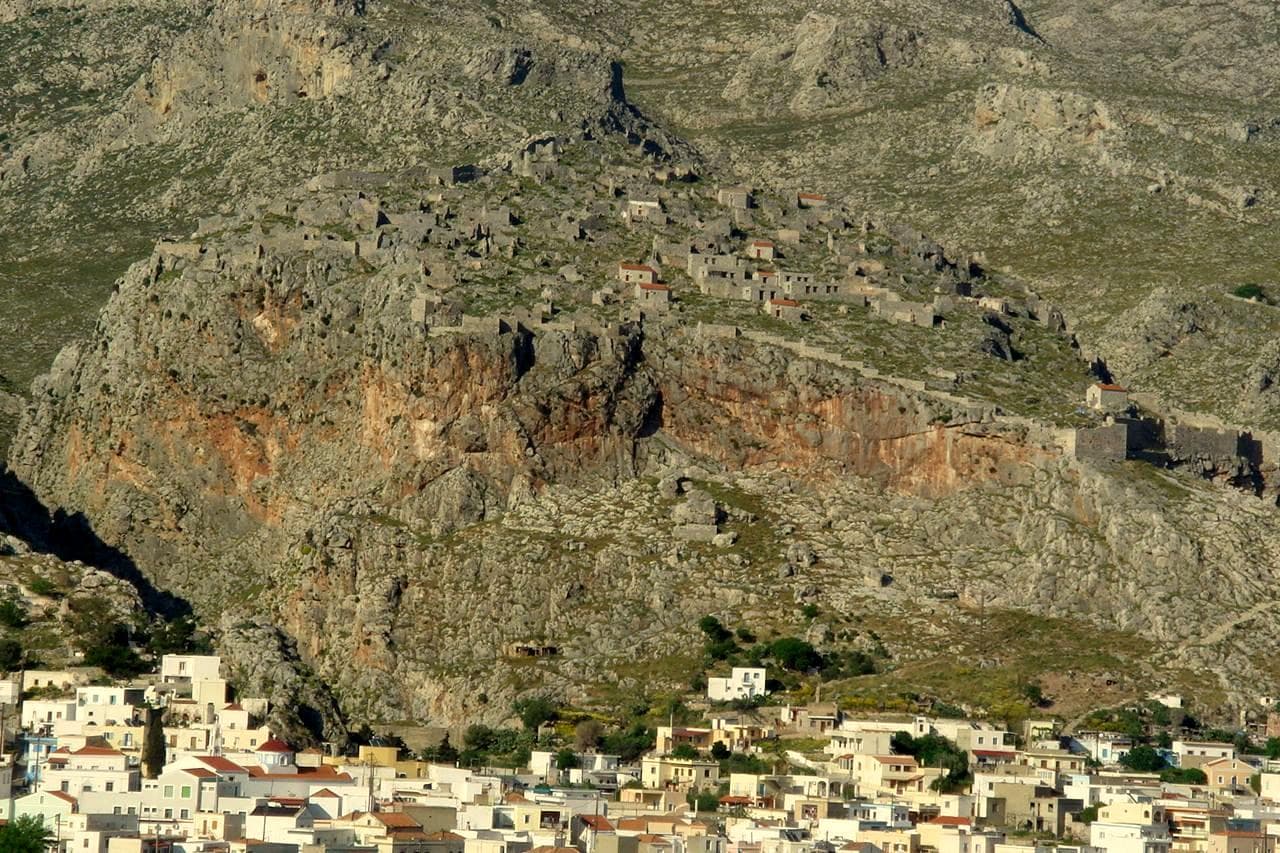
Throughout the Knights Hospitaller's control, civilians were permitted to live within the castle walls upon paying a fee to the castellan, the fortress's official administrator. This policy fostered a growing settlement inside the fortifications, leading to the construction of numerous houses and several churches. At its peak, the castle housed an estimated population of between 1,200 and 1,500 inhabitants, making it both a military stronghold and a vibrant community.
The castle remained under Knights Hospitaller control until it was captured by the Ottoman Empire in 1523. Despite the change in rulers, the castle continued to be inhabited, although from the 17th century onwards, residents gradually migrated to nearby towns such as Chora and Pothia. The Ottoman period saw only minor alterations to the castle's structure, preserving much of its medieval character.
Architectural features and defensive structures
The castle covers approximately 30 hectares and utilizes the natural topography to enhance its defenses. The western side benefits from steep cliffs, requiring only minimal wall height of about one meter. In contrast, the southern walls reach up to 7.5 meters in height and are approximately 1.5 meters thick, constructed from robust stone masonry.
Access to the castle was tightly controlled through a single primary double gate on the southern side, which was protected by a drawbridge. A secondary entrance on the eastern side was sealed off in later periods. The defensive walls are punctuated by towers equipped for cannon defense and feature embrasures for rifle fire. The battlements atop the walls provided cover for defenders, allowing them to repel attackers effectively.
Carved into the castle walls are marble coats of arms from the Knights Hospitaller, dated to 1514 and 1519. These heraldic emblems offer tangible evidence of the castle's appearance and governance during the early 16th century.
Economic and religious life within the castle
Within the castle's enclosure, the remains of an olive oil mill highlight the economic activities that supported its inhabitants. Olive oil production was a vital industry in the region, contributing to the local economy and the sustenance of the castle's population.
The presence of the foundations of two large water reservoirs, constructed during the Knights Hospitaller period, underscores the importance of water management within the fortress. These reservoirs ensured a reliable supply of water for drinking, cooking, and sanitation, especially during sieges.
The castle also housed numerous small residential buildings and the ruins of ten churches, reflecting the spiritual and communal life of its residents over several centuries. These religious structures demonstrate the castle's role as a center of faith and community alongside its military functions.
Legacy and current condition
Today, the Castle of Chora remains a significant historical and archaeological site. Its well-preserved fortifications and ruins provide valuable insights into medieval military architecture and the social history of Kalymnos. The castle's integration of natural landscape features with manmade defenses exemplifies strategic castle construction during the Byzantine and Knights Hospitaller periods.
Visitors to the site can explore the extensive walls, towers, and internal ruins, gaining a comprehensive understanding of the castle's multifaceted role as a fortress, settlement, and economic hub. The castle's enduring presence on Kalymnos island continues to attract historians, archaeologists, and tourists interested in Greece's rich medieval heritage.
Frequently asked questions (FAQ)
- How do I get to the Castle of Chora on Kalymnos?
- The Castle of Chora is located on a hill near the town of Chora on Kalymnos island. Visitors can reach it by car or on foot via marked trails from the town center.
- What is the historical significance of the Castle of Chora?
- The Castle of Chora was built in the 11th century by the Byzantine Empire and later expanded by the Knights Hospitaller. It played a key role in defending against Ottoman pirate raids and served as a fortified community.
- When is the best time to visit the Castle of Chora?
- The best time to visit is during the spring and autumn months when the weather is mild. Summer can be hot, and winter visits may be less comfortable due to weather conditions.
- Can I explore the interior ruins of the castle?
- Yes, visitors can explore the castle's interior, including the remains of residential buildings, churches, and defensive structures. However, some areas may be restricted for safety reasons.
- Are there any entrance fees to visit the Castle of Chora?
- Currently, there is no entrance fee to visit the Castle of Chora, making it accessible to all visitors interested in its history and architecture.
Photo gallery

Information
Sources & official resources
Verify the information above using these authoritative references.
Loading map...
Visitor reviews
No reviews yet. Been here? Write the first review and help other travelers!
Write the first reviewVisited this castle? Share your experience
Your review helps other travelers and adds first-hand knowledge to our encyclopedia.