Monastery of Patmos
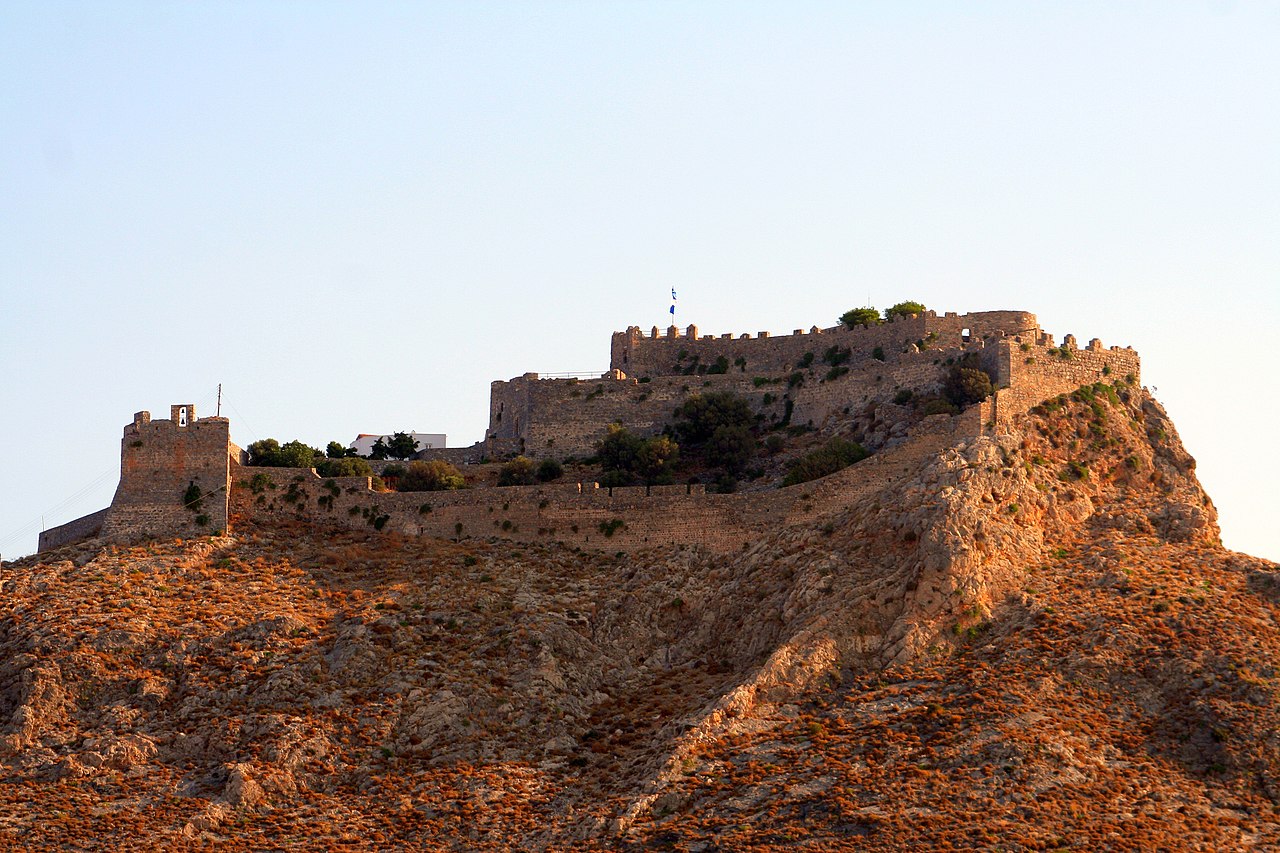
The Monastery of Patmos, also known as the Monastery of Saint John the Divine or the Evangelist, is a striking example of a Byzantine fortress located on the island of Patmos in the South Aegean region of Greece. Perched prominently atop the hill of Hora, this monastery dominates the landscape with its imposing presence and formidable defensive architecture. Founded in 1088 by Ossios Christodoulos following a grant from the Byzantine Emperor Alexios I Komnenos, the monastery was constructed not only as a religious center but also as a stronghold designed to protect its inhabitants from frequent pirate raids and invasions.
Architectural features and defensive design
The monastery's walls rise to an impressive height of over 15 meters, enclosing a rectangular area measuring approximately 53 meters from north to south and 70 meters from east to west. These thick stone walls, coupled with a heavily reinforced main gate, give the monastery the appearance of a fortified castle rather than a conventional religious building. Visitors approaching the entrance are immediately struck by the massive scale and strength of the construction, which was designed to withstand sieges and assaults.
The "killer" opening above the gate
Above the main entrance, at a considerable height, is a small opening known locally as the "killer" or "assassin". This narrow aperture was a crucial defensive feature, allowing defenders to pour boiling oil, hot water, or even molten lead onto attackers attempting to breach the gate. This mechanism was considered the monastery's last resort to maintain security and repel invaders, reflecting the turbulent times during which the fortress was built.
Historical significance and cultural heritage
The Monastery of Patmos holds immense historical and religious significance. It is famously associated with Saint John the Apostle, who is believed to have written the Book of Revelation while exiled on the island. The monastery became a vital spiritual and cultural center during the Byzantine period and continues to be an important pilgrimage site for Orthodox Christians worldwide.
Founding and imperial patronage
Its establishment by Ossios Christodoulos under the auspices of Emperor Alexios I Komnenos marked a period of renewed Byzantine influence in the region. The construction of the monastery as a fortified complex was a strategic response to the persistent threat of piracy and foreign invasions in the Aegean Sea during the High Medieval era.
Monastic life and architectural layout
Within the protective walls, the monastery complex includes a variety of functional and religious buildings such as chapels, living quarters, storerooms, and a library. The layout reflects a blend of spiritual purpose and military necessity, with narrow corridors and defensive towers integrated into the design. The fortress-like structure ensured the safety of the monastic community and their invaluable religious artifacts.
Preservation and current status
Today, the Monastery of Patmos remains well preserved and continues to function as an active religious site. Its robust construction and historical importance have earned it recognition as a UNESCO World Heritage Site, attracting visitors interested in Byzantine architecture, religious history, and the cultural heritage of the Aegean islands.
Frequently asked questions (FAQ)
- When was the monastery of Patmos founded?
- The Monastery of Patmos was founded in 1088 by Ossios Christodoulos following a grant from Byzantine Emperor Alexios I Komnenos.
- What defensive features protect the monastery?
- The monastery is protected by walls over 15 meters high, a heavily reinforced gate, and a small opening above the entrance used to pour boiling oil or molten lead on attackers.
- Why is the monastery historically significant?
- It is associated with Saint John the Apostle, believed to have written the Book of Revelation on Patmos, making it an important religious and cultural site.
- Is the monastery open to visitors?
- Yes, the Monastery of Patmos is open to visitors and remains an active religious site, attracting pilgrims and tourists interested in Byzantine architecture and history.
Information
Loading map...
Visitor reviews
No reviews yet. Been here? Write the first review and help other travelers!
Write the first reviewVisited this castle? Share your experience
Your review helps other travelers and adds first-hand knowledge to our encyclopedia.