Panhala Fort
Panhala Fort, also known as Panhalgad and Panhalla (meaning "the home of serpents"), is a prominent bastioned fortress situated approximately 20 kilometres northwest of Kolhapur in the state of Maharashtra, India. This fort is perched atop the Western Ghats mountain range, overseeing a vital mountain pass that historically served as a major trade route connecting the interior city of Bijapur to the coastal regions of Maharashtra. Its strategic placement made it a key military and trading asset throughout the centuries.
Historical significance and military role
Constructed in the 12th century, Panhala Fort played a critical role during the high medieval period in the Deccan region. The fort's location allowed it to control movement through the Western Ghats, making it a coveted stronghold for various powers. It saw numerous conflicts involving the Maratha Empire, the Mughal Empire, and later the British East India Company. The fort is famously associated with the Battle of Pavan Khind, a heroic last stand by Maratha forces to protect the retreat of their leader.
The fort was also significant during the reign of Shivaji Maharaj, the founder of the Maratha Empire, and later served as a residence for his descendants. Notably, Tarabai, the queen regent of Kolhapur and a prominent figure in Maratha history, spent her formative years within the fort's walls.
Architectural features and layout
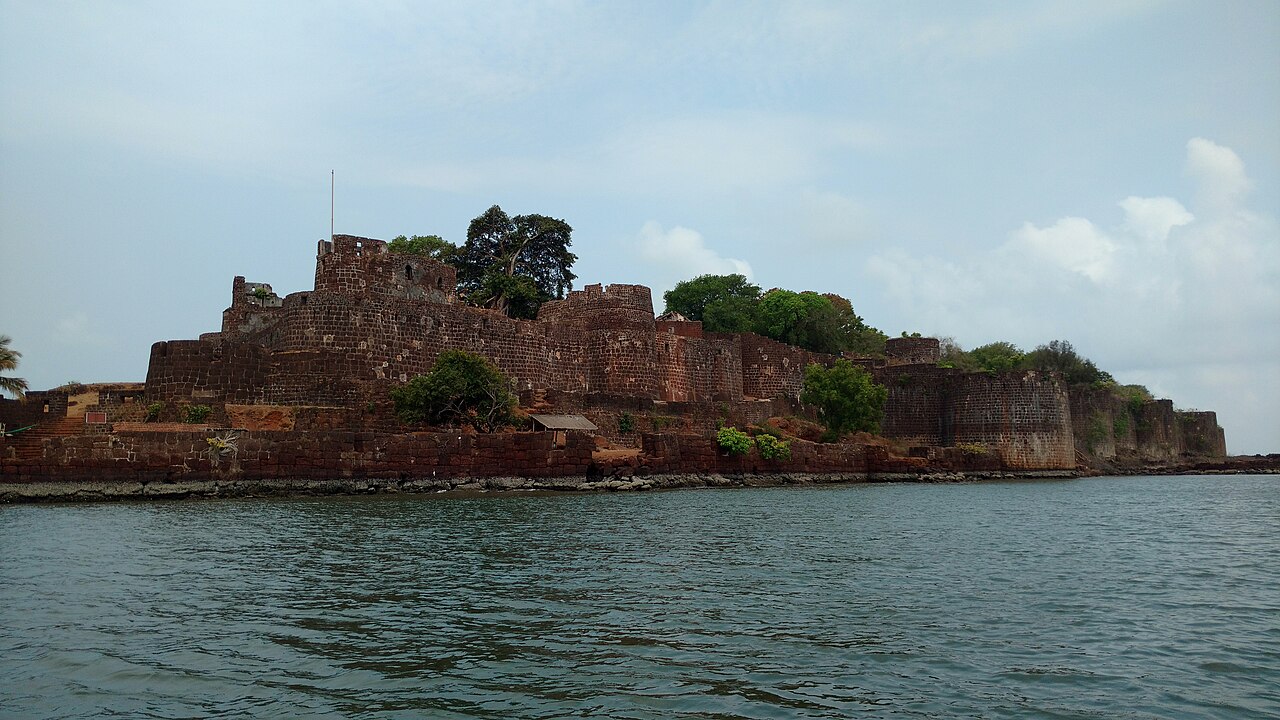
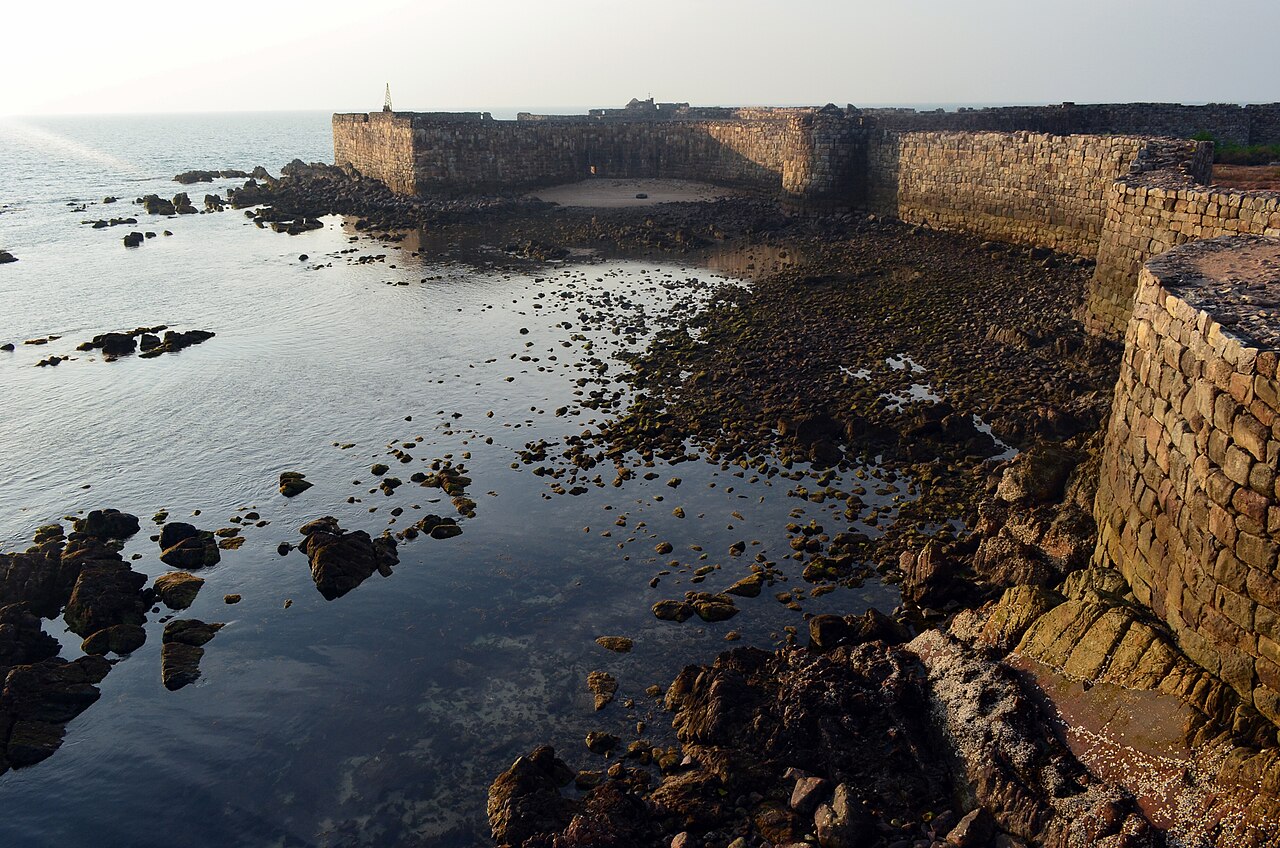
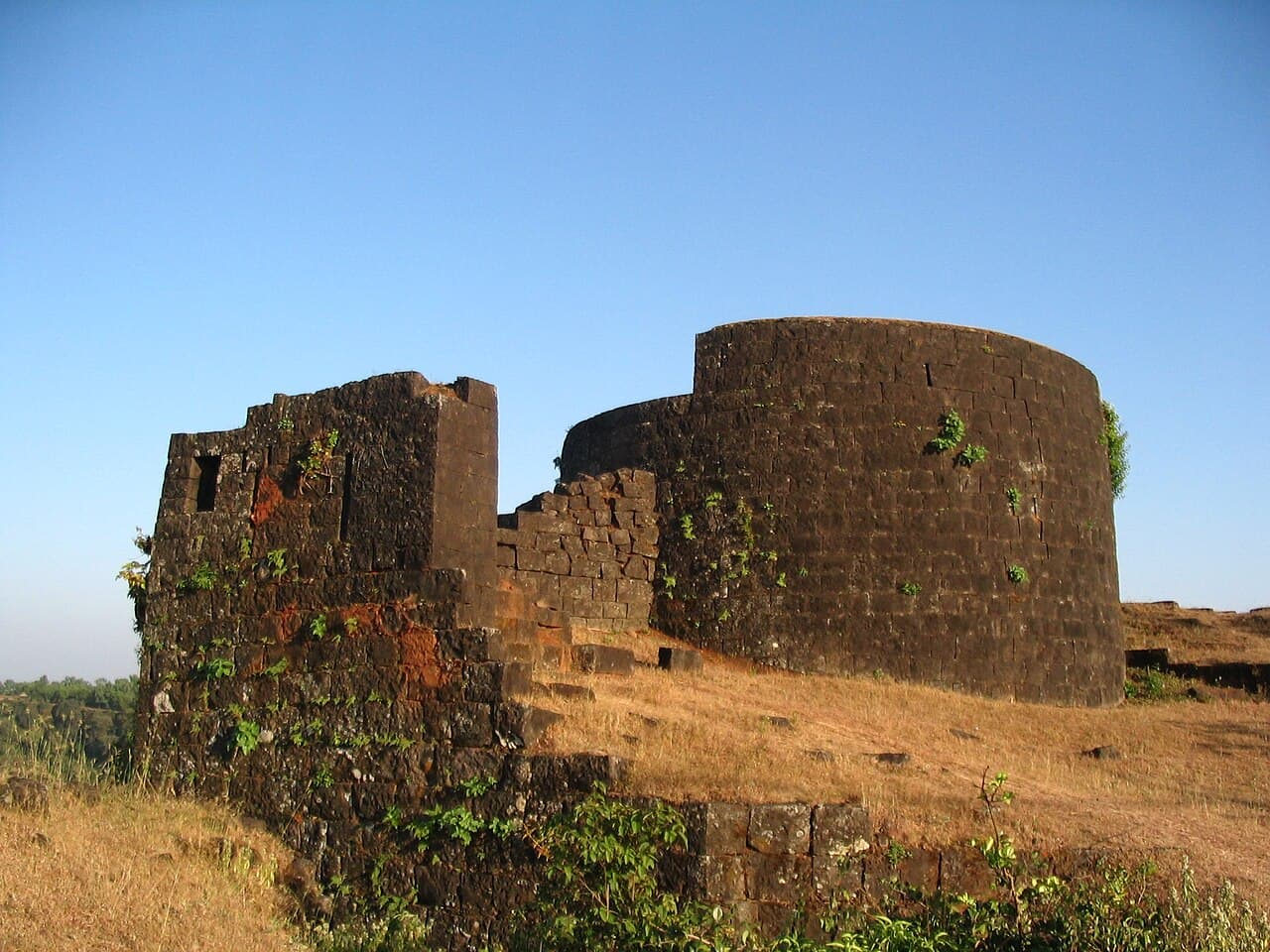
Panhala Fort is renowned for its extensive bastioned fortifications that follow the natural contours of the hill, creating a distinctive zigzag pattern that earned it the nickname "Fort of Snakes." The fort covers an area of approximately 10 square kilometres, making it one of the largest forts in the region. Its defensive walls are punctuated by numerous bastions and watchtowers designed to provide overlapping fields of fire and surveillance.
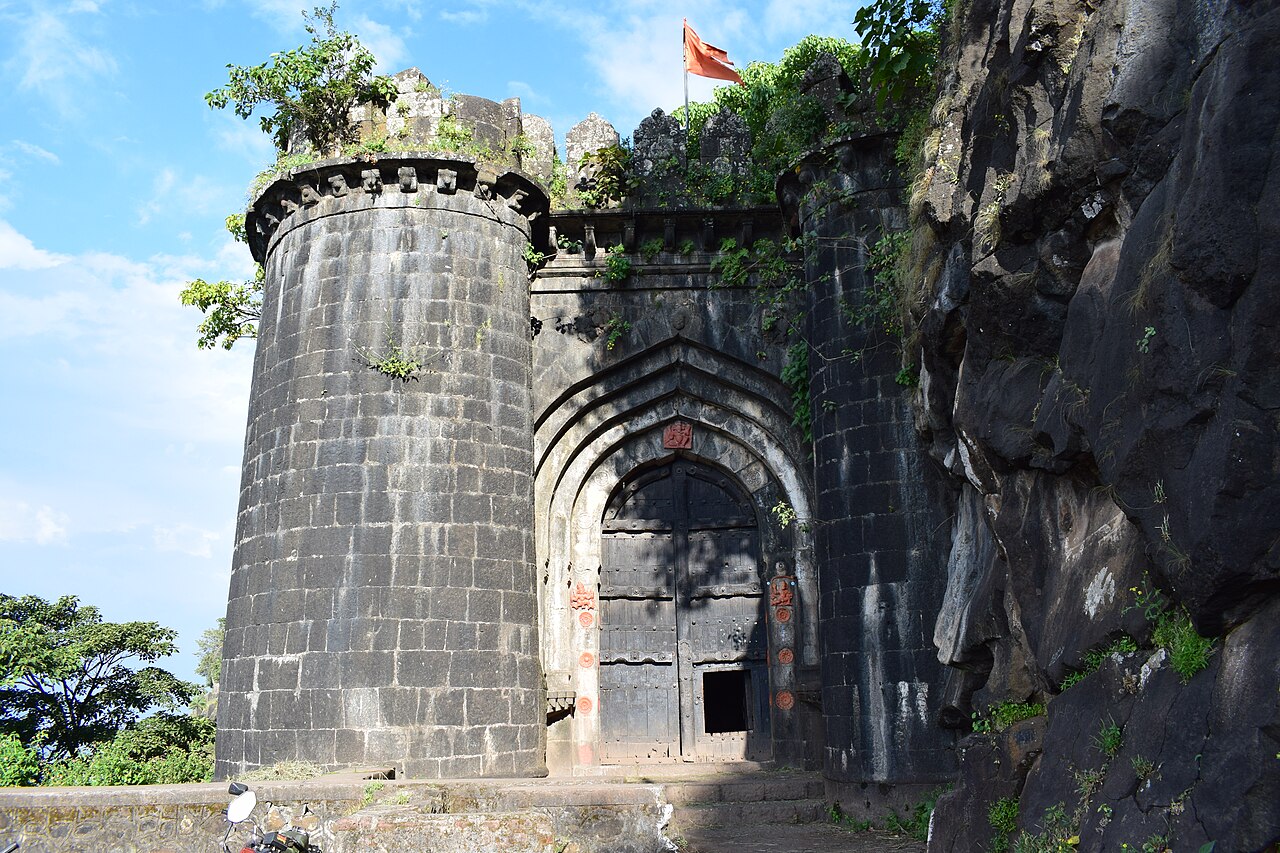
The fort complex includes several important structures such as the Ambabai Temple, dedicated to the goddess Amba, and various water tanks and reservoirs that ensured a reliable water supply during sieges. The fort's gates, including the Mahakali Gate and Rajmachi Gate, are fortified with heavy wooden doors and iron spikes to repel invaders.
Defensive design and natural advantages
The fort's location atop a hill provides commanding views of the surrounding landscape, enabling early detection of enemy movements. The steep slopes and rugged terrain surrounding the fort further enhanced its defensibility. The zigzag shape of the fort walls not only follows the hill's natural topography but also serves to confuse attackers and reduce the impact of artillery fire.
Cultural heritage and current condition
Today, Panhala Fort remains a significant cultural and historical landmark in Maharashtra. Many parts of the fort and its internal structures are still intact, allowing visitors to explore its vast expanse and appreciate its architectural ingenuity. The fort attracts historians, tourists, and trekking enthusiasts interested in its rich past and natural beauty.
Preservation efforts have helped maintain the fort in a partially preserved state, with ongoing work to restore and protect its heritage. The fort's blend of natural and man-made defenses, along with its historical associations with the Maratha Empire, make it an important site for understanding the military architecture and history of medieval India.
Visiting panhala fort
Visitors to Panhala Fort can explore its extensive walls, bastions, temples, and water structures. The fort offers panoramic views of the Western Ghats and the surrounding countryside. It is accessible by road from Kolhapur, and the best time to visit is during the cooler months to avoid the intense summer heat.
The site is open to the public throughout the year, and guided tours are available to provide detailed historical context. Visitors are advised to wear comfortable footwear due to the fort's uneven terrain and to carry water, especially during warmer periods.
Frequently asked questions (FAQ)
- How do I get to Panhala Fort from Kolhapur?
- Panhala Fort is located about 20 kilometres northwest of Kolhapur and can be reached by car or local bus. The journey typically takes around 45 minutes to an hour via well-maintained roads.
- What is the historical significance of Panhala Fort?
- Panhala Fort was a strategic military stronghold in the Western Ghats, playing a key role in the conflicts involving the Maratha Empire, Mughal Empire, and British East India Company. It is famous for the Battle of Pavan Khind and its association with Shivaji Maharaj and Tarabai.
- Can I explore the entire fort on foot?
- Yes, visitors can explore much of the fort on foot. The terrain is uneven and involves some climbing, so comfortable footwear is recommended. The fort covers a large area with many bastions, gates, and temples to see.
- When is the best time to visit Panhala Fort?
- The best time to visit Panhala Fort is during the cooler months from October to February to avoid the heat and monsoon rains. The weather is pleasant and ideal for trekking and sightseeing during this period.
- Is there an entry fee to visit Panhala Fort?
- There is usually a nominal entry fee for visitors to Panhala Fort, which helps with the maintenance and preservation of the site. Fees may vary, so it is advisable to check locally before visiting.
Photo gallery

Information
Loading map...
Visitor reviews
No reviews yet. Been here? Write the first review and help other travelers!
Write the first reviewVisited this castle? Share your experience
Your review helps other travelers and adds first-hand knowledge to our encyclopedia.