Ajinkyatara Fort
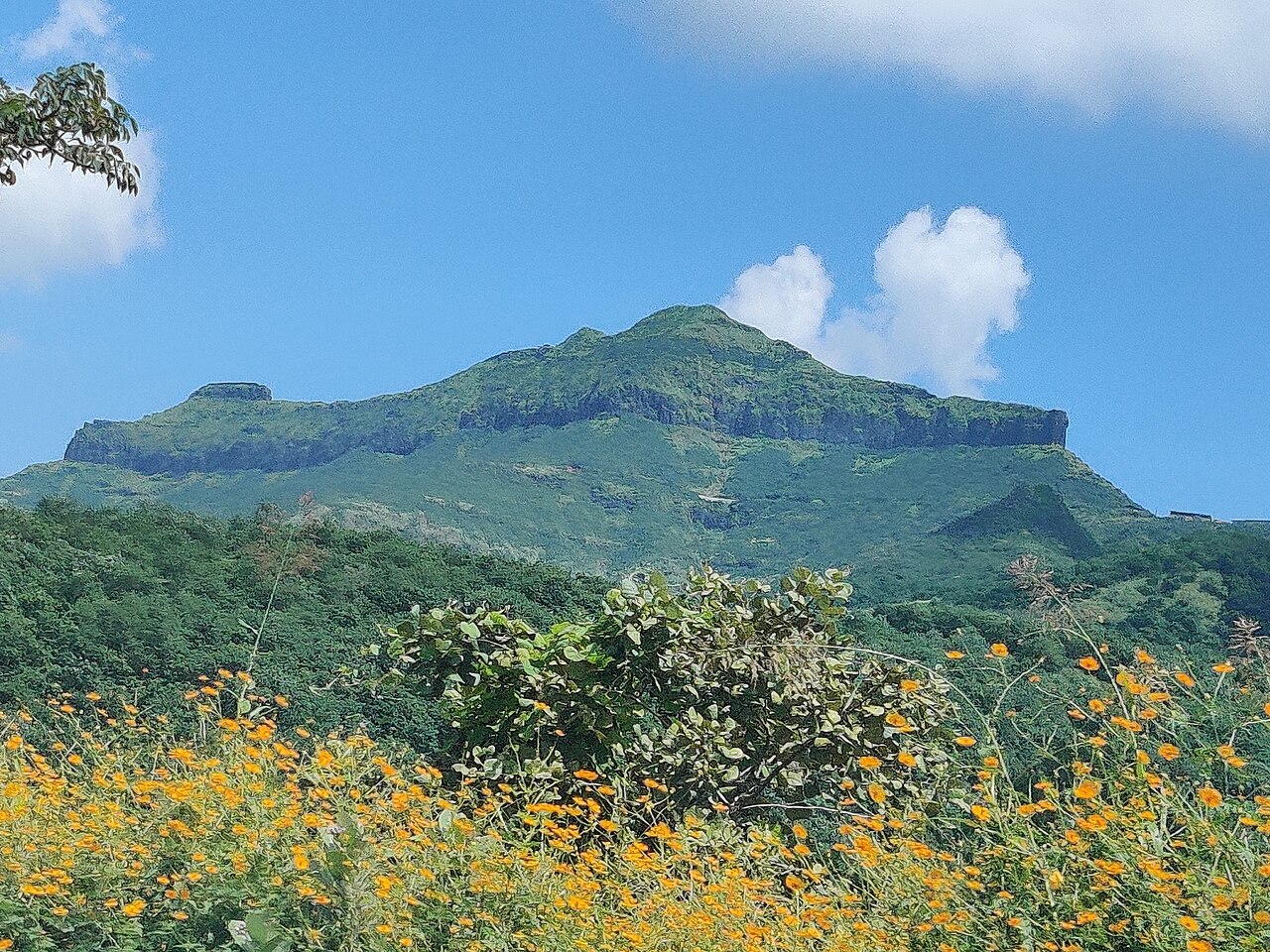
Ajinkyatara Fort, known as the "Fort of the Sapta-Rishi," is a prominent hill fortress perched atop Ajinkyatara Mountain, one of the seven hills encircling the city of Satara in the Sahyadri mountain range of Maharashtra, India. At an elevation of approximately 3,300 feet, the fort commands a strategic vantage point overlooking the city below, making it a significant site in the region's military and cultural history.
Constructed in the 12th century during the high medieval period, Ajinkyatara Fort exemplifies the architectural and defensive innovations of its era. Classified as a bastioned fortress, it features robust bastions and ramparts designed to withstand artillery and siege warfare, reflecting the evolving military technology of the time. The fort's walls are built from locally sourced stone, incorporating thick defensive barriers and strategically placed watchtowers that provided extensive surveillance over the surrounding landscape.
Historical significance and strategic role
Ajinkyatara Fort has played a crucial role in the history of the Maratha Empire and the wider Deccan region. It was a key military stronghold during the reign of Chhatrapati Shivaji Maharaj, the founder of the Maratha kingdom in the 17th century. The fort's elevated position enabled effective control over the surrounding territory and served as a defensive bulwark against invading forces.
Throughout its history, the fort changed hands multiple times, witnessing sieges and battles involving the Marathas, the Mughals, and later the British colonial forces. Its robust fortifications and natural defensive advantages made it a coveted asset for controlling the Satara region.
Architectural features and layout
Bastions and walls
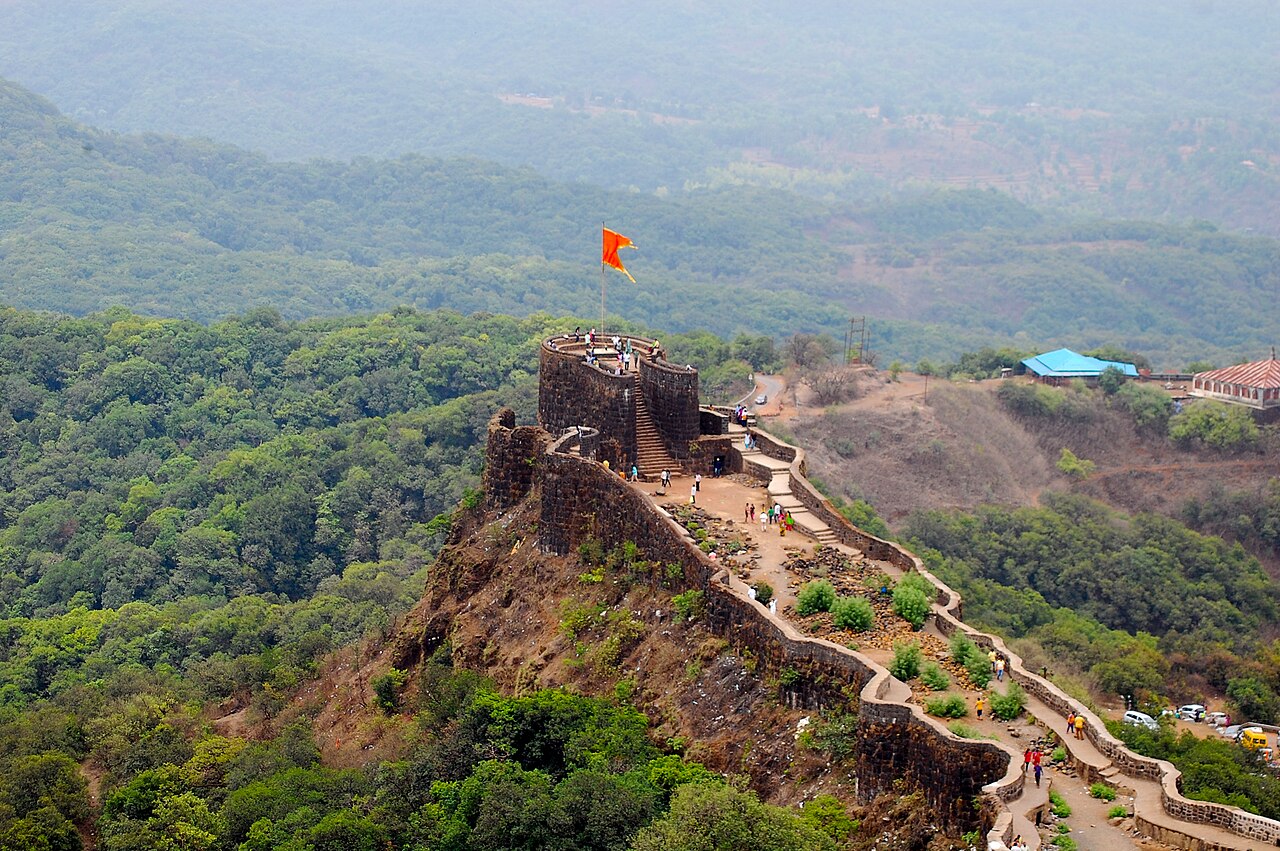
The fort is characterized by its massive bastions that project outward from the main walls, allowing defenders to cover adjacent walls with crossfire. These bastions are connected by thick curtain walls that form an irregular polygonal shape conforming to the hill's contours. The walls are constructed from large stone blocks, some sections showing evidence of repairs and modifications made over the centuries.
Gates and entrances
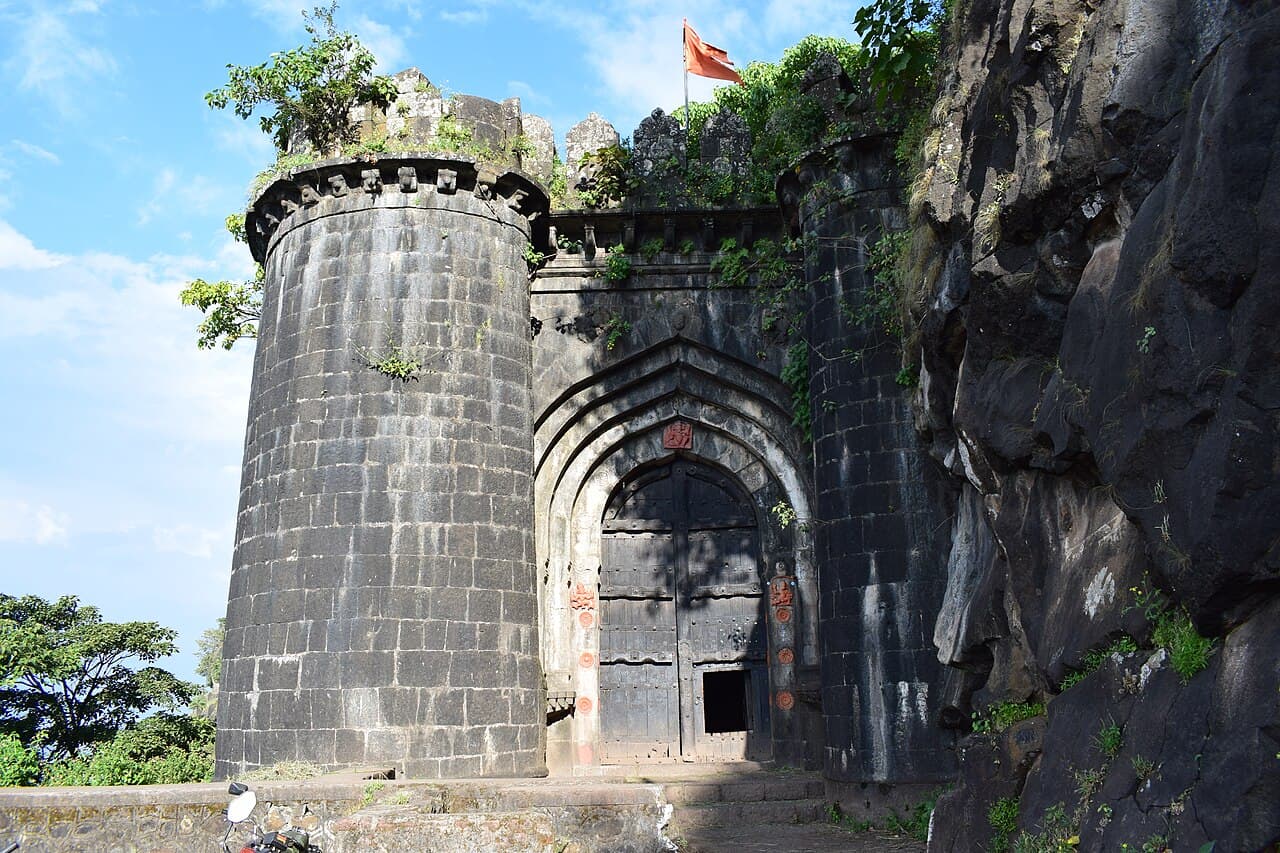
Ajinkyatara Fort contains several gateways, including a main entrance that is fortified with a heavy wooden gate reinforced with iron studs. The gates are designed with defensive features such as narrow passages and angled approaches to slow down attackers. Some gates are flanked by guard chambers and small bastions for additional protection.
Internal structures
Inside the fort, remnants of various structures can be found, including residential quarters, granaries, and water reservoirs. These facilities supported the garrison during prolonged sieges. The fort also houses temples dedicated to local deities, reflecting the cultural and religious aspects of its occupants.
Natural defenses and location advantages
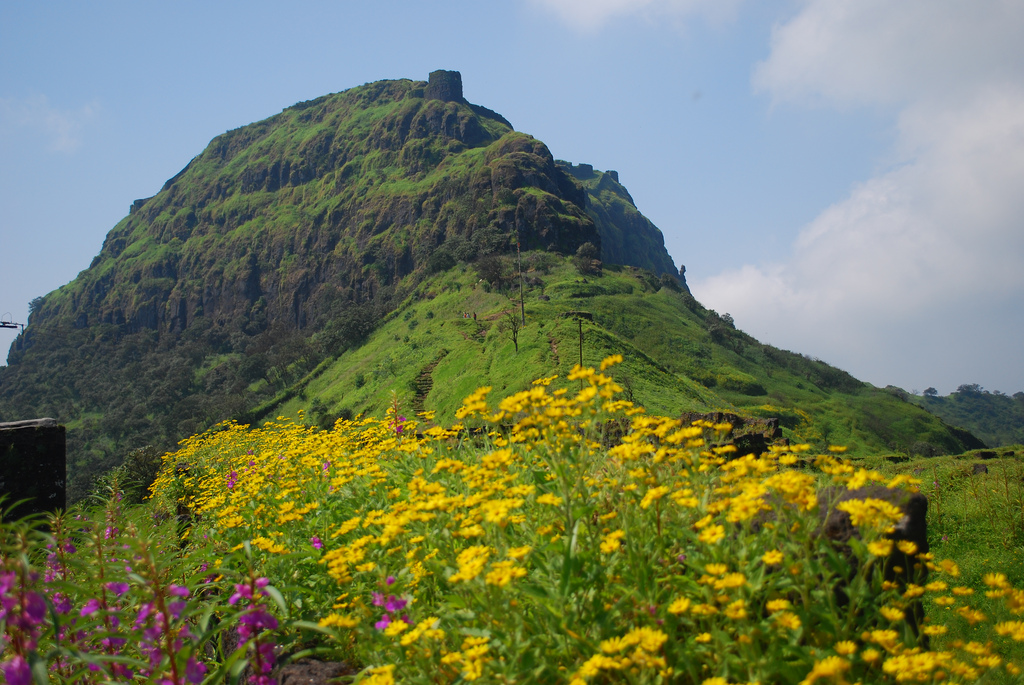
The location of Ajinkyatara Fort on a steep hill provides natural defensive advantages. The rugged terrain and elevation made direct assaults difficult, while the fort's design maximized these natural features. The surrounding mountains and dense forests added layers of protection and concealment.
The fort's altitude also ensured a cooler climate and clear views for miles, which were essential for early warning against enemy movements. Water sources within the fort were carefully managed to sustain inhabitants during dry seasons.
Current status and tourism
Today, Ajinkyatara Fort remains a popular destination for history enthusiasts and trekkers. Its well-preserved bastions and walls offer insights into medieval military architecture in the Deccan region. Visitors can explore the fort's ruins, enjoy panoramic views of Satara city, and experience the cultural heritage of Maharashtra.
Efforts by local authorities and heritage organizations have focused on maintaining the structural integrity of the fort and promoting it as a cultural landmark. The site is accessible via trekking routes from Satara, attracting both casual tourists and serious hikers.
Visiting information and tips
Visitors to Ajinkyatara Fort should prepare for a moderate trek uphill, as the fort is situated on a hilltop. It is advisable to wear comfortable footwear and carry water. The best time to visit is during the cooler months from October to February when the weather is pleasant.
Guided tours are sometimes available, providing detailed historical context and architectural insights. Photography enthusiasts will find ample opportunities to capture the fort's imposing bastions and the sweeping vistas of the Sahyadri range.
Frequently asked questions (FAQ)
- How do I get to Ajinkyatara Fort?
- Ajinkyatara Fort is located near Satara, India, and can be accessed by road. The nearest railway station is Satara, about 10 km away, and the nearest airport is Pune International Airport, approximately 120 km from the fort. Local transportation options, including taxis and auto-rickshaws, are available for visitors.
- What is the historical significance of Ajinkyatara Fort?
- Ajinkyatara Fort is a significant historical site, built during the 17th century by Chhatrapati Shivaji Maharaj. It served as a strategic military outpost and played a crucial role in the Maratha Empire's defense. The fort's location offers panoramic views of the surrounding region, making it an essential point for military surveillance.
- When was Ajinkyatara Fort built?
- Ajinkyatara Fort was constructed in Ajinkyatara Fort, built in the 17th century, showcases the architectural brilliance of the Maratha Empire. It has stood the test of time and has undergone various renovations while retaining its original charm.
- Can I explore Ajinkyatara Fort on my own?
- Yes, visitors can explore Ajinkyatara Fort independently. However, hiring a local guide is recommended to gain insights into the fort's history and architecture. The fort features several points of interest, including ancient structures and breathtaking views.
- Why is Ajinkyatara Fort a popular tourist destination?
- Ajinkyatara Fort attracts visitors for its rich history, stunning architecture, and scenic views of the Sahyadri mountain range. It is a popular spot for trekking enthusiasts and history buffs alike. The fort also offers a glimpse into the glorious past of the Maratha Empire.
- Is it possible to visit Ajinkyatara Fort year-round?
- Yes, Ajinkyatara Fort is open for visitors throughout the year. However, the best time to visit is during the winter months, from October to February, when the weather is pleasant for outdoor exploration. Monsoon season can also be beautiful, but the trails may be slippery.
- What are the opening hours for Ajinkyatara Fort?
- Ajinkyatara Fort is generally open from sunrise to sunset. Visitors can enjoy the fort's beauty and engage in trekking activities during these hours. It's advisable to plan your visit accordingly to make the most of your experience.
- What are the ticket prices for visiting Ajinkyatara Fort?
- Entry to Ajinkyatara Fort is typically free for all visitors, making it an accessible destination for everyone. However, any additional activities or guided tours may have associated costs. It's best to check for any updates or changes in pricing before your visit.
- Are there any nearby attractions to Ajinkyatara Fort?
- Yes, there are several nearby attractions, including the historic Satara city, the stunning Kaas Plateau, and the beautiful Thoseghar Waterfalls. These sites offer additional opportunities for exploration and can enhance your visit to Ajinkyatara Fort. Make sure to allocate time to enjoy these nearby locations.
Photo gallery

Information
Loading map...
Visitor reviews
No reviews yet. Been here? Write the first review and help other travelers!
Write the first reviewVisited this castle? Share your experience
Your review helps other travelers and adds first-hand knowledge to our encyclopedia.