Palakkad Fort
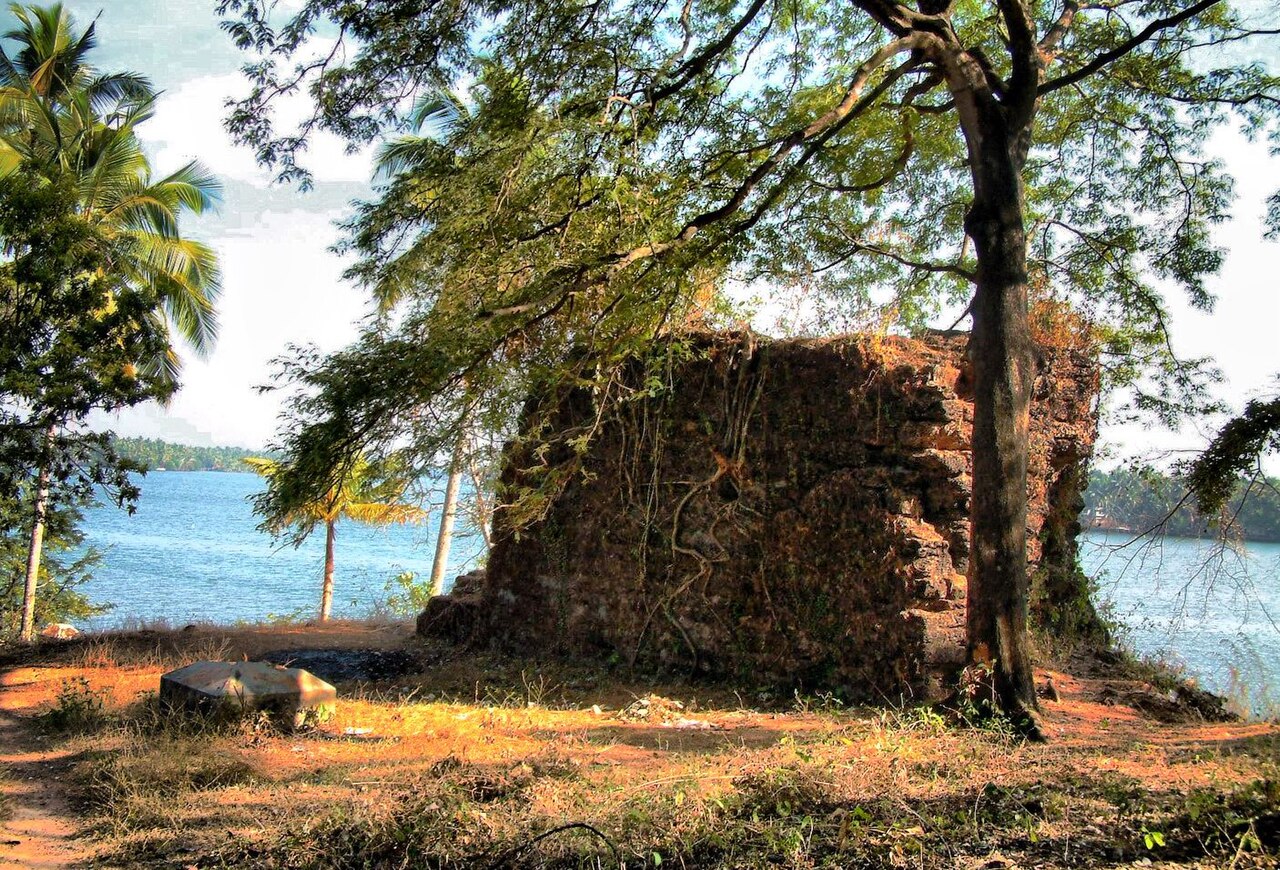
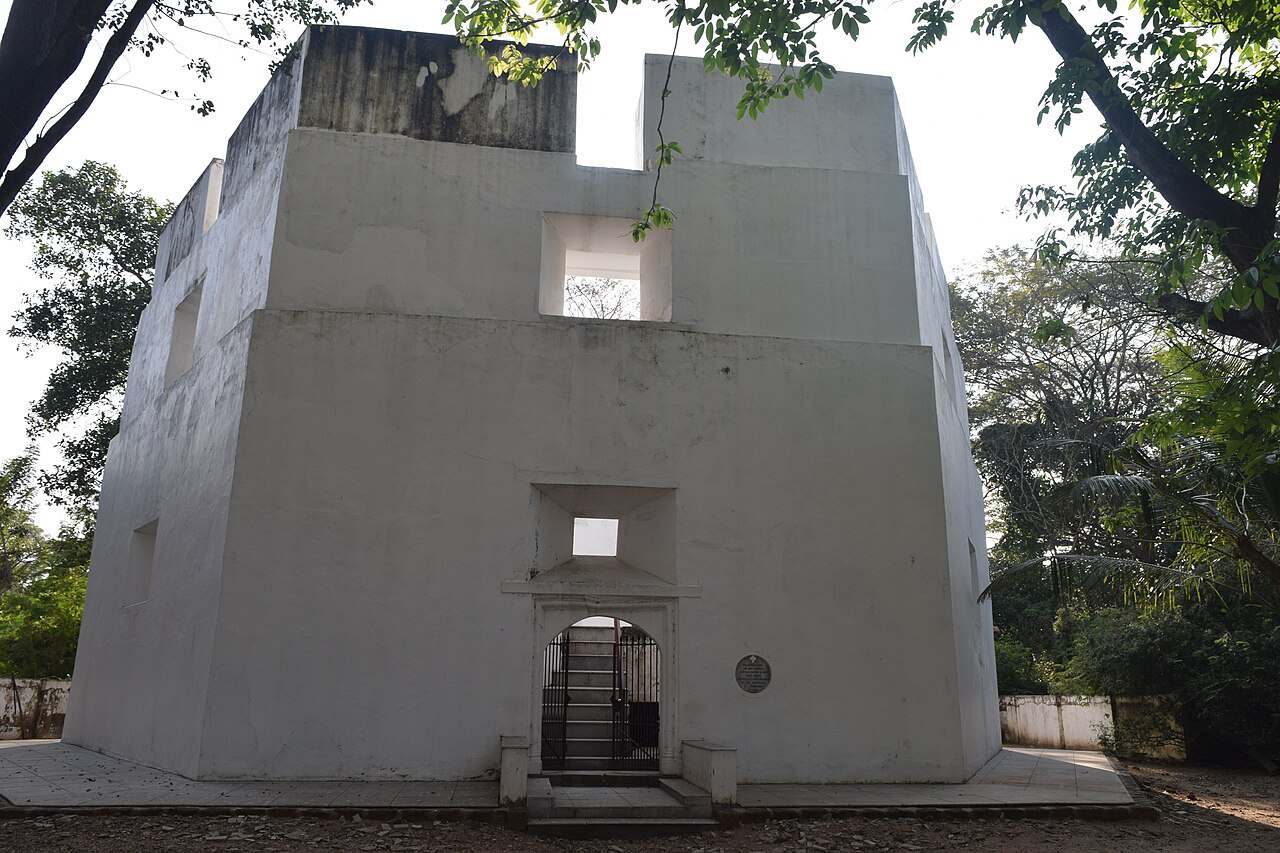
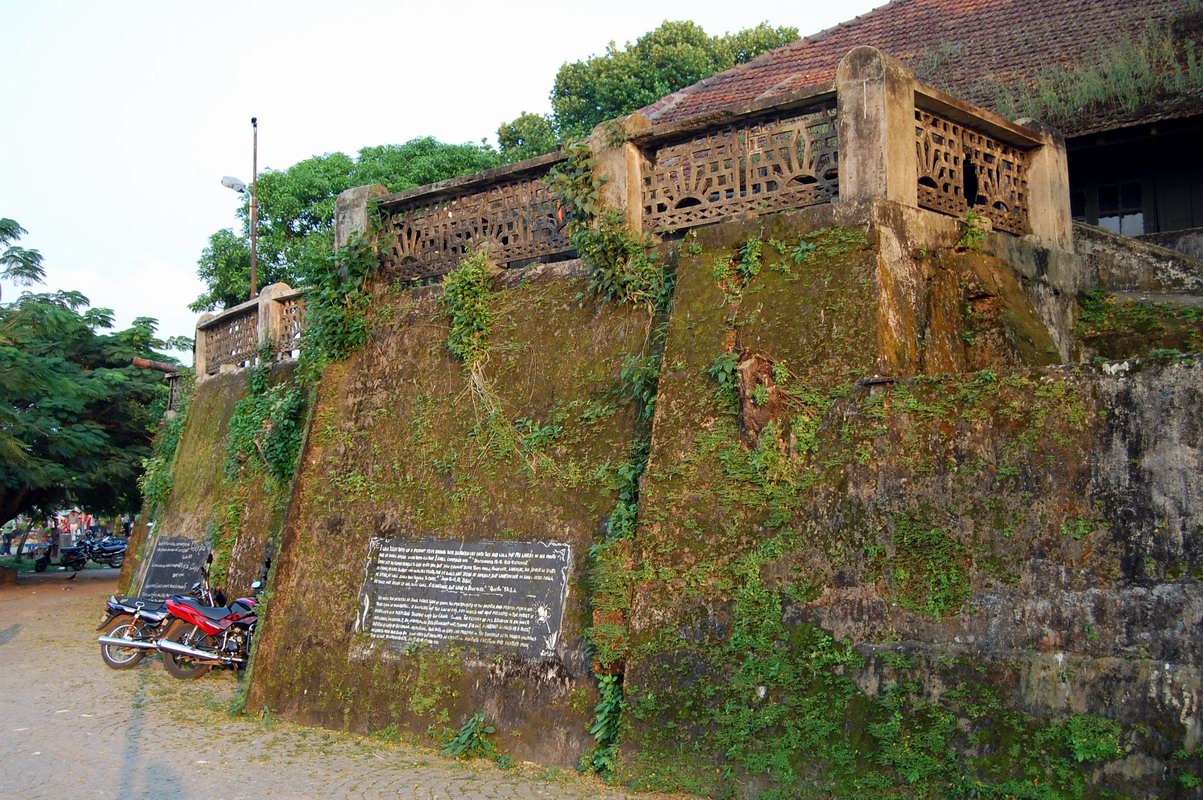
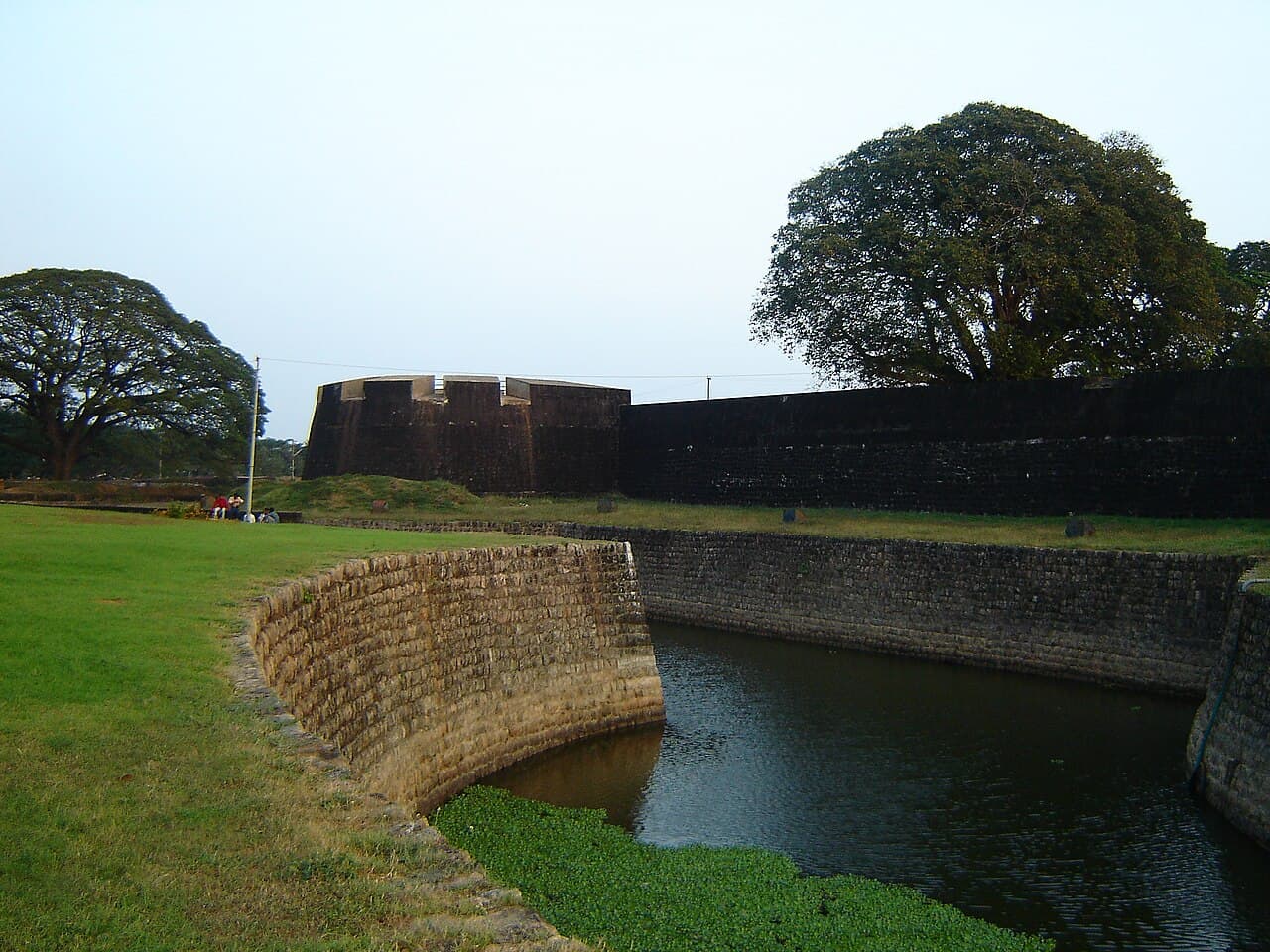
Palakkad Fort, also known as Tipu's Fort, is a notable 18th-century bastioned fortress situated in the heart of Palakkad city, in the Kerala state of southern India. This fort stands as a significant example of military architecture from the post-Renaissance period in India, reflecting the strategic importance of Palakkad as a gateway between the Malabar Coast and the Tamil Nadu plains.
Historical background and strategic importance
The fort was originally constructed by the Palakkad ruler in the early 18th century but was later captured and rebuilt by the famous Mysorean ruler Tipu Sultan in 1766. Its location was chosen for its strategic value, guarding the vital Palakkad Gap, a natural mountain pass in the Western Ghats that has historically served as a key trade and military route connecting the Malabar region with the interior of Tamil Nadu.
Throughout its history, Palakkad Fort played a crucial role in regional conflicts involving the Mysore Sultanate, the British East India Company, and local rulers. The fort changed hands multiple times during the Anglo-Mysore Wars, underlining its military significance in controlling the region.
Architectural features and design
The fort is a classic example of a bastioned fortress, designed to withstand artillery attacks with thick granite walls and bastions at the corners for mounting cannons. The walls are approximately 20 feet high and 12 feet thick, enclosing an area of about 13 acres. The fort's layout is roughly square, with bastions placed at strategic points to provide overlapping fields of fire.
The main entrance is a massive gateway with heavy wooden doors reinforced with iron studs, designed to repel enemy attacks. Inside, the fort contains several structures including barracks, ammunition stores, a temple, and wells that ensured a steady water supply during sieges.
The fort's construction utilizes locally sourced granite and mortar, showcasing the engineering skills of the period. The design reflects a blend of indigenous and Islamic military architectural influences, characteristic of Mysorean fortifications.
Preservation and current condition
Today, Palakkad Fort is well preserved and maintained by the Archaeological Survey of India. It remains a popular tourist attraction and a symbol of Palakkad's historical heritage. The fort's grounds are open to visitors, offering a glimpse into the military architecture and history of the region.
Visitors can explore the bastions, ramparts, and inner structures, gaining insight into the fort's defensive mechanisms and the lifestyle of its occupants during the 18th century. The fort is also a venue for cultural events and historical exhibitions.
Visiting information and accessibility
Palakkad Fort is located centrally in Palakkad city, making it easily accessible by road. It is open to visitors throughout the week, with typical visiting hours from morning until evening. Entry is usually free or involves a nominal fee, encouraging both local and international tourists to explore this historic site.
The surrounding area offers additional attractions such as nearby temples, museums, and markets, making it a comprehensive cultural experience for visitors.
Frequently asked questions (FAQ)
- What is the historical significance of Palakkad Fort?
- Palakkad Fort, also known as Tipu Sultan's Fort, was built in the 18th century and played a critical role in the military strategies of the region. It served as a bastion for various rulers, including Hyder Ali and his son Tipu Sultan, during their campaigns against the British. The fort's architecture and its strategic location highlight its importance in India's colonial history.
- When was Palakkad Fort constructed?
- Palakkad Fort was originally built in 1762 by Hyder Ali, the Sultan of Mysore, as a stronghold to control the Palakkad Gap. Over the years, it underwent several renovations and modifications, especially during the British era, which added to its historical layers. Today, it stands as a testament to the region's rich and tumultuous past.
- What are the opening hours of Palakkad Fort?
- Palakkad Fort is open to visitors every day from 9 AM to 5 PM. However, it is advisable to check for any special events or maintenance closures before planning your visit. The fort can be explored at your leisure within these hours, allowing ample time to appreciate its history and architecture.
- Can I visit Palakkad Fort with my family?
- Yes, Palakkad Fort is family-friendly and offers a great opportunity for visitors of all ages to explore its historical significance. The fort's spacious grounds allow for leisurely walks and exploration, making it an enjoyable outing for families. There are also picnic spots nearby where families can relax and enjoy the surroundings.
- Is it possible to take guided tours of Palakkad Fort?
- Yes, guided tours are available at Palakkad Fort, which provide in-depth insights into its history and architecture. Local guides offer engaging narratives that enhance the visitor experience, making it easier to appreciate the fort's significance. It’s recommended to inquire about guided tour availability at the entrance.
- What is the best time to visit Palakkad Fort?
- The best time to visit Palakkad Fort is during the cooler months from October to March, when the weather is pleasant for outdoor exploration. This period allows visitors to enjoy leisurely strolls around the fort and its scenic surroundings without the discomfort of excessive heat. Additionally, the fort’s beautiful landscape is particularly vibrant during this time.
- Are there any nearby attractions to visit after Palakkad Fort?
- Yes, there are several nearby attractions worth exploring after visiting Palakkad Fort. The Malampuzha Dam, which features beautiful gardens and a picturesque landscape, is just a short drive away. Additionally, the Jain Temple and the historic town of Palakkad offer further opportunities to delve into the region's rich cultural heritage.
- What are the ticket prices for visiting Palakkad Fort?
- Entry to Palakkad Fort is generally free for Indian citizens, while a nominal fee may be charged for foreign tourists. The fort is maintained by the Archaeological Survey of India, so it's best to check for any updates regarding ticket prices before your visit. This accessibility makes it a popular destination for both locals and tourists.
- How do I get to Palakkad Fort?
- Palakkad Fort is easily accessible by road and is well-connected to major cities in Kerala and Tamil Nadu. Visitors can reach the fort via private vehicles, taxis, or public transport. The nearest railway station is Palakkad Junction, which is just a few kilometers away, making it convenient for travelers.
Photo gallery

Information
Loading map...
Visitor reviews
No reviews yet. Been here? Write the first review and help other travelers!
Write the first reviewVisited this castle? Share your experience
Your review helps other travelers and adds first-hand knowledge to our encyclopedia.