Palgeosanseong Fortress is a significant example of military architecture located in the Republic of Korea. This bastioned fortress reflects the strategic defensive designs used in Korean fortifications, characterized by its robust walls and bastions designed to withstand siege and artillery attacks.
Historical context and significance
Constructed during a period when Korea faced frequent invasions and internal conflicts, Palgeosanseong Fortress played a crucial role in regional defense. Although the exact date of construction is not precisely documented, it is generally associated with the late medieval to early modern period, when Korean fortresses were adapted to new military technologies such as gunpowder artillery.
The fortress served as a military stronghold that protected local populations and controlled strategic routes. Its design reflects the evolution of Korean fortification techniques, incorporating bastions that allowed defenders to cover the walls with overlapping fields of fire, an advanced feature compared to earlier fortress styles.
Architectural features and layout
The fortress is classified as a bastioned fortress, meaning it includes angled bastions projecting outward from the main curtain walls. These bastions provided defensive advantages by eliminating blind spots and enabling defenders to fire along the walls' faces.
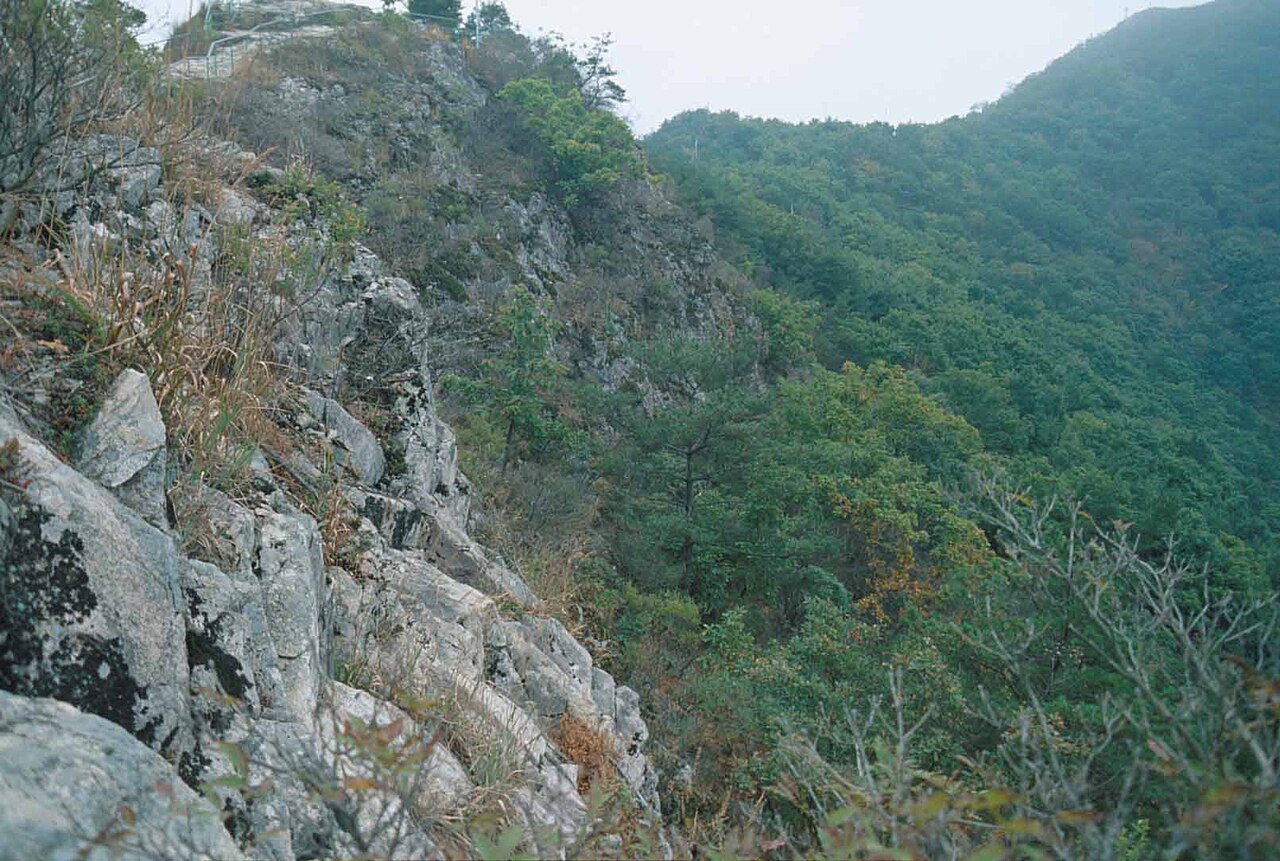
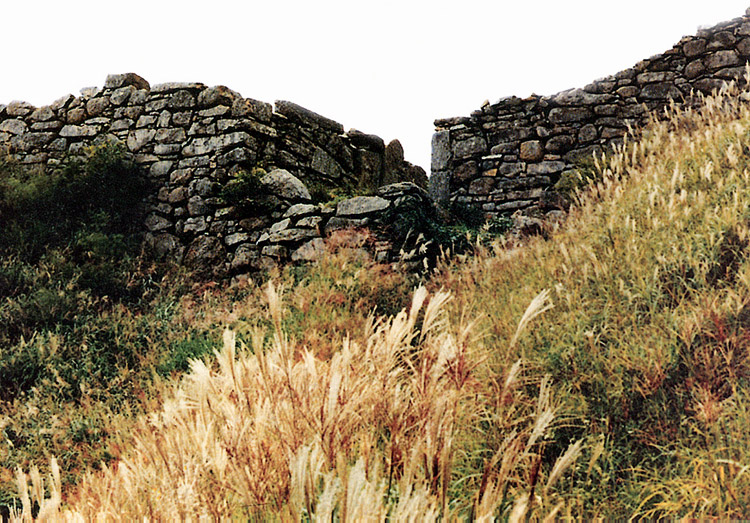
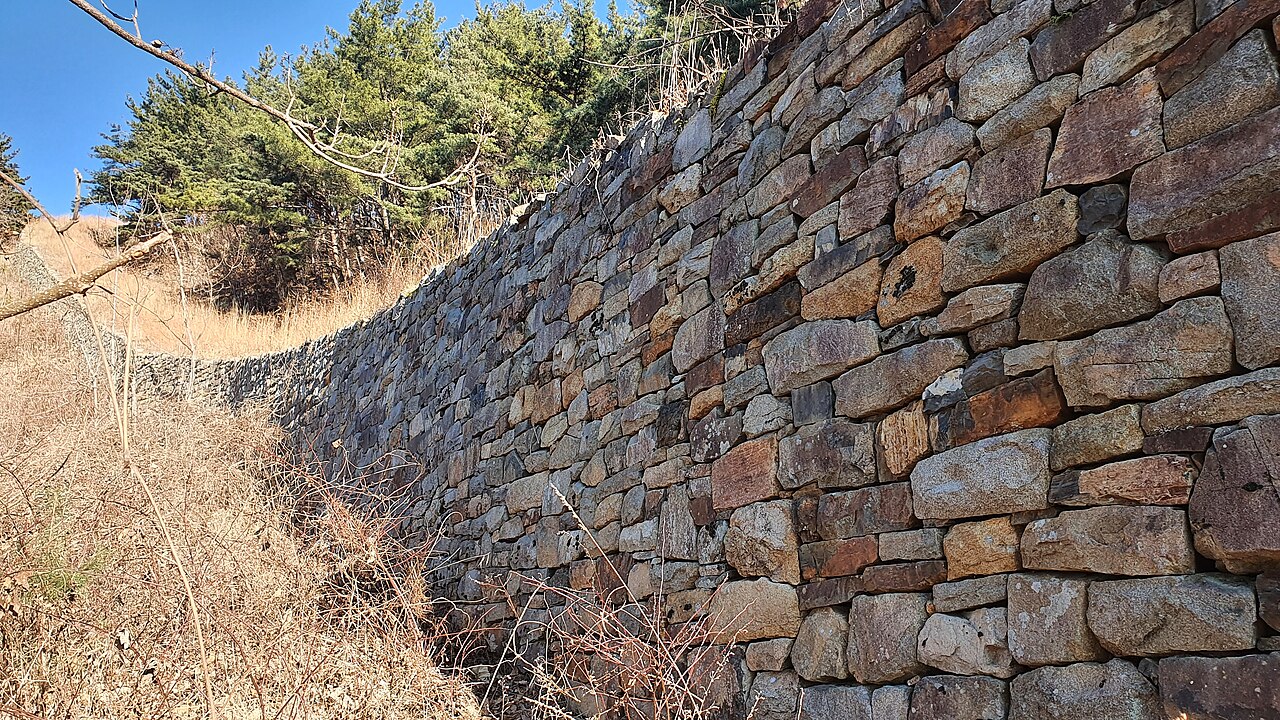
The walls of Palgeosanseong Fortress are constructed primarily from stone, a common material in Korean fortifications, offering durability and resistance to artillery. The fortress likely includes multiple gates fortified with defensive structures such as barbicans and guard towers, although detailed documentation of these features is limited.
The layout typically features a roughly polygonal or irregular shape conforming to the terrain, maximizing natural defensive benefits. The bastions are spaced to allow crossfire coverage, a hallmark of bastioned design that reflects influences from both indigenous Korean and broader East Asian military architecture.
Military and cultural importance
Palgeosanseong Fortress stands as a testament to Korea's military ingenuity during times of conflict. Its bastioned design illustrates the adaptation of traditional fortress construction to the demands of gunpowder warfare, which became increasingly important from the 16th century onward.
Although less internationally known than some other Korean fortresses, Palgeosanseong contributes to understanding the regional defensive networks that protected the Korean peninsula. It also offers insight into the local governance and military organization of its era.
Current status and preservation
Today, Palgeosanseong Fortress is recognized for its historical and architectural value. The fortress is in a partially preserved state, with some sections of walls and bastions remaining intact, while other parts have suffered from natural decay and human activity.
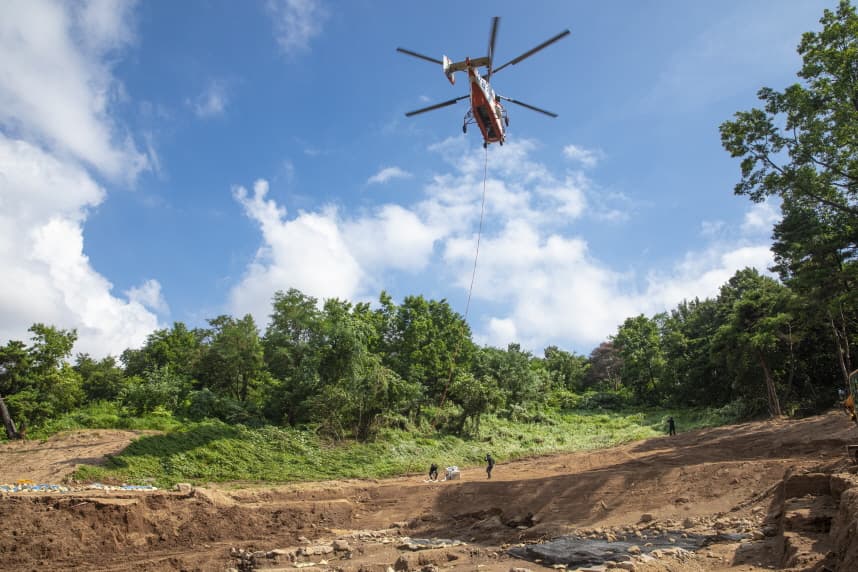
Efforts to preserve and study the fortress continue, highlighting its role in Korea's cultural heritage. Visitors interested in military architecture and Korean history find Palgeosanseong an important site for understanding the evolution of fortress design in East Asia.
Visiting information
While specific details about visitor access and facilities at Palgeosanseong Fortress are limited, fortresses of this type in Korea are often accessible to the public, sometimes featuring walking trails and informational signage. Visitors are encouraged to check local resources for the latest information on opening hours and guided tours.
Frequently asked questions (FAQ)
- What is Palgeosanseong Fortress?
- Palgeosanseong Fortress is a historic bastioned fortress in Korea known for its strategic military architecture and defensive design.
- When was Palgeosanseong Fortress built?
- The exact construction date is uncertain, but it likely dates from the late medieval to early modern period, reflecting adaptations to gunpowder warfare.
- What architectural features define Palgeosanseong Fortress?
- It features stone walls and angled bastions that allowed defenders to cover the fortress with overlapping fields of fire, a key element of bastioned fortresses.
- Is Palgeosanseong Fortress open to visitors?
- While specific visitor information is limited, similar Korean fortresses are often open to the public with walking paths and informational signage.
- What is the current condition of Palgeosanseong Fortress?
- The fortress is partially preserved, with some walls and bastions intact, though other parts have deteriorated over time.
Photo gallery

Information
Loading map...
Visitor reviews
No reviews yet. Been here? Write the first review and help other travelers!
Write the first reviewVisited this castle? Share your experience
Your review helps other travelers and adds first-hand knowledge to our encyclopedia.