Changnyeong Hwawangsanseong Fortress
Changnyeong Hwawangsanseong Fortress stands as a significant historical and architectural monument in South Korea, located on Hwawangsan mountain within Changnyeong County, South Gyeongsang Province. Designated as Historic Site No. 64 on January 21, 1963, this fortress represents centuries of Korean military architecture and history, with origins dating back to the 5th century.
Early origins and construction
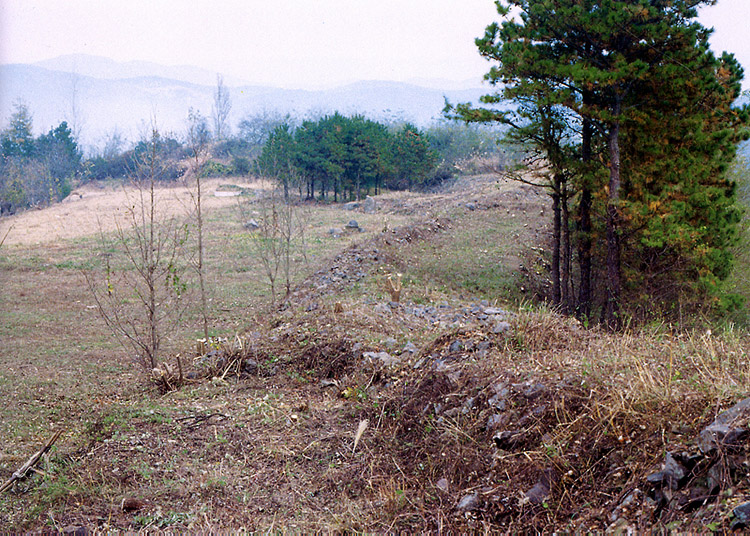
The fortress was initially constructed during the Early Medieval period as an earthen fortification, a common defensive structure in ancient Korea designed to utilize natural terrain for protection. Its strategic location on Hwawangsan mountain provided a commanding vantage point over the surrounding landscape, which was essential for early warning and defense against invasions.
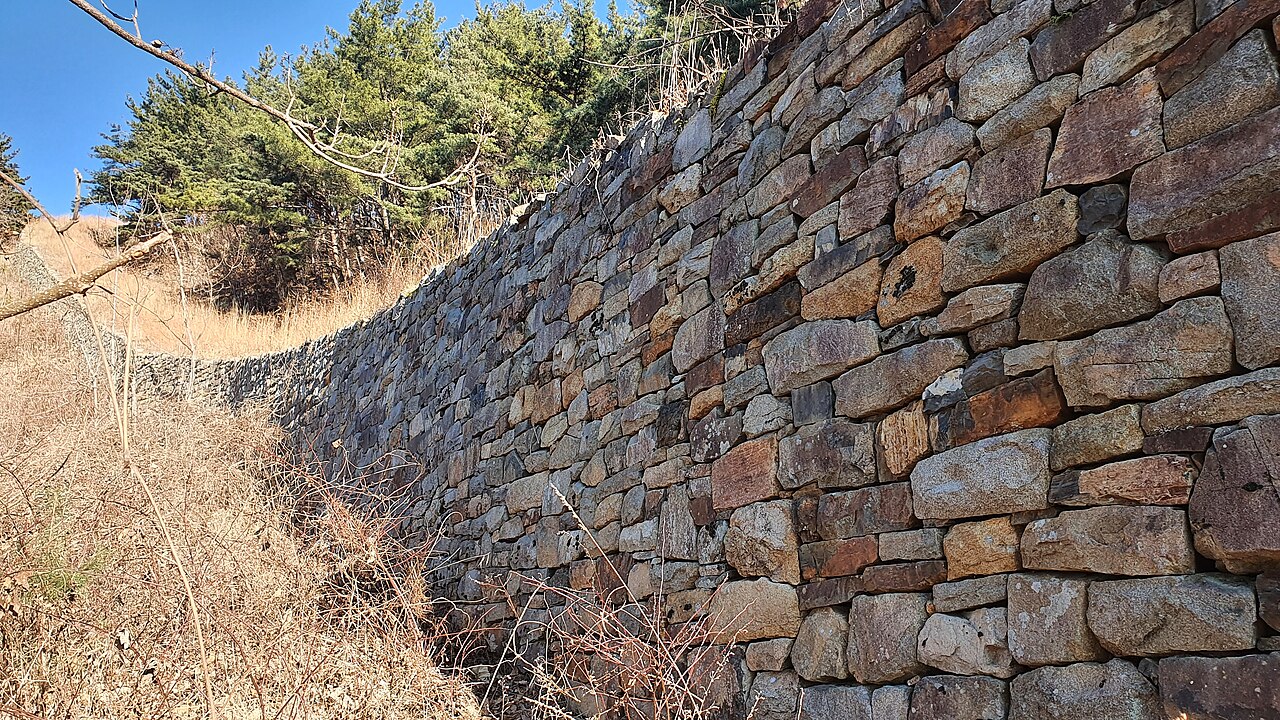
In the 9th century, during the Unified Silla period, the fortress underwent a significant transformation when it was rebuilt using stone masonry. This reconstruction marked a shift from temporary earthen defenses to more durable and permanent stone fortifications, reflecting advancements in military architecture and the increased importance of the site.
Architectural features and layout
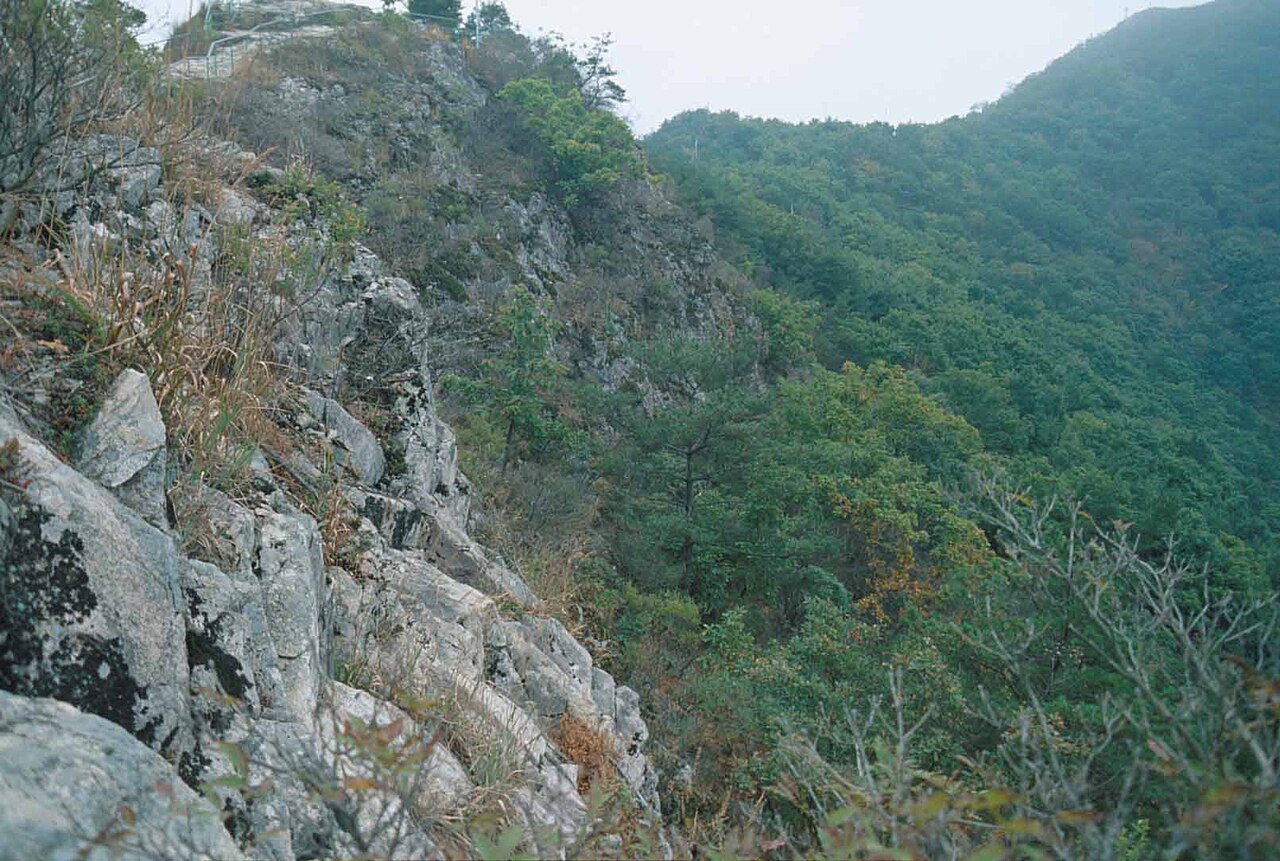
The fortress encloses a circumference of approximately 2,700 meters (8,900 feet), encompassing a large area on the mountain. Its defensive walls consist primarily of stone, constructed to follow the natural contours of Hwawangsan, thereby maximizing defensive capabilities and minimizing construction challenges.
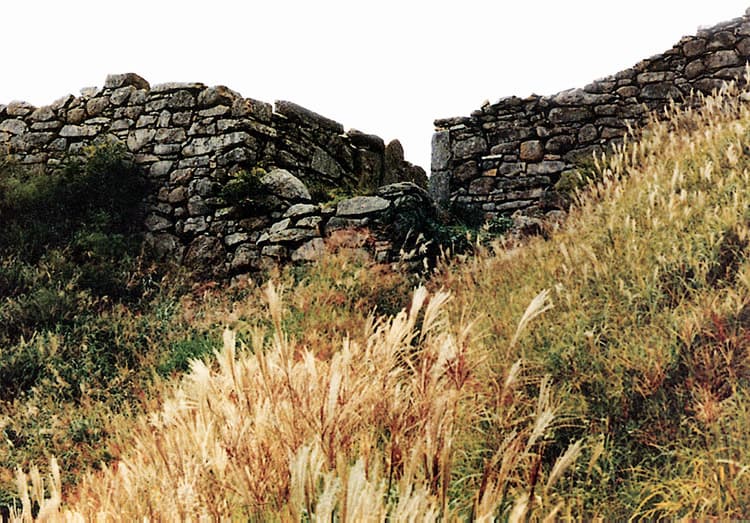
The walls are typical of Korean mountain fortresses, featuring battlements and parapets designed for archers and soldiers to defend against attackers. The fortress likely included several gates strategically placed for controlled access, as well as watchtowers or signal posts for communication and surveillance.
Though no detailed records survive of the exact internal structures, such fortresses typically housed barracks, armories, and storage facilities to support a garrison. The natural mountainous terrain would have also provided natural barriers and defensive advantages.
Historical significance and use
Hwawangsanseong Fortress played a vital role throughout Korean history, especially during periods of military conflict. It was actively used and renovated across several dynasties, including the Unified Silla period and the Joseon dynasty.
During the Imjin War (1592–1598), a critical conflict between Korea and Japan, the fortress served as a military base for Kwak Chaeu, a notable Korean general and guerrilla leader who resisted Japanese invasions. The fortress's strategic position allowed Korean forces to monitor enemy movements and coordinate defensive operations effectively.
After the late Joseon period, the fortress gradually fell out of military use and was eventually abandoned as warfare and defense strategies evolved.
Preservation and cultural importance
Today, Hwawangsanseong Fortress is recognized as a valuable cultural and historical site. Its designation as a Historic Site of South Korea underscores its importance in the nation's heritage. While much of the fortress remains in a partially preserved state, ongoing efforts aim to maintain and protect the remaining structures and stone walls.
The fortress attracts visitors interested in Korean history, military architecture, and scenic mountain landscapes. It offers insight into ancient Korean fortification techniques and the strategic considerations of mountain fortress construction.
Visiting the fortress
Visitors to Hwawangsanseong can explore the extensive stone walls and enjoy panoramic views from various points along the fortress perimeter. The site provides hiking opportunities and a chance to connect with Korea's early medieval military past.
Comparative context
Hwawangsanseong is one among several mountain fortresses in Korea, a tradition that reflects the peninsula's rugged terrain and historical need for elevated defensive positions. Its combination of early earthen origins and later stone reconstruction exemplifies the evolution of Korean fortress architecture from the 5th to 9th centuries.
Frequently asked questions (FAQ)
- How do I get to Changnyeong Hwawangsanseong Fortress?
- Changnyeong Hwawangsanseong Fortress is accessible by car and public transportation. If you're traveling by bus, several local buses connect to Changnyeong County from major cities like Busan and Daegu. It's also a scenic spot for hiking enthusiasts, offering beautiful views during the trek to the fortress.
- What is the historical significance of Changnyeong Hwawangsanseong Fortress?
- Changnyeong Hwawangsanseong Fortress dates back to the early 15th century and served as a military stronghold during the Joseon Dynasty. Its strategic location helped protect the region from invasions, making it a vital part of Korea's historical defense system. Today, it stands as a testament to the architectural and military prowess of its time.
- When was Changnyeong Hwawangsanseong Fortress built?
- The construction of Changnyeong Hwawangsanseong Fortress began in 1415 and was completed in the early 1420s. It was built under the reign of King Taejong as part of efforts to fortify the kingdom's defenses. The fortress has since undergone various restorations, preserving its historical integrity.
- Can I enter the fortress without a ticket?
- No, visitors are required to purchase a ticket to enter Changnyeong Hwawangsanseong Fortress. Ticket prices are generally affordable, ensuring that everyone can enjoy the rich history and stunning views the fortress offers. Discounts may be available for students and seniors, so it's worth checking at the entrance.
- Why is Changnyeong Hwawangsanseong Fortress a popular tourist destination?
- Changnyeong Hwawangsanseong Fortress is popular for its historical significance, stunning architecture, and scenic views of the surrounding landscape. The fortress provides a unique glimpse into Korea's past, making it a fascinating site for history enthusiasts. Additionally, it offers various hiking trails that appeal to outdoor lovers.
- Is it possible to visit Changnyeong Hwawangsanseong Fortress year-round?
- Yes, Changnyeong Hwawangsanseong Fortress is open year-round to visitors. However, the best time to visit is during spring and autumn when the weather is mild and the scenery is particularly beautiful. Be sure to check the opening hours, as they may vary seasonally.
- What are the opening hours for Changnyeong Hwawangsanseong Fortress?
- The fortress is typically open from 9 AM to 6 PM, but these hours can change based on the season. It’s best to check the official website or contact local tourism information for the most current hours before your visit. Early morning visits can provide a quieter experience and stunning sunrise views.
- Are there any nearby attractions to see after visiting the fortress?
- Yes, there are several nearby attractions, including the Changnyeong County Museum, which offers insights into the local history and culture. Additionally, nearby hiking trails and beautiful natural parks provide great opportunities for outdoor activities. You can also explore local cuisine at nearby restaurants for a complete day of exploration.

Information
Loading map...
Visitor reviews
No reviews yet. Been here? Write the first review and help other travelers!
Write the first reviewVisited this castle? Share your experience
Your review helps other travelers and adds first-hand knowledge to our encyclopedia.