Changnyeong Mokmasanseong Fortress
Changnyeong Mokmasanseong Fortress, also known as Mongmasansŏng (Korean: 목마산성; Hanja: 牧馬山城), is an ancient Korean fortress located in Changnyeong County, within South Gyeongsang Province, South Korea. This Gaya-era fortress holds significant historical value as a relic from the Gaya confederacy period, which spanned from 42 to 562 AD. Recognized as Historic Site No. 65 by the South Korean government since January 21, 1963, the fortress site offers insight into early Korean fortification techniques and regional defense strategies.
Historical background and significance
The exact date of Mokmasanseong's construction remains uncertain, but archaeological and historical evidence suggest it was built during the existence of the Gaya confederacy. The fortress served as a strategic military installation for the Gaya people, who were known for their iron production and trade networks in the southern Korean peninsula. Surrounding the fortress are numerous Gaya-era tombs, which indicate the area's importance as a cultural and political center during that era.
During the Imjin War (1592–1598), a critical conflict between Korea and invading Japanese forces, the fortress was renovated by the Korean general Kwak Chaeu. This renovation highlights the fortress's continued military relevance well into the late 16th century, adapting older fortifications to meet contemporary defensive needs.
Architectural features and layout
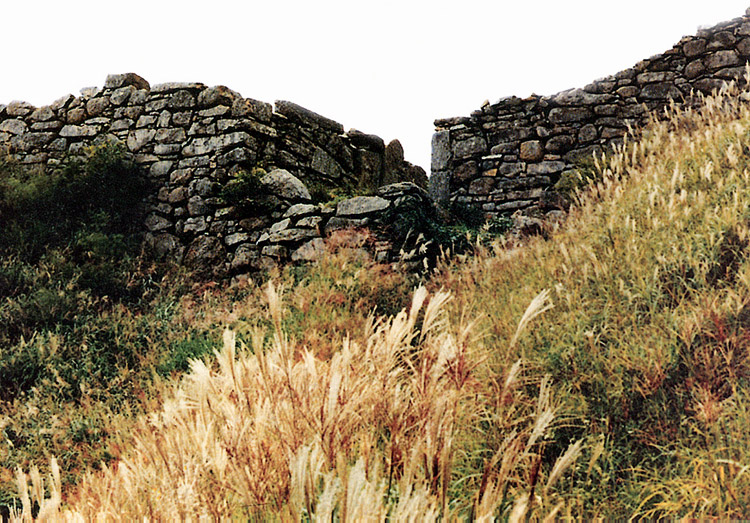
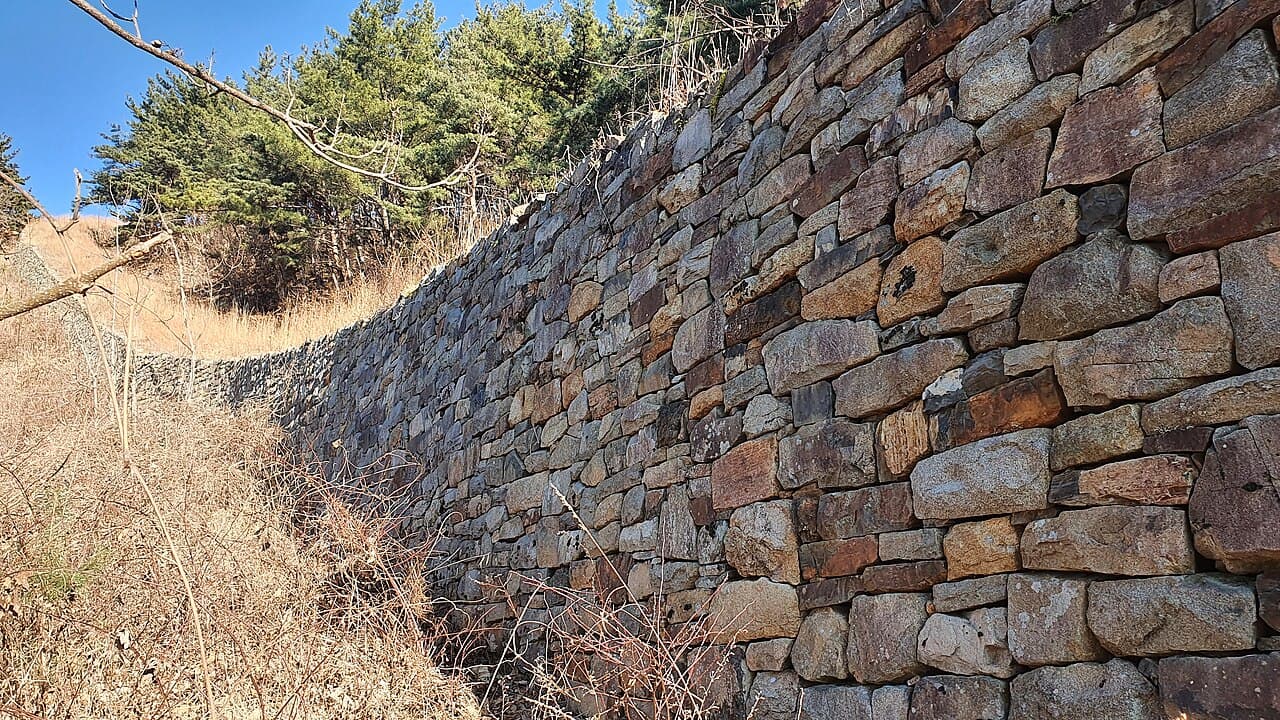
Mokmasanseong Fortress is classified as a bastioned fortress, a style characterized by projecting bastions that allow defensive fire along the walls. The fortress walls stretch approximately 1.9 kilometers (1.2 miles) in length, enclosing a sizable area that would have accommodated soldiers, horses, and supplies. The walls are constructed primarily from stone, showcasing typical Korean fortress masonry techniques of the period.
The fortress's name, which translates to "raising horses," suggests that the site may have been used for horse breeding or training, a critical component of military logistics and cavalry operations in ancient Korea. The bastioned design would have provided enhanced protection for both personnel and valuable livestock.
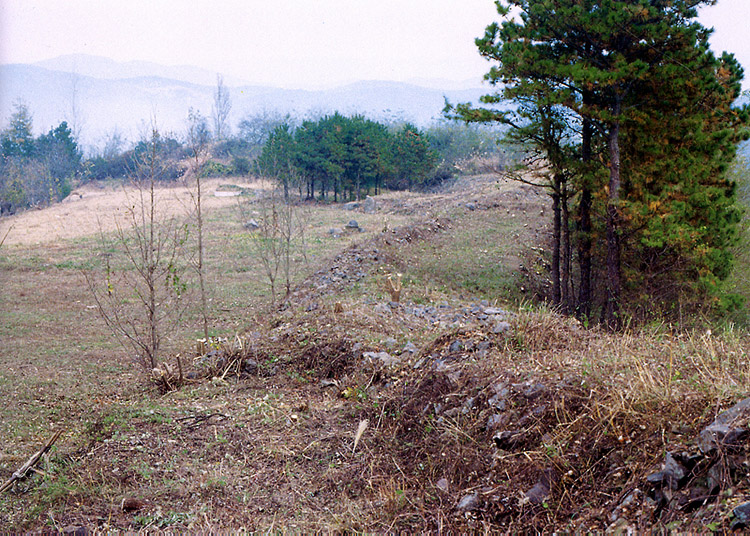
Despite its age, Mokmasanseong's walls remain comparatively intact, offering a rare glimpse into the defensive architecture of the Gaya confederacy. The fortress features several gates and watchtowers strategically placed to monitor and control access, although many of these structures have been altered or partially lost over time.
Preservation and cultural importance
The designation of Mokmasanseong as a Historic Site of South Korea underscores its cultural and historical importance. Preservation efforts have focused on maintaining the structural integrity of the fortress walls and protecting the surrounding archaeological sites, including the Gaya tombs.
The fortress serves as a valuable educational resource for understanding the military and social organization of the Gaya confederacy. It also attracts visitors interested in Korean history, archaeology, and traditional fortress architecture.
Visiting Mokmasanseong fortress
Visitors to Mokmasanseong Fortress can explore the extensive stone walls and gain insight into ancient Korean fortification methods. The site’s relatively well-preserved condition allows for walking tours along the fortress perimeter, where interpretive signage provides historical context.
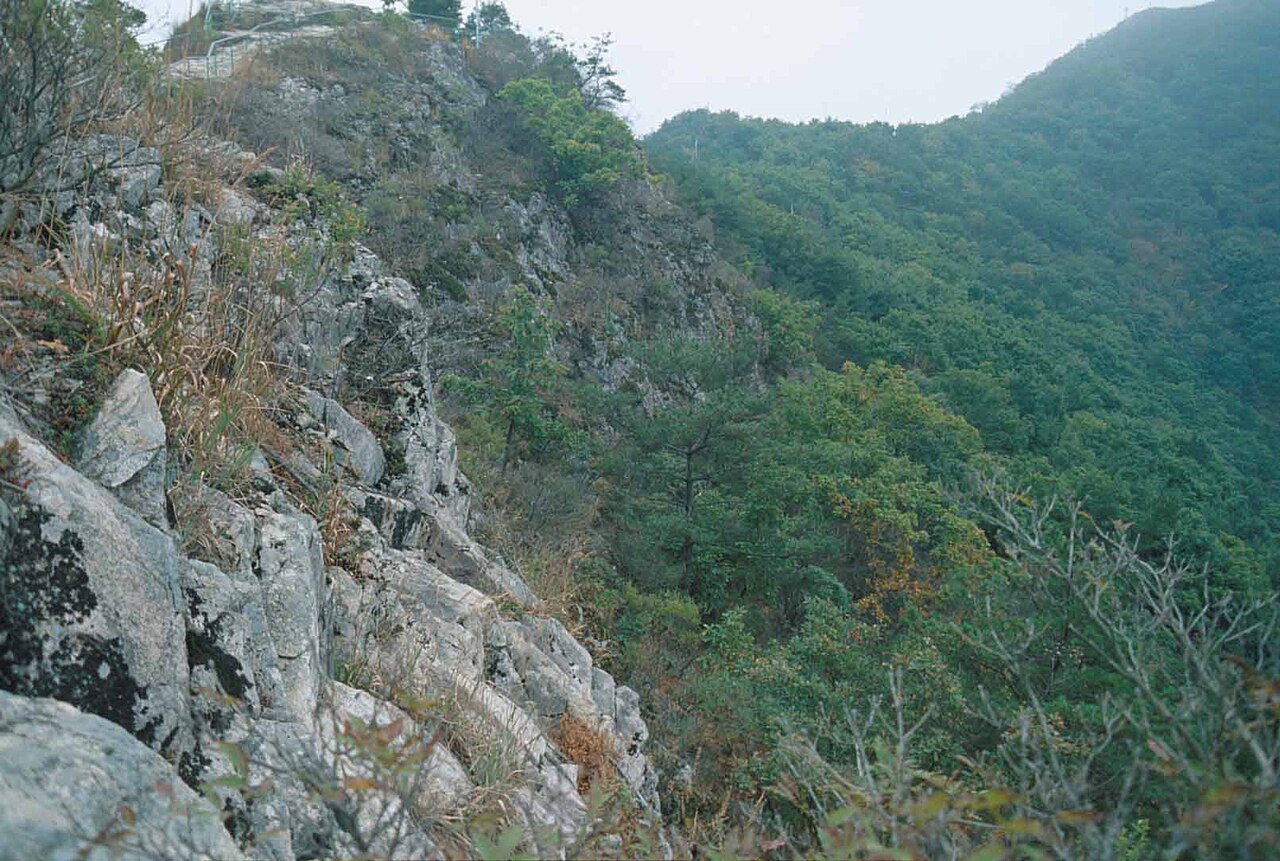
The surrounding landscape, characterized by rolling hills typical of South Gyeongsang Province, adds scenic value to the visit. Nearby cultural sites, including Gaya-era tombs and local museums, complement the experience by offering broader perspectives on the region's history.
Frequently asked questions (FAQ)
- What is the historical significance of Changnyeong Mokmasanseong Fortress?
- Changnyeong Mokmasanseong Fortress is a significant historical site that dates back to the late 15th century. It was constructed during the Joseon Dynasty to defend against invasions and protect the local populace, reflecting the military architecture of the period.
- When was Changnyeong Mokmasanseong Fortress built?
- The fortress was built in 1471, under the reign of King Sejo of Joseon. It served as a strategic military defense point and played a crucial role throughout various conflicts in Korean history.
- Can I visit Changnyeong Mokmasanseong Fortress?
- Yes, visitors are welcome to explore Changnyeong Mokmasanseong Fortress. The site is open to the public, allowing guests to appreciate its historical architecture and scenic views.
- What are the opening hours for Changnyeong Mokmasanseong Fortress?
- Changnyeong Mokmasanseong Fortress is typically open from 9:00 AM to 6:00 PM. However, it's advisable to check for any seasonal changes in opening hours before planning your visit.
- Is it possible to take guided tours of the fortress?
- Yes, guided tours are available for those interested in a deeper understanding of the fortress's history and architecture. These tours often provide insightful commentary from knowledgeable guides.
- What is the best time to visit Changnyeong Mokmasanseong Fortress?
- The best time to visit is during the spring (April to June) and autumn (September to November) when the weather is mild and the surrounding scenery is particularly beautiful. These seasons also offer vibrant foliage, enhancing the fortress's picturesque setting.
- Are there any nearby attractions to visit when I go to Changnyeong Mokmasanseong Fortress?
- Yes, nearby attractions include the beautiful Changnyeong Lake and the historical sites of the Changnyeong County area. Visitors can explore local parks and enjoy the natural beauty of the region.
- How much does it cost to visit Changnyeong Mokmasanseong Fortress?
- The entrance fee for Changnyeong Mokmasanseong Fortress is typically very affordable, with discounts available for students and seniors. It’s best to check the latest prices on the official website or at the entrance before your visit.
- Is the fortress accessible for visitors with disabilities?
- Changnyeong Mokmasanseong Fortress has made efforts to improve accessibility for all visitors. However, due to its historical nature, some areas may still present challenges, so it's advisable to inquire about specific accessibility features upon arrival.

Information
Loading map...
Visitor reviews
No reviews yet. Been here? Write the first review and help other travelers!
Write the first reviewVisited this castle? Share your experience
Your review helps other travelers and adds first-hand knowledge to our encyclopedia.