Daedeoksanseong Fortress
Daedeoksanseong Fortress is a significant historical military structure located in the Republic of Korea. This bastioned fortress is notable for its strategic design and role in regional defense. While the exact city location is not specified, Daedeoksanseong is recognized as a key example of Korean fortress architecture that integrates natural terrain with man-made fortifications.
Architectural design and fortification features
The fortress is classified as a bastioned fortress, a style characterized by angular bastions projecting from the curtain walls, allowing defensive fire in multiple directions and reducing blind spots. This design reflects the adaptation of traditional Korean fortification methods to incorporate elements of early modern military architecture, enhancing the defensive capabilities against artillery and infantry assaults.
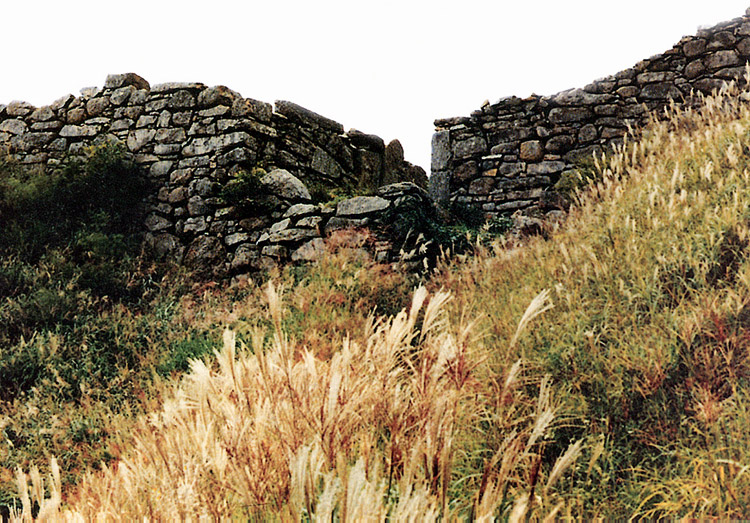
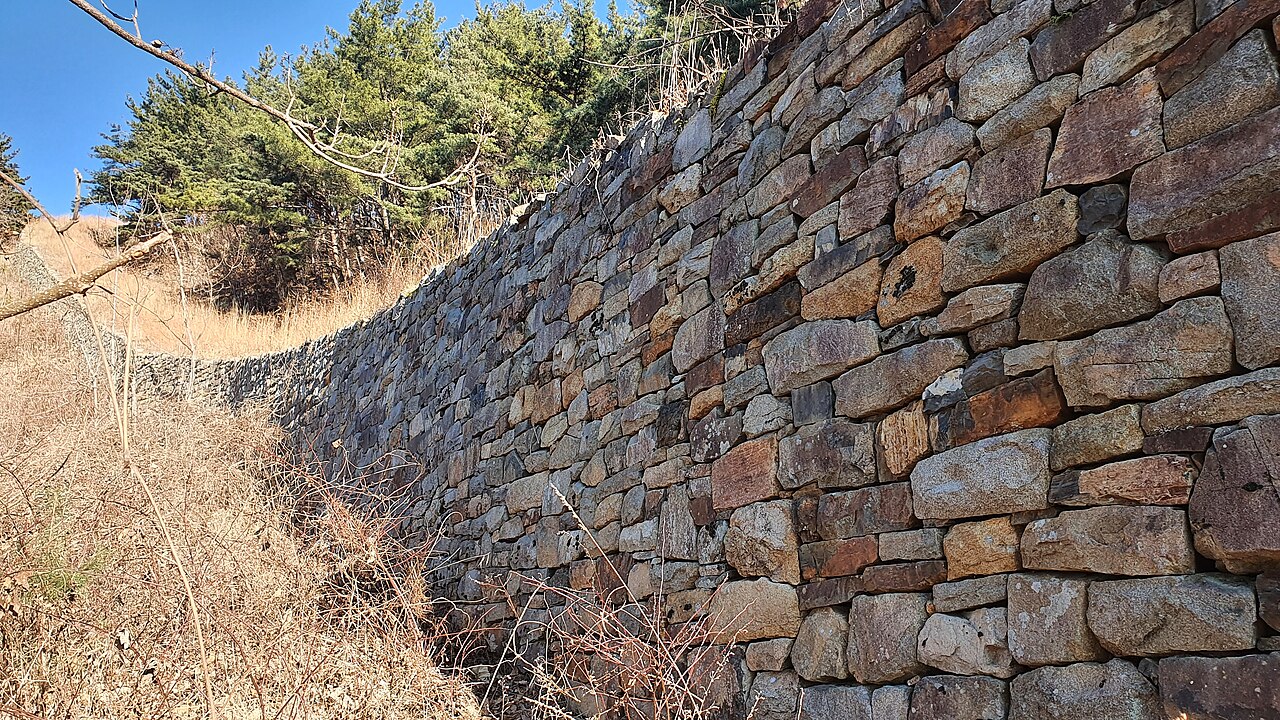
Daedeoksanseong is constructed primarily with stone walls that follow the contours of the surrounding mountainous terrain. The walls are reinforced with bastions at critical points, providing platforms for defenders to mount cannons and archers. The fortress complex likely includes gates, watchtowers, and courtyards typical of Korean fortress design, though specific details about these features require further archaeological study.
Historical context and significance
The fortress was built during a period when Korea faced threats from neighboring powers, necessitating robust defensive structures. Although the exact construction date is uncertain, bastioned fortresses in Korea generally date from the late medieval to early modern periods, reflecting the influence of evolving warfare technologies.
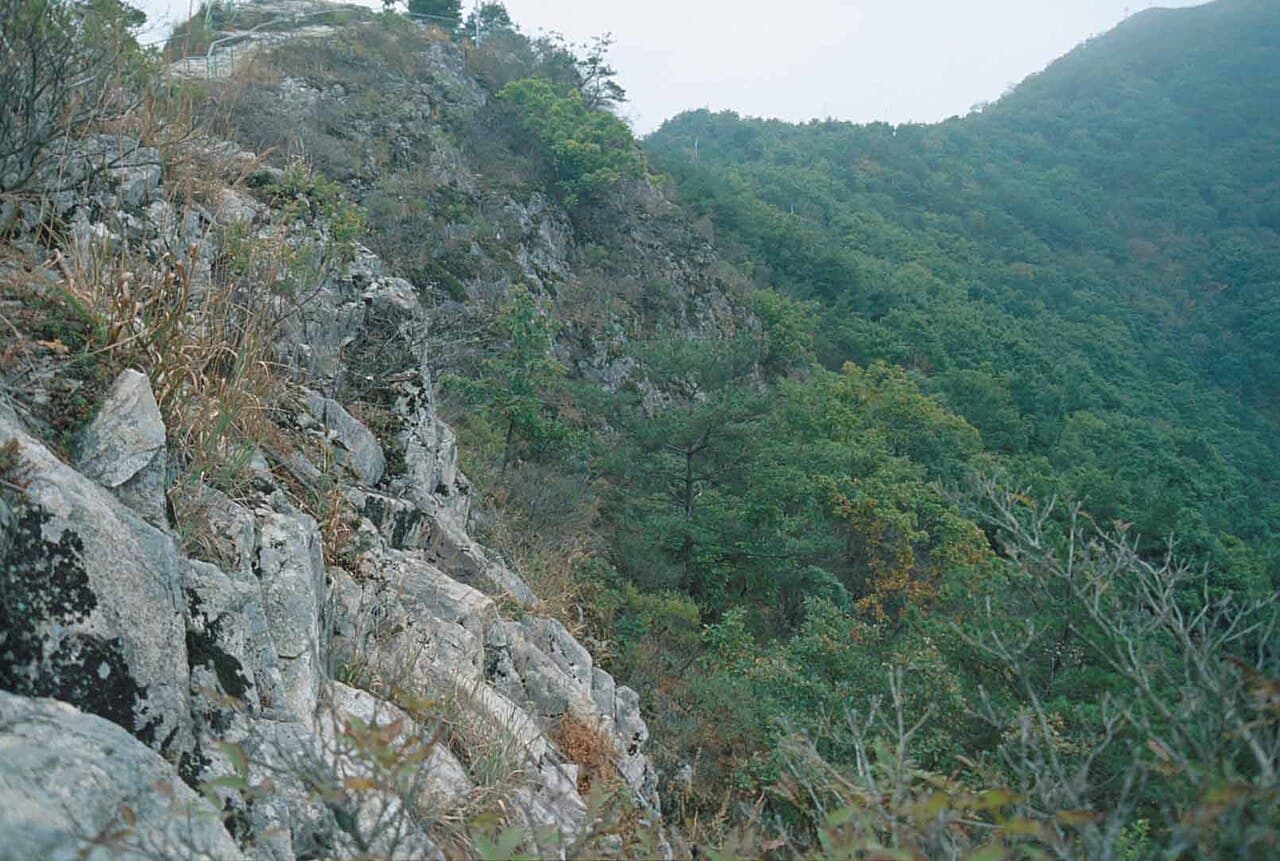
Daedeoksanseong Fortress served as a military stronghold to protect local populations and strategic routes. Its location on elevated terrain provided commanding views of the surrounding area, crucial for early warning and defense coordination. The fortress is part of Korea's broader network of mountain fortresses, which played important roles during various historical conflicts.
Preservation and current status
Today, Daedeoksanseong Fortress stands as a partially preserved historical site. While some sections of the walls and bastions remain intact, other parts have deteriorated due to natural weathering and lack of continuous maintenance. Efforts to preserve and study the fortress contribute to understanding Korea's military architecture and heritage.
The site attracts visitors interested in Korean history, military architecture, and scenic landscapes. It offers insights into the defensive strategies employed in Korea's mountainous regions and the adaptation of fortification techniques over time.
Cultural and heritage importance
Daedeoksanseong Fortress is valued not only for its military function but also as a cultural landmark reflecting Korea's historical resilience and architectural ingenuity. It embodies the integration of natural geography with human engineering to create effective defensive works.
As part of Korea's cultural heritage, the fortress contributes to the study of regional history and serves as a tangible link to the past, illustrating how fortifications evolved in response to changing military technologies and geopolitical challenges.
Frequently asked questions (FAQ)
- What is the historical significance of Daedeoksanseong Fortress?
- Daedeoksanseong Fortress played a key role in regional defense during periods of military threat in Korea, showcasing the adaptation of fortress design to evolving warfare technologies.
- Can visitors explore Daedeoksanseong Fortress today?
- Yes, visitors can explore the partially preserved remains of Daedeoksanseong Fortress, which offers insights into Korea's military architecture and scenic views of the surrounding terrain.
- What architectural features characterize Daedeoksanseong Fortress?
- The fortress features stone walls with bastions designed to provide defensive coverage and platforms for artillery, reflecting a bastioned fortress style adapted to mountainous terrain.
Photo gallery

Information
Loading map...
Visitor reviews
No reviews yet. Been here? Write the first review and help other travelers!
Write the first reviewVisited this castle? Share your experience
Your review helps other travelers and adds first-hand knowledge to our encyclopedia.