Palaio Pyli
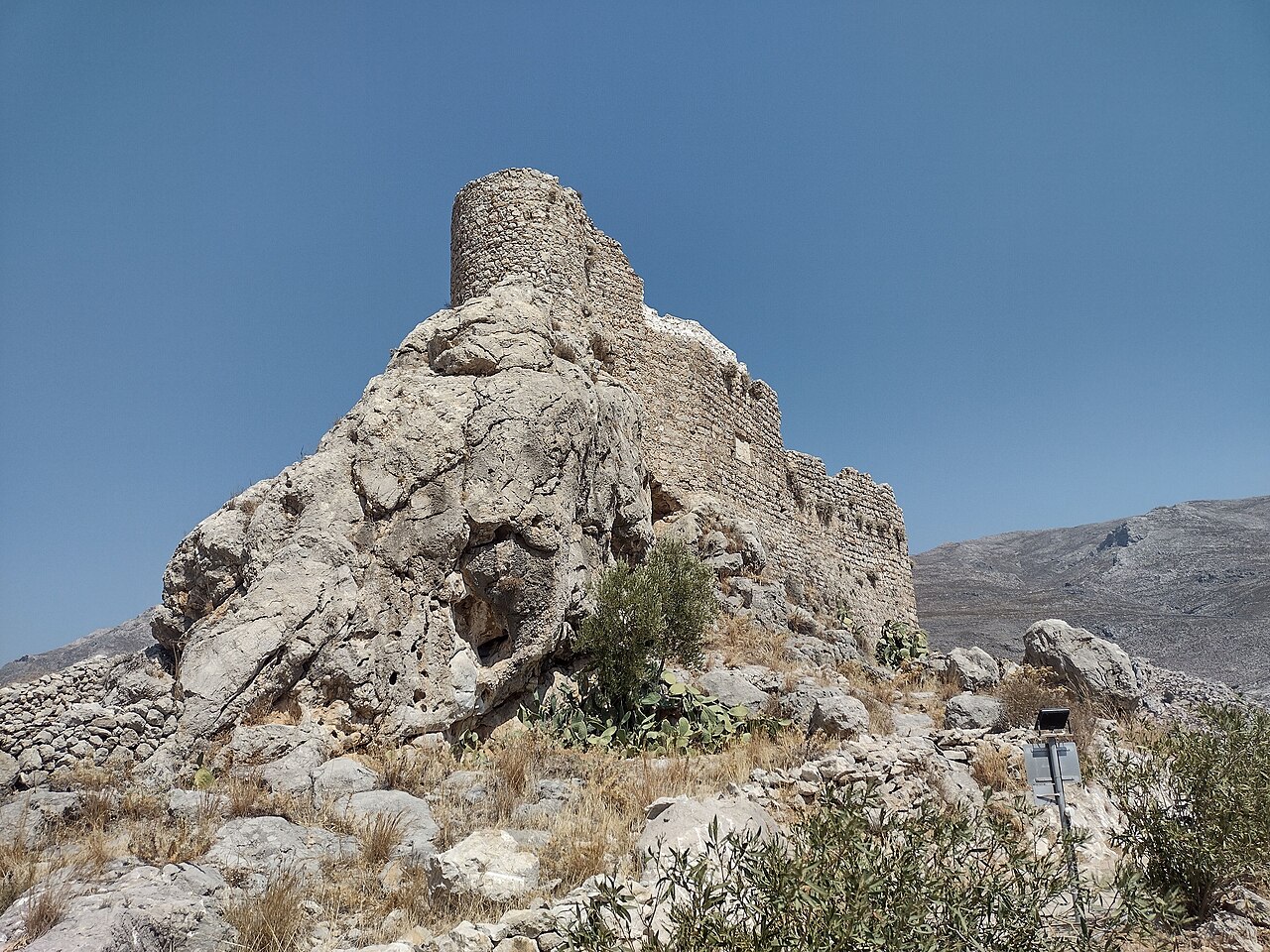
Palaio Pyli stands as a remarkable Byzantine fortress located on the northwestern slopes of Mount Dikaios in the municipality of Dikeo, Greece. This hill castle was primarily constructed during the 9th to 11th centuries with continued development into the 12th century, reflecting the strategic military and religious significance of the site throughout the medieval period. Its commanding position, approximately 300 to 360 meters above sea level, offers expansive views over the northern coastline of Kos island, underscoring its role as a critical defensive stronghold in the region.
The site of Palaio Pyli has a history that extends far beyond the Byzantine era. Archaeological evidence traces its earliest fortifications back to the Mycenaean period, indicating the hilltop's longstanding importance as a fortified refuge. Throughout the medieval era, the fortress served as a sanctuary and military bastion, protecting inhabitants from invasions and pirate raids. Notably, in the 11th century, the monk Hosios Christodoulos was instrumental in enhancing the fortress and founding the nearby monastery of Panagia ton Kastrianon, linking the site's spiritual and martial functions.
Architectural features and fortifications
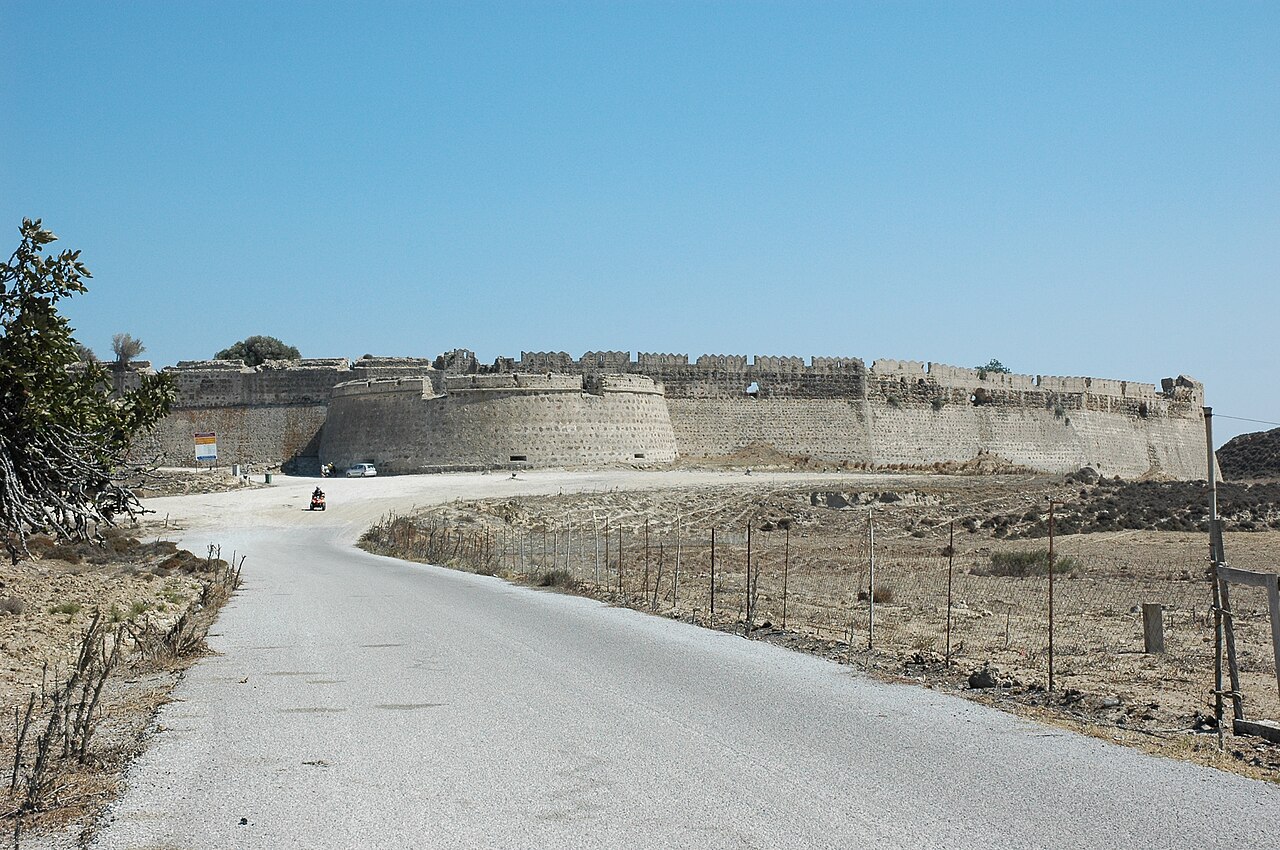
Palaio Pyli is distinguished by its complex defensive architecture, featuring three concentric layers of defensive walls that enclose the hilltop. The innermost wall tightly surrounds the summit, protecting the core area of the fortress. The second wall extends protection around a larger area on the east, south, and west sides, while a third outer wall is situated to the north of the upper enclosures. This layered defense system exemplifies Byzantine military engineering adapted to the rugged terrain.
Seven towers remain today, with four positioned along the upper walls and three guarding the lower fortifications. The fortress's main entrance is marked by a square gate framed by semicircular arches, dating from the late 11th or early 12th century. This gate incorporates the regional construction technique known as the "hidden socle", where the base of the walls is concealed for both structural stability and aesthetic effect.
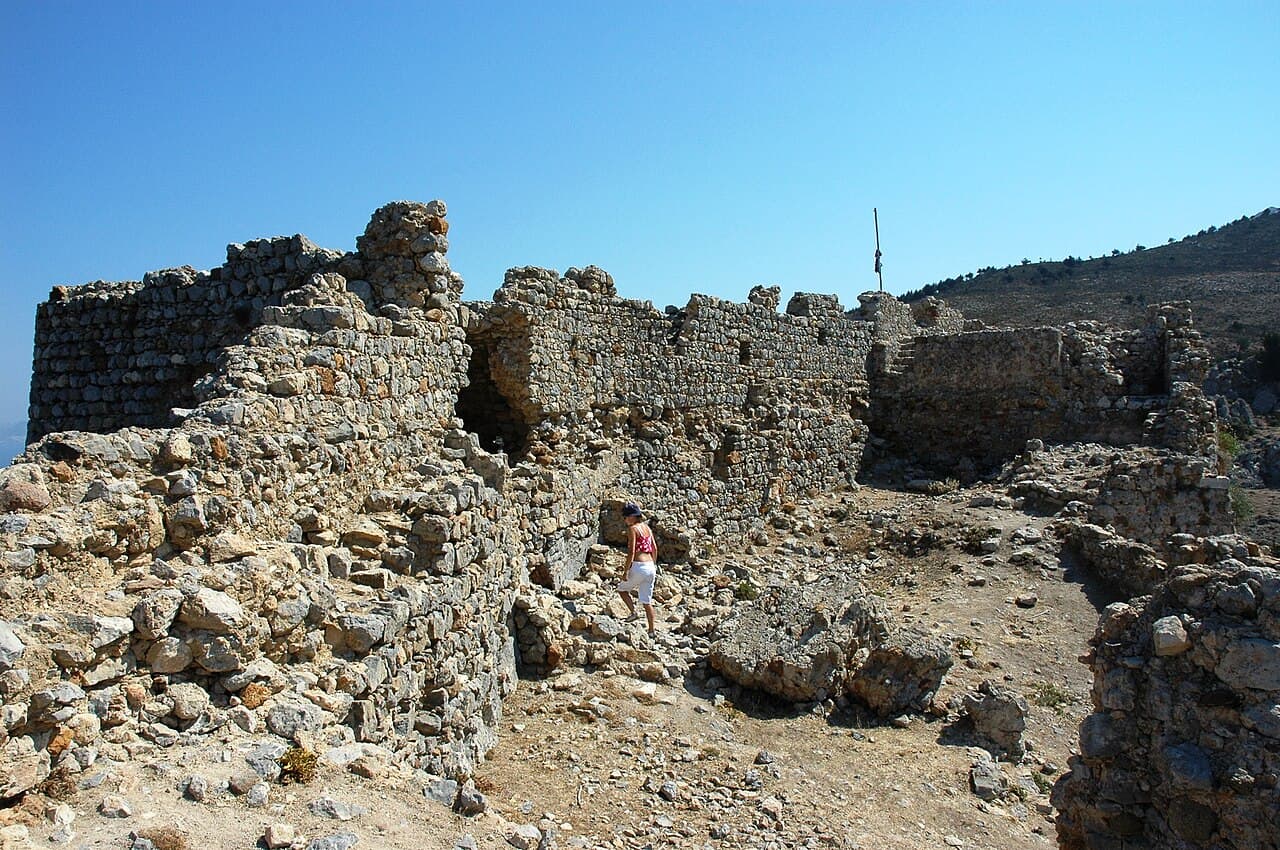
The walls and internal structures are primarily built from limestone and local volcanic rocks, materials abundant in the region. Brickwork is also used in an unusual manner for the Dodecanese, reflecting a blend of local and Byzantine construction practices. Among the surviving buildings, one square structure in the northern corner of the upper enclosure stands out with a preserved wall segment measuring approximately six meters in height.
Religious significance and buildings
The fortress complex includes three notable Byzantine churches from the 11th century, which underscore the site's dual role as a military and spiritual center. These churches are the Church of Saint Anthony (Ágios Antónios), the Church of the Virgin Mary of the Castle (Panagía ton Kastrianón), and the Church of the Holy Unbodied Ones (Ágioi Asómatoi), dedicated to angels. Their presence within the fortress walls highlights the integration of religious life with the defensive functions of the castle.
Central to the fortress's sustainability during sieges is a large underground cistern located on the upper level, designed to store water and ensure the inhabitants' survival during prolonged attacks. This feature is a testament to the thoughtful planning and self-sufficiency embedded in the fortress's design.
Historical context and usage
The fortress of Palaio Pyli played a pivotal role in the defense of Kos throughout the medieval period. In the 15th century, the fortress underwent significant reinforcements under the rule of the Knights Hospitaller, who governed Kos from 1315 until 1522. Despite sustaining damage during the earthquake of 1493, the fortress successfully withstood a Turkish siege in 1457, demonstrating its strategic resilience.
Following the Ottoman conquest in 1523, the fortress saw partial repairs but gradually lost its military prominence. A settlement emerged near the fortress, offering protection from pirate raids and serving as a local community center. This settlement remained occupied until approximately 1830, when a devastating cholera epidemic led to its abandonment.
Historical records dating back to 1085 mention Palaio Pyli, emphasizing its enduring strategic importance over centuries. The fortress's extensive ruins have earned it the nickname "Dodecanesian Mystras", reflecting its cultural and historical significance within the Dodecanese islands.
Location and present condition
Situated on a hilltop overlooking the northern coast of Kos, Palaio Pyli occupies a commanding position that allowed control over surrounding territories. The fortress and the remnants of the adjacent village extend between three and nine kilometers from the modern settlement of Pyli, nestled on the slopes of the Dikaios mountain range.
Today, the fortress remains in a state of ruins, with many structures partially preserved or collapsed. The layered defensive walls, surviving towers, churches, and cistern provide invaluable insight into Byzantine military architecture and medieval life on Kos. The fortress is a significant archaeological and cultural heritage site, attracting scholars and visitors interested in Byzantine history and architecture.
Frequently asked questions (FAQ)
- How do I get to Palaio Pyli?
- Palaio Pyli is located near the village of Pyli in Greece, easily accessible by car or local transportation. The nearest major city is Kos Town, from where you can take a bus or taxi to reach the castle. Parking is available near the site for those driving.
- What is the historical significance of Palaio Pyli?
- Palaio Pyli is a medieval castle that played a crucial role in the defense of the island of Kos during the Byzantine and Ottoman periods. Its ruins offer insight into the strategic military architecture of the time and the cultural influences present in the region. Exploring the castle allows visitors to connect with the rich history of Kos.
- When was Palaio Pyli built?
- Palaio Pyli was constructed in the 14th century by the Knights of St. John as a fortification against invasions. The castle has undergone several modifications over the centuries, reflecting the changing needs of its inhabitants. Its historical layers can be seen in the architecture and layout of the ruins.
- Can I visit Palaio Pyli year-round?
- Yes, Palaio Pyli is open to visitors throughout the year, although hours may vary seasonally. It is advisable to check local listings or official websites for specific visiting hours before your trip. Visiting during the cooler months can provide a more comfortable experience.
- Why is Palaio Pyli a popular tourist attraction?
- Palaio Pyli attracts visitors due to its stunning panoramic views of the surrounding landscape and the Aegean Sea. The combination of historical significance, picturesque ruins, and natural beauty makes it a perfect spot for photography and exploration. Additionally, its proximity to other attractions on the island enhances its appeal.
- Is it possible to access Palaio Pyli with limited mobility?
- Access to Palaio Pyli can be challenging for individuals with limited mobility, as the castle is situated on a hill and involves some uneven terrain. However, visitors can enjoy the scenic views from the lower areas without climbing to the top. It is advisable to plan ahead and consider alternative arrangements if mobility is a concern.
- What are the ticket prices for Palaio Pyli?
- Entrance to Palaio Pyli is typically free for all visitors, making it an accessible attraction for everyone. However, some guided tours may charge a fee, which can enhance your experience with detailed historical insights. Always check for any updates on fees or special events before your visit.
- What is the best time to visit Palaio Pyli?
- The best time to visit Palaio Pyli is during the spring (April to June) and fall (September to October) when the weather is mild and the crowds are smaller. Visiting during these periods allows for a more enjoyable experience while exploring the castle and its surroundings. Summer can be quite hot, so early mornings or late afternoons are recommended if you choose to visit then.
- Are there any nearby attractions to Palaio Pyli?
- Yes, nearby attractions include the village of Pyli, which offers charming local shops and cafes, and the ancient ruins of Asclepius, a significant archaeological site. The beautiful beaches of Kos are also just a short drive away, making it easy to combine a visit to Palaio Pyli with a day of relaxation by the sea. Exploring these nearby sites can enrich your experience of the island.
Photo gallery

Information
Loading map...
Visitor reviews
No reviews yet. Been here? Write the first review and help other travelers!
Write the first reviewVisited this castle? Share your experience
Your review helps other travelers and adds first-hand knowledge to our encyclopedia.