Palace of Whitehall
The Palace of Whitehall, located in Westminster, London, served as the principal residence of the English monarchs from the early 16th century until 1698. This vast complex was the largest palace in Europe during its peak, boasting over 1,500 rooms before being surpassed by the Palace of Versailles. Despite its destruction by fire, the site of Whitehall remains a significant historical and political landmark in the United Kingdom.
Historical background and royal significance
The origins of the Palace of Whitehall trace back to the early Tudor period when Henry VIII moved the royal residence from the nearby Palace of Westminster, which had been damaged by fire. Whitehall became the centre of English royal power and governance for nearly two centuries. It was the setting for many important events in British history, including royal ceremonies, state functions, and political decisions that shaped the nation.
Under Henry VIII, the palace was expanded extensively, reflecting the monarch's desire to demonstrate his power and wealth. Subsequent monarchs, including Elizabeth I and James I, continued to develop the palace complex, adding new wings, halls, and gardens. The palace was not only a royal residence but also housed government offices and administrative functions, making it a hub of political activity.
Architectural features and layout
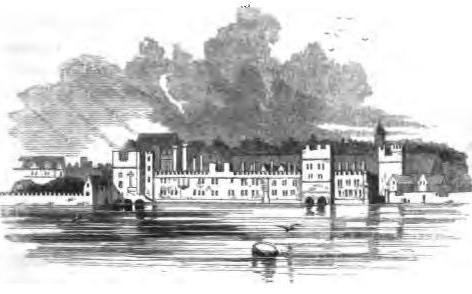
The Palace of Whitehall was an enormous complex sprawling over approximately 23 acres (9.3 hectares). It extended from Northumberland Avenue in the north to Downing Street in the south, and from Horse Guards Road in the west to the banks of the River Thames in the east. This vast area included residential quarters, ceremonial halls, chapels, and extensive gardens.
The palace architecture reflected the Renaissance style prevalent in England during the 16th and early 17th centuries, with influences from classical antiquity. Among its most notable architectural elements was the Banqueting House, designed by the renowned architect Inigo Jones and completed in 1622. This building is the only surviving structure of the original palace and is celebrated for its classical design and elaborate ceiling painted by Peter Paul Rubens.
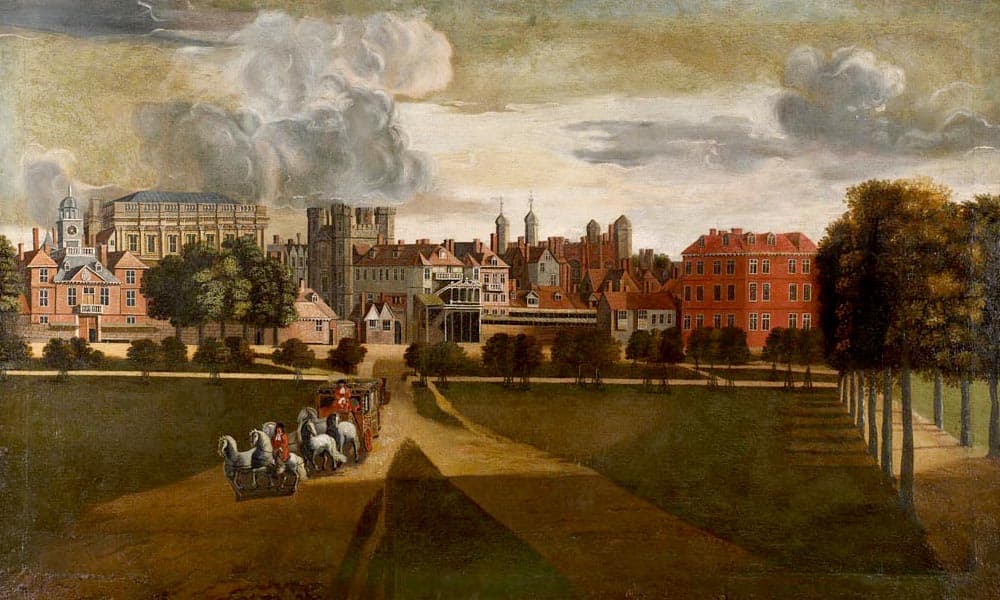
The palace featured multiple courtyards, grand staircases, and a complex network of corridors connecting various wings. It had numerous towers and gatehouses that served both defensive and ceremonial purposes. The proximity to the Thames allowed for a riverside entrance and facilitated transport and communication.
Destruction and legacy
In 1698, a devastating fire swept through the Palace of Whitehall, destroying most of the buildings. The Banqueting House survived the blaze, preserving a key piece of the palace's architectural heritage. After the fire, the royal court moved to St. James's Palace and later to Buckingham Palace, marking the end of Whitehall as a royal residence.
Today, the site of the former palace is occupied by government buildings, and the name "Whitehall" has become synonymous with the British government administration. Archaeological remains of the palace exist beneath modern structures, and the Banqueting House remains a significant cultural and historical monument open to the public.
Cultural and political importance
The Palace of Whitehall was more than a royal home; it was a centre of political power and cultural life in England. It witnessed the reigns of Tudor and Stuart monarchs and played a role in events such as the English Reformation and the English Civil War. The palace's size and grandeur reflected the evolving role of the monarchy and the state during a transformative period in British history.
Whitehall's legacy endures in the political geography of London, with the surrounding area housing key government departments and ministries. The surviving Banqueting House is a testament to the palace's architectural and artistic achievements and continues to attract visitors interested in England's royal and political past.
Visiting the banqueting house today
The Banqueting House is open to the public and offers insight into the grandeur of the former palace. Visitors can admire its classical architecture, the magnificent ceiling painted by Rubens, and learn about the palace's history through exhibitions and guided tours. The building stands as a rare surviving fragment of the once vast Palace of Whitehall, connecting modern audiences with England's royal heritage.
Frequently asked questions (FAQ)
- How do I get to the Palace of Whitehall?
- The Palace of Whitehall is conveniently located in central London, making it easily accessible by public transport. You can take the London Underground to Charing Cross or Westminster stations, both of which are within walking distance of the palace.
- What is the historical significance of the Palace of Whitehall?
- The Palace of Whitehall was once the main residence of the English monarchs in London, serving as a symbol of royal power from the 16th century until the early 19th century. It is notable for being the site where significant events in British history occurred, including the trial of Charles I and the signing of the Treaty of Paris.
- When was the Palace of Whitehall built?
- Construction of the Palace of Whitehall began in the late 13th century, originally as a residence for the Archbishop of York. Over the centuries, it was expanded and transformed into a grand palace, reaching its peak during the Tudor period.
- Can I visit the Palace of Whitehall?
- While the Palace of Whitehall is no longer a royal residence, you can explore the area and nearby attractions, including the Banqueting House, which is open to the public. Guided tours are available to learn more about the history and architecture of the site.
- Why is the architecture of the Palace of Whitehall important?
- The architecture of the Palace of Whitehall reflects various styles over the centuries, showcasing Renaissance and Baroque influences. The Banqueting House, designed by Inigo Jones, is particularly significant as it was the first building in England to reflect the classical style, influencing future architecture in the country.
- Is it possible to host events at the Palace of Whitehall?
- Yes, the Banqueting House within the Palace of Whitehall can be rented for private events, including weddings and corporate functions. The venue offers a unique historical backdrop that adds a touch of elegance to any occasion.
- What are the opening hours for the Palace of Whitehall?
- The Banqueting House is typically open to visitors daily from 10:00 AM to 5:00 PM, but it's advisable to check their official website for the most current hours and any seasonal variations. Last admission is usually one hour before closing.
- What are the ticket prices for visiting the Banqueting House?
- Admission to the Banqueting House is generally around £7 for adults, with concessions available for children, students, and seniors. Family tickets and special rates may also be offered, so it's best to check the official site for the latest pricing information.
- When is the best time to visit the Palace of Whitehall?
- The best time to visit the Palace of Whitehall is during the spring and fall when the weather is mild, and crowds are smaller. For a more peaceful experience, consider visiting on weekdays, especially in the morning or late afternoon.
- Are there any nearby attractions to the Palace of Whitehall?
- Yes, the Palace of Whitehall is located near several notable attractions, including the Houses of Parliament, Westminster Abbey, and the London Eye. This makes it an excellent starting point for a day of exploring central London.
Photo gallery

Photo by Hendrick Danckerts•Public domain
Information
Loading map...
Visitor reviews
No reviews yet. Been here? Write the first review and help other travelers!
Write the first reviewVisited this castle? Share your experience
Your review helps other travelers and adds first-hand knowledge to our encyclopedia.