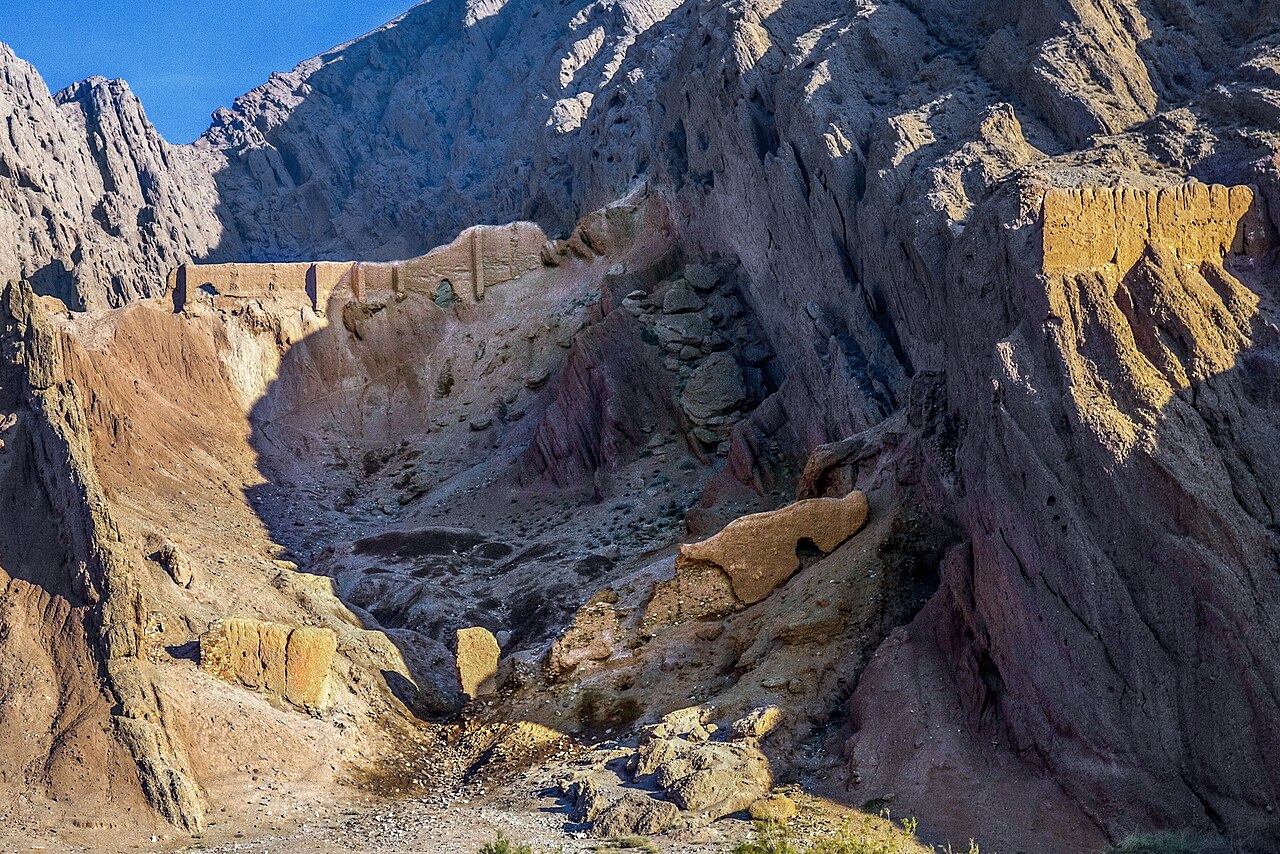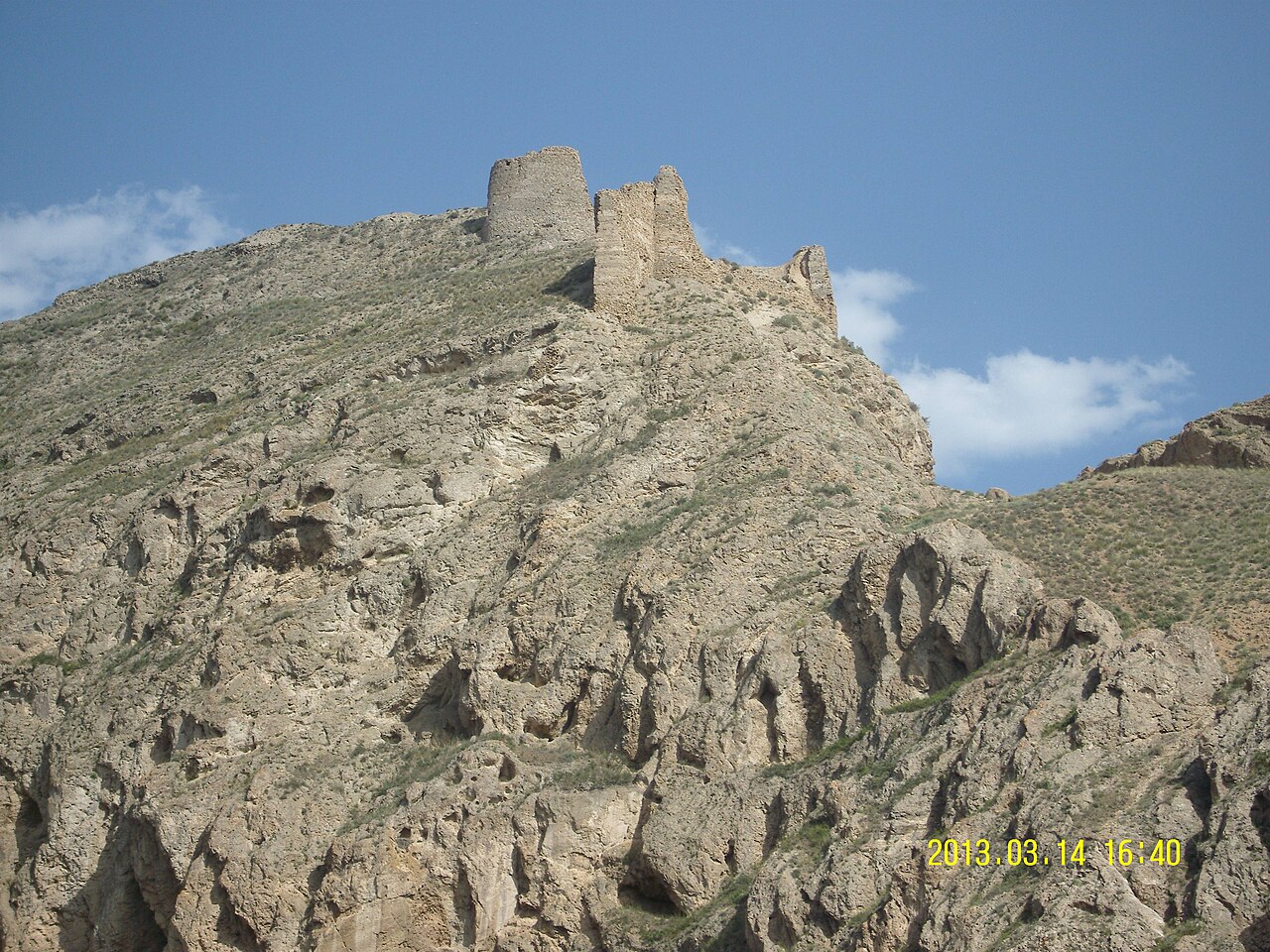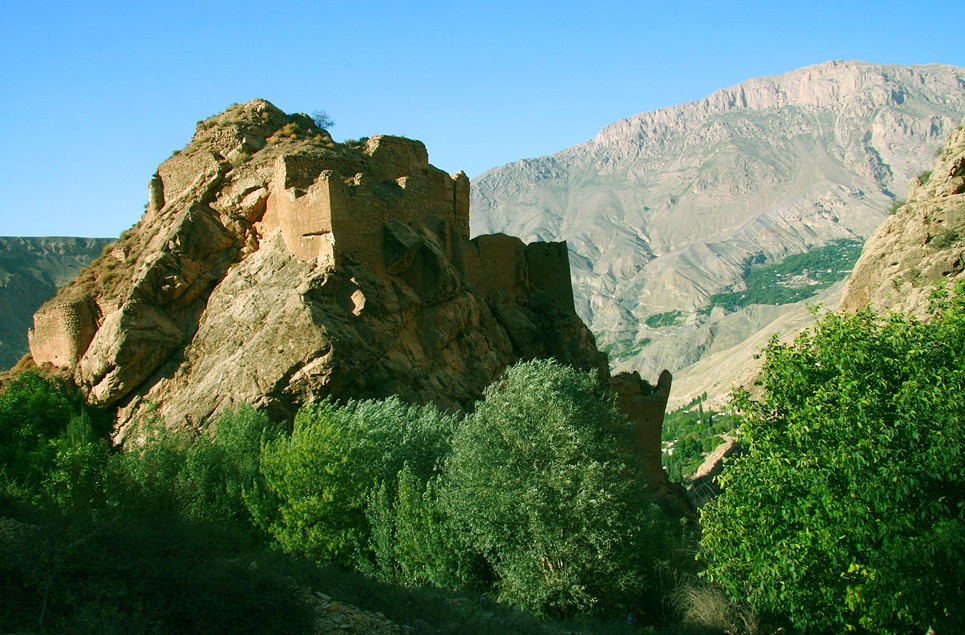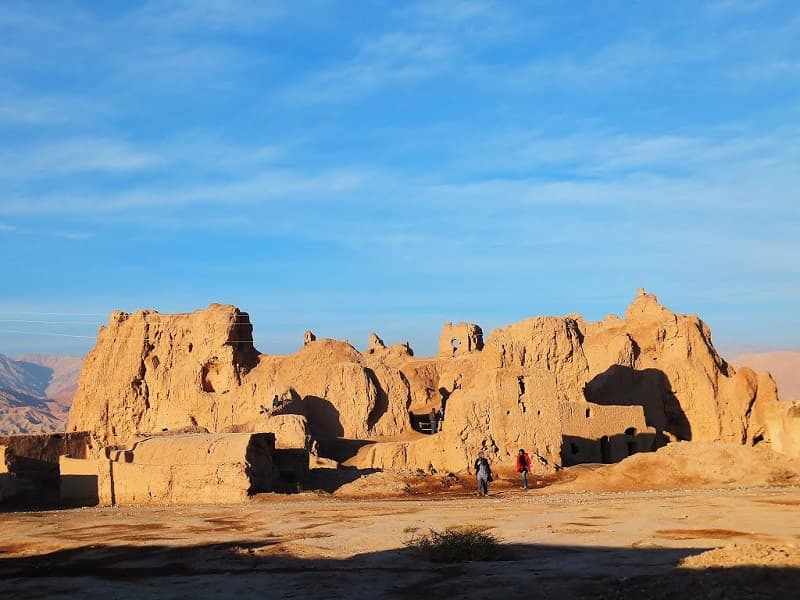
Padeh Castle (Persian: قلعه پاده) is a significant historical fortress situated in Aradan County, within Semnan Province in Iran. This hill castle stands as a remarkable example of post-Islamic military architecture in the region, reflecting the strategic importance of fortifications in Iranian history following the advent of Islam.
The historical context of Padeh Castle
The castle's origins trace back to the historical periods after Islam, a broad era that spans from the 7th century onward. Although the exact date of construction is not precisely documented, the architectural features and location suggest it was built to serve as a defensive stronghold during times of regional conflict and political fragmentation in medieval Iran. The castle likely played a role in controlling local trade routes and protecting settlements in the Semnan area.
Architectural features and layout
Padeh Castle is classified as a hill castle, meaning it is strategically positioned on elevated terrain to maximize defensive advantages. This elevated location would have provided extensive visibility over the surrounding landscape, allowing defenders to monitor approaching enemies from a distance.
The castle's construction materials include locally sourced stone and mortar, typical of Iranian fortifications of the time. Its defensive structures likely included thick walls, battlements, and towers designed to withstand sieges and attacks. While detailed archaeological studies are limited, the remaining ruins suggest a complex layout with multiple defensive layers, including possibly a central keep or citadel, surrounded by outer walls and courtyards.
Defensive elements
The castle's walls would have incorporated crenellations and arrow slits, enabling archers to defend the fortress effectively. The entrance gate was probably fortified with heavy wooden doors and possibly a barbican or gatehouse to control access. The steep hill on which the castle sits adds a natural layer of defense, making direct assaults more difficult for attackers.
Historical significance and function
Padeh Castle served as a military and administrative center in the region, overseeing local governance and defense. Its strategic location in Semnan Province suggests it was part of a network of fortifications that helped secure the region against invasions and internal conflicts during the medieval Islamic period.
The castle's endurance through centuries highlights its importance in the local history and its role in protecting the communities around Aradan County. It also reflects broader patterns of castle-building in Iran, where fortresses were adapted to the landscape and local needs.
Current condition and preservation
Today, Padeh Castle remains in a state of ruins, with many of its original structures partially collapsed or eroded over time. The site has not undergone extensive restoration, but it continues to attract interest from historians, archaeologists, and visitors fascinated by Iran's rich medieval heritage.
Preservation efforts are limited, and the castle's remote location contributes to its relatively untouched condition. Visitors to the site can explore the remains and gain insight into the defensive architecture and historical context of the region.
Visiting Padeh Castle
The castle is accessible to visitors interested in exploring Iran's historical fortifications. Due to its location in a rural part of Semnan Province, visitors should prepare for travel on less developed roads and limited facilities nearby. The site offers a unique opportunity to experience the rugged terrain and historical ambiance of a medieval Iranian hill castle.
While there are no formal visitor centers or guided tours currently available, local guides may provide information about the castle's history and significance. Visitors are encouraged to respect the site and its surroundings to help preserve its condition.
Frequently asked questions (FAQ)
- What is the historical significance of Padeh Castle?
- Padeh Castle is a notable example of Persian military architecture, reflecting the strategic importance of the region during various historical periods. Built in the 11th century, it served as a defensive stronghold and a residence for local rulers, showcasing the rich cultural heritage of Iran.
- When is the best time to visit Padeh Castle?
- The ideal time to visit Padeh Castle is during the spring (March to May) and fall (September to November) when the weather is mild and pleasant. Visiting during these seasons allows for a comfortable exploration of the castle and its surroundings.
- Can I access Padeh Castle easily?
- Yes, Padeh Castle is accessible by road, and there are local transportation options available for visitors. However, the final approach to the castle may require some walking, so it's advisable to wear comfortable footwear.
- What are the opening hours of Padeh Castle?
- Padeh Castle is generally open to visitors from 9 AM to 5 PM, but it's always a good idea to check for any seasonal changes or special events that might affect these hours. Make sure to plan your visit accordingly to fully enjoy the site.
- Is there an entrance fee to visit Padeh Castle?
- Yes, there is a nominal entrance fee for visitors to Padeh Castle, which helps with the maintenance and preservation of the site. The ticket prices are affordable, ensuring that everyone can experience this historical landmark.
- What nearby attractions can I visit while at Padeh Castle?
- While visiting Padeh Castle, you can explore nearby attractions such as the ancient ruins of local settlements and picturesque landscapes that reflect the beauty of the region. Don't miss the local markets and traditional crafts that showcase the culture of the area.
- What architectural features can I expect to see at Padeh Castle?
- Padeh Castle features impressive stone walls, intricate carvings, and a strategic layout designed for defense. The architecture reflects both the functional aspects of a fortress and the artistic elements typical of Persian design, providing visitors with a glimpse into its historical significance.
Photo gallery

Information
Loading map...
Visitor reviews
No reviews yet. Been here? Write the first review and help other travelers!
Write the first reviewVisited this castle? Share your experience
Your review helps other travelers and adds first-hand knowledge to our encyclopedia.