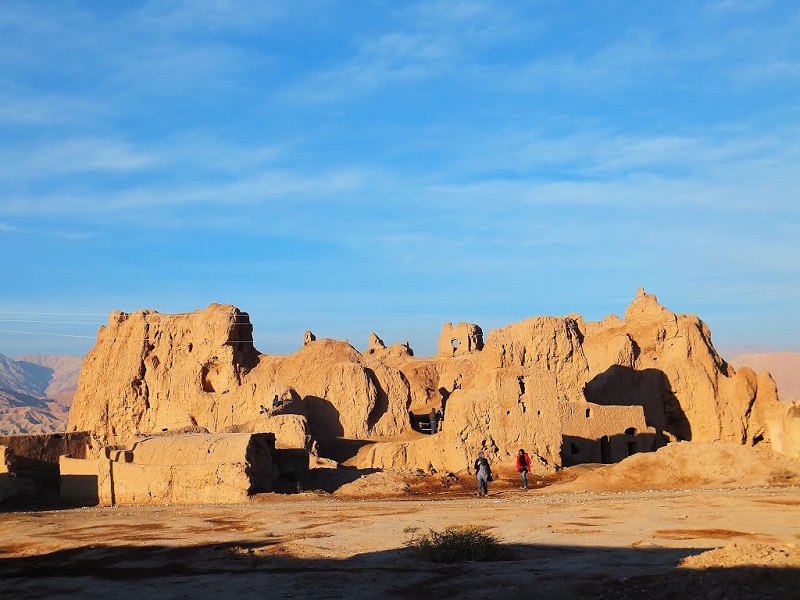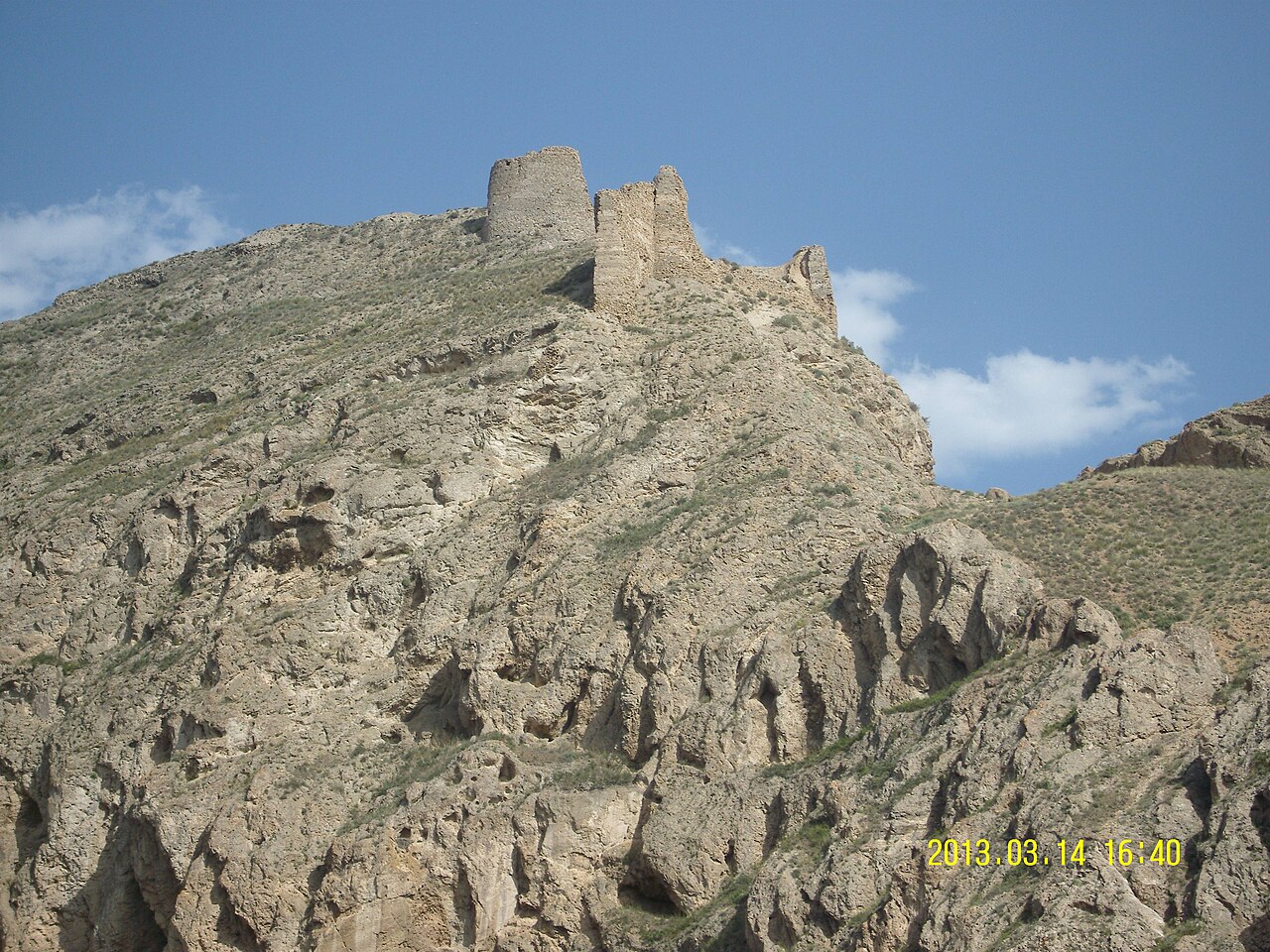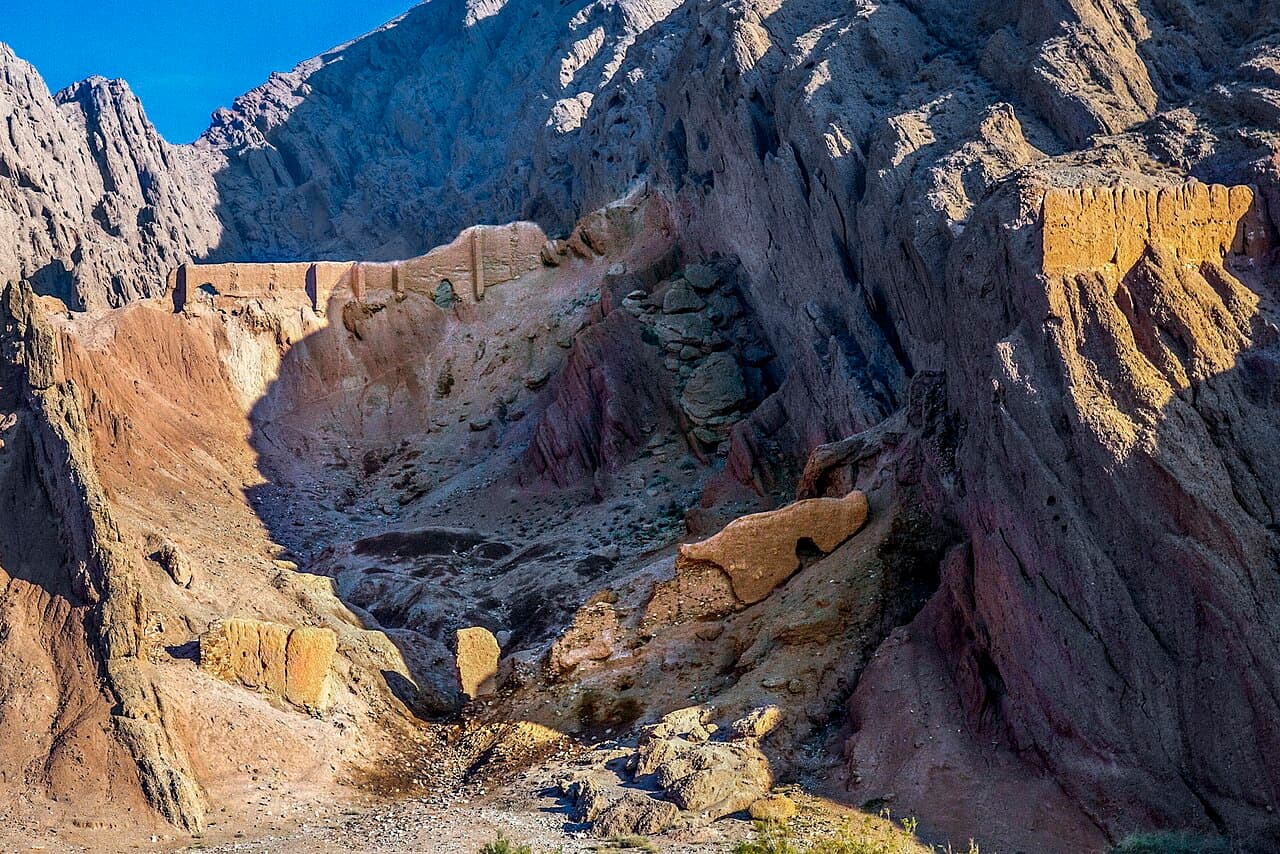
Ostanavand castle, also known as Estanavand Naruheh castle (Persian: قلعه استاناوند ناروهه) and alternatively spelled as Ustanawand or Ustunawand, is a historical hill castle situated in Garmsar County within Semnan Province, Iran. This fortress has significant historical importance, with its origins tracing back to the era of the Nizari Ismaili state, a prominent medieval Islamic polity that flourished during the High to Late Medieval period.
Historical context and significance
The Nizari Ismaili state was established in the 11th century and is renowned for its network of fortified castles across Persia and Syria. Ostanavand castle was part of this strategic system of fortifications designed to secure the region and serve as a stronghold for the Ismaili community. The castle's construction and use during this period reflect the military and political challenges faced by the Ismailis, including frequent conflicts with the Seljuks and later the Mongols.
This castle's location in Semnan Province positioned it as a key defensive site controlling access to the central Iranian plateau. Its endurance through various historical phases underscores its strategic importance and the resilience of its builders.
Architectural features and layout
Ostanavand castle is classified as a hill castle, indicating it was built on elevated terrain to maximize defensive advantages. Such positioning allowed for extensive visibility over the surrounding landscape, crucial for early warning against approaching enemies.
The castle's design likely included typical features of Nizari Ismaili fortresses: thick defensive walls, battlements, and towers for surveillance and defense. The elevated site would have been naturally fortified by steep slopes, reducing the need for extensive artificial defenses on certain sides.
While detailed architectural studies of Ostanavand castle remain limited, parallels with other contemporary Ismaili castles suggest the presence of a keep or donjon, residential quarters, storage facilities, and water cisterns to sustain inhabitants during sieges.
Construction materials and techniques
The castle was likely constructed using locally sourced stone and mortar, common in the region's medieval fortifications. The use of robust materials would have contributed to the castle's longevity, allowing it to withstand the test of time and various military engagements.
Traditional Persian construction methods combined with military architectural innovations of the period would have influenced the castle's structural integrity and defensive capabilities.
Preservation and current condition
Currently, Ostanavand castle is in a state best described as ruins. Over centuries, natural erosion, neglect, and possible damage from historical conflicts have contributed to its partial destruction.
Despite this, the remaining structures provide valuable insights into medieval Persian fortification architecture and the historical presence of the Nizari Ismailis in the region.
Preservation efforts, if any, are limited, and the site remains an important archaeological and cultural heritage location within Semnan Province.
Visiting and cultural importance
Ostanavand castle attracts historians, archaeologists, and visitors interested in the medieval history of Iran and the legacy of the Nizari Ismaili state. Its rugged hilltop setting offers a glimpse into the strategic military thinking of the period.
While not a major tourist site with extensive visitor facilities, the castle's historical value and architectural remains make it a noteworthy destination for cultural tourism in Semnan Province.
Frequently asked questions (FAQ)
- What is the historical significance of Ostanavand Castle?
- Ostanavand Castle is a remarkable example of Persian architecture, reflecting the cultural and military history of the region. It served as a strategic fortress during various historical periods, showcasing the ingenuity of its builders and the importance of the area in ancient times.
- When was Ostanavand Castle built?
- The exact date of construction for Ostanavand Castle is not definitively known, but it is believed to date back to the early Islamic period, around the 10th century. The castle has undergone various renovations and restorations over the centuries, preserving its historical integrity.
- How do I get to Ostanavand Castle?
- Ostanavand Castle is located near the city of Yazd in Iran. Visitors can reach the castle by car or local transportation, with several tour services available that include the castle as part of their itinerary.
- Can I visit Ostanavand Castle year-round?
- Yes, Ostanavand Castle is open to visitors throughout the year. However, the best time to visit is during the spring and autumn months when the weather is milder and more pleasant for exploring.
- What are the opening hours for Ostanavand Castle?
- Ostanavand Castle typically opens to visitors from 9 AM to 5 PM daily. It is advisable to check local resources for any changes in hours, especially during holidays or special events.
- Is it possible to take guided tours of Ostanavand Castle?
- Yes, guided tours are available for visitors at Ostanavand Castle. These tours often provide in-depth information about the castle's history, architecture, and significance, enhancing the overall experience.
- What are the ticket prices for Ostanavand Castle?
- The ticket prices for Ostanavand Castle are quite reasonable, with discounts often available for students and groups. It is advisable to check the current pricing at the entrance or on the official tourism website for the most accurate information.
- Are there any nearby attractions to visit after Ostanavand Castle?
- Yes, there are several attractions near Ostanavand Castle, including the ancient city of Yazd and its UNESCO-listed sites. Visitors can also explore local bazaars, traditional Persian architecture, and nearby natural landscapes.
- Is Ostanavand Castle accessible for individuals with disabilities?
- The accessibility of Ostanavand Castle may be limited due to its historical structure and terrain. It is recommended to contact local tourism services for specific information regarding access for individuals with disabilities before planning your visit.
Photo gallery

Information
Loading map...
Visitor reviews
No reviews yet. Been here? Write the first review and help other travelers!
Write the first reviewVisited this castle? Share your experience
Your review helps other travelers and adds first-hand knowledge to our encyclopedia.