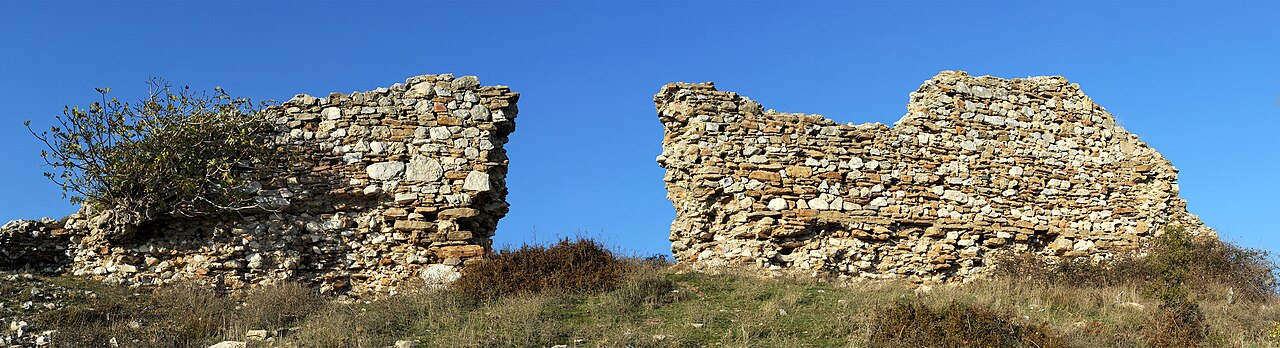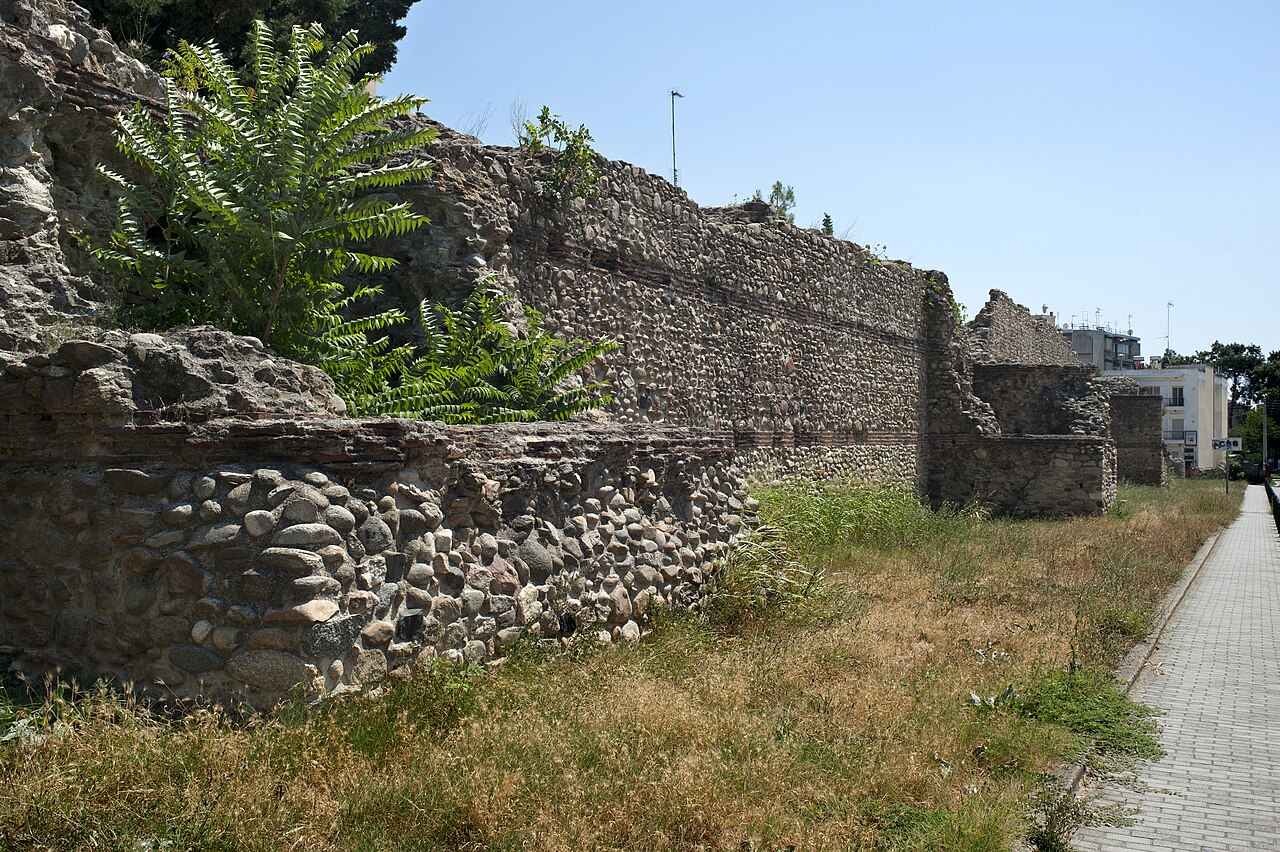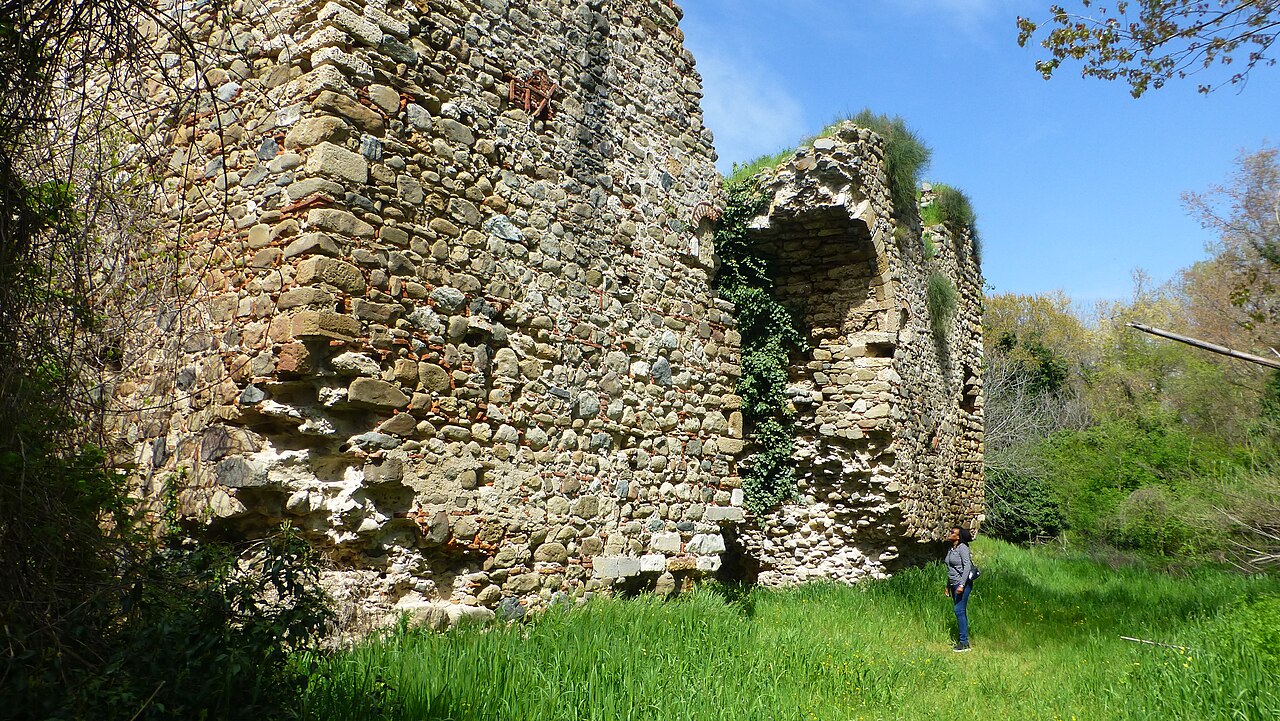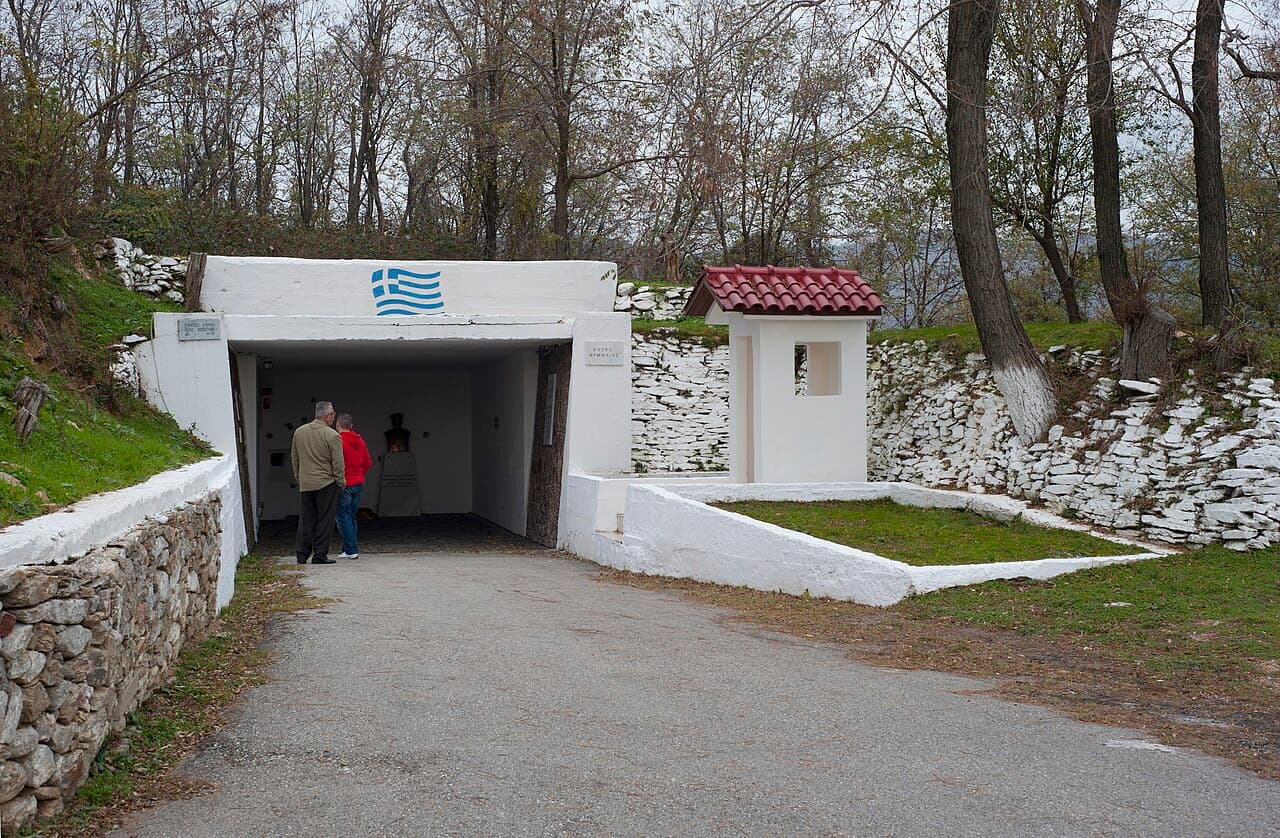
Oxyro Nymfaias is a notable example of a bastioned fortress located in Greece, reflecting the military architectural advancements that were prominent in the region. Although the exact city location remains unspecified, the fortress is recognized for its strategic design aimed at defense and control during periods of conflict.
Architectural features and design
The fortress is characterized by its bastioned fortifications, which were a significant development in castle architecture. Bastions are angular structures projecting outward from the main walls, allowing defenders to cover adjacent walls with flanking fire. This design minimized blind spots and enhanced the fortress's ability to withstand sieges and artillery attacks. The walls of Oxyro Nymfaias would have been constructed robustly to resist cannon fire, a feature typical of bastioned fortresses that emerged in the late medieval to early modern periods.
Defensive structures
Within the fortress, one would expect to find thick curtain walls connecting the bastions, moats or ditches surrounding the perimeter, and gatehouses designed to control access. The bastions themselves likely contained platforms for mounting cannons or other artillery, reflecting the adaptation of castle defenses to gunpowder weaponry. The layout would have been carefully planned to maximize defensive coverage and provide secure areas for troops and supplies.
Historical context and significance
While specific historical records about Oxyro Nymfaias are limited, bastioned fortresses in Greece generally date from the late medieval to early modern periods, a time when the introduction of gunpowder weapons transformed military architecture. Such fortresses were often constructed or upgraded in response to the increasing threat of artillery and changing warfare tactics. Oxyro Nymfaias would have played a role in regional defense, possibly overseeing important routes or coastal approaches, depending on its exact location.
Military and strategic importance
The bastioned design indicates a focus on defense against both traditional siege methods and artillery bombardment. This suggests that Oxyro Nymfaias was part of a network of fortifications intended to protect territories from invasion or rebellion. Its position in Greece places it within a historically contested region, where control of fortresses was crucial for maintaining political and military power.
Preservation and current condition
The current preservation state of Oxyro Nymfaias is not widely documented, but bastioned fortresses often survive as partially preserved or ruined structures due to their robust construction. Such sites are valuable for archaeological study and cultural heritage, offering insights into the evolution of military architecture and regional history.
Tourism and accessibility
Information on visitor access and facilities at Oxyro Nymfaias is scarce. However, bastioned fortresses in Greece typically attract interest from historians, architects, and tourists interested in military history. Visitors to similar sites can often explore the remains of walls, bastions, and other defensive features, gaining an understanding of the fortress's strategic design.
Frequently asked questions (FAQ)
- What is the historical significance of Oxyro Nymfaias?
- Oxyro Nymfaias is a bastioned fortress representing the military architectural response to the introduction of gunpowder in the late medieval period in Greece.
- What architectural features define a bastioned fortress like Oxyro Nymfaias?
- Key features include angular bastions projecting from thick curtain walls, designed for flanking fire and mounting artillery to defend against sieges and cannon fire.
- Can visitors explore Oxyro Nymfaias today?
- Details on visitor access are limited, but bastioned fortresses in Greece often offer ruins that can be explored by tourists interested in history and architecture.
Photo gallery

Information
Loading map...
Visitor reviews
No reviews yet. Been here? Write the first review and help other travelers!
Write the first reviewVisited this castle? Share your experience
Your review helps other travelers and adds first-hand knowledge to our encyclopedia.